FordParts
My Garage
My Account
Cart
OEM Mercury Lateral Link
Lateral Arm- Select Vehicle by Model
- Select Vehicle by VIN
Select Vehicle by Model
orMake
Model
Year
Select Vehicle by VIN
For the most accurate results, select vehicle by your VIN (Vehicle Identification Number).
25 Lateral Links found
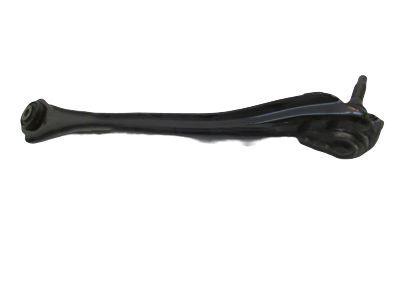
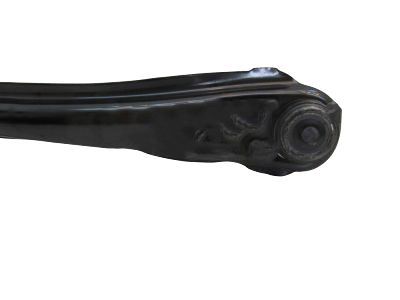
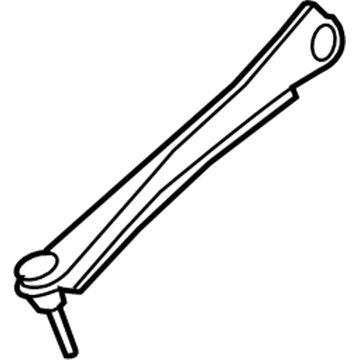
Mercury Upper Control Arm, Rear Passenger Side Part Number: 9L8Z-5500-A
$79.86 MSRP: $131.40You Save: $51.54 (40%)Ships in 1-3 Business DaysProduct Specifications- Other Name: Arm Assembly - Rear Suspension; Rear Right Upper Control Arm and Ball Joint Assembly; Integral Link; Lateral Link; Control Arm
- Manufacturer Note: Upper Arm
- Position: Passenger Side
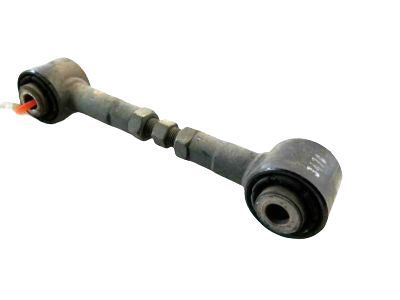
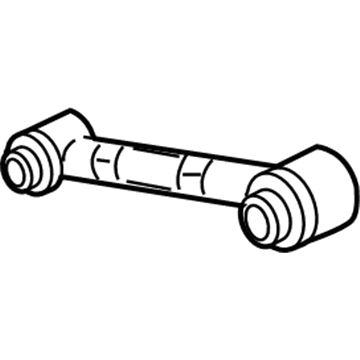
Mercury Lateral Link, Rear Lower Part Number: 9E5Z-5500-A
$80.89 MSRP: $133.09You Save: $52.20 (40%)Ships in 1-3 Business DaysProduct Specifications- Other Name: Arm Assembly - Rear Suspension; Lateral Arm, Rear; Integral Link; Lateral Arm; Lateral Strut
- Position: Rear Lower
- Replaces: 6E5Z-5500-AB
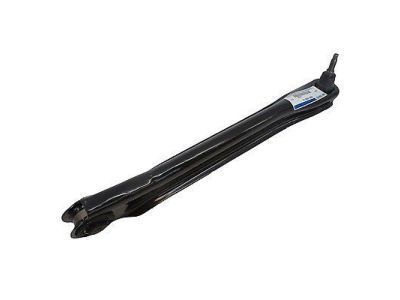
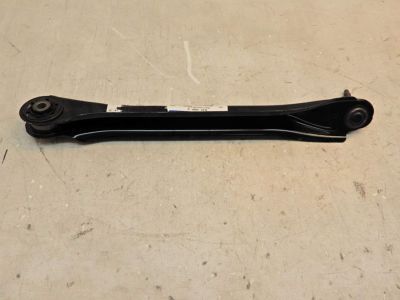
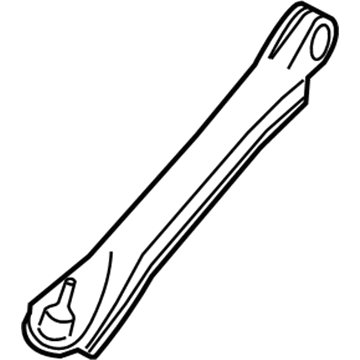
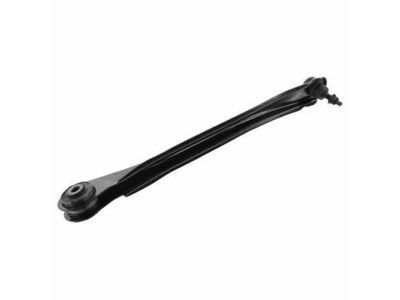
Mercury Lower Control Arm, Rear Driver Side Part Number: 9L8Z-5500-D
$80.95 MSRP: $133.20You Save: $52.25 (40%)Ships in 1-3 Business DaysProduct Specifications- Other Name: Arm Assembly - Rear Suspension; Rear Left Lower Control Arm and Ball Joint Assembly; Integral Link; Lateral Link; Control Arm
- Manufacturer Note: LOWER ARM
- Position: Driver Side
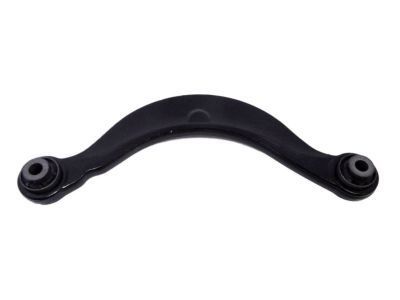
Mercury Upper Control Arm, Rear Driver Side Part Number: 9L8Z-5500-B
$81.36 MSRP: $118.43You Save: $37.07 (32%)Ships in 1-3 Business DaysProduct Specifications- Other Name: Arm Assembly - Rear Suspension; Rear Left Upper Control Arm and Ball Joint Assembly; Integral Link; Lateral Link; Control Arm
- Manufacturer Note: Upper Arm
- Position: Driver Side
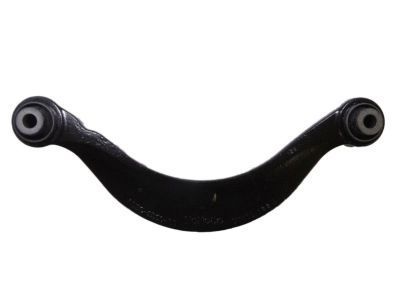
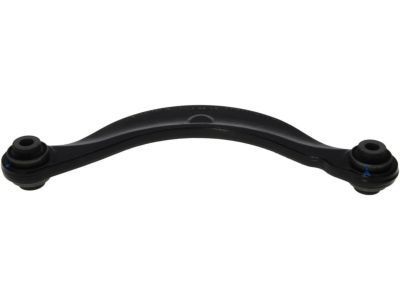
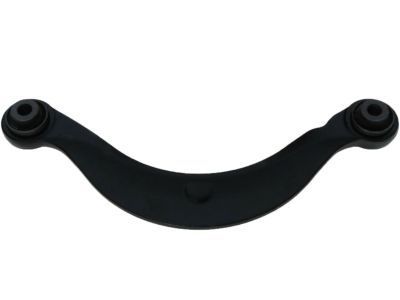
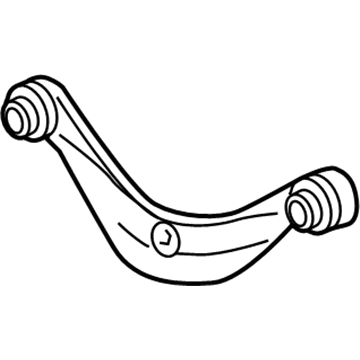
Mercury Upper Control Arm, Rear Part Number: AE5Z-5500-A
$54.46 MSRP: $77.92You Save: $23.46 (31%)Ships in 1-2 Business DaysProduct Specifications- Other Name: Arm Assembly - Rear Suspension; Suspension Control Arm, Rear Upper; Suspension Control Arm; Control Arm
- Position: Rear Upper
- Replaces: 6M8Z-5500-A
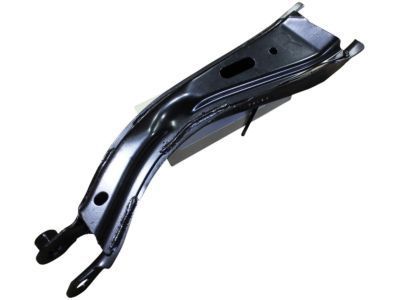
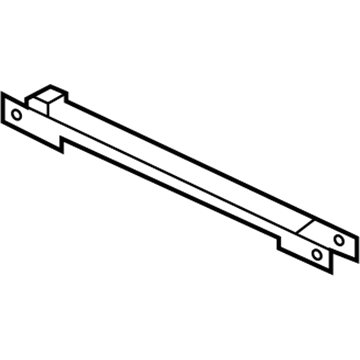
Mercury Trailing Arm, Rear Lower Passenger Side Part Number: 8G1Z-5500-AA
$60.09 MSRP: $83.13You Save: $23.04 (28%)Ships in 1-2 Business DaysProduct Specifications- Other Name: Arm Assembly - Rear Suspension; Control Arm, Rear Right Lower Forward; Trailing Arm, Rear Right; Lateral Arm; Link
- Position: Passenger Side
- Replaces: 5F9Z-5500-AR
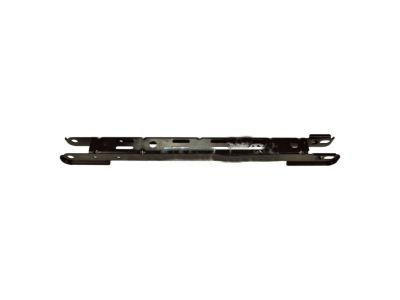
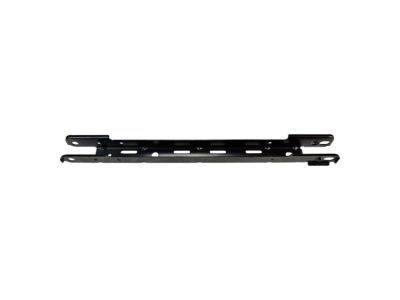
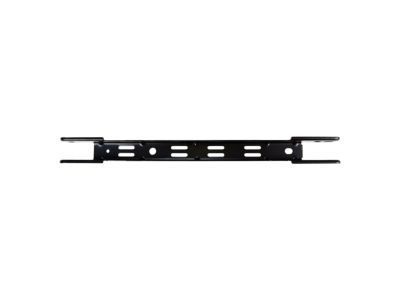
Mercury Track Bar, Rear Part Number: 8G1Z-5500-A
$75.52 MSRP: $102.77You Save: $27.25 (27%)Product Specifications- Other Name: Link; Suspension Control Arm; Suspension Trailing Arm; Suspension Track Bar; Integral Link; Lateral Arm; Trailing Arm; Suspension Control Arm; Control Arm
- Position: Rear
- Replaces: 5F9Z-5500-AA
Mercury Trailing Arm, Rear Lower Driver Side Part Number: 8G1Z-5500-B
$36.55 MSRP: $49.74You Save: $13.19 (27%)Product Specifications- Other Name: Arm Assembly - Rear Suspension; Control Arm, Rear Left Lower Forward; Trailing Arm, Rear Left; Lateral Link; Lateral Arm; Link
- Position: Driver Side
- Replaces: 5F9Z-5500-AL
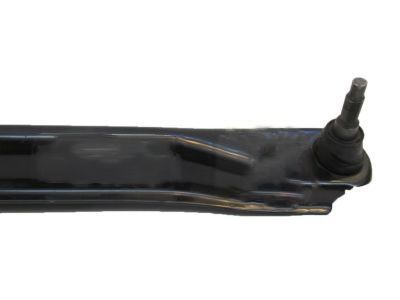
Mercury Lower Control Arm, Rear Passenger Side Part Number: 9L8Z-5500-C
$83.63 MSRP: $132.80You Save: $49.17 (38%)Product Specifications- Other Name: Arm Assembly - Rear Suspension; Rear Right Lower Control Arm and Ball Joint Assembly; Integral Link; Lateral Link; Control Arm
- Manufacturer Note: LOWER ARM
- Position: Passenger Side
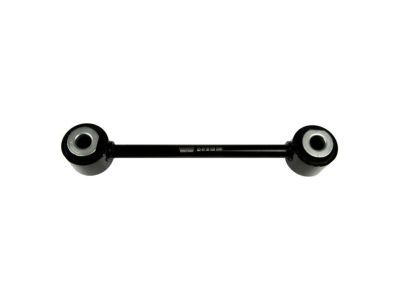
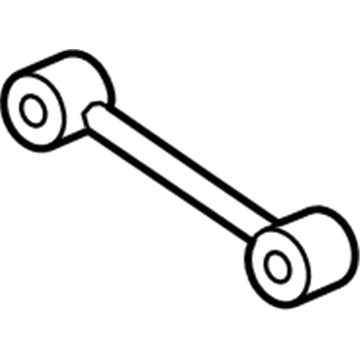
Mercury Lower Arm, Rear Part Number: 6L2Z-5A972-A
Product Specifications- Other Name: Link; Suspension Control Arm, Rear Lower Forward; Lateral Arm, Rear; Integral Link; Lateral Link
- Position: Rear Lower
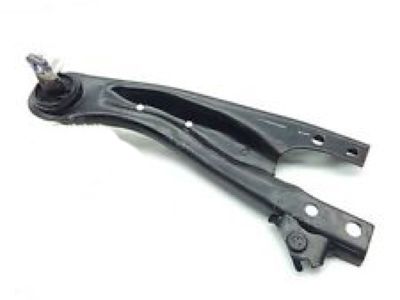
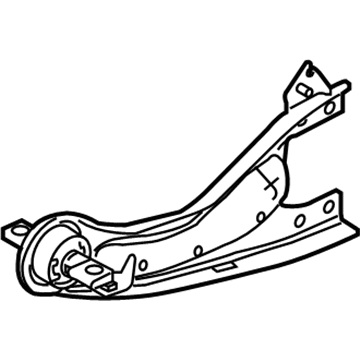
Mercury Trailing Arm, Rear Passenger Side Part Number: 7E5Z-5A972-R
Product Specifications- Other Name: Link; Suspension Trailing Arm, Rear Right; Integral Link; Lateral Arm; Trailing Link
- Position: Passenger Side
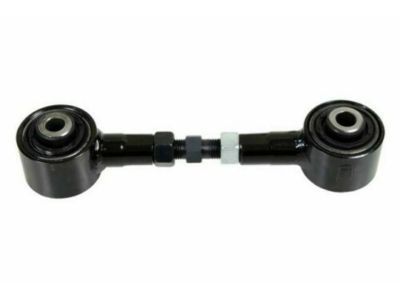
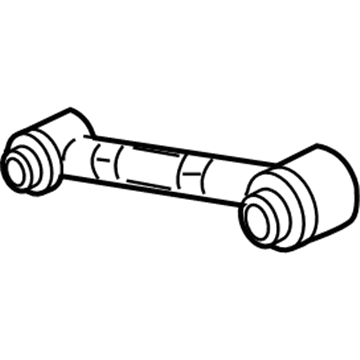
Mercury Lateral Link, Rear Lower Part Number: 9E5Z-5500-B
Product Specifications- Other Name: Arm Assembly - Rear Suspension; Lateral Arm, Rear; Integral Link; Lateral Arm; Lateral Strut
- Position: Rear Lower
- Replaces: 7E5Z-5500-A
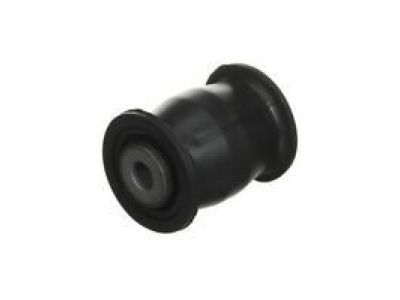
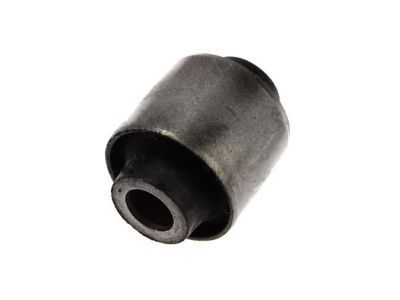
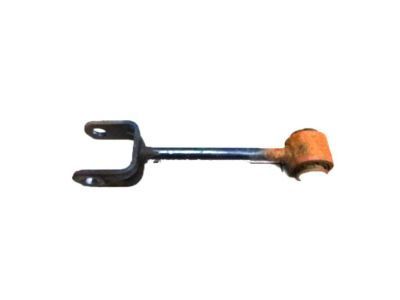
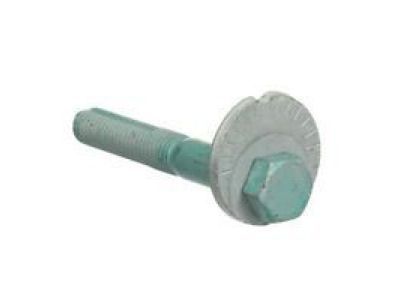
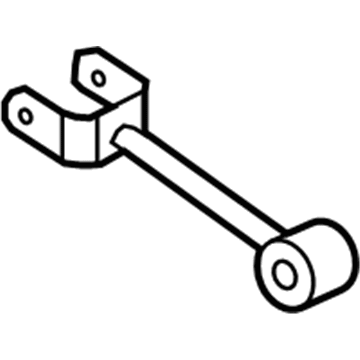
Mercury Upper Control Arm, Rear Part Number: 6L2Z-5500-B
Product Specifications- Other Name: Link; Rear Upper Suspension Control Arm and Ball Joint Assembly; Integral and Lateral Link.; Upper Arm; Upper Link; Control Arm
- Position: Rear Upper
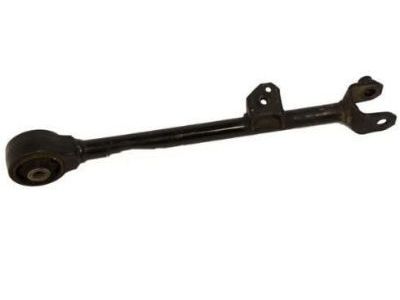
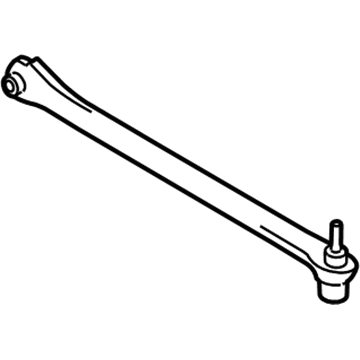
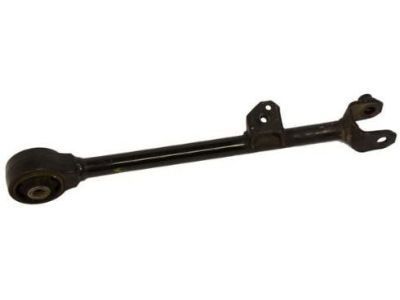
Mercury Lower Control Arm, Rear Driver Side Part Number: 5L8Z-5500-AD
Product Specifications- Other Name: Arm Assembly - Rear Suspension; Rear Left/Right Lower Control Arm; Control Arm & Ball Joint Assembly; Link; Lower Link; Control Arm
- Manufacturer Note: LH Lower
- Position: Driver Side
- Replaces: YL8Z-5500-AD
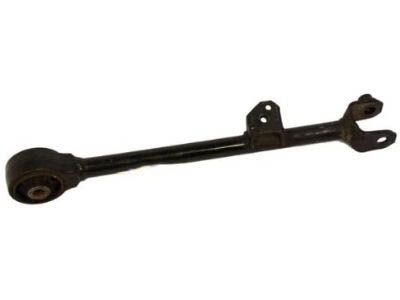
 Product Specifications
- Other Name: Arm Assembly - Rear Suspension; Rear Left/Right Lower Control Arm; Control Arm & Ball Joint Assembly; Link; Lower Link; Control Arm
- Manufacturer Note: RH Lower
- Position: Passenger Side
- Replaces: YL8Z-5500-AC
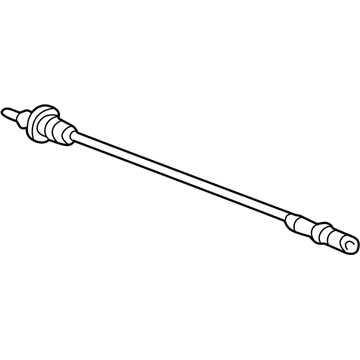
Mercury Torsion Bar, Rear Part Number: 2L2Z-5A972-AA
Product Specifications- Other Name: Link; Lateral Arm, Rear; Lateral Link and Ball Joint Assembly; Integral Link; Lateral Arm
- Position: Rear
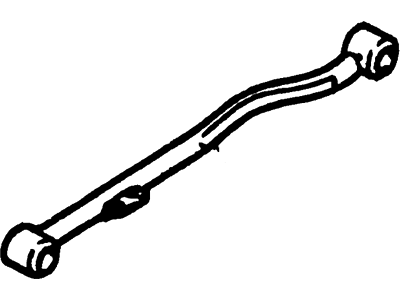
Mercury Trailing Arm, Driver Side Part Number: F7CZ-5K898-AA
Product Specifications- Other Name: Rod
- Manufacturer Note: LH, (54)(58)(74)
- Position: Driver Side
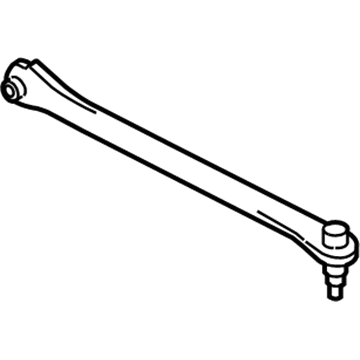
Mercury Upper Control Arm, Rear Driver Side Part Number: YL8Z-5500-AB
Product Specifications- Other Name: Link; Rear Left Upper Suspension Control Arm and Ball Joint Assembly.; Lower Link; Control Arm
- Manufacturer Note: LH Upper
- Position: Driver Side
- Product Specifications
- Other Name: Link; Rear Right Upper Suspension Control Arm and Ball Joint Assembly.; Lower Link; Control Arm
- Manufacturer Note: RH Upper
- Position: Passenger Side

Mercury Trailing Arm, Passenger Side Part Number: FOCZ-5K898-C
Product Specifications- Other Name: Linkage; Rod Assembly
- Manufacturer Note: RH, except GT
- Position: Passenger Side
| Page 1 of 2 |Next >
1-20 of 25 Results
Mercury Lateral Link
If you own Mercury and want to keep it in top shape, choosing OEM Lateral Link is a smart move. They are precisely engineered and follow strict factory standards. They are made in advanced facilities that use cutting edge technology. Each part goes through thorough testing to confirm strength and safety, so you can trust it. FordPartsDeal.com gives you genuine Mercury Lateral Link at some of the affordable online prices without cutting quality. Every OEM Mercury part includes the manufacturer's warranty, easy returns, and super-fast delivery. So why wait? Shop now and get your vehicle back to peak condition.
Mercury Lateral Link is a suspension arm that connects the hub to the chassis and enhances grip and alignment to ensure that the drivers are steering a Mercury with confidence. Mercury was born in 1938 and was soon known in the car industry as mid sized cars with a combination of fashionable appearance and a ride that was comfortable on long journeys, and the name of the brand was the famous Roman messenger to suggest a performance that was livelier. Mercury perfected suspension geometry, optional roomy cabins and sound deadening interiors over decades to allow families to listen to music rather than road noise. Popular models such as the Cougar and Grand Marquis demonstrated how Mercury could be in the middle between feel and value and although the production ceased in 2011, there are still strong arguments among its fans about the well-balanced steering and the reliable nature of this car. Designers adored the fact that its cabins remained silent at highway speeds, how its seats were comfortable in potholes, and how the customers appreciated ample trunk room and easy to read instruments. Installation begins with the parking of the car on a flat surface, engagement of brake, and the loosening of lug nuts. Lift the car up, push the wheel off and hold the arm of control with a stand. Unbolt the old Lateral Link off the knuckle and subframe, compare lengths, any adjustable sleeve must be preset, and the new Lateral Link slipped into position, make sure the Lateral Link is in position before the tightening, etc. Install thread bolts, adjust to ride height, install fasteners, carefully check torque measurements, re-install the wheel, tighten lug nuts, clearance check, and complete with a final specific check of alignment and smooth road test.
Related Mercury Parts
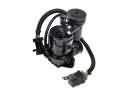 Mercury Air Suspension Compressor
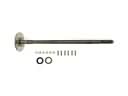 Mercury Axle Shaft
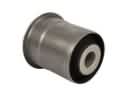 Mercury Axle Support Bushings
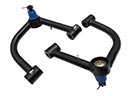 Mercury Control Arm
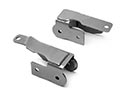 Mercury Control Arm Bracket
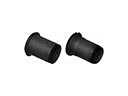 Mercury Control Arm Bushing
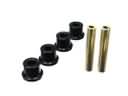 Mercury Crossmember Bushing
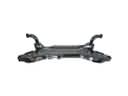 Mercury Front Cross-Member
 Mercury Ride Height Sensor
 Mercury Shock and Strut Boot
 Mercury Strut Bearing
 Mercury Sway Bar Link Bushing