FordParts
My Garage
My Account
Cart
OEM Mercury Strut Bearing
Strut Mount Bearing- Select Vehicle by Model
- Select Vehicle by VIN
Select Vehicle by Model
orMake
Model
Year
Select Vehicle by VIN
For the most accurate results, select vehicle by your VIN (Vehicle Identification Number).
6 Strut Bearings found
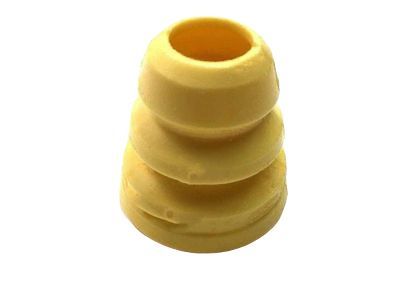
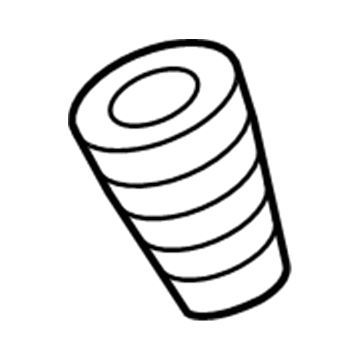
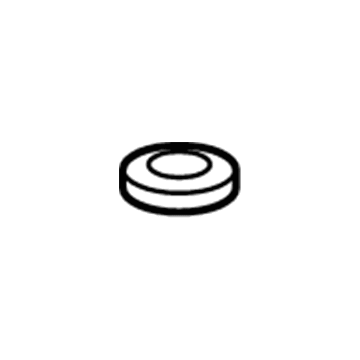
Mercury Strut Bumper, Front Part Number: AE5Z-18198-A
$15.69 MSRP: $24.91You Save: $9.22 (38%)Ships in 1-3 Business DaysProduct Specifications- Other Name: Bearing - Front Suspension Starter; Suspension Strut Bumper, Front; Coil Spring Damper, Front; Bumper; Bearing - Front Suspension Strut
- Position: Front
- Replaces: 6E5Z-18198-A
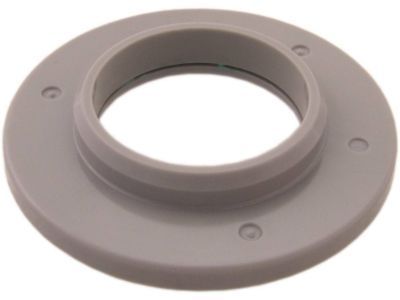
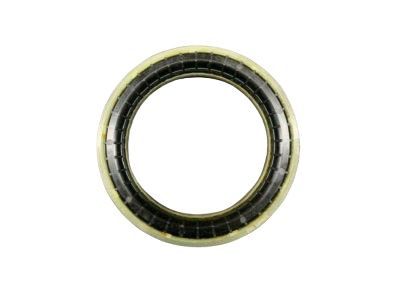
Mercury Strut Bearing, Front Part Number: YL8Z-18198-AA
$15.07 MSRP: $23.92You Save: $8.85 (37%)Product Specifications- Other Name: Bearing - Front Suspension Starter; Coil Spring Insulator, Front; Insulator; Bearing - Front Suspension Strut
- Manufacturer Note: BEARING
- Position: Front
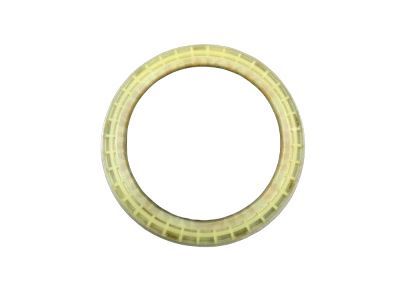
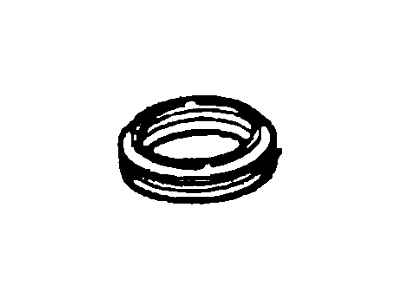
Mercury Strut Bearing, Front Part Number: F8RZ-18198-AAA
Product Specifications- Other Name: Bearing - Front Suspension Starter; Seat & Bearing; Bearing - Front Suspension Strut
- Manufacturer Note: Bearing - front suspension strut
- Position: Front

Mercury Bushing, Front Part Number: F7CZ-18198-CAA
Product Specifications- Other Name: Bearing - Front Suspension; Axle Pivot Bushing
- Position: Front
Mercury Insulator Part Number: F7CZ-18198-BAA
Product Specifications- Other Name: Kit; Coil Spring Insulator
Mercury Seat Bushing Part Number: F7CZ-18198-AAA
Product Specifications- Other Name: Kit; Bumper; Bushing
Mercury Strut Bearing
If you own Mercury and want to keep it in top shape, choosing OEM Strut Bearing is a smart move. They are precisely engineered and follow strict factory standards. They are made in advanced facilities that use cutting edge technology. Each part goes through thorough testing to confirm strength and safety, so you can trust it. FordPartsDeal.com gives you genuine Mercury Strut Bearing at some of the affordable online prices without cutting quality. Every OEM Mercury part includes the manufacturer's warranty, easy returns, and super-fast delivery. So why wait? Shop now and get your vehicle back to peak condition.
The Mercury Strut Bearing, which serves as a pivot and a noise filter, provides steering feedback and carries weight on top of the suspension. Mercury was created in 1938, and its name was made on pure style, roomy interiors and the ride so smooth that it felt like gliding. During decades Mercury struck a balance between comfort and worth, providing such icons as the Cougar and the Grand Marquis and incorporating less noisy interiors and refined suspensions. Mercury continued to upgrade technologies to ensure that people enjoyed easy driving routines even after the termination of production in 2011. The use of real Mercury parts assists the car to maintain that gliding touch. In showrooms, there were two tone paint, upscale grilles and dashboards with clear gauges and these provided families with upscale style at affordable prices and added to the independent spirit of the brand. Proprietors liked the balanced chassis of the marque as it absorbed the bumps but the owners still felt it accurate on corners. To change the Strut Bearing, make sure the car is parked on flat land and apply security, and also loosen the lugs of the wheels. Lift, remove wheel, and hold the knuckle, and unfasten bolts securing the strut. Install the coil spring: compress the spring, position it, loosen the top nut, access the bearing, and make sure that the Strut Bearing is in place. Replacing the component, repositioning marks, screwing elements to a required tightness, and gradually decompressing the spring. Install the strut again, reattach hardware, reattached the wheel, and lowered the car, and test drove the car making sure to rotate the steering wheel to ensure that the new Strut Bearing is silent.
Related Mercury Parts
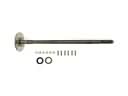 Mercury Axle Shaft
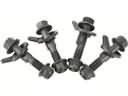 Mercury Camber and Alignment Kit
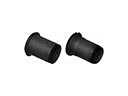 Mercury Control Arm Bushing
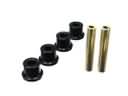 Mercury Crossmember Bushing
 Mercury Front Cross-Member
 Mercury Radius Arm Bushing
 Mercury Shock and Strut Boot
 Mercury Steering Knuckle
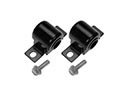 Mercury Sway Bar Bushing
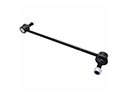 Mercury Sway Bar Link
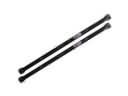 Mercury Torsion Bar
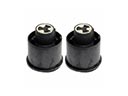 Mercury Trailing Arm Bushing