FordParts
My Garage
My Account
Cart
OEM Mercury Mariner Seat Belt
Seat Safety Belt- Select Vehicle by Model
- Select Vehicle by VIN
Select Vehicle by Model
orMake
Model
Year
Select Vehicle by VIN
For the most accurate results, select vehicle by your VIN (Vehicle Identification Number).
48 Seat Belts found
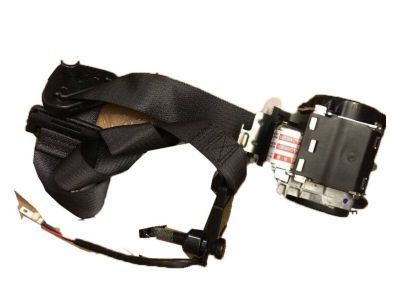
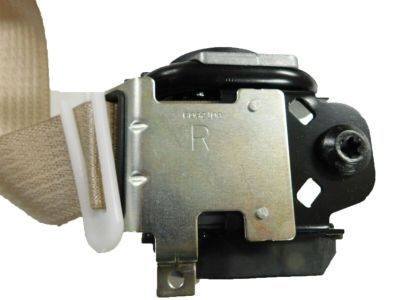
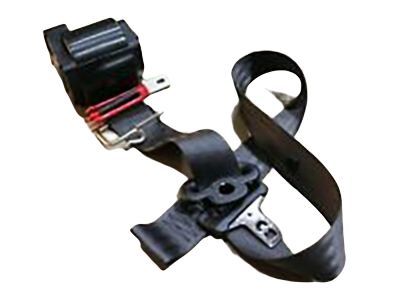
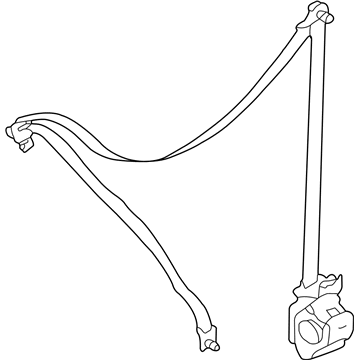
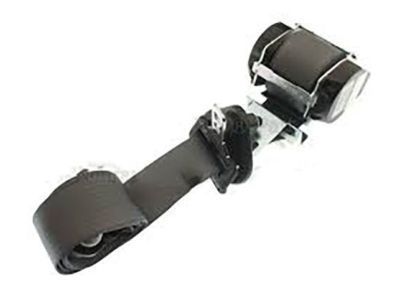
Mercury Mariner Lap & Shoulder Belt, Charcoal Black, Front Passenger Side Part Number: 8L8Z-78611B08-AF
$409.47 MSRP: $642.00You Save: $232.53 (37%)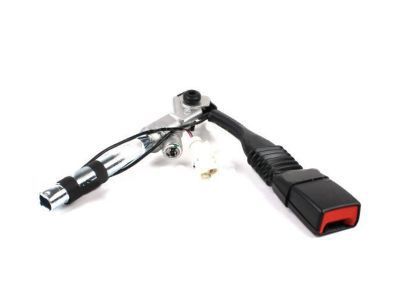

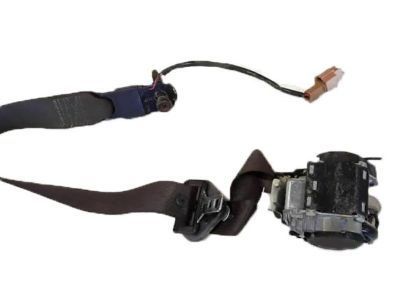
Mercury Mariner Buckle End, Front Driver Side Part Number: 9L8Z-7861203-BA
$125.41 MSRP: $182.55You Save: $57.14 (32%)Ships in 1-3 Business Days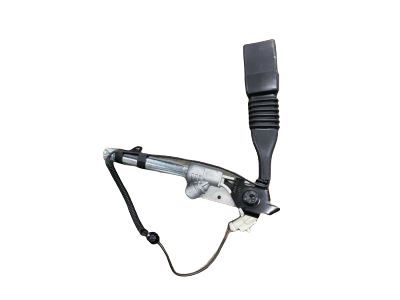
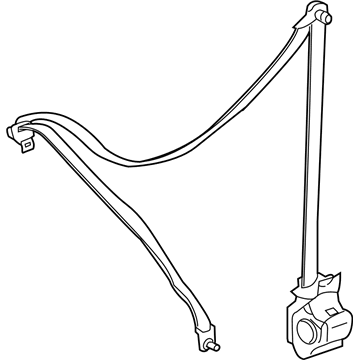
Mercury Mariner Buckle End, Front Passenger Side Part Number: 9L8Z-7861202-AA
$125.41 MSRP: $182.55You Save: $57.14 (32%)Ships in 1-3 Business Days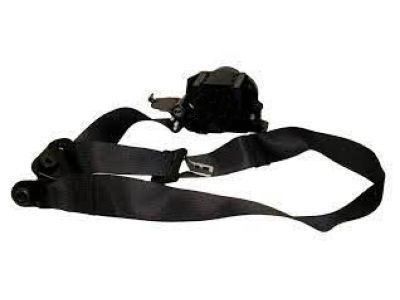
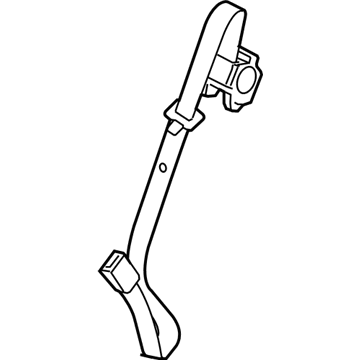
Mercury Mariner Lap & Shoulder Belt, Camel, Rear Center Part Number: AL8Z-78611B64-AB
$203.84 MSRP: $296.72You Save: $92.88 (32%)Ships in 1-3 Business Days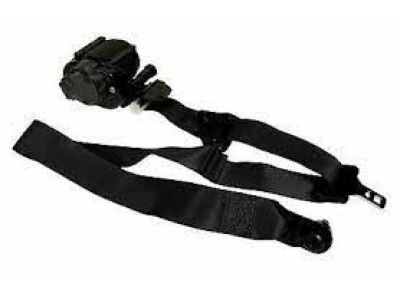
Mercury Mariner Lap & Shoulder Belt, Charcoal Black, Front Driver Side Part Number: AL8Z-78611B09-AC
$298.55 MSRP: $438.40You Save: $139.85 (32%)Ships in 1-3 Business Days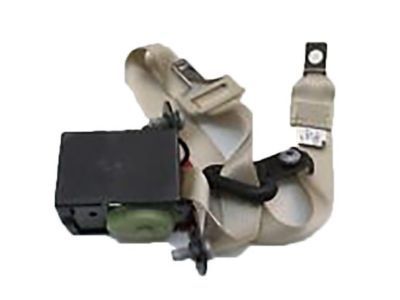
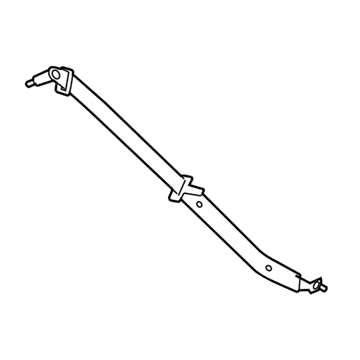
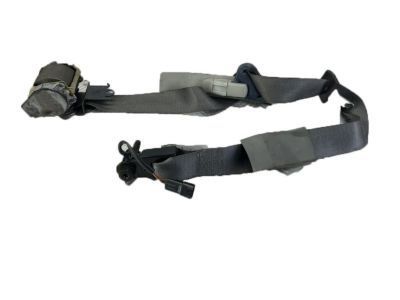
Mercury Mariner Lap & Shoulder Belt, Rear Passenger Side Part Number: 8L8Z-78611B68-AD
$67.19 MSRP: $92.95You Save: $25.76 (28%)Ships in 1-2 Business Days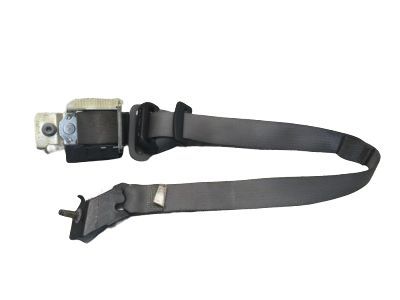
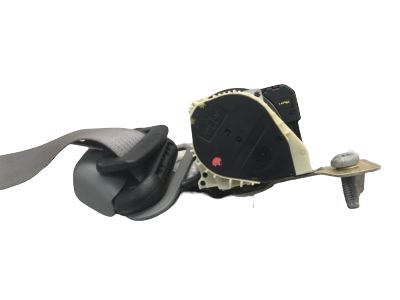
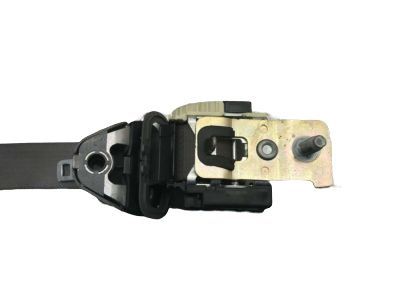
Mercury Mariner Lap & Shoulder Belt, Rear Driver Side Part Number: 8L8Z-78611B69-AD
$76.31 MSRP: $105.57You Save: $29.26 (28%)Ships in 1-2 Business DaysMercury Mariner Buckle End, Driver Side Part Number: 9L8Z-7861203-AA
$127.58 MSRP: $185.70You Save: $58.12 (32%)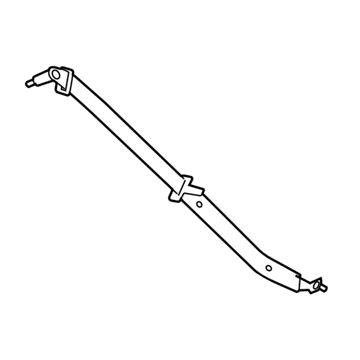
Mercury Mariner Lap & Shoulder Belt, Charcoal Black, Rear Driver Side Part Number: AL8Z-78611B69-BC
$225.43 MSRP: $331.03You Save: $105.60 (32%)Ships in 1-3 Business DaysMercury Mariner Lap & Shoulder Belt, Front Driver Side Part Number: AL8Z-78611B09-AA
$318.64 MSRP: $467.90You Save: $149.26 (32%)Ships in 1-3 Business Days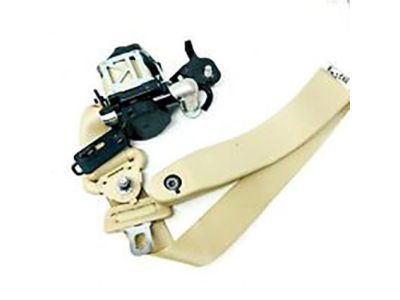
Mercury Mariner Lap & Shoulder Belt, Camel, Front Driver Side Part Number: AL8Z-78611B09-AB
$318.64 MSRP: $467.90You Save: $149.26 (32%)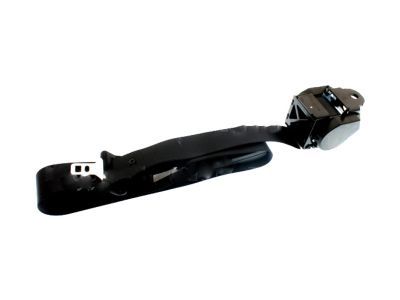
Mercury Mariner Lap & Shoulder Belt, Charcoal Black, Rear Center Part Number: AL8Z-78611B64-AC
$190.44 MSRP: $277.20You Save: $86.76 (32%)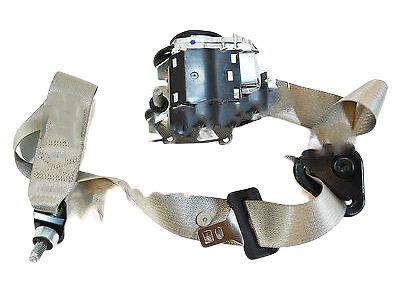
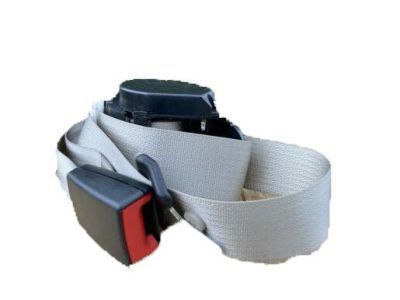
Mercury Mariner Lap & Shoulder Belt, Rear Center Part Number: AL8Z-78611B64-AA
$205.49 MSRP: $301.75You Save: $96.26 (32%)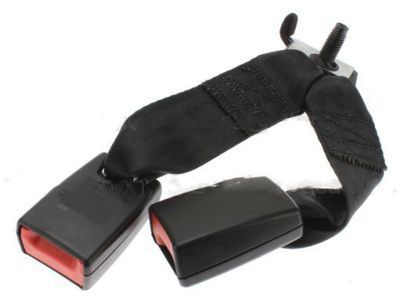
Mercury Mariner Lap & Shoulder Belt, Charcoal Black, Front Driver Side Part Number: 9L8Z-78611B09-AC
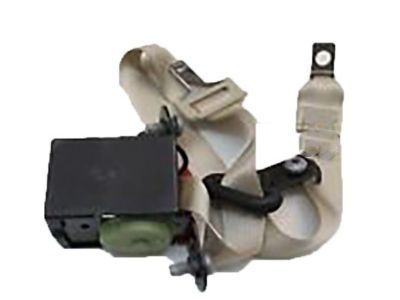
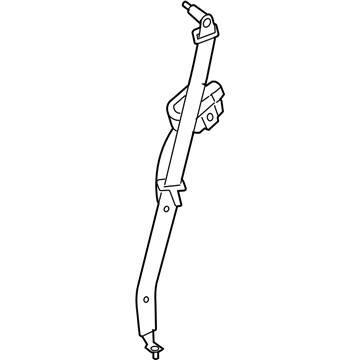
Mercury Mariner Lap & Shoulder Belt, Charcoal Black, Rear Passenger Side Part Number: 8L8Z-78611B68-AF
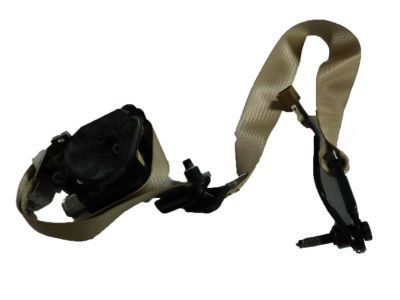
| Page 1 of 3 |Next >
1-20 of 48 Results
Mercury Mariner Seat Belt
OEM Seat Belt boasts unmatched quality. Each part goes through full quality checks. They adhere to Mercury's official factory standards. These steps remove flaws and inconsistencies. So you can get Seat Belt with long life and a perfect fit. Come to our website and find genuine Mercury Mariner parts. We keep a wide inventory of OEM Mariner parts at the highly affordable prices. It's easy to search, compare, and pick what you need. You'll love the clear info and simple checkout. We offer top-rated customer service, and we reply fast. We also ship promptly to ensure your order arrives on time.
Mercury Mariner Seat Belt Parts and Q&A
- Q:What Actions Are Necessary for Seat Belt Assemblies After a Collision on Mercury Mariner?A:A thorough examination must be performed on all seat belt assemblies after a collision to inspect retractors, buckles along with front seat belt buckle support assemblies (slide bar) and shoulder belt height adjusters and child seat tether attachments and attaching hardware. Replacement should happen to seat belt assemblies unless qualified personnel verify both damage-absence and operational excellence. The inspection should cover belt assemblies that stayed unused in the collision event while also requiring replacements of damaged units that show operational issues. Regular seat belt inspections must happen to ensure proper working condition and lack of damage which becomes especially important after severe stress occurs. A complete examination of seat belt assembly mounting points must happen before new installation to check for deformation and damage; repair the metal parts to recover original form if damage detection occurs. Observe the installation guidelines for new seat belts before conducting operational tests to verify correct functioning.
- Q:What Are the Crucial Steps to Take After a Collision Regarding Seat Belt Assemblies and Their Installation on Mercury Mariner?A:Seat belt assemblies together with their attaching hardware need assessment following any collision including retractors, buckles, the belt tension sensor (BTS) if present and front seat belt buckle support assemblies (slide bar) if present, seat belt shoulder belt height adjusters if present, child seat tether bracket assemblies and the automatic locking retractor (ALR) feature for child seats in passenger seating positions. A new seat belt assembly requires installation when any operational or damaged assembly fails the Functional Tests or shows incorrect operation. Seat belt assemblies along with their attaching hardware should not be installed unless the sheet metal maintaining structural integrity gets restored to its original state post any damage to the attaching areas because such neglect increases crash-activated injury risks. Installations of completely new seat belt systems that contain retractors and buckles and height adjusters become essential after front pretensioner deployment occurs. A scheduled check of seat belt assemblies must happen to make sure the components stay unharmed and function correctly following severe stress events. The installation of new seat belts must start with an examination of their attaching points for damage or shape distortions before sheet metal repair and restoration to original form and structure occurs. Installations should follow restoration and then perform the Functional Test.
Related Mercury Mariner Parts
 Mercury Mariner Antenna Mast
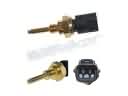 Mercury Mariner Cylinder Head Temperature Sensor
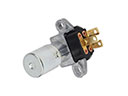 Mercury Mariner Dimmer Switch
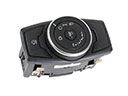 Mercury Mariner Headlight Switch
 Mercury Mariner Horn Relay
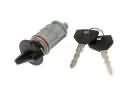 Mercury Mariner Ignition Lock Cylinder
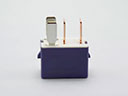 Mercury Mariner Ignition Relay
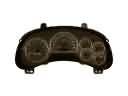 Mercury Mariner Instrument Cluster
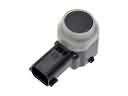 Mercury Mariner Parking Assist Sensor
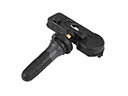 Mercury Mariner TPMS Sensor
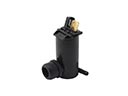 Mercury Mariner Windshield Washer Pump
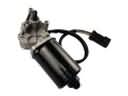 Mercury Mariner Wiper Motor
Browse Mercury Mariner Seat Belt by Years
2011
2010
2009
2008
2007
2006
2005