FordParts
My Garage
My Account
Cart
OEM Mercury PCV Valve Elbow
Position Crank Ventilation Valve Elbow- Select Vehicle by Model
- Select Vehicle by VIN
Select Vehicle by Model
orMake
Model
Year
Select Vehicle by VIN
For the most accurate results, select vehicle by your VIN (Vehicle Identification Number).
1 PCV Valve Elbow found
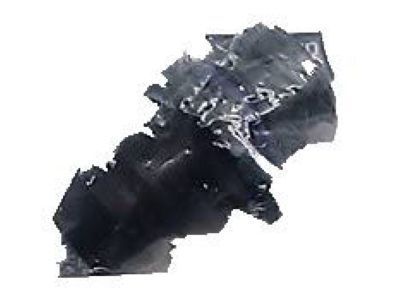
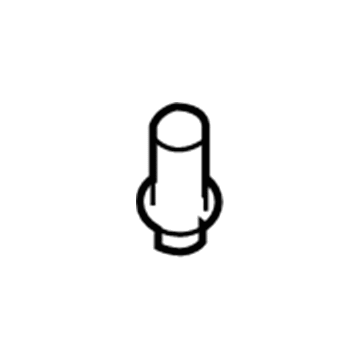
Mercury Crankcase Tube Elbow Part Number: 2W7Z-6762-AA
$5.98 MSRP: $8.48You Save: $2.50 (30%)Ships in 1-3 Business DaysProduct Specifications- Other Name: Elbow; Crankcase Breather Hose
Mercury PCV Valve Elbow
If you own Mercury and want to keep it in top shape, choosing OEM PCV Valve Elbow is a smart move. They are precisely engineered and follow strict factory standards. They are made in advanced facilities that use cutting edge technology. Each part goes through thorough testing to confirm strength and safety, so you can trust it. FordPartsDeal.com gives you genuine Mercury PCV Valve Elbow at some of the affordable online prices without cutting quality. Every OEM Mercury part includes the manufacturer's warranty, easy returns, and super-fast delivery. So why wait? Shop now and get your vehicle back to peak condition.
Mercury PCV Valve Elbow maintains steady crankcase pressure and low emission levels, which provide engines with cleaner operation. Mercury has been able to gain loyalty since 1939 by combining a smoother ride with a controversial styling and by naming it after the fleet-footed Roman god in a promise of quick responsiveness and comfort in everyday life. The cabins of the Mercury were made very quiet by the sophisticated suspension tuning and spacious interiors provided the stress free control in long drives. Mercury would compromise between comfort and solid value with some more classical models such as the Cougar and Grand Marquis and introduce simple yet useful technologies every decade until it stopped production in 2011. Many drivers have not forgotten the longevity and easy maintenance of Mercury components even in the off-floor environment today. Other characteristics of the brand that were unique were cutting down on road noise by implementing improved insulation and steering mechanisms that responded easily at urban speeds. A PCV Valve Elbow is a cast-off joint that connects the PCV valve with the intake, which recycles the blow by gases to run cleaner. Always make sure that you do not install a PCV Valve Elbow on a hot engine. Find the PCV valve on the valve cover and trace its hose to the port of intake and remove the worn-out rubber connector. Clean each nipple with a wipe, and force the new PCV Valve Elbow in place until it fits into place. Slide: insert clamps, then firmly twist each side to confirm that you have a grip, reattach sensor hoses that you may have knocked around, and then, when the motor starts, listen to it until you can hear it running at steady idle and that you have a good seal.
Related Mercury Parts
 Mercury Exhaust Manifold
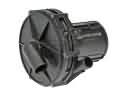 Mercury Air Injection Pump
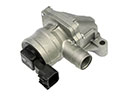 Mercury Air Pump Check Valve
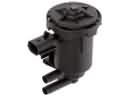 Mercury Canister Purge Valve
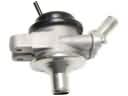 Mercury Diverter Valve
 Mercury EGR Tube
 Mercury EGR Valve
 Mercury EGR Valve Gasket
 Mercury Muffler
 Mercury PCV Valve
 Mercury Secondary Air Injection Check Valve
 Mercury Vapor Canister