FordParts
My Garage
My Account
Cart
OEM Mercury Diverter Valve
- Select Vehicle by Model
- Select Vehicle by VIN
Select Vehicle by Model
orMake
Model
Year
Select Vehicle by VIN
For the most accurate results, select vehicle by your VIN (Vehicle Identification Number).
12 Diverter Valves found
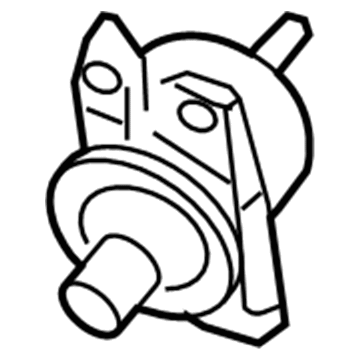
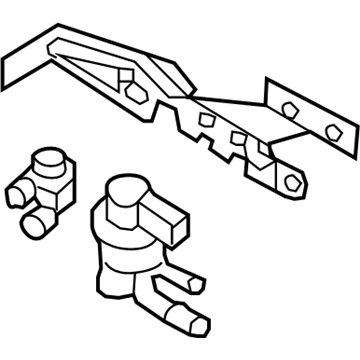
Mercury Control Valve Part Number: 6E5Z-9F491-B
$213.38 MSRP: $341.82You Save: $128.44 (38%)Ships in 1-3 Business DaysProduct Specifications- Other Name: Valve And Bracket Assembly - Control; Vapor Canister Purge Solenoid; Diverter Valve; Vapor Valve
- Replaces: 6E5Z-9F491-AA, 6E5Z-9F491-A
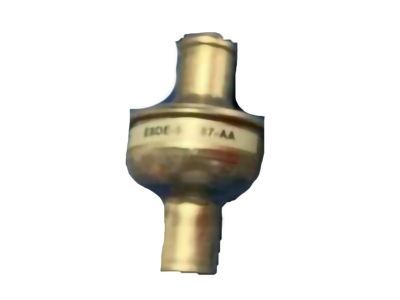
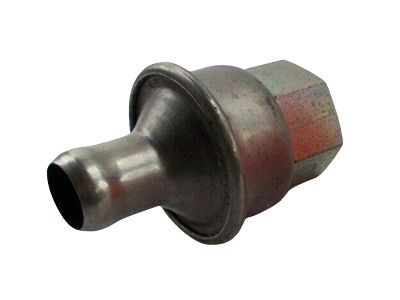
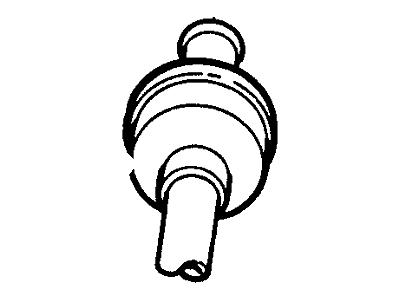
Mercury Check Valve Part Number: E8DZ-9A487-A
Product Specifications- Other Name: Valve Assembly - One-Way; Secondary Air Injection Check Valve; Diverter Valve; Valve Assembly - Non Return
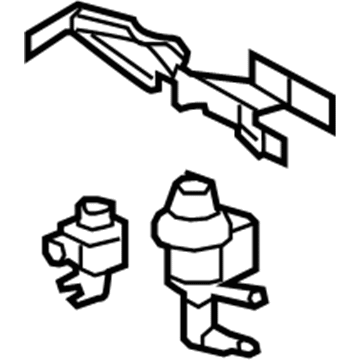
Mercury Vacuum Solenoid Part Number: 6M6Z-9E441-A
Product Specifications- Other Name: Valve Assembly
Mercury Vacuum Valve Part Number: 5M6Z-9E441-BA
Product Specifications- Other Name: Valve Assembly; Diverter Valve

Mercury By-Pass Valve Part Number: FO3Z9F491A
Product Specifications- Other Name: Valve Assembly - Exhaust Air System
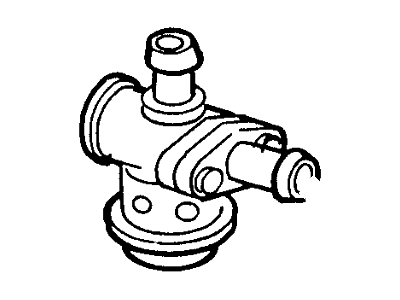
Mercury Control Valve Part Number: E3TZ-9F491-A
Product Specifications- Other Name: Valve - Exhaust Air; Diverter Valve
Mercury Check Valve Part Number: E9VZ-9A487-A
Product Specifications- Other Name: Valve Assembly - One-Way; Secondary Air Injection Check Valve; Diverter Valve; Pulse Air Valve; Valve Assembly - Non Return
Mercury Check Valve Part Number: E7TZ9A487A
Product Specifications- Other Name: Valve Assembly - One-Way; Secondary Air Injection Check Valve; Diverter Valve; Valve Assembly - Non Return
Mercury Control Valve Part Number: E4TZ-11002-B
Product Specifications- Other Name: Starter Motor Assembly; Reman Starter Motor; Starter Motor; Starter
Mercury Control Valve Part Number: E4SZ9F491A
Product Specifications- Other Name: Valve - Exhaust Air; Diverter Valve
Mercury Control Valve Part Number: E43Z-9F491-C
Product Specifications- Other Name: Valve - Exhaust Air; Diverter Valve
Mercury Check Valve Part Number: D9AZ9A487C
Product Specifications- Other Name: Valve Assembly - One-Way; Secondary Air Injection Check Valve; Diverter Valve; Pulse Air Valve; Valve Assembly - Non Return
Mercury Diverter Valve
If you own Mercury and want to keep it in top shape, choosing OEM Diverter Valve is a smart move. They are precisely engineered and follow strict factory standards. They are made in advanced facilities that use cutting edge technology. Each part goes through thorough testing to confirm strength and safety, so you can trust it. FordPartsDeal.com gives you genuine Mercury Diverter Valve at some of the affordable online prices without cutting quality. Every OEM Mercury part includes the manufacturer's warranty, easy returns, and super-fast delivery. So why wait? Shop now and get your vehicle back to peak condition.
The Mercury Diverter Valve provides smooth power to turbocharged engines by diversion of the excess boost, safeguarding the turbo while retaining the acceleration sharp. Mercury was born in 1938 and gained a reputation of having plush rides, sharp styling and cabins that were such that a normal conversation could be carried on even at highway speed. Its vehicles such as the Cougar and the Grand Marquis had a balanced suspension system and real world value that allowed users to have a comfortable ride without having to empty their wallets. Over the decades, Mercury continued to add user friendly feature, such as refined interiors that absorbed the noise during a road drive to the controls being where a new driver wanted to be. Engines live longer with the aid of the parts inspired by the art of Mercury. Performance fans today are retrofitting the last chapter of the Mercury technology with the intelligent Diverter Valve we were talking about, a small item that diverts pressurized air into the intake as soon as the throttle is closed to avoid compressor surge and reduce the turbo lag. Installation of the Diverter Valve is necessary to park on flat ground and allow the engine to cool down before the installation. Unscrew the battery, and trace the unit on the turbo piping. Get the surrounding intake tubes out of the way, unplug the vacuum line, and unbolt the original Diverter Valve without disturbed the gasket. Install the new part in the same orientation, install the O-ring, and hand tighten the bolts evenly and then snug up. Reassemble hoses and sensors, reconstruct intake path, reconnect battery, start engine, and check for leakages. Boost and surge shall be ensured by a short road test.
Related Mercury Parts
 Mercury Catalytic Converter
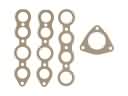 Mercury Exhaust Manifold
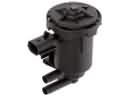 Mercury Canister Purge Valve
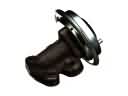 Mercury EGR Valve
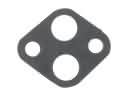 Mercury EGR Valve Gasket
 Mercury Exhaust Flange Gasket
 Mercury Muffler Strap
 Mercury PCV Valve
 Mercury PCV Valve Elbow
 Mercury Secondary Air Injection Check Valve
 Mercury Vapor Canister
 Mercury Vapor Pressure Sensor