FordParts
My Garage
My Account
Cart
OEM Mercury Radiator Support
Center Radiator Support- Select Vehicle by Model
- Select Vehicle by VIN
Select Vehicle by Model
orMake
Model
Year
Select Vehicle by VIN
For the most accurate results, select vehicle by your VIN (Vehicle Identification Number).
78 Radiator Supports found
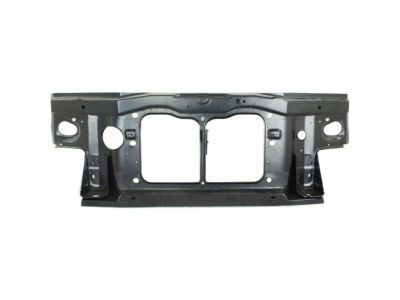
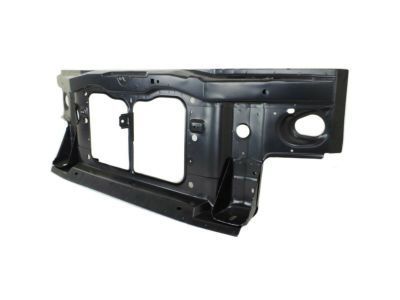
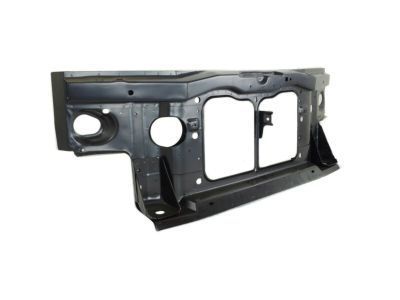
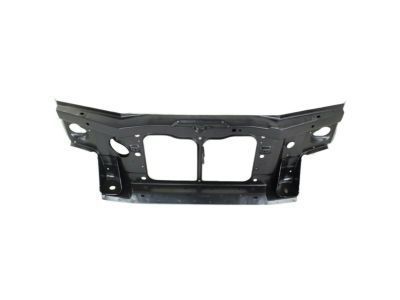
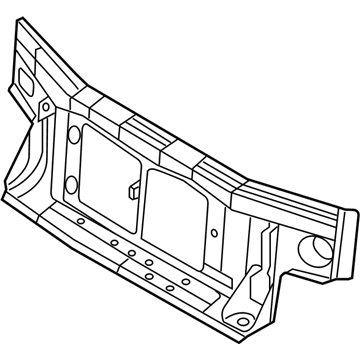
Mercury Radiator Support, Front Part Number: 6L2Z-16138-A
$185.17 MSRP: $269.53You Save: $84.36 (32%)Ships in 1-3 Business DaysProduct Specifications- Other Name: Support - Radiator; Radiator Support Panel, Front
- Position: Front
- Replaces: 6L2Z-16138-AA
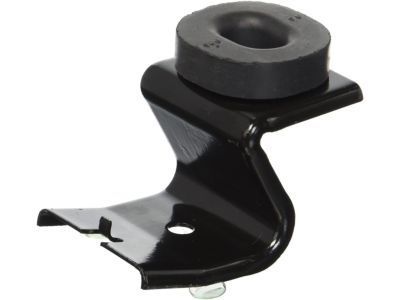

Mercury Radiator Support Bracket, Passenger Side Part Number: 4L2Z-8A193-AA
$13.78 MSRP: $18.75You Save: $4.97 (27%)Product Specifications- Other Name: Bracket; Radiator Support Bracket, Right; Upper Bracket
- Position: Passenger Side
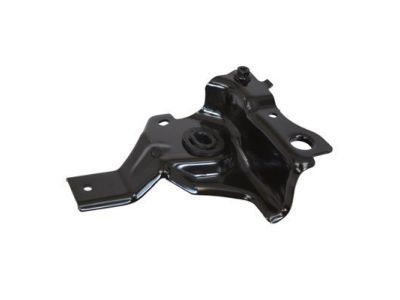
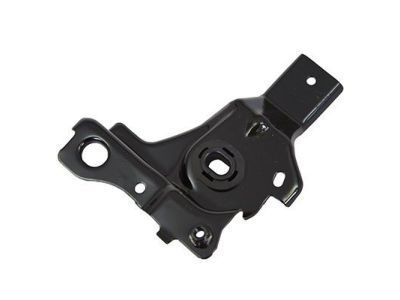
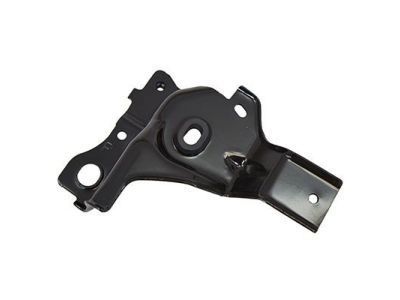
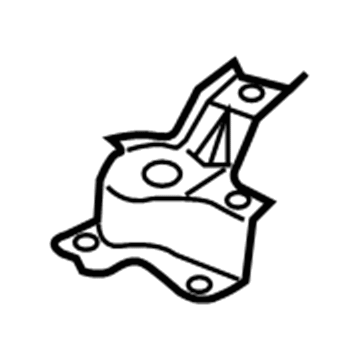
Mercury Upper Tie Bar Support, Passenger Side Part Number: 5L8Z-8B068-AA
$21.06 MSRP: $28.66You Save: $7.60 (27%)Product Specifications- Other Name: Support - Radiator; Radiator Support Tie Bar Bracket, Right; Radiator Support Bracket, Right; Support
- Position: Passenger Side
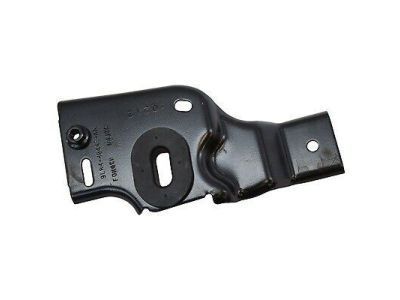
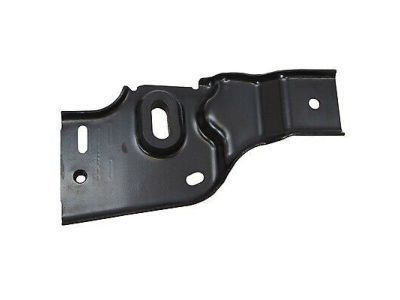
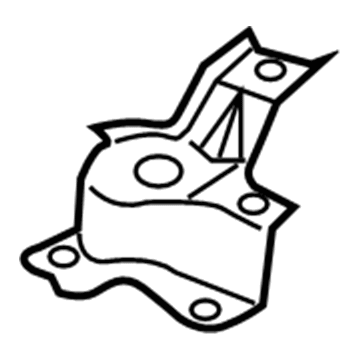
Mercury Upper Tie Bar Support, Driver Side Part Number: 9L8Z-8B068-B
$29.83 MSRP: $42.32You Save: $12.49 (30%)Ships in 1-2 Business DaysProduct Specifications- Other Name: Support - Radiator; Left Upper Tie Bar Bracket; Left Upper Support Bracket.
- Position: Driver Side
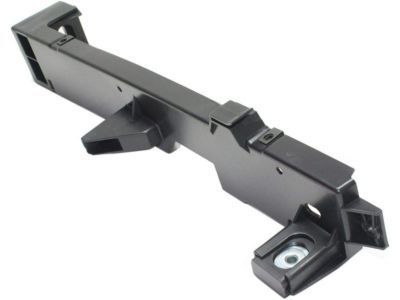
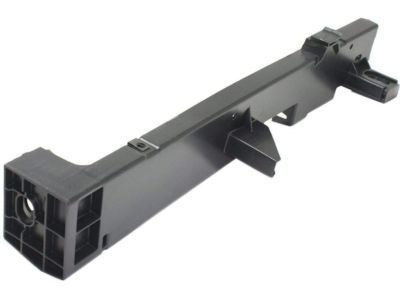
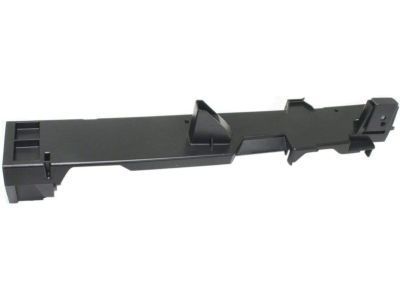
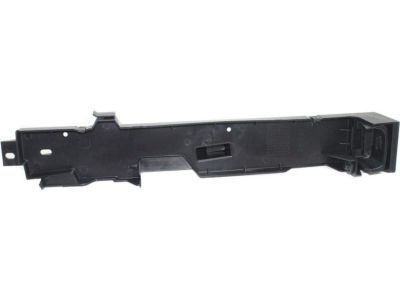
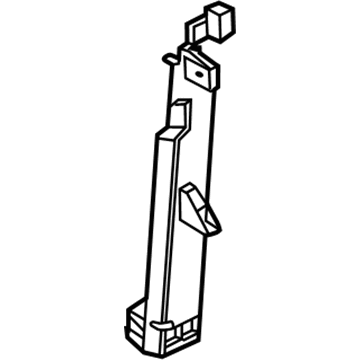
Mercury Side Support, Front Passenger Side Part Number: 6L2Z-16152-AA
$101.13 MSRP: $147.20You Save: $46.07 (32%)Ships in 1-2 Business DaysProduct Specifications- Other Name: Support - Radiator; Radiator Support Side Panel, Front Right
- Position: Passenger Side
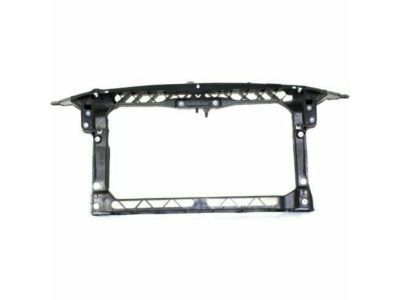
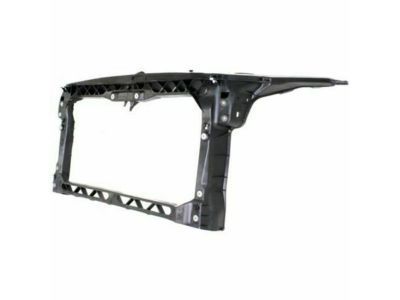
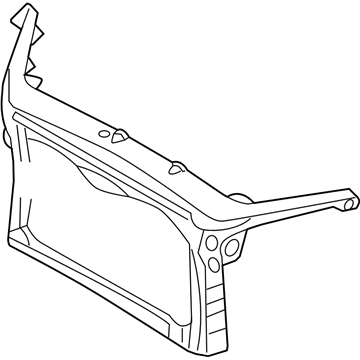
Mercury Radiator Support, Front Part Number: 6E5Z-16138-A
$133.00 MSRP: $193.60You Save: $60.60 (32%)Ships in 1-3 Business DaysProduct Specifications- Other Name: Support; Radiator Support Panel, Front
- Position: Front
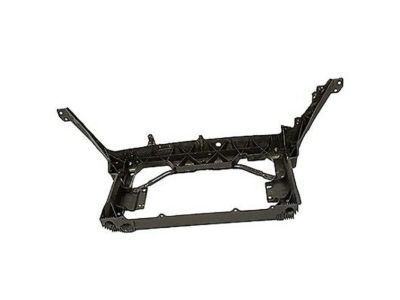
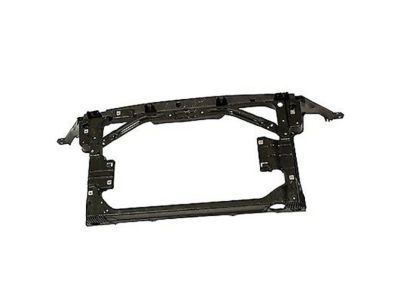
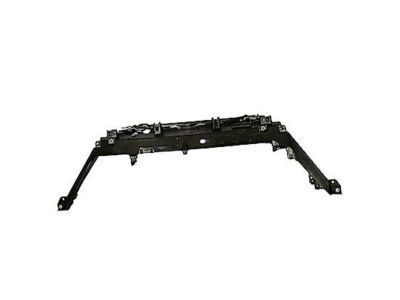
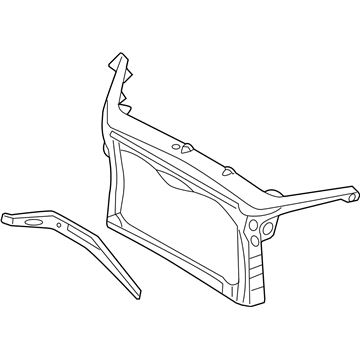
Mercury Radiator Support, Front Part Number: AE5Z-16138-B
$198.29 MSRP: $288.63You Save: $90.34 (32%)Product Specifications- Other Name: Front End Assembly; Radiator Support Panel, Front
- Position: Front
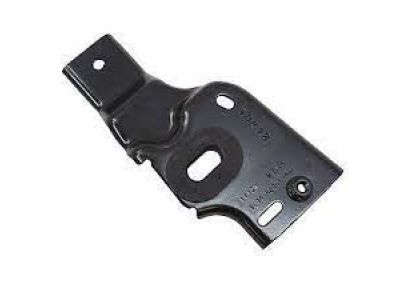
Mercury Upper Tie Bar Support, Passenger Side Part Number: 9L8Z-8B068-A
$23.67 MSRP: $34.45You Save: $10.78 (32%)Ships in 1-2 Business DaysProduct Specifications- Other Name: Support - Radiator; Right Upper Tie Bar Bracket; Right Upper Support Bracket.
- Position: Passenger Side
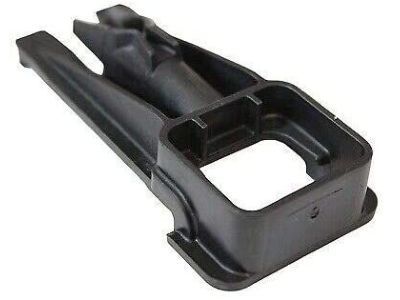
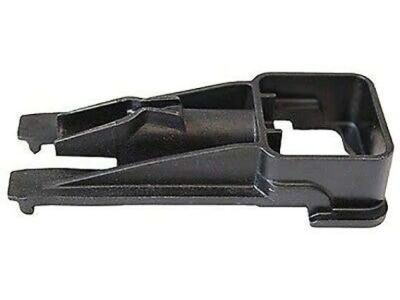

Mercury Radiator Upper Bracket Part Number: 6E5Z-8A193-A
$20.03 MSRP: $28.42You Save: $8.39 (30%)Ships in 1-2 Business DaysProduct Specifications- Other Name: Bracket - Radiator Upper; Radiator Mount Bracket
- Manufacturer Note: RH/LH
- Position: Upper
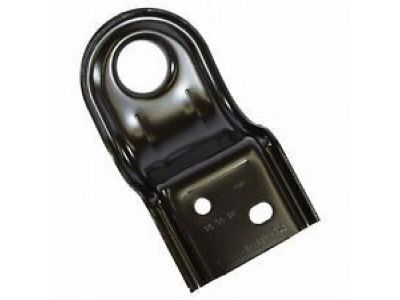

Mercury Radiator Bracket, Upper Part Number: 5F9Z-8A193-AA
$13.78 MSRP: $18.75You Save: $4.97 (27%)Product Specifications- Other Name: Bracket - Radiator Upper; Radiator Mount Bracket
- Manufacturer Note: RH/LH
- Position: Upper
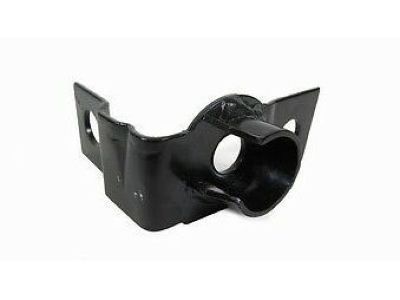

Mercury Radiator Mount Bracket, Driver Side Part Number: 2F1Z-8B068-BA
$13.78 MSRP: $18.75You Save: $4.97 (27%)Product Specifications- Other Name: Support - Radiator; Radiator Mount Bracket, Left; Radiator Mount
- Position: Driver Side
Mercury Radiator Support Bracket, Driver Side Part Number: 4L2Z-8A193-BA
$13.78 MSRP: $18.75You Save: $4.97 (27%)Product Specifications- Other Name: Bracket; Radiator Support Bracket, Left; Upper Bracket
- Position: Driver Side
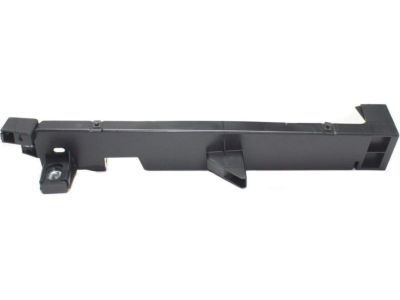
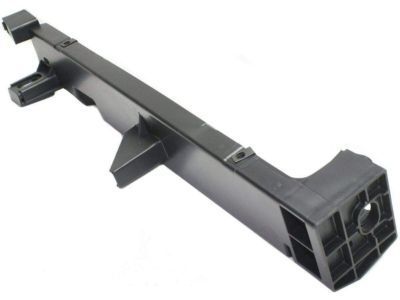
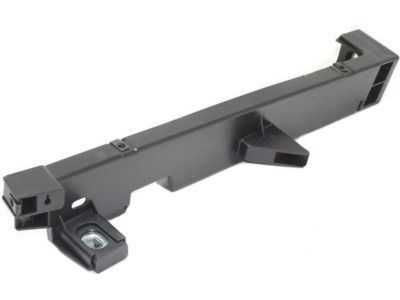
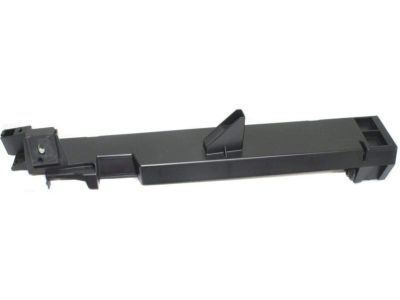
Mercury Side Support, Front Driver Side Part Number: 6L2Z-16153-AA
$125.74 MSRP: $183.03You Save: $57.29 (32%)Product Specifications- Other Name: Support - Radiator; Radiator Support Side Panel, Front Left
- Manufacturer Note: (CP) Designates Crash Part - When Ordering Please Refer To Crash Part Truckload Program Guidelines
- Position: Driver Side
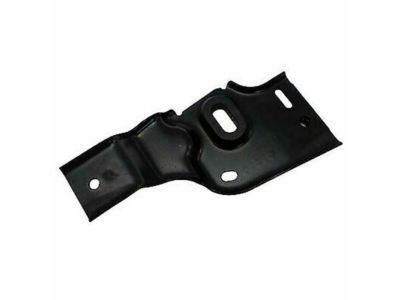
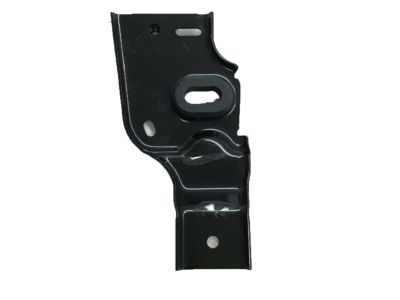 Product Specifications
- Other Name: Support - Radiator; Radiator Support Bracket, Right, Right Upper
- Position: Passenger Side
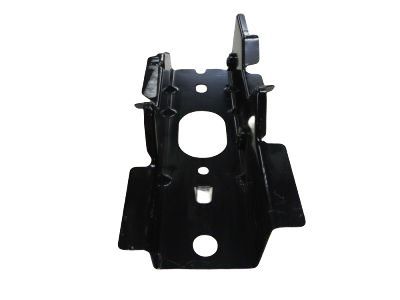
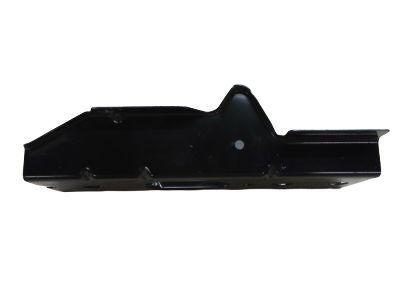

 Product Specifications
- Other Name: Support - Radiator; Frame Side Member Reinforcement Bracket, Front Left Inner
- Manufacturer Note: Bracket
- Position: Driver Side
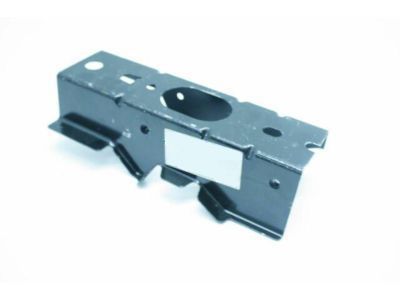 Product Specifications
- Other Name: Support - Radiator; Frame Side Member Reinforcement Bracket, Front Right Inner
- Manufacturer Note: Bracket
- Position: Passenger Side
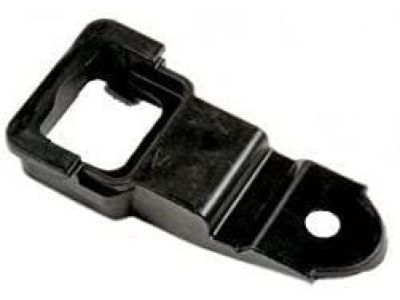

Mercury Radiator Upper Bracket Part Number: AE5Z-8A193-A
$10.75 MSRP: $15.25You Save: $4.50 (30%)Product Specifications- Other Name: Bracket - Radiator Upper
- Manufacturer Note: RH/LH
- Position: Upper
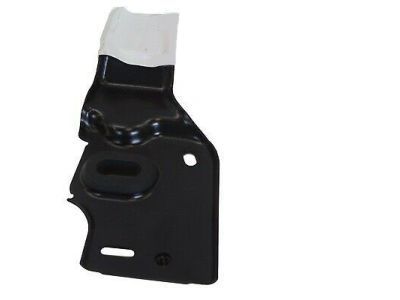
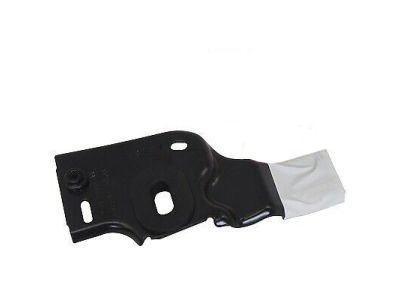
Mercury Upper Tie Bar Support, Driver Side Part Number: 8L8Z-8B068-B
Product Specifications- Other Name: Support - Radiator; Radiator Support Bracket, Left, Left Upper
- Position: Driver Side
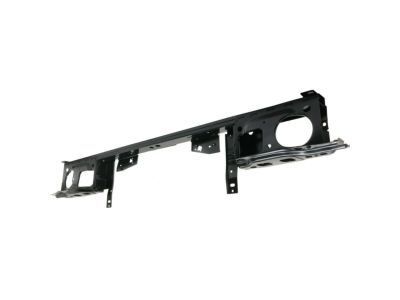
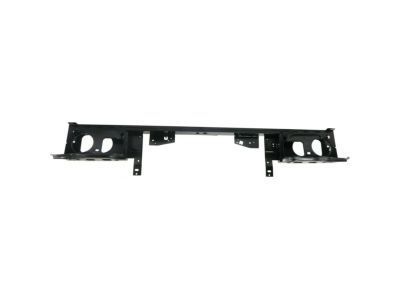
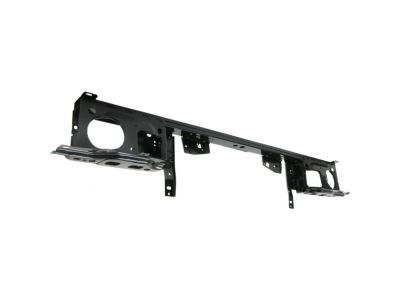
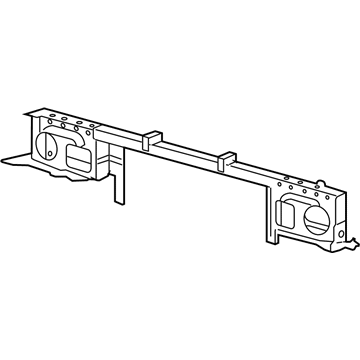
Mercury Radiator Support, Front Part Number: 6W7Z-16138-A
Product Specifications- Other Name: Support - Radiator; Radiator Support Panel, Front
- Manufacturer Note: Radiator Support
- Position: Front
- Replaces: 5W7Z-16138-AA
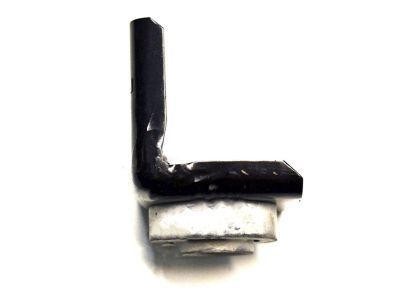 Product Specifications
- Other Name: Support - Radiator; Radiator Mount Bracket, Right; Radiator Mount
- Position: Passenger Side
| Page 1 of 4 |Next >
1-20 of 78 Results
Mercury Radiator Support
If you own Mercury and want to keep it in top shape, choosing OEM Radiator Support is a smart move. They are precisely engineered and follow strict factory standards. They are made in advanced facilities that use cutting edge technology. Each part goes through thorough testing to confirm strength and safety, so you can trust it. FordPartsDeal.com gives you genuine Mercury Radiator Support at some of the affordable online prices without cutting quality. Every OEM Mercury part includes the manufacturer's warranty, easy returns, and super-fast delivery. So why wait? Shop now and get your vehicle back to peak condition.
Mercury Radiator Support ensures that the radiator is held in position to make the cooling remain acute even after many miles. Mercury had been developed out of its 1938 birth into a name that had well-known fair rides, roomy cabins, and vivacious flair. The showrooms featured lush suspensions that absorbed blown-out pavements and sharp lines on the body that made eyes stick at red lights. Mercury was also pursuing silent strength, and the steering felt light but very accurate on highways on weekends. Price equilibrium will allow families to acquire luxury without depleting wallets and the badge may become a combination of fun and functionality. Over decades, cabins were refined by Mercury, rattles were removed, and controls were improved such that even late models continued to be fresh on long trips. The difference was felt when the doors thunked shut by the drivers. It supports the radiator, condenser, and headlight mounts are joined together in a single rigid frame that will not vibrate at any speed. Radiator Support is made of stamped steel or shaped plastic and attaches to the upper rails and side aprons on any Mercury to ensure that the flow of coolant is not interrupted. Radiator Support also maintains the position of the hoods and the fenders so that the panels do not chafe and the grille does not lose its upright position. When Radiator Support bends due to a front knock, the cooling will be lost quickly and before the gauge moves upwards, the engine can also overheat.
Mercury Radiator Support Parts and Q&A
- Q:How to service and repair the body support for the radiator support on Mercury Mountaineer?A:Service or repair work on the radiator support body starts along with the elimination of the body mount insulator nut inside the engine space where you also discard the backing plate and nut. The procedure requires eliminating the lower radiator body mount through the removal of its lower body mount bolt before removing the lower body mount itself. Rise the vehicle body slowly to uninstall the upper radiator body mount insulator. The installation of new fasteners becomes necessary when any body support mounting fastener needs to be removed. All body insulator installations need to happen without the use of any lubricating products. The completion of this process requires following the opposite order of the removal steps.
Related Mercury Parts
 Mercury Water Pump
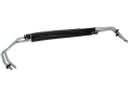 Mercury Automatic Transmission Oil Cooler Line
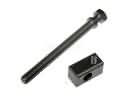 Mercury Belt Tensioner Bolt
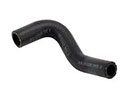 Mercury Cooling Hose
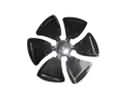 Mercury Fan Blade
 Mercury Fan Clutch
 Mercury Fan Shroud
 Mercury Radiator Hose
 Mercury Thermostat Gasket
 Mercury Timing Belt Idler Pulley
 Mercury Transmission Oil Cooler
 Mercury Water Pump Pulley