FordParts
My Garage
My Account
Cart
OEM Ford Crankcase Breather Hose
Engine Crankcase Breather Hose- Select Vehicle by Model
- Select Vehicle by VIN
Select Vehicle by Model
orMake
Model
Year
Select Vehicle by VIN
For the most accurate results, select vehicle by your VIN (Vehicle Identification Number).
305 Crankcase Breather Hoses found
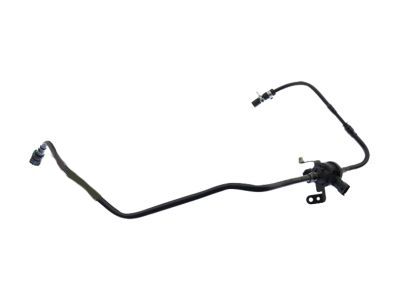
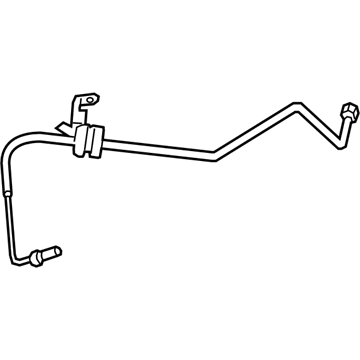
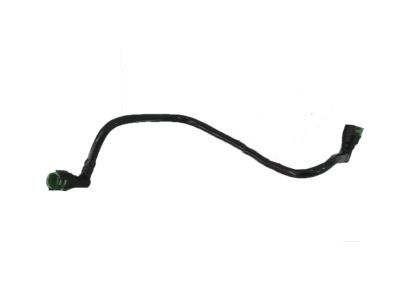
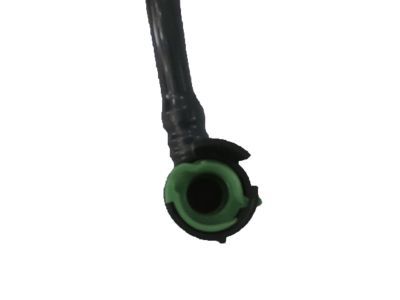
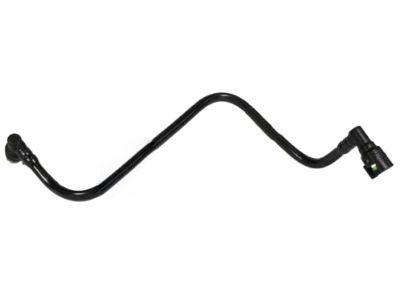
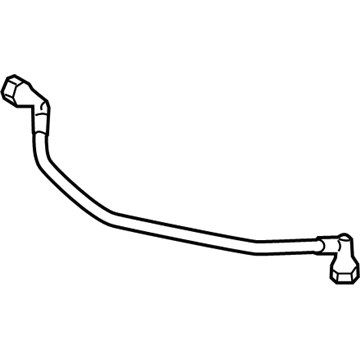
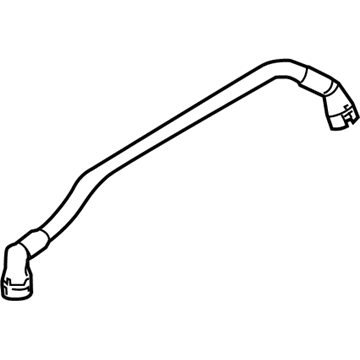
Ford Vent Tube Part Number: D2BZ-9C047-F
$90.11 MSRP: $143.09You Save: $52.98 (38%)Product Specifications- Other Name: Tube - Fuel Feed; Evaporative Emissions System Lines
- Replaces: D2BZ-9C047-B
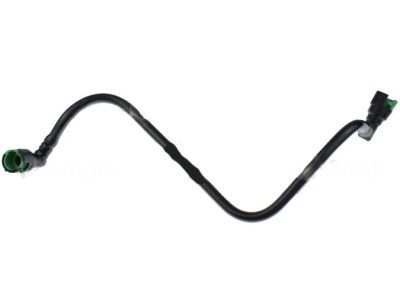
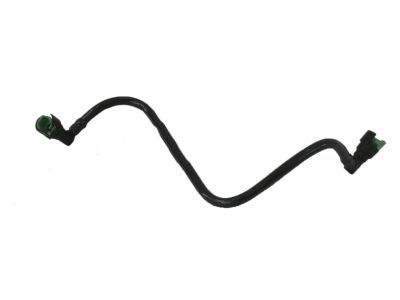
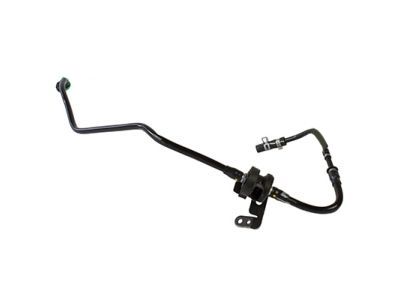
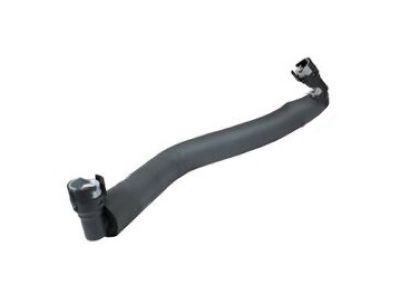
Ford Connector Tube Part Number: 3L3Z-6758-BA
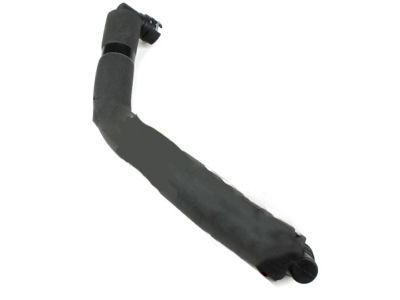
$38.45 MSRP: $55.00You Save: $16.55 (31%)Ships in 1-3 Business DaysProduct Specifications- Other Name: Tube Assembly; PCV Valve Hose; Engine Crankcase Breather; EGR Pressure Feedback; EGR Tube Connector; Emission Hose.; Crankcase Tube

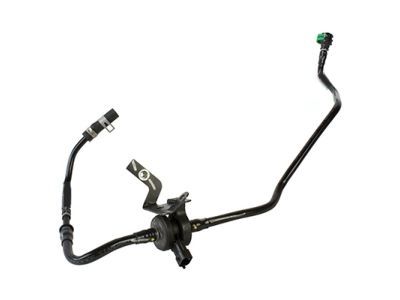
Ford PCV Valve Part Number: 3L3Z-6A664-AA
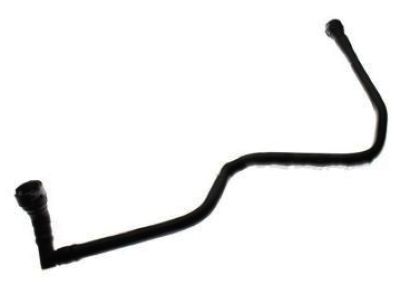
$99.56 MSRP: $150.17You Save: $50.61 (34%)Ships in 1-2 Business DaysProduct Specifications- Other Name: Hose - Vent; PCV Valve Hose; Engine Crankcase Breather Hose; Crankcase Vent Valve; Emission Hose; Hose & Tube Assembly
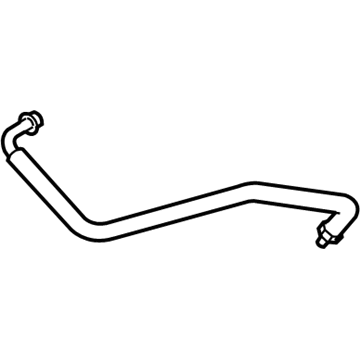
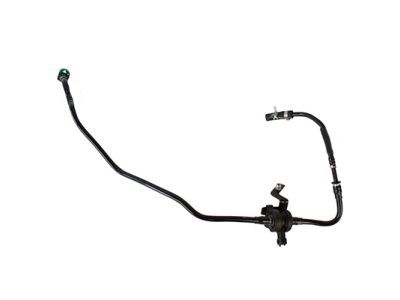
Ford Tube Assembly Part Number: 5R3Z-6758-A
$32.18 MSRP: $45.65You Save: $13.47 (30%)Product Specifications- Other Name: Exhaust Gas Recirculation (EGR) Tube; EGR Tube
- Replaces: 5R3Z-6758-BA
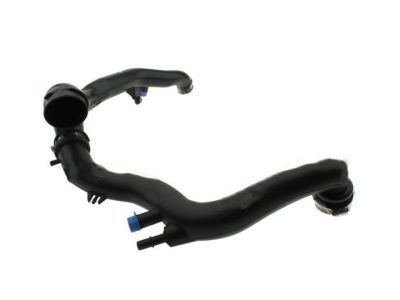
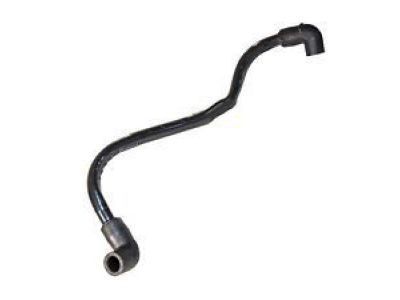
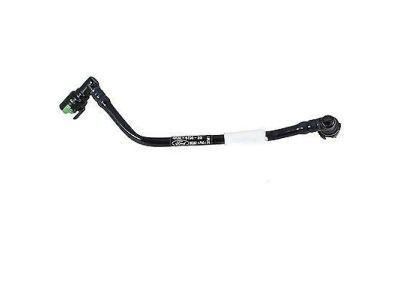
Ford Vent Tube Part Number: GB5Z-6758-C
$66.07 MSRP: $96.17You Save: $30.10 (32%)Product Specifications- Other Name: Tube Assembly; PCV Valve Hose; EGR Pressure Feedback Hose; Hose
- Manufacturer Note: Includes Sensor
- Replaces: GB5Z-6758-A
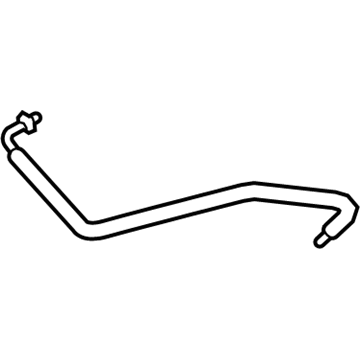
Ford Tube Assembly Part Number: 4R3Z-6758-BA
$27.53 MSRP: $39.05You Save: $11.52 (30%)Ships in 1-3 Business DaysProduct Specifications- Other Name: Exhaust Gas Recirculation (EGR) Tube; EGR Tube
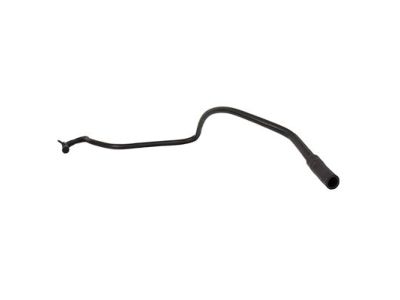
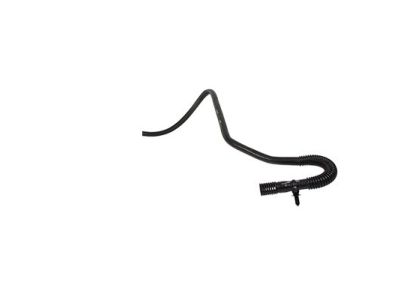
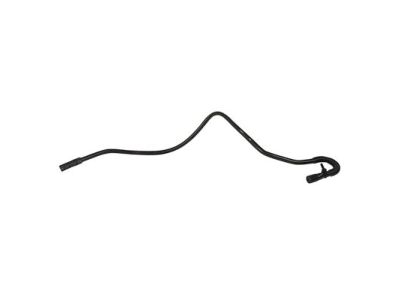
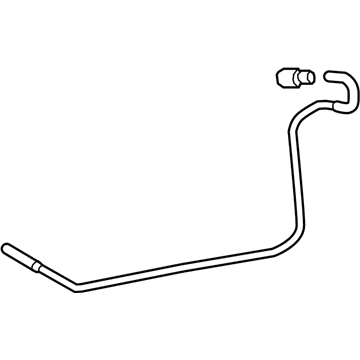
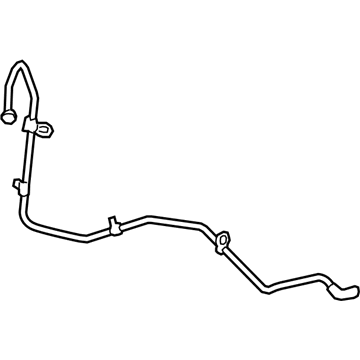
Ford Vapor Hose Part Number: D2BZ-9G297-A
$57.05 MSRP: $95.60You Save: $38.55 (41%)Ships in 1-3 Business DaysProduct Specifications- Other Name: Hose - Fuel Vapour; Evaporative Emissions System Lines
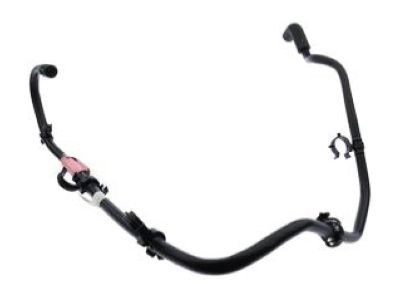
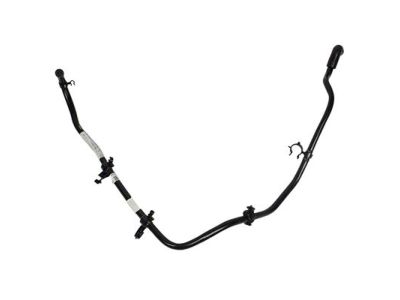
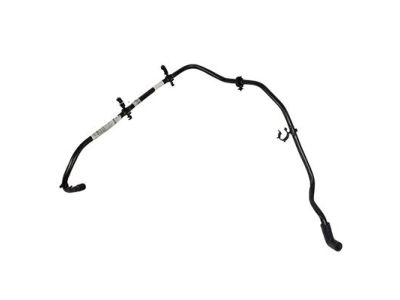
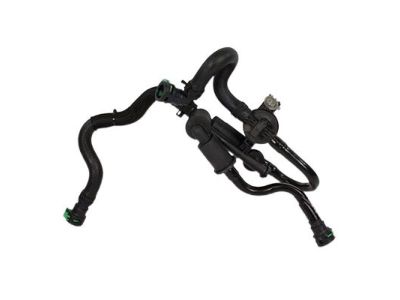
Ford Vapor Hose Part Number: CV6Z-9G271-A
$84.58 MSRP: $142.00You Save: $57.42 (41%)Ships in 1-2 Business DaysProduct Specifications- Other Name: Hose - Connecting; Evaporative Emissions System Lines; PCV Valve Hose; EGR Tube; Tube
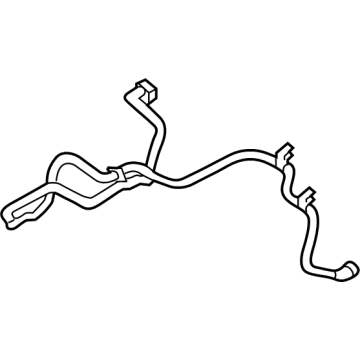
Ford Vapor Hose Part Number: HL3Z-9G297-A
$128.47 MSRP: $204.00You Save: $75.53 (38%)Ships in 1-3 Business DaysProduct Specifications- Other Name: Hose - Fuel Vapour; Evaporative Emissions System Lines
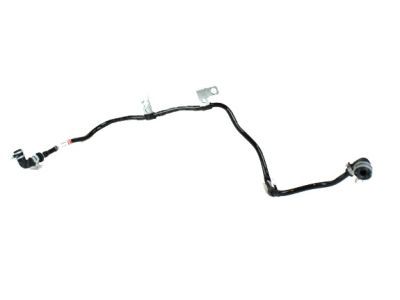
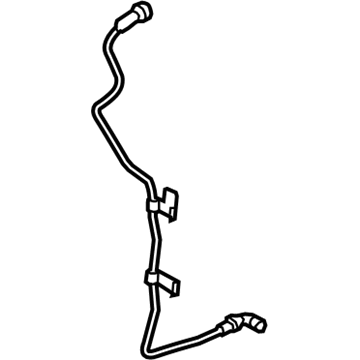
Ford Crankcase Tube Part Number: 8C3Z-6A664-B
$55.80 MSRP: $91.82You Save: $36.02 (40%)Ships in 1 Business DayProduct Specifications- Other Name: Hose - Connecting; PCV Valve Hose; Engine Crankcase Breather Hose; Crankcase Breather Hose; Emission Hose; Hose & Tube Assembly
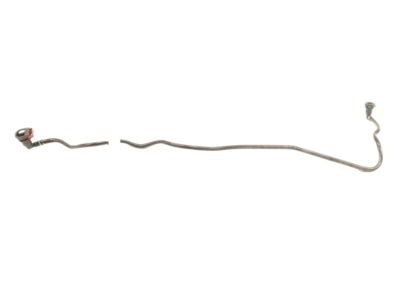
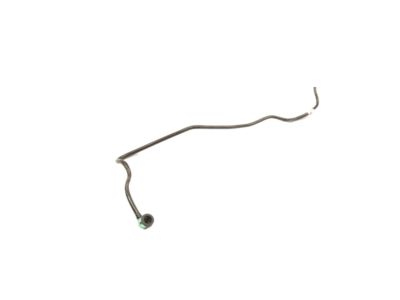
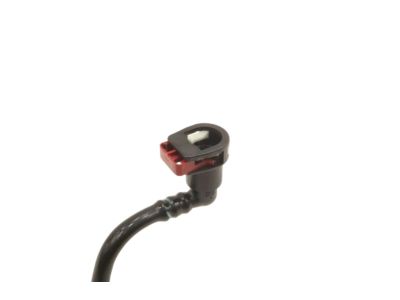
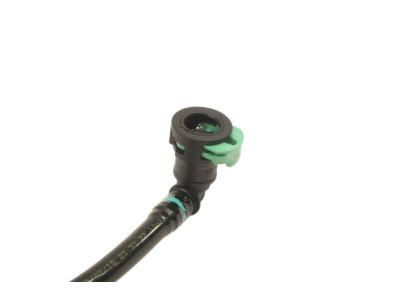
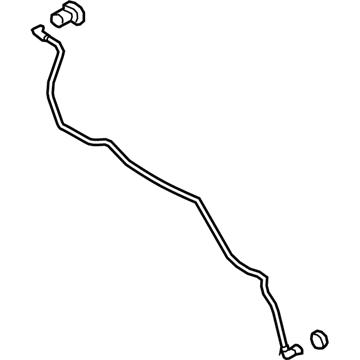
Ford Hose Assembly Part Number: CV6Z-9D667-B
$53.40 MSRP: $84.80You Save: $31.40 (38%)Ships in 1-2 Business DaysProduct Specifications- Other Name: Tube Assembly; Evaporative Emissions System Lines; PCV Valve Hose; EGR Tube; Vapor Hose; Tube
- Replaces: CV6Z-9D667-A
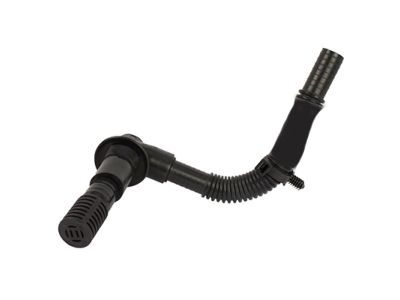
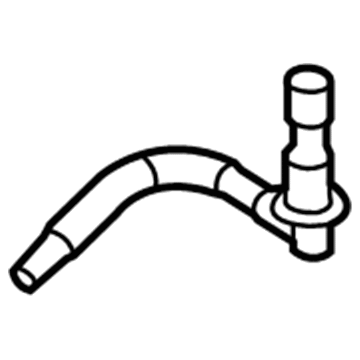
Ford Connector Hose Part Number: DA8Z-9S321-A
$62.17 MSRP: $98.73You Save: $36.56 (38%)Ships in 1-3 Business DaysProduct Specifications- Other Name: Tube - Fuel Vapor; Evaporative Emissions System Adapter; EGR Pressure Hose; PCV Valve Hose
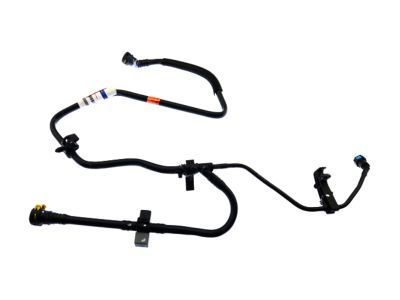
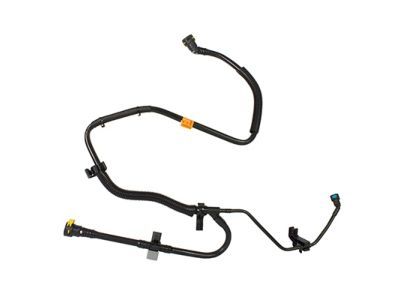
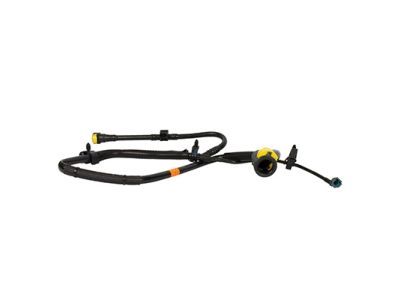
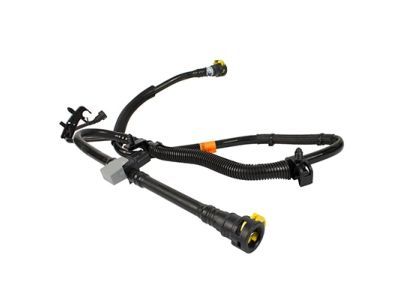
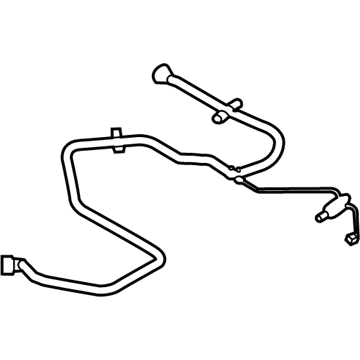
Ford Connector Hose Part Number: F2GZ-9D683-A
$152.29 MSRP: $241.82You Save: $89.53 (38%)Ships in 1-3 Business DaysProduct Specifications- Other Name: Tube Assembly - Fuel; Evaporative Emissions System Lines
- Manufacturer Note: Part Includes 9C052 Pressure Transducer
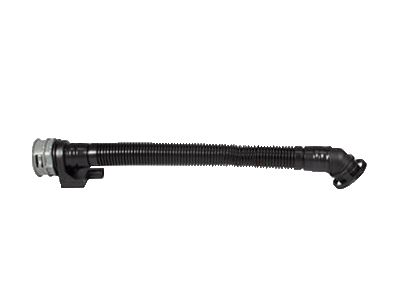
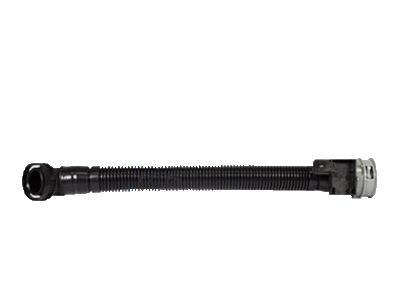
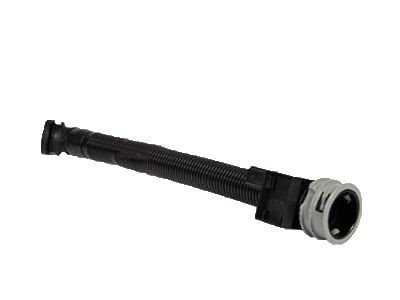
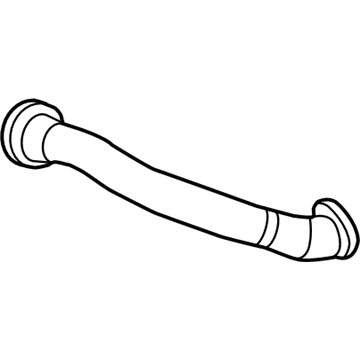
Ford Crankcase Tube Part Number: BC3Z-6A664-C
$65.62 MSRP: $133.33You Save: $67.71 (51%)Ships in 1 Business DayProduct Specifications- Other Name: Hose - Vent; PCV Valve Hose; Engine Crankcase Breather Hose; Crankcase Breather Hose; Emission Hose
- Replaces: BC3Z-6A664-B, BC3Z-6A664-A, KCV-254, KCV-260
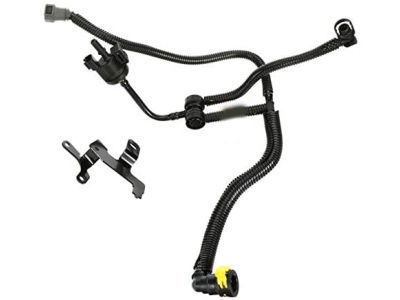
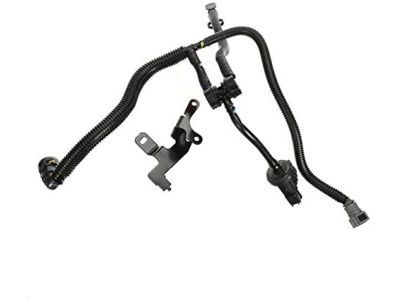
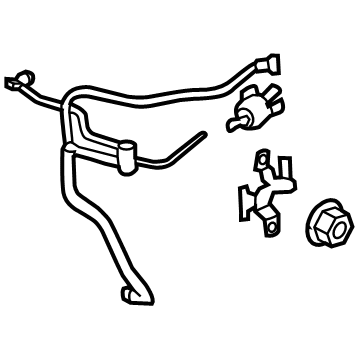
Ford Hose Assembly Part Number: DG9Z-9D289-S
$125.95 MSRP: $183.33You Save: $57.38 (32%)Ships in 1-2 Business DaysProduct Specifications- Other Name: Tube Assembly - Fuel Vapour Separator; Evaporative Emissions System Lines; PCV Valve Hose
- Replaces: DG9Z-9D289-B, DG9Z-9D289-G
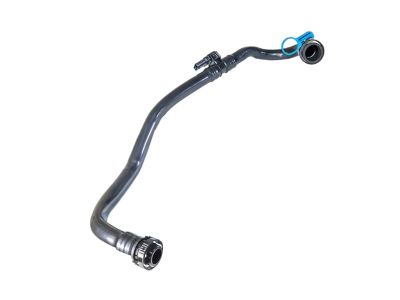
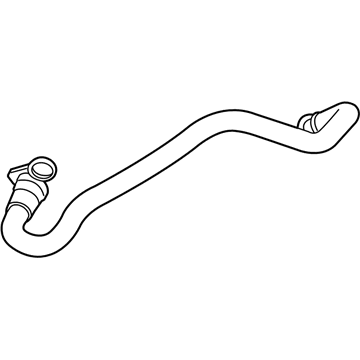
Ford Crankcase Tube, Lower Part Number: HS7Z-6A664-C
$138.94 MSRP: $255.00You Save: $116.06 (46%)Ships in 1-2 Business DaysProduct Specifications- Other Name: Tube - Breather; PCV Valve Hose, Lower; Engine Crankcase Breather Hose; Emission Hose
- Position: Lower
- Replaces: HS7Z-6A664-A, HS7Z-6A664-B, KCV-291, KCV-307
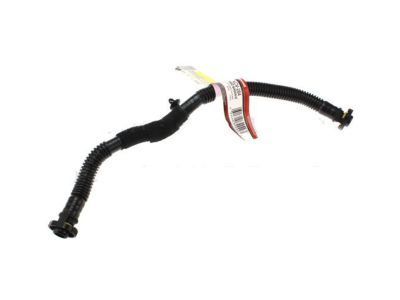
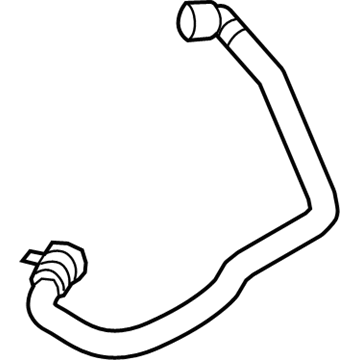
Ford PCV Hose, Front Part Number: BM5Z-6A664-H
$53.12 MSRP: $92.50You Save: $39.38 (43%)Ships in 1-2 Business DaysProduct Specifications- Other Name: Hose - Vent; PCV Valve Hose, Front, Upper; Engine Crankcase Breather Hose; Crankcase Breather Hose; Emission Hose
- Position: Front
- Replaces: BM5Z-6A664-G, BM5Z-6A664-B, BM5Z-6A664-C, KCV-264, KCV-279, KCV-269
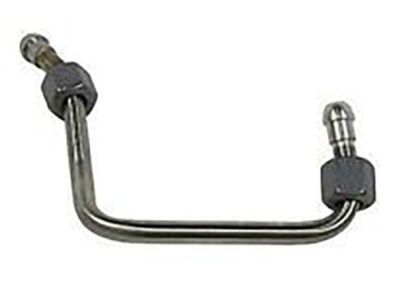
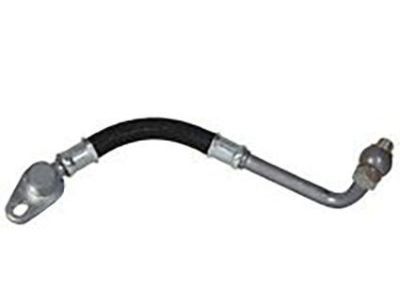
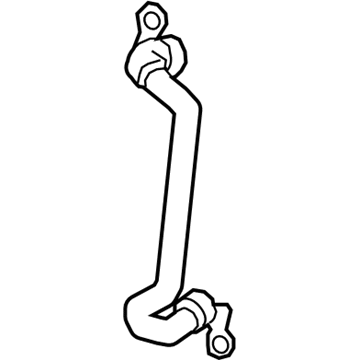
Ford Air Tube Part Number: BM5Z-6758-C
$52.52 MSRP: $78.65You Save: $26.13 (34%)Product Specifications- Other Name: Tube Assembly; Exhaust Gas Recirculation (EGR) Tube; PCV Valve Hose; EGR Tube; Connector Pipe; Tube
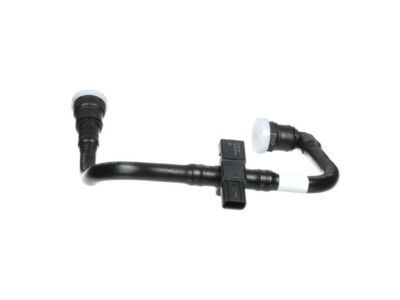
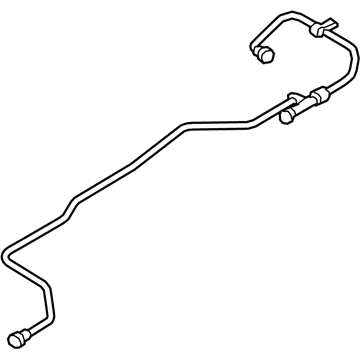
Ford Connector Hose Part Number: FL3Z-9C015-B
$274.67 MSRP: $514.89You Save: $240.22 (47%)Product Specifications- Other Name: Hose - Connecting; Evaporative Emissions System Lines; EGR Pressure Feedback Hose; PCV Valve Hose; Vapor Hose
- Manufacturer Note: Part Includes 9C052 Pressure Transducer
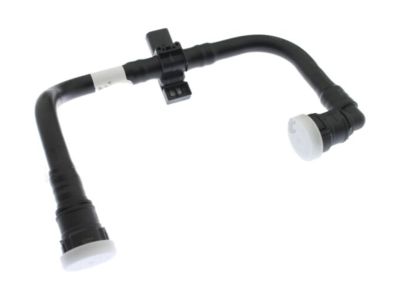
Ford Connector Tube Part Number: FL3Z-9C015-A
$274.67 MSRP: $514.89You Save: $240.22 (47%)Product Specifications- Other Name: Hose - Connecting; Evaporative Emissions System Lines; Vapor Hose
- Manufacturer Note: Part Includes 9C052 Pressure Transducer
| Page 1 of 16 |Next >
1-20 of 305 Results
Ford Crankcase Breather Hose
If you own Ford and want to keep it in top shape, choosing OEM Crankcase Breather Hose is a smart move. They are precisely engineered and follow strict factory standards. They are made in advanced facilities that use cutting edge technology. Each part goes through thorough testing to confirm strength and safety, so you can trust it. FordPartsDeal.com gives you genuine Ford Crankcase Breather Hose at some of the affordable online prices without cutting quality. Every OEM Ford part includes the manufacturer's warranty, easy returns, and super-fast delivery. So why wait? Shop now and get your vehicle back to peak condition.
The Ford Crankcase Breather Hose pathways redirects the blow-by gases to the intake to allow the engine to be able to breathe comfortably and the pressure does not soar high. The Ford has been associated with a better car that is enhanced with ideas that make it better since Henry Ford placed the Model T on an assembly line in 1913. Ford company today matches punchy EcoBoost engines to SYNC voice control, which allows drivers to select songs and directions without pressing the buttons. It is fitted with Co-Pilot360 safety features that steer the wheel in case you fall asleep and hits the brakes in case traffic halts. F-150 Lightning battery powered trucks demonstrate the ability of the automaker to incorporate toughness and zero-emission drive trains. That entire innovation makes owning a Ford secure, intelligent, and entertaining and lowers fuel standards and fumes. A Crankcase Breather Hose is a tube, made of plastic material, which conveys crankcase vapor to the intake, reducing emissions and preventing oily mist. To install, park on a flat surface, lower the parking brake, allow the engine to cool, and unhook the negative battery cable. Follow the Crankcase Breather Hose between valve cover and intake or PCV port, record its route with a photo, squeeze the clamps, twist, and remove the old hose and clean the fittings. Install the fresh Crankcase Breather Hose until it slides into the position on the sensor and the battery, reattach the sensors and battery, start the engine, and listen repeatedly to the engine to check that there are no leaks or hisses, and then take a brief test drive to ensure that the engine idles smoothly.
Related Ford Parts
 Ford Catalytic Converter
 Ford Canister Purge Valve
 Ford Exhaust Pipe
 Ford Muffler
 Ford Exhaust Manifold
 Ford Exhaust Manifold Gasket
 Ford EGR Valve Position Sensor
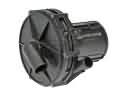 Ford Air Injection Pump
 Ford EGR Valve Gasket
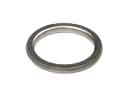 Ford Exhaust Flange Gasket
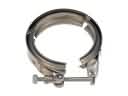 Ford Exhaust Manifold Clamp
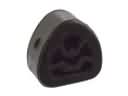 Ford Muffler Strap
Browse Ford Crankcase Breather Hose by Models
Ranger Bronco Mustang Explorer Focus Fusion F-150 Maverick Escape Edge Expedition Fiesta Taurus Thunderbird Flex Transit Connect Bronco Sport Explorer Sport Trac Crown Victoria EcoSport Escort C-Max Police Interceptor Utility Taurus X Windstar F-350 Super Duty Police Interceptor Sedan E-350 Super Duty F-250 Super Duty Police Responder Hybrid Special Service Police Sedan SSV Plug-In Hybrid Transit-150 Transit-250 Transit-350 Transit-350 HD