FordParts
My Garage
My Account
Cart
OEM Ford EGR Valve Gasket
Engine EGR Valve Gasket- Select Vehicle by Model
- Select Vehicle by VIN
Select Vehicle by Model
orMake
Model
Year
Select Vehicle by VIN
For the most accurate results, select vehicle by your VIN (Vehicle Identification Number).
42 EGR Valve Gaskets found
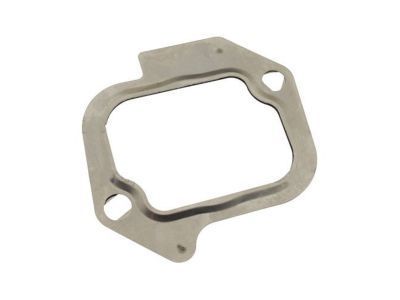

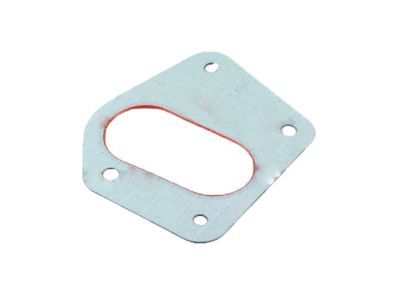
Ford EGR Tube Gasket, Upper Part Number: HC3Z-9D476-A
$9.29 MSRP: $14.75You Save: $5.46 (38%)Ships in 1 Business DayProduct Specifications- Other Name: Gasket; EGR Tube Gasket, Upper; EGR Valve Gasket; Seal Kit Gasket
- Position: Upper
- Replaces: CG-780, BC3Z-9D476-D
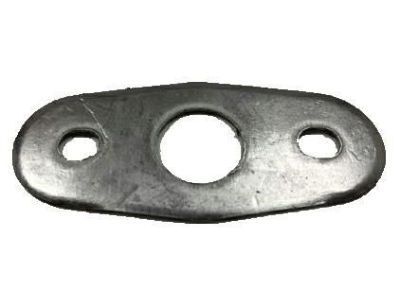

Ford Valve Gasket Part Number: E6AZ-9D476-B
$0.71 MSRP: $1.10You Save: $0.39 (36%)Ships in 1 Business DayProduct Specifications- Other Name: Gasket; Exhaust Gas Recirculation (EGR) Valve Gasket; EGR Valve Gasket; EGR Vacuum Control Gasket
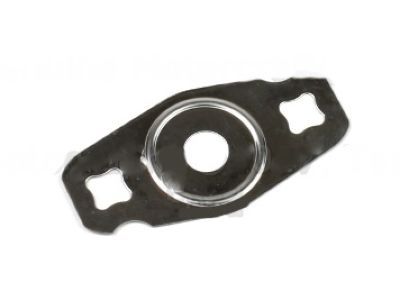
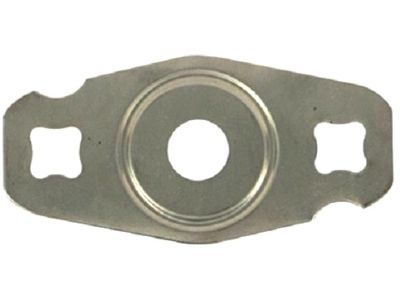

Ford Valve Gasket Part Number: 2W7Z-9D476-AA
$30.23 MSRP: $48.00You Save: $17.77 (38%)Ships in 1-2 Business DaysProduct Specifications- Other Name: Gasket; Exhaust Gas Recirculation (EGR) Valve Gasket; EGR Valve Gasket
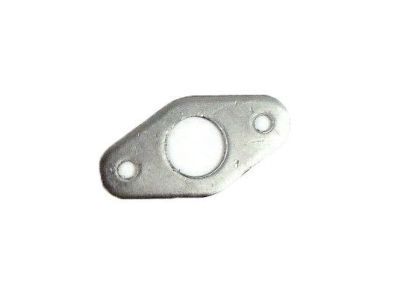
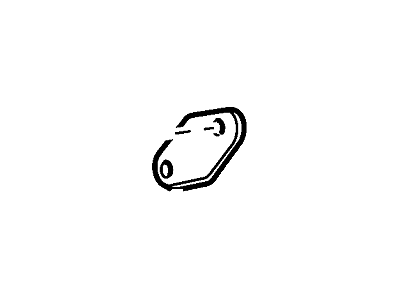
Ford Valve Gasket Part Number: F65Z-9D476-A
$3.23 MSRP: $5.13You Save: $1.90 (38%)Ships in 1-2 Business DaysProduct Specifications- Other Name: Gasket; EGR Valve Gasket
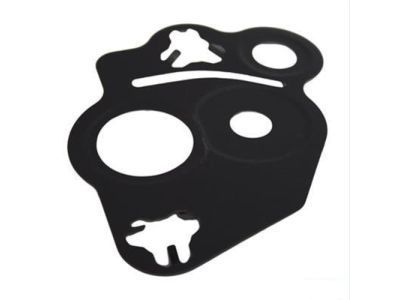
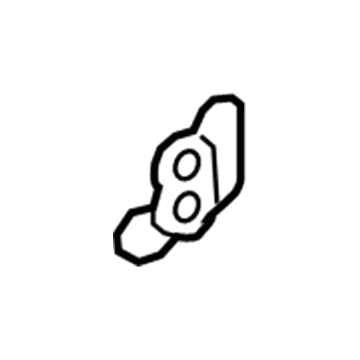
Ford Valve Gasket Part Number: 3S4Z-9D476-AD
$2.53 MSRP: $4.02You Save: $1.49 (38%)Ships in 1-2 Business DaysProduct Specifications- Other Name: Gasket; Exhaust Gas Recirculation (EGR) Valve Gasket; EGR Valve Gasket
- Replaces: 3S4Z-9D476-AA
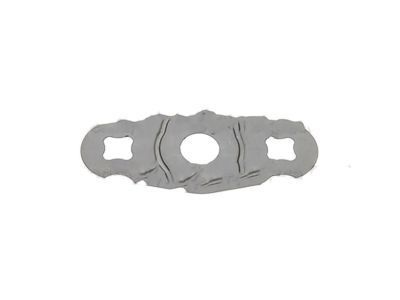
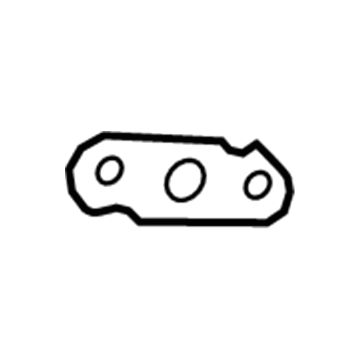
Ford Valve Gasket Part Number: 4G7Z-9D476-AA
$11.46 MSRP: $18.20You Save: $6.74 (38%)Ships in 1-2 Business DaysProduct Specifications- Other Name: Gasket; Exhaust Gas Recirculation (EGR) Valve Gasket; EGR Valve Gasket
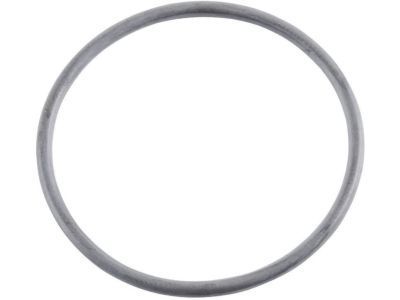
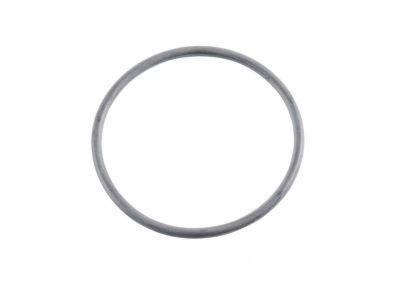

Ford Valve Gasket Part Number: 8C3Z-9D476-A
$17.63 MSRP: $28.00You Save: $10.37 (38%)Ships in 1 Business DayProduct Specifications- Other Name: Gasket; Exhaust Gas Recirculation (EGR) Valve Gasket; EGR Valve Gasket
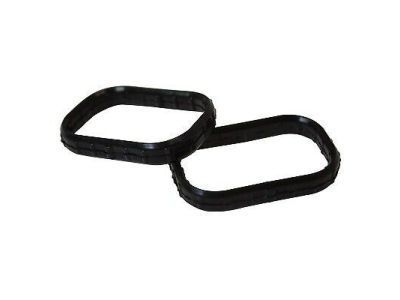
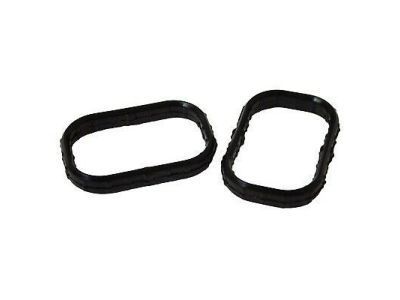

Ford Valve Cover Gasket, Center Part Number: BC3Z-9E464-C
$1.63 MSRP: $2.58You Save: $0.95 (37%)Ships in 1 Business DayProduct Specifications- Other Name: Gasket; EGR Cooler Gasket, Center; EGR Cooler Gasket, Lower; EGR Valve Gasket; Housing Gasket; Valve Cover Spacer
- Position: Center
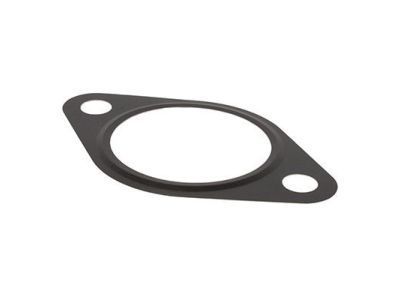
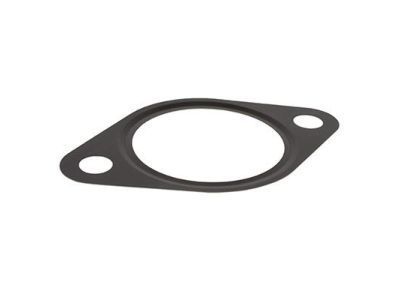
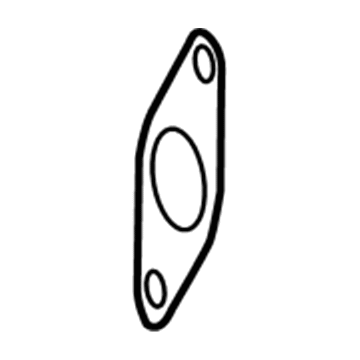
Ford EGR Tube Gasket Part Number: 6C1Z-9E464-A
$1.92 MSRP: $2.96You Save: $1.04 (36%)Ships in 1-3 Business DaysProduct Specifications- Other Name: Gasket; Exhaust Gas Recirculation (EGR) Valve Gasket; Exhaust Gas Recirculation (EGR) Tube Gasket
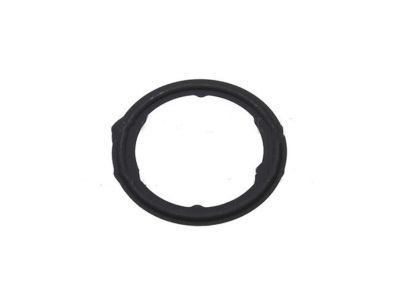
Ford EGR Cooler Gasket Part Number: CK4Z-9D476-A
$3.16 MSRP: $4.89You Save: $1.73 (36%)Ships in 1 Business DayProduct Specifications- Other Name: Gasket; Exhaust Gas Recirculation (EGR) Cooler Gasket; Exhaust Gas Recirculation (EGR) Valve Gasket
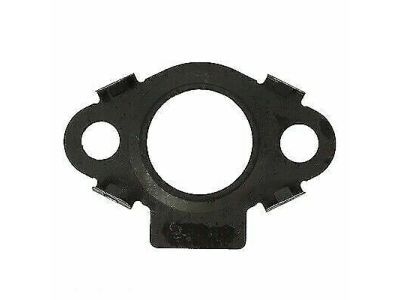
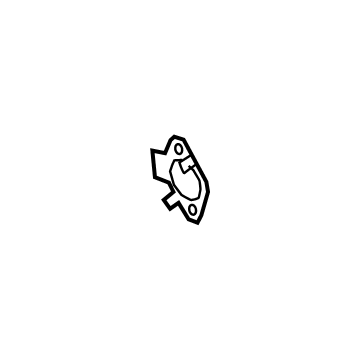
Ford Valve Gasket Part Number: JT4Z-9E464-B
$3.25 MSRP: $5.04You Save: $1.79 (36%)Ships in 1-3 Business DaysProduct Specifications- Other Name: Gasket; EGR Valve and Tube Gasket; EGR Pipe Gasket
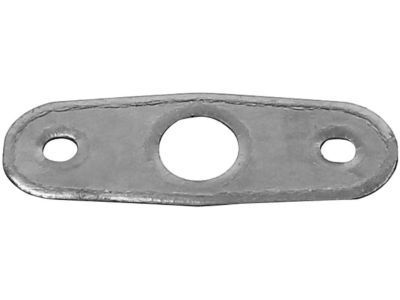
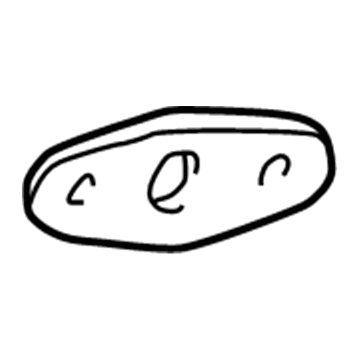
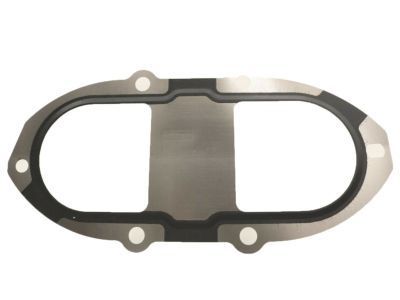
Ford Valve Gasket Part Number: F6TZ-9D476-DA
$5.86 MSRP: $9.31You Save: $3.45 (38%)Product Specifications- Other Name: Gasket; Exhaust Gas Recirculation (EGR) Valve Gasket; EGR Valve Gasket
Ford Housing Gasket, Rear Part Number: BC3Z-9D476-C
$6.10 MSRP: $9.44You Save: $3.34 (36%)Ships in 1 Business DayProduct Specifications- Other Name: Gasket; Exhaust Gas Recirculation (EGR) Cooler Gasket, Rear
- Position: Rear
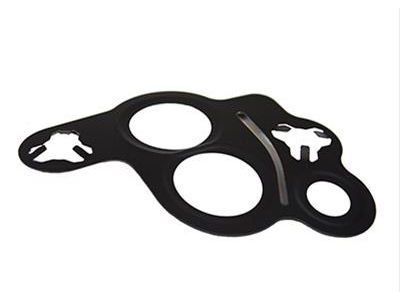
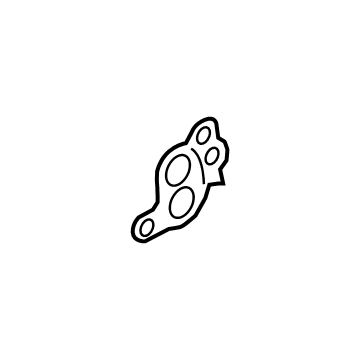
Ford Valve Gasket Part Number: 1S7Z-9D476-AA
$6.71 MSRP: $10.65You Save: $3.94 (37%)Ships in 1-2 Business DaysProduct Specifications- Other Name: Gasket; Exhaust Gas Recirculation (EGR) Valve Gasket; EGR Valve Gasket
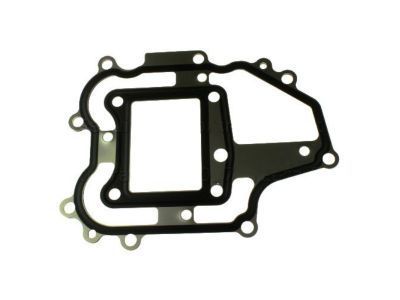

Ford Valve Gasket Part Number: BC3Z-9D476-B
$31.95 MSRP: $50.73You Save: $18.78 (38%)Ships in 1 Business DayProduct Specifications- Other Name: Gasket; Exhaust Gas Recirculation (EGR) Valve Gasket; EGR Valve Gasket; Control Valve Gasket
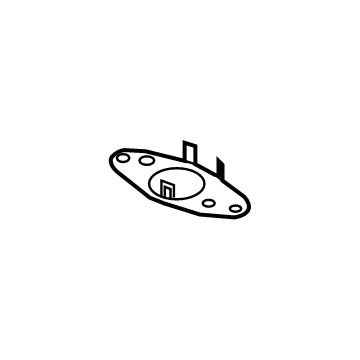
Ford Valve Gasket Part Number: JL3Z-9E464-F
$3.53 MSRP: $5.45You Save: $1.92 (36%)Ships in 1-3 Business DaysProduct Specifications- Other Name: Gasket; Exhaust Gas Recirculation (EGR) Tube Gasket; EGR Valve Gasket; EGR Tube Gasket; EGR Pipe Gasket; Inlet Tube Gasket
- Replaces: JL3Z-9E464-A

Ford Valve Gasket, Upper Part Number: JL3Z-9E464-C
$6.96 MSRP: $11.05You Save: $4.09 (38%)Ships in 1-3 Business DaysProduct Specifications- Other Name: Gasket; Exhaust Gas Recirculation (EGR) Tube Gasket, Upper; EGR Valve Gasket; EGR Tube Gasket
- Position: Upper
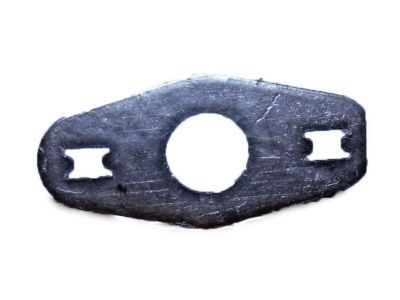
Ford EGR Vacuum Control Gasket Part Number: YF1Z-9D476-AA
Product Specifications- Other Name: Gasket; EGR Valve Gasket
- Manufacturer Note: Located between the EGR valve and the 9D477 EGR tube, 4 valve
- Replaces: F5DZ-9D476-AC
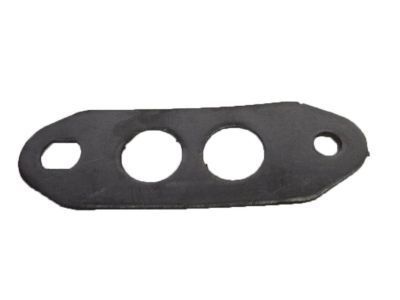
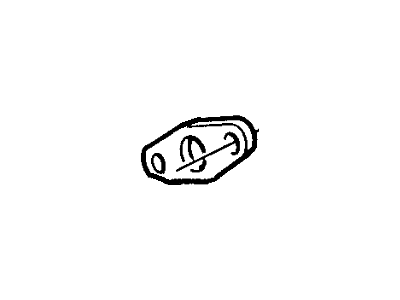
Ford Valve Gasket Part Number: E5DZ-9D476-A
Product Specifications- Other Name: Gasket; Exhaust Gas Recirculation (EGR) Valve Gasket; EGR Valve Gasket
Ford Drive Belt Gasket Part Number: 2R3Z-9L438-BA
Product Specifications- Other Name: Gasket
| Page 1 of 3 |Next >
1-20 of 42 Results
Ford EGR Valve Gasket
If you own Ford and want to keep it in top shape, choosing OEM EGR Valve Gasket is a smart move. They are precisely engineered and follow strict factory standards. They are made in advanced facilities that use cutting edge technology. Each part goes through thorough testing to confirm strength and safety, so you can trust it. FordPartsDeal.com gives you genuine Ford EGR Valve Gasket at some of the affordable online prices without cutting quality. Every OEM Ford part includes the manufacturer's warranty, easy returns, and super-fast delivery. So why wait? Shop now and get your vehicle back to peak condition.
The Ford EGR Valve Gasket closes the point of the EGR valve and the intake path to prevent leakage of hot gas through the gasket and to enable the engine to run cleaner. Ever since 1903 Ford has been on the edge of automotive innovation, including the moving assembly line that made cars affordable, the introduction of the EcoBoost engine that combines power and incredible fuel efficiency, and recently with electric vehicles such as the F-150 Lightning that produce no carbon dioxide emissions. Ford also equips cabins with SYNC voice control to make it easy to listen to music or get directions and Co-Pilot360 safety technology which monitors traffic and can even brake or steer to keep you safe as Ford combines innovation with everyday convenience. EGR Valve Gasket is a tiny heat resistant sheet in between the metallic surfaces whose purpose is to help prevent leaks of exhaust and direct a controlled amount of gasses back to the intake to reduce nitrogen oxide pollution and stabilize idle. To replace your EGR Valve Gasket in your Ford, you should allow the engine to cool, locate the EGR valve that is in the area of the intake manifold, strip the engine of any covers, unplug any of the vacuum or electrical lines and unbolt the valve. Peel off the old seal, scrap the two sides with carbon, and then peel off a new EGR Valve Gasket and insert it in the same position. Align the valve with the specifications evenly then reconnect the lines and empty out the codes, then start the engine and listen to the engine as it idles smoothly or with hissing sounds, tighten bolts once again, when you find it making a leak.
Related Ford Parts
 Ford PCV Valve
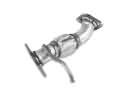 Ford Exhaust Pipe
 Ford Muffler
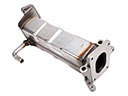 Ford EGR Cooler
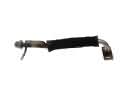 Ford EGR Tube
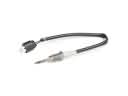 Ford Exhaust Gas Temperature Sensor
 Ford Vapor Canister
 Ford EGR Valve Position Sensor
 Ford Air Pump Check Valve
 Ford Catalytic Converter Gasket
 Ford Exhaust Flange Gasket
 Ford Tail Pipe
Browse Ford EGR Valve Gasket by Models
Ranger Bronco Mustang Explorer Focus Fusion F-150 Maverick Escape Edge Excursion Expedition Taurus Thunderbird Transit Connect Bronco Sport Explorer Sport Trac Probe Escort F-250 C-Max Contour Explorer Sport Five Hundred Freestar Freestyle Windstar F-350 Super Duty E-150 E-250 F-150 Heritage F-250 Super Duty Police Responder Hybrid SSV Plug-In Hybrid Transit-150 Transit-250 Transit-350 Transit-350 HD