FordParts
My Garage
My Account
Cart
OEM Ford E-150 Seat Belt
Seat Safety Belt- Select Vehicle by Model
- Select Vehicle by VIN
Select Vehicle by Model
orMake
Model
Year
Select Vehicle by VIN
For the most accurate results, select vehicle by your VIN (Vehicle Identification Number).
61 Seat Belts found
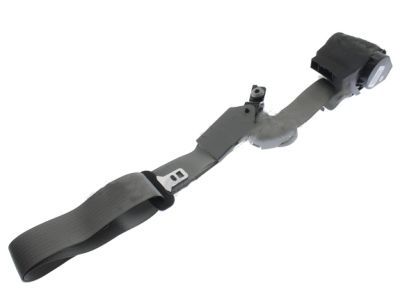
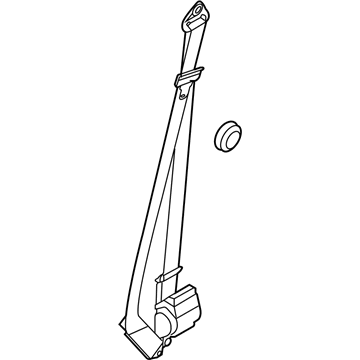
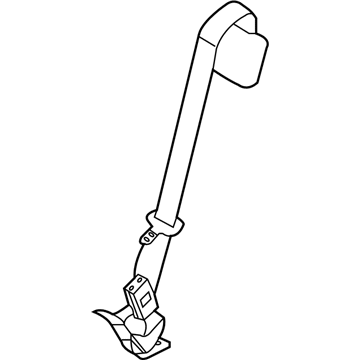
Ford E-150 Lap & Shoulder Belt, Front Passenger Side Part Number: HC2Z-15611B08-BA
$150.93 MSRP: $219.70You Save: $68.77 (32%)Ships in 1 Business Day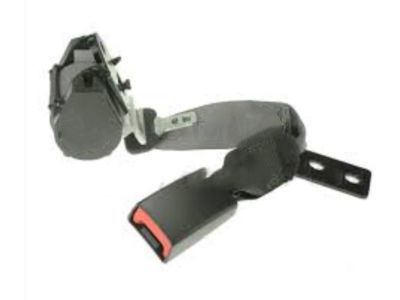
Ford E-150 Lap & Shoulder Belt, Rear Center Driver Side Part Number: 9C2Z-16611B64-AA
$215.12 MSRP: $315.88You Save: $100.76 (32%)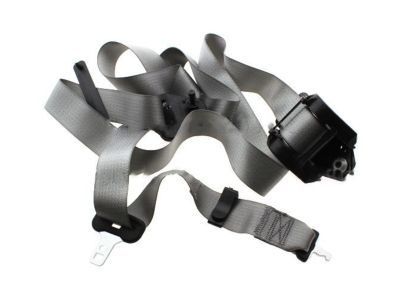
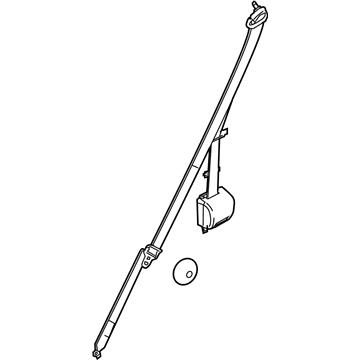
Ford E-150 Lap & Shoulder Belt, Center Outer Passenger Side Part Number: 9C2Z-16611B68-AA
$63.44 MSRP: $92.35You Save: $28.91 (32%)Ships in 1-2 Business Days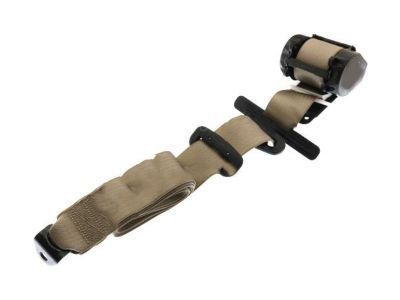
Ford E-150 Lap & Shoulder Belt, Rear Outer Passenger Side Part Number: 9C2Z-16611B68-BB
$96.17 MSRP: $139.98You Save: $43.81 (32%)Ships in 1-2 Business Days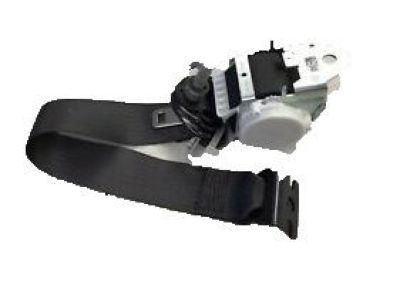
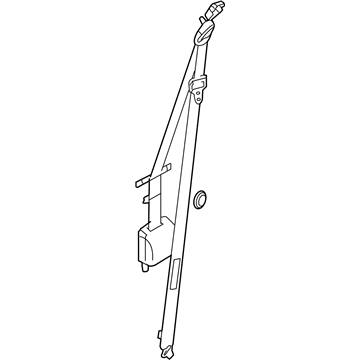
Ford E-150 Lap & Shoulder Belt, Rear Outer Passenger Side Part Number: 9C2Z-16611B68-DA
$101.03 MSRP: $147.07You Save: $46.04 (32%)Ships in 1-3 Business Days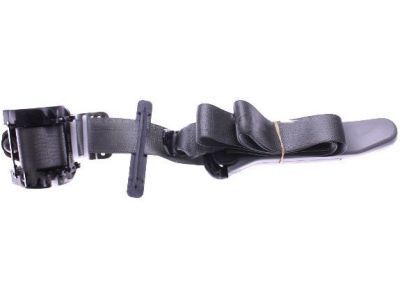
Ford E-150 Lap & Shoulder Belt, Rear Driver Side Part Number: 9C2Z-16611B69-CA
$115.04 MSRP: $167.45You Save: $52.41 (32%)Ships in 1-3 Business Days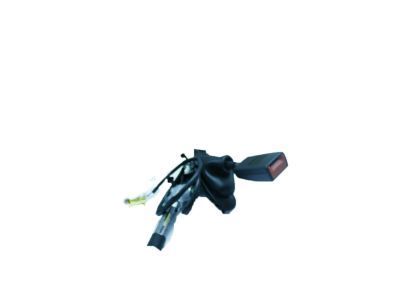
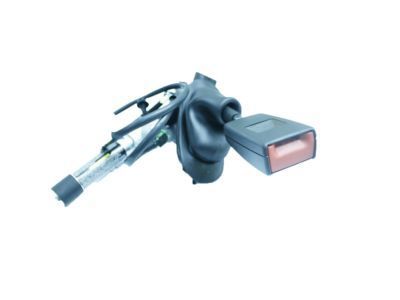
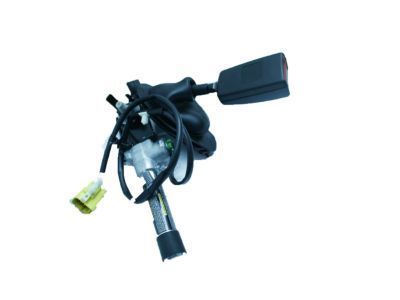
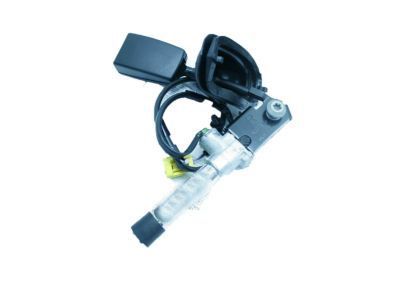
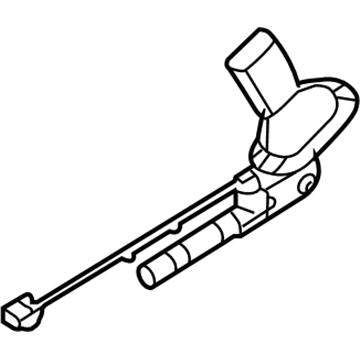
Ford E-150 Buckle, Front Passenger Side Part Number: 8C2Z-1561202-AA
$158.66 MSRP: $230.95You Save: $72.29 (32%)Ships in 1-3 Business Days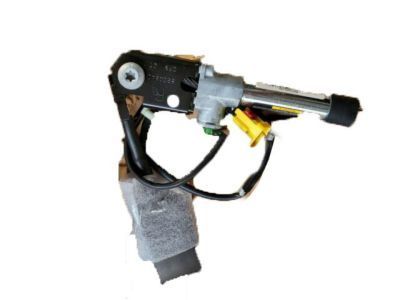
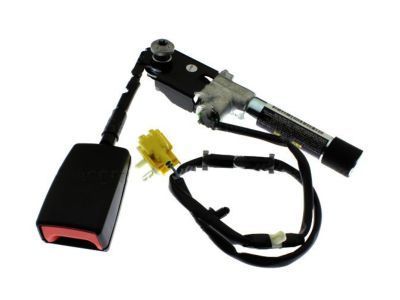
Ford E-150 Buckle, Passenger Side Part Number: 8C2Z-1561202-BA
$124.10 MSRP: $180.63You Save: $56.53 (32%)Ships in 1-3 Business Days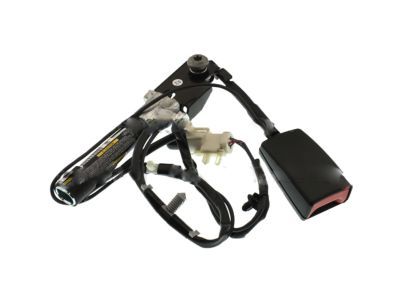
Ford E-150 Buckle, Front Driver Side Part Number: 8C2Z-1561203-BA
$126.18 MSRP: $183.67You Save: $57.49 (32%)Ships in 1-3 Business Days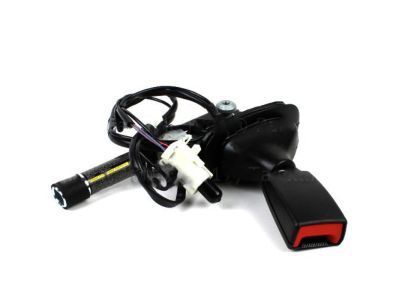
Ford E-150 Buckle, Driver Side Part Number: 8C2Z-1561203-AA
$128.50 MSRP: $187.05You Save: $58.55 (32%)Ships in 1-3 Business Days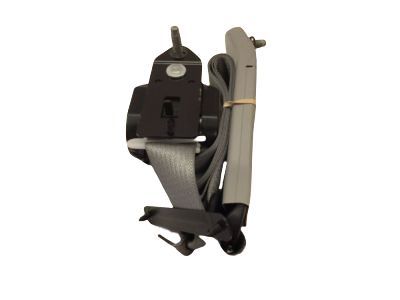
Ford E-150 Lap & Shoulder Belt, Rear Outer Driver Side Part Number: 9C2Z-16611B69-DA
$129.12 MSRP: $187.95You Save: $58.83 (32%)Ships in 1-2 Business Days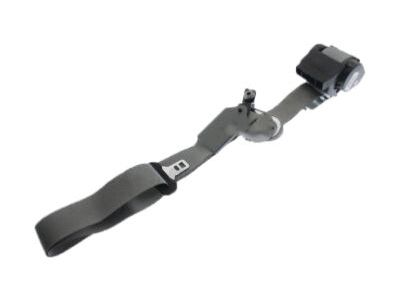
Ford E-150 Lap & Shoulder Belt, Front Passenger Side Part Number: HC2Z-15611B08-BB
$156.04 MSRP: $227.13You Save: $71.09 (32%)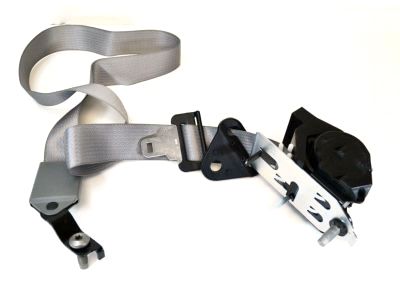
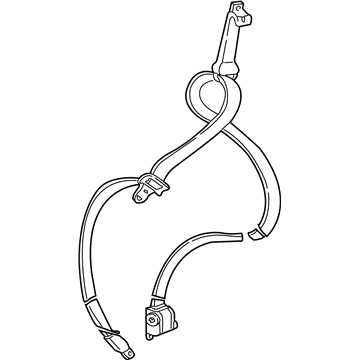
Ford E-150 Lap & Shoulder Belt, Front Passenger Side Part Number: 6C2Z-15611B08-BA
$187.46 MSRP: $272.87You Save: $85.41 (32%)Ships in 1-3 Business Days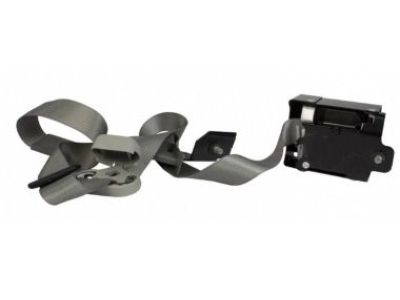
Ford E-150 Lap & Shoulder Belt, Front Driver Side Part Number: HC2Z-15611B09-BA
$196.42 MSRP: $285.92You Save: $89.50 (32%)Ships in 1-2 Business Days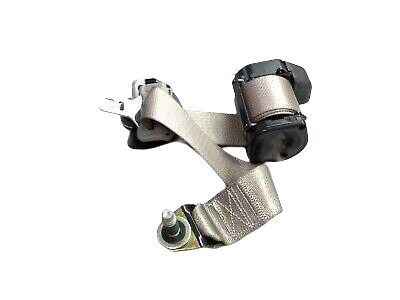
Ford E-150 Lap & Shoulder Belt, Rear Passenger Side Part Number: 9C2Z-16611B68-BA
$230.92 MSRP: $339.08You Save: $108.16 (32%)Ships in 1-3 Business Days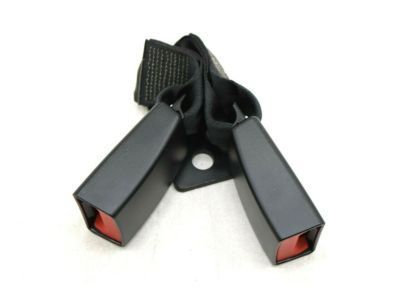
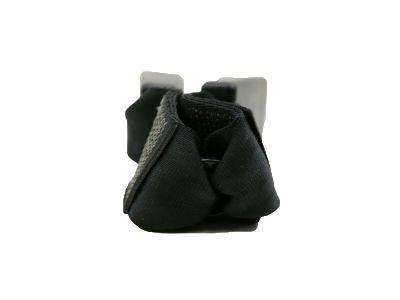
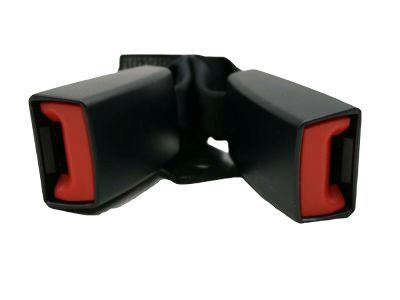
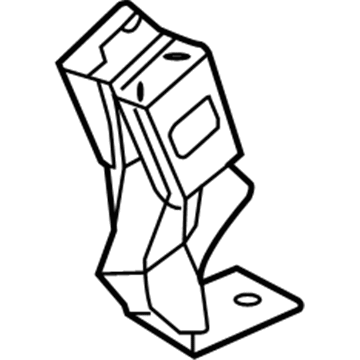
Ford E-150 Buckle End, Front Center Part Number: 8C2Z-1660044-FA
$42.98 MSRP: $61.48You Save: $18.50 (31%)Ships in 1-3 Business Days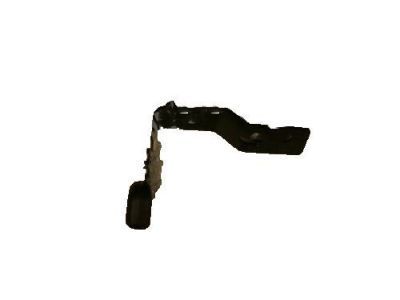
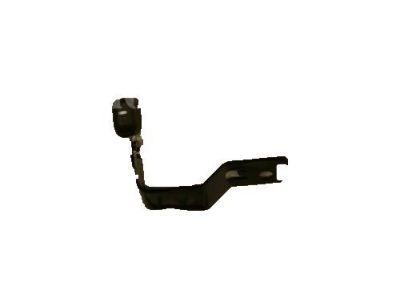
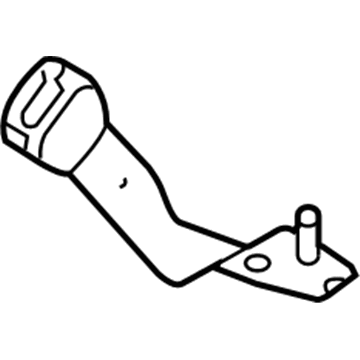
Ford E-150 Buckle End, Center Passenger Side Part Number: 8C2Z-16601A90-AA
$47.86 MSRP: $68.47You Save: $20.61 (31%)Ships in 1-3 Business Days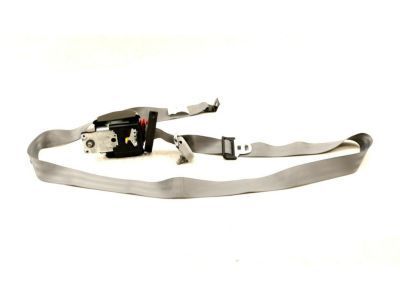
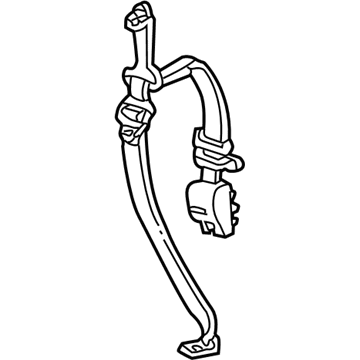
Ford E-150 Rear Seat, Outer Passenger Side Part Number: 6C2Z-16611B68-HA
$137.24 MSRP: $189.85You Save: $52.61 (28%)Ships in 1-2 Business Days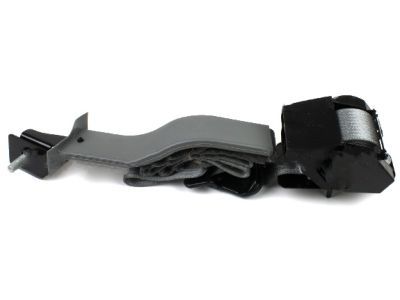
Ford E-150 Lap & Shoulder Belt, Front Driver Side Part Number: 6C2Z-15611B09-BA
$193.41 MSRP: $281.53You Save: $88.12 (32%)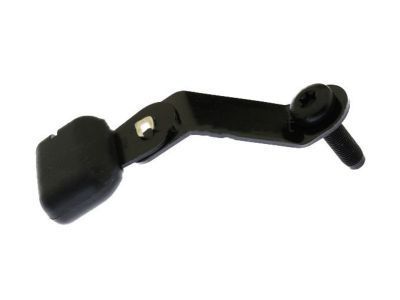
Ford E-150 Buckle End, Center Part Number: 8C2Z-16601A90-BA
$40.93 MSRP: $58.55You Save: $17.62 (31%)
| Page 1 of 4 |Next >
1-20 of 61 Results
Ford E-150 Seat Belt
OEM Seat Belt boasts unmatched quality. Each part goes through full quality checks. They adhere to Ford's official factory standards. These steps remove flaws and inconsistencies. So you can get Seat Belt with long life and a perfect fit. Come to our website and find genuine Ford E-150 parts. We keep a wide inventory of OEM E-150 parts at the highly affordable prices. It's easy to search, compare, and pick what you need. You'll love the clear info and simple checkout. We offer top-rated customer service, and we reply fast. We also ship promptly to ensure your order arrives on time.
Ford E-150 Seat Belt Parts and Q&A
- Q:How to Address Seat Belt Anchor Plate Thread Damage on Ford E-150?A:Seat belt anchor plate thread damage treatment starts by removing along with discarding the broken or stripped bolt. The seat belt anchor plate requires drilling of its internal threads using a 27/64-inch drill. The rethreading process requires a fitting 1/2-13 tap for seat belts designed for anchor plates. It is necessary to remove accumulated chips from the drilling and rethreading process by blowing strong air through the holes. Attach the seat belt components while utilizing bolts of the original part number unless documentation dictates otherwise. As the last step, install the bolt(s) using the specified tightening criteria.
- Q:Should the LH Seat Belt Buckle Assembly Be Inspected After a Collision, and how to remove and install on Ford E-150?A:After collisions, technicians must check all seat belt units starting from retractors up to belt tension sensors when equipped, as well as buckles, shoulder belt position adjusters when installed, and child seat tether anchors and their hardware attachments. If a qualified technician finds no damage in assemblies that operate correctly, then new belt assemblies can stay in place. An inspection should be conducted on all seat belt assemblies that stay unused during a vehicle impact. Professional installers should replace damaged or malfunctioning assemblies. The correct method to handle the LH seat belt buckle assembly requires bolt removal before assembly installation and final tightening at 40 Nm (30 lb-ft). Take out the bolt from the center seat belt tongue assembly before installation while tightening it to 40 Nm (30 lb-ft). Tighten the bolt from the RH seat belt buckle assembly to 40 Nm (30 lb-ft) when correctly installing it into its position. Before installing, the seat belt webbing needs to be untwisted, so the installation process must go in reverse order of removal steps. Active restraint system operation requires a final check before completing installation.
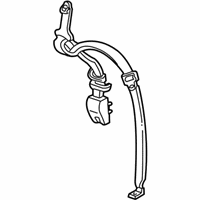
Related Ford E-150 Parts
 Ford E-150 Antenna
 Ford E-150 Antenna Base
 Ford E-150 Antenna Mast
 Ford E-150 Brake Light Switch
 Ford E-150 Coolant Temperature Sensor
 Ford E-150 Headlight Relay
 Ford E-150 Horn
 Ford E-150 Ignition Coil Boot
 Ford E-150 Ignition Relay
 Ford E-150 Knock Sensor
 Ford E-150 Lighting Control Module
 Ford E-150 Wiper Linkage
Browse Ford E-150 Seat Belt by Years
2014
2013
2012
2011
2010
2009
2008
2007
2006
2005
2004
2003