FordParts
My Garage
My Account
Cart
OEM Ford Explorer Brake Master Cylinder
- Select Vehicle by Model
- Select Vehicle by VIN
Select Vehicle by Model
orMake
Model
Year
Select Vehicle by VIN
For the most accurate results, select vehicle by your VIN (Vehicle Identification Number).
11 Brake Master Cylinders found
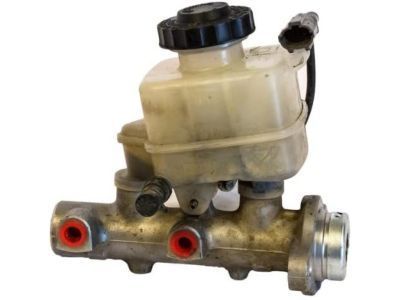
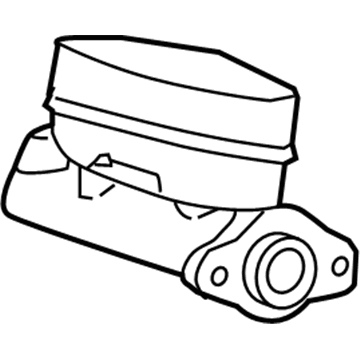
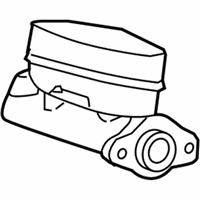
Ford Explorer Master Cylinder Part Number: 8L2Z-2140-B
$134.81 MSRP: $221.82You Save: $87.01 (40%)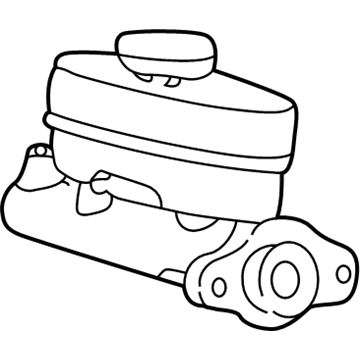
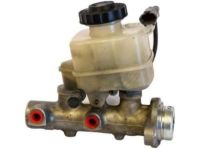
Ford Explorer Master Cylinder Part Number: F5TZ-2004-C
$303.53 MSRP: $619.64You Save: $316.11 (52%)Ships in 1-2 Business Days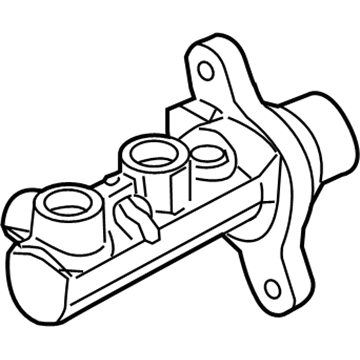
Ford Explorer Master Cylinder Part Number: BB5Z-2140-A
$194.77 MSRP: $323.41You Save: $128.64 (40%)Ships in 1-2 Business DaysFord Explorer Master Cylinder Part Number: 9L2Z-2004-A
$293.46 MSRP: $487.27You Save: $193.81 (40%)Ships in 1-2 Business Days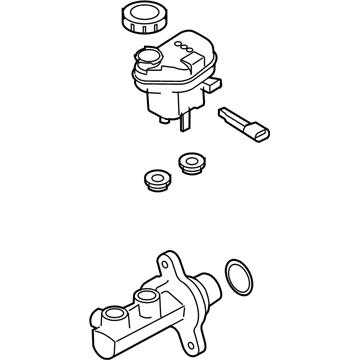
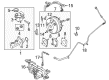
Ford Explorer Master Cylinder Part Number: DG1Z-2140-B
$398.24 MSRP: $661.26You Save: $263.02 (40%)Ships in 1-2 Business DaysFord Explorer Master Cylinder Part Number: 6L5Z-2140-BA
$261.85 MSRP: $362.24You Save: $100.39 (28%)Ships in 1-2 Business Days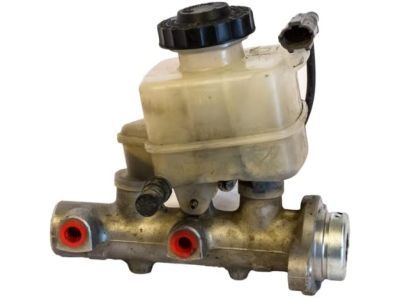
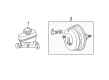
Ford Explorer Master Cylinder Part Number: F87Z-2140-AC
Ford Explorer Master Cylinder Part Number: F87Z-2004-B
Ford Explorer Master Cylinder Part Number: F87Z-2004-A
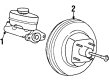
Ford Explorer Master Cylinder Part Number: F67Z-2140-HA
Ford Explorer Master Cylinder Part Number: F5TZ-2140-A
Ford Explorer Brake Master Cylinder
OEM Brake Master Cylinder boasts unmatched quality. Each part goes through full quality checks. They adhere to Ford's official factory standards. These steps remove flaws and inconsistencies. So you can get Brake Master Cylinder with long life and a perfect fit. Come to our website and find genuine Ford Explorer parts. We keep a wide inventory of OEM Explorer parts at the highly affordable prices. It's easy to search, compare, and pick what you need. You'll love the clear info and simple checkout. We offer top-rated customer service, and we reply fast. We also ship promptly to ensure your order arrives on time.
Brake Master Cylinder in the Ford Explorer automobiles is a principal braking system which translates the pressure of foot to hydraulic pressure. This hydraulic pressure gets to the slave cylinders and this engages the brakes making the necessary frictions to stop the car. Usually, they have pistons, seals and springs and are made of cast iron or aluminium though newer models may have a different material, with the fluid reservoir; being integral or separate depending on the year of manufacture. In the years Ford Explorers have been equipped with dual circuit master cylinders, and as is evident, in a situation where one circuit is not able to deliver brake force, the other delivers it. This design increases safety as it means that the press can continue to operate in the event of a hydraulic failure. Some of the problems associated with the Brake Master Cylinder are leakage of the fluid and internal problems that reduce the efficiency of the brake. In this system, constant inspection for development of leaks or moisture is paramount if the braking system is to be maintained.
Ford Explorer Brake Master Cylinder Parts and Q&A
- Q:How to prime the brake master cylinder correctly on Ford Explorer?A:The correct procedure to prime a brake master cylinder involves using only DOT 3 brake fluid due to safety reasons because alternative fluid types will damage it permanently and disable brake functionality. Take caution when handling brake fluid since exposure to your eyes must be avoided and hand washings should be thorough after completion of use. When eyes do come into contact with fluid, seek medical help if continuous irritation occurs. Main tasks in the bleeding operation require full reservoir filling only with recommended brake fluid while discarding used fluid because exposed brake fluid affects painted surfaces and plastics. Air will enter any disconnected hydraulic system part, so bleeding operations will be necessary after reconnection. When performing in-vehicle priming, the user should disconnect Brake Lines from the brake master cylinder, while bench priming requires placing the brake master cylinder inside a vise. The reservoir needs short brake tube deviations that lead into it while users must use either High Performance DOT 3 Brake Fluid C6AZ-19542-AB or a DOT 3 equivalent which meets Ford specification ESA-M6C25-A. Assembling a new brake master cylinder requires users to loosen the speed control pressure switch followed by a slow depression and holding of the primary piston or having assistance from another person who tightens the switch. Use this method until air bubbles disappear from the fluid stream that exits the system and pump the Brake Pedal to produce clear fluid through both tubes. The installation process requires fitting the brake master cylinder to the vehicle, after which both short tubes must be uninstalled and the outlet tubes can be installed. A technician should loosen the outlet tube at the 4WABS hydraulic control unit (HCU) while an assistant holds the brake pedal during the tightening process of the outlet tube fitting. Perform the process another time until the brack of bubbles disappears before moving on to the second tube. Install a flexible tube on the brake master cylinder bleeder screw before submerging its opposite end into brake fluid. Then proceed under instruction from an assistant who will operate the brake pedal and pump the cylinder. You should maintain the bleeder screw loosened until the fluid appears while repeating this step until air bubbles no longer emerge. Finally, bleed the brake system.
- Q:How to service and repair the brake master cylinder and brake booster on Ford Explorer?A:A service or repair operation on brake master cylinder and Brake Booster requires the battery to get disconnected first. The service and repair team needs to follow the illustrated order of removing all elements. Reinstall all components according to the removal process while performing brake system bleeding to eliminate air from the system. New nuts must be used for replacing the brake booster. First remove the brake booster nuts followed by the brake booster push rod disconnect. After the removal of all accessories you must then remove the self-locking pin cover and self-locking pin. The technician must first relocate the brake stoplamp switch while removing its bushing to disconnect the brake booster push rod.
Related Ford Explorer Parts
 Ford Explorer Backing Plate
 Ford Explorer Brake Booster
 Ford Explorer Parking Brake Shoes
 Ford Explorer Wheel Hub
 Ford Explorer Brake Booster Vacuum Pump
 Ford Explorer Brake Dust Shields
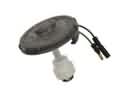 Ford Explorer Brake Fluid Level Sensor
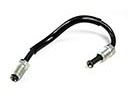 Ford Explorer Brake Line
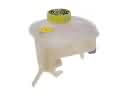 Ford Explorer Brake Master Cylinder Reservoir
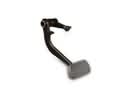 Ford Explorer Brake Pedal
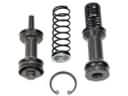 Ford Explorer Master Cylinder Repair Kit
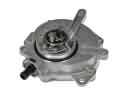 Ford Explorer Vacuum Pump