FordParts
My Garage
My Account
Cart
OEM Ford F-150 Air Bag Control Module
SRS Airbag Module- Select Vehicle by Model
- Select Vehicle by VIN
Select Vehicle by Model
orMake
Model
Year
Select Vehicle by VIN
For the most accurate results, select vehicle by your VIN (Vehicle Identification Number).
31 Air Bag Control Modules found
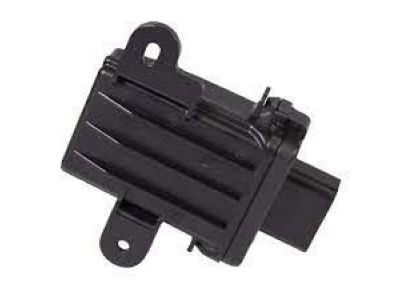
Ford F-150 Occupant Sensor Part Number: BL3Z-14B056-A
$855.00 MSRP: $2666.67You Save: $1811.67 (68%)Ships in 1-2 Business Days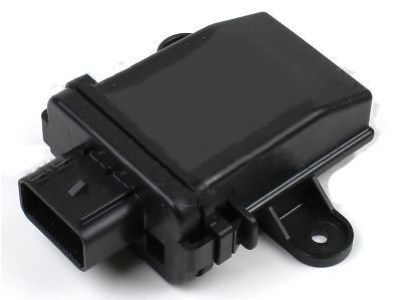
Ford F-150 Occupant Sensor Part Number: 9L3Z-14B056-B
$185.11 MSRP: $384.44You Save: $199.33 (52%)Ships in 1-3 Business Days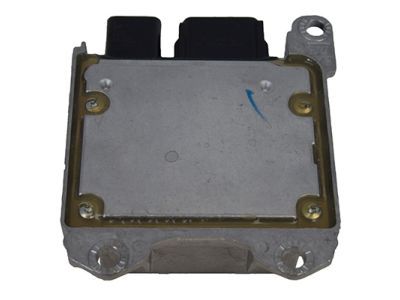
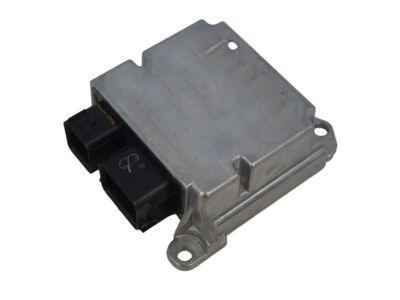
Ford F-150 Control Module Part Number: CL3Z-14B321-A
$139.88 MSRP: $215.87You Save: $75.99 (36%)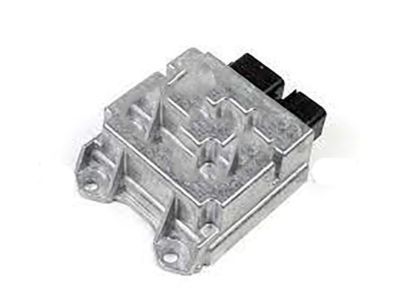
Ford F-150 Control Module Part Number: AL3Z-14B321-F
$594.72 MSRP: $881.07You Save: $286.35 (33%)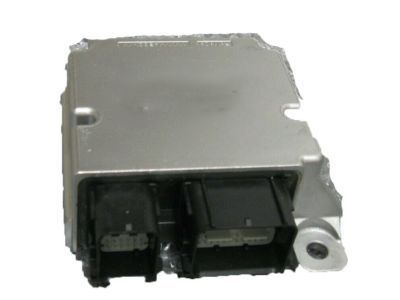
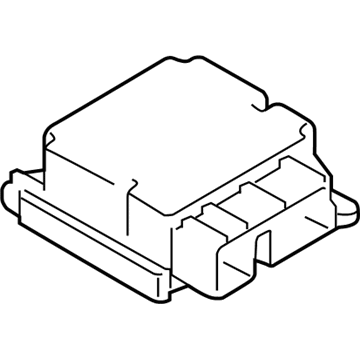
Ford F-150 Control Module Part Number: FL3Z-14B321-E
$815.12 MSRP: $1207.58You Save: $392.46 (33%)Ships in 1 Business Day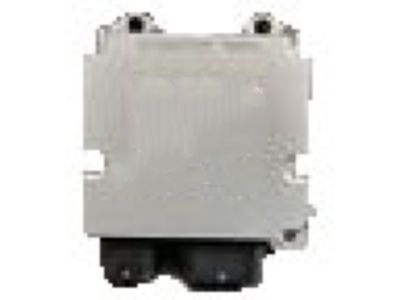
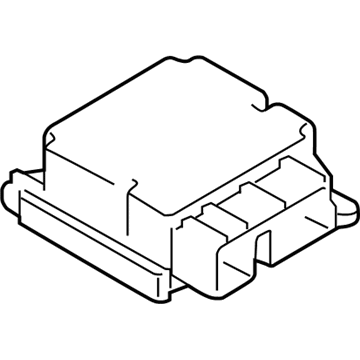
Ford F-150 Control Module Part Number: JL3Z-14B321-D
$1061.39 MSRP: $1615.52You Save: $554.13 (35%)Ships in 1-2 Business Days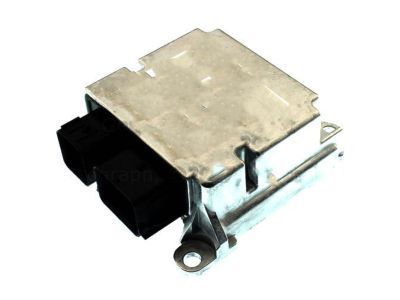
Ford F-150 Control Module Part Number: DL3Z-14B321-A
$1026.37 MSRP: $1520.55You Save: $494.18 (33%)Ships in 1 Business Day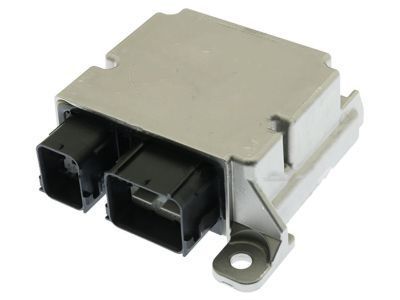
Ford F-150 Control Module Part Number: HL3Z-14B321-B
$389.00 MSRP: $571.22You Save: $182.22 (32%)Ships in 1 Business DayFord F-150 Occupant Sensor Part Number: CL3Z-14B056-A
$364.44 MSRP: $1308.89You Save: $944.45 (73%)Ships in 1-2 Business Days
Ford F-150 Control Module Part Number: ML3Z-14B321-Z
$670.84 MSRP: $993.83You Save: $322.99 (33%)Ships in 1-2 Business DaysFord F-150 Control Module Part Number: BL3Z-14B321-C
$559.32 MSRP: $887.82You Save: $328.50 (37%)Ford F-150 Control Module Part Number: ML3Z-14B321-Y
$367.23 MSRP: $575.78You Save: $208.55 (37%)Ships in 1-2 Business DaysFord F-150 Control Module Part Number: DL3Z-14B321-B
$143.23 MSRP: $208.48You Save: $65.25 (32%)Ships in 1-3 Business DaysFord F-150 Control Module Part Number: JL3Z-14B321-C
$355.38 MSRP: $521.85You Save: $166.47 (32%)Ships in 1-3 Business Days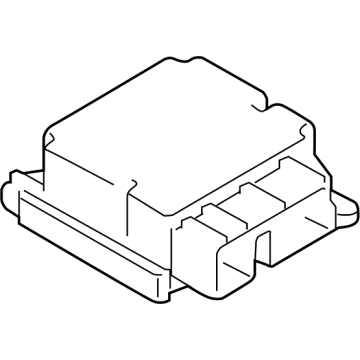
Ford F-150 Sensor Assembly - Airbag Part Number: RL3Z-14B321-C
$464.34 MSRP: $681.85You Save: $217.51 (32%)Ships in 1-2 Business DaysFord F-150 Sensor Assembly - Airbag Part Number: RL3Z-14B321-D
$343.72 MSRP: $504.73You Save: $161.01 (32%)Ships in 1-2 Business Days
Ford F-150 Sensor Assembly - Airbag Part Number: RL3Z-14B321-B
$386.90 MSRP: $568.13You Save: $181.23 (32%)Ships in 1-2 Business Days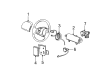
Ford F-150 Diagnostic Module Part Number: YL3Z-14B321-BB
$225.31 MSRP: $309.13You Save: $83.82 (28%)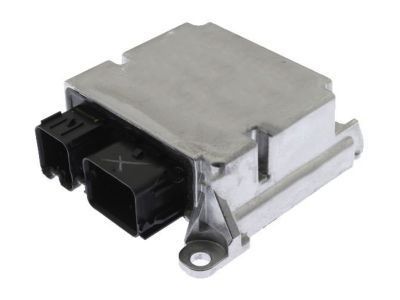
Ford F-150 Control Module Part Number: CL3Z-14B321-B
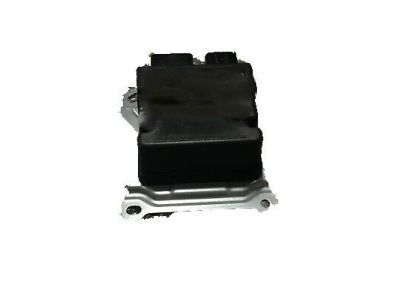
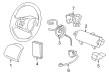
Ford F-150 Control Module Part Number: 5L3Z-14B321-AA
| Page 1 of 2 |Next >
1-20 of 31 Results
Ford F-150 Air Bag Control Module
OEM Air Bag Control Module boasts unmatched quality. Each part goes through full quality checks. They adhere to Ford's official factory standards. These steps remove flaws and inconsistencies. So you can get Air Bag Control Module with long life and a perfect fit. Come to our website and find genuine Ford F-150 parts. We keep a wide inventory of OEM F-150 parts at the highly affordable prices. It's easy to search, compare, and pick what you need. You'll love the clear info and simple checkout. We offer top-rated customer service, and we reply fast. We also ship promptly to ensure your order arrives on time.
Ford F-150 Air Bag Control Module Parts and Q&A
- Q:How to Service and Repair the Air Bag Control Module on Ford F-150?A:The service and repair of Restraints Control Module (RCM) must begin with checking for prior vehicle crashes; inspect the RCM and impact sensor mounting areas for any deformations and perform restorative actions if necessary. The installation of new RCM units and impact sensors must always take place before tightening all fasteners to their specified torque level. This prevents incorrect functioning of the restraint system. Start by depriving SRS power then proceed to separate the floor console and remove the Seat Cushion extending up to 20 percent by detached retainers if your vehicle has these components. To disconnect the large electrical connector push the thumb tab to pivot back the connector position assurance lever and extract the connector. After disconnecting the small electrical connector you must remove the RCM bolts before extracting the RCM. Place the RCM in position before installing its bolts with a torque of 12 Nm (9 lb-ft). The process to link the large electrical connector should begin with checking that the connector position assurance lever extends fully before applying proper contact while minimizing damage to components through angled inputs. Apply a gentle pressure when inserting the large connector until you hear an audible clicking noise before engaging the thumb tab through the use of the lever for complete seating. You should first reattach the floor console and the 20 percent front seat cushion by placing them correctly before installing their retainers accurately and pressing the retainers down firmly. Last step is to repower the SRS system.
- Q:What are the crucial steps to follow when servicing the Air Bag Control Module after a crash on Ford F-150?A:It is essential to check both the RCM and impact sensor mounting areas for any deformations if the vehicle experienced a crash during servicing. Any original production damage must be repaired to its original state. The replacement of both sensors and the RCM is mandatory even if the air bags did not deploy for the purpose of minimizing life-threatening injuries. When the RCM is connected and the ignition is ON do not handle or modify its horizontal mount position because this could trigger unintentional safety canopy deployment. Perform the Programmable Module Installation (PMI) during new RCM installation to prevent system failure. A warning indicator of the air bag system will activate whenever the correct RCM fuse is disconnected when the ignition is powered ON. The Supplemental Restraint System needs to function without any faults before releasing the vehicle to the public. PMI does not provide the disabled 911 assistance feature yet the RCM and Accessory Protocol Interface Module (APIM) need proper configuration for complete functionality. Installation of a new RCM demands the SRS be depowered while the floor console along with the front center Seat Cushion gets removed if present before disconnecting electrical connectors and extracting the three RCM bolts. The RCM installation requires users to position the component correctly before they tighten the bolts to 12 Nm (106 lb-in) and verify the connector position assurance lever is free of obstruction before they attach the large electrical connector and achieve proper alignment that produces a clicking sound. You should lock the connector by pushing the thumb tab followed by attaching the small electrical connector. Reintegrate the removed components before applying power to the SRS system and completing the PMI procedure when installing a new RCM.
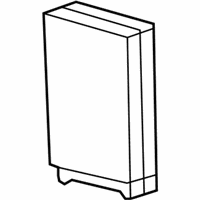
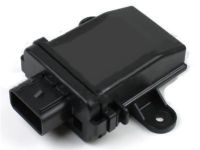
Related Ford F-150 Parts
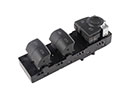 Ford F-150 Power Window Switch
 Ford F-150 MAP Sensor
 Ford F-150 Airbag
 Ford F-150 Oxygen Sensor
 Ford F-150 Antenna
 Ford F-150 Oil Pressure Gauge
 Ford F-150 Air Bag Sensor
 Ford F-150 Clock Spring
 Ford F-150 Daytime Running Light Relay
 Ford F-150 Igniter
 Ford F-150 Occupant Detection Sensor
 Ford F-150 PCV Valve Hose