FordParts
My Garage
My Account
Cart
OEM Ford PCV Valve Elbow
Position Crank Ventilation Valve Elbow- Select Vehicle by Model
- Select Vehicle by VIN
Select Vehicle by Model
orMake
Model
Year
Select Vehicle by VIN
For the most accurate results, select vehicle by your VIN (Vehicle Identification Number).
34 PCV Valve Elbows found
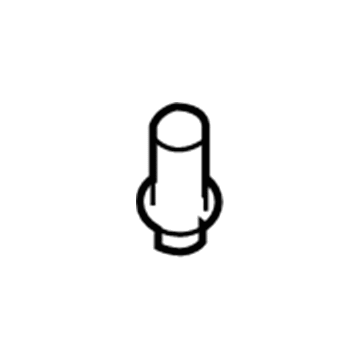
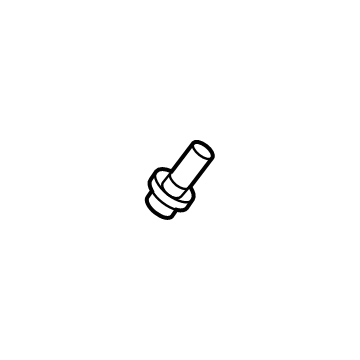
Ford Crankcase Tube Elbow Part Number: 2W7Z-6762-AA
$5.98 MSRP: $8.48You Save: $2.50 (30%)Ships in 1-3 Business DaysProduct Specifications- Other Name: Elbow; Crankcase Breather Hose
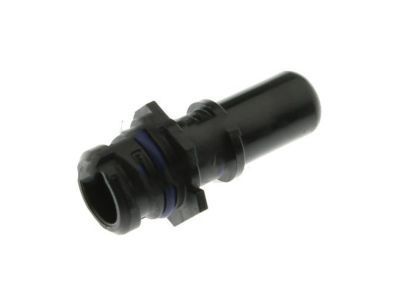
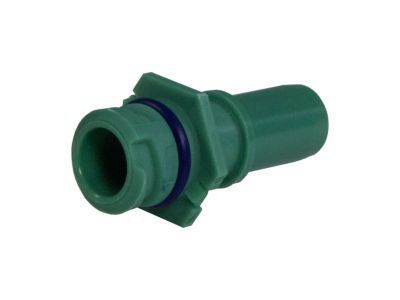
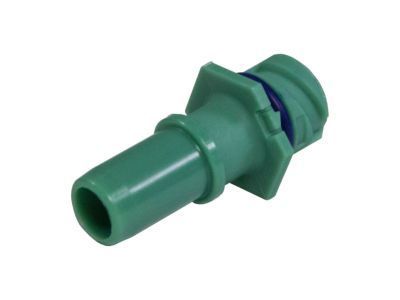
Ford Vent Tube Part Number: 4L2Z-6762-AA
$6.11 MSRP: $8.67You Save: $2.56 (30%)Ships in 1-2 Business DaysProduct Specifications- Other Name: Tube - Ventilation; PCV Valve Hose Adapter; EGR Pressure Feedback Hose; Crankcase Breather Hose; EGR Connector
- Position: Driver Side
- Replaces: 6F2Z-6853-AA, KCV-193
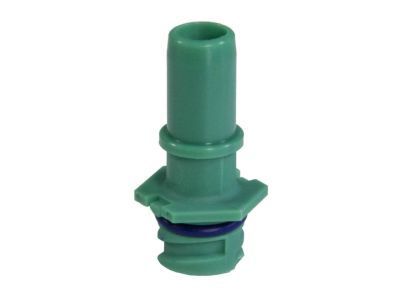

Ford Elbow Part Number: HL2Z-6762-A
$14.86 MSRP: $21.08You Save: $6.22 (30%)Product Specifications- Manufacturer Note: Requires Latest Calibration For PCV Pressure Sensor
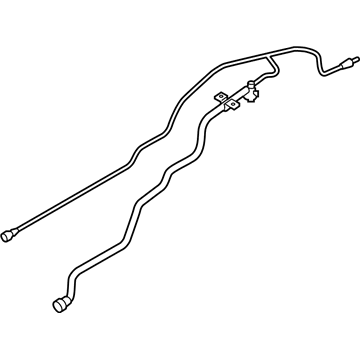
Ford Vent Tube Part Number: L1MZ-9D683-F
$548.63 MSRP: $950.00You Save: $401.37 (43%)Ships in 1-3 Business DaysProduct Specifications- Other Name: Tube Assembly - Fuel; Evaporative Emissions System Lines; Vapor Hose
- Replaces: L1MZ-9D683-A
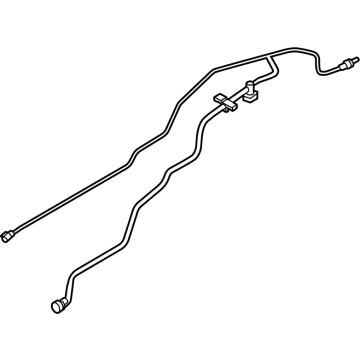
Ford Tube Assembly - Fuel Part Number: M1MZ-9D683-A
$533.25 MSRP: $861.82You Save: $328.57 (39%)Ships in 1-2 Business DaysProduct Specifications- Other Name: TUBE ASY - FUEL
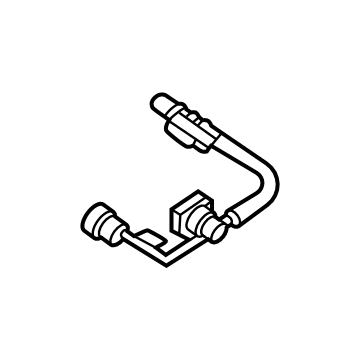
Ford Tube Assembly - Fuel Part Number: NZ6Z-9D683-D
$139.69 MSRP: $221.82You Save: $82.13 (38%)Ships in 1-2 Business DaysProduct Specifications- Other Name: TUBE ASY - FUEL
- Replaces: NZ6Z-9D683-B, NZ6Z-9D683-C
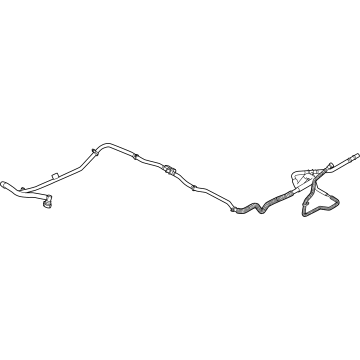
Ford Vapor Hose Part Number: PR3Z-9E325-A
$238.46 MSRP: $382.00You Save: $143.54 (38%)Ships in 1-2 Business DaysProduct Specifications- Other Name: Hose - Fuel
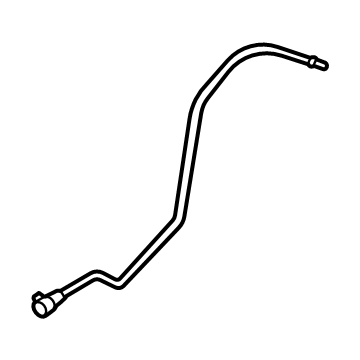
Ford Vapor Hose Part Number: LX6Z-9D667-L
$48.95 MSRP: $76.40You Save: $27.45 (36%)Ships in 1-2 Business DaysProduct Specifications- Other Name: Tube Assembly; Evaporative Emissions System Lines; Lower Hose
- Replaces: LX6Z-9D667-B
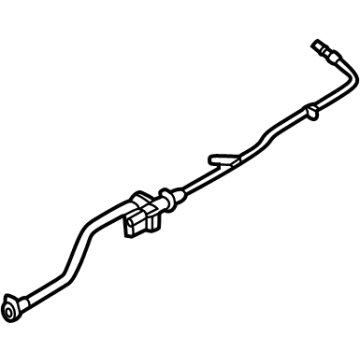
Ford Connector Tube, Rear Part Number: LX6Z-9D333-X
$69.52 MSRP: $101.20You Save: $31.68 (32%)Ships in 1-2 Business DaysProduct Specifications- Other Name: Hose - Connecting; Evaporative Emissions System Lines, Front, Rear; Tank Pressure Sensor; Rear Hose; Front Hose
- Position: Rear
- Replaces: LX6Z-9D333-N
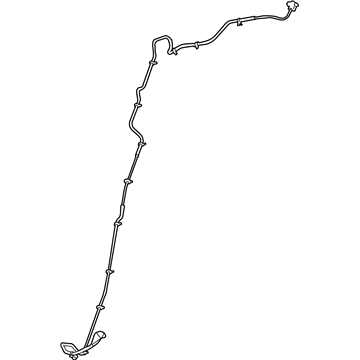
Ford Tube Assembly Part Number: BC3Z-5J249-AD
$200.93 MSRP: $335.00You Save: $134.07 (41%)Ships in 1-2 Business DaysProduct Specifications- Other Name: [TUBE ASY]
- Replaces: BC3Z-5J249-V, BC3Z-5J249-C
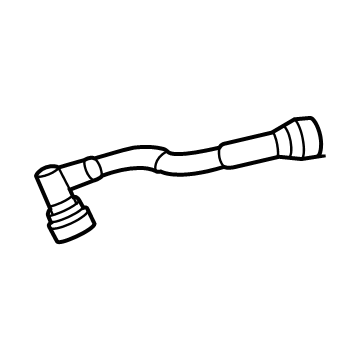
Ford Tube Assembly Part Number: L1MZ-6758-A
$25.76 MSRP: $37.50You Save: $11.74 (32%)Ships in 1-3 Business DaysProduct Specifications- Other Name: PCV Valve Hose; EGR Tube
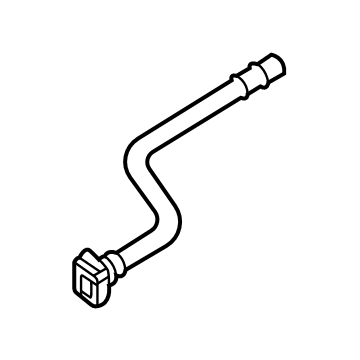
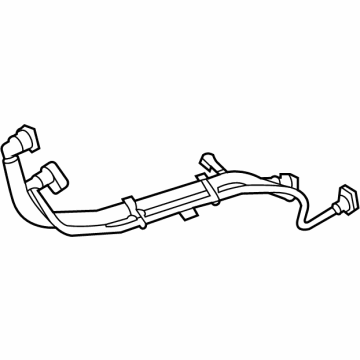
Ford Connector Tube Part Number: ML3Z-9D333-C
$67.01 MSRP: $97.53You Save: $30.52 (32%)Ships in 1-2 Business DaysProduct Specifications- Other Name: Hose - Connecting; Evaporative Emissions System Lines; EGR Tube Connector
Ford Connector Tube Part Number: MB3Z-9D333-C
$68.01 MSRP: $99.00You Save: $30.99 (32%)Ships in 1-2 Business DaysProduct Specifications- Other Name: Hose - Connecting; Secondary Air Injection Pump Hose
Ford Connector Tube Part Number: ML3Z-9D333-D
$74.56 MSRP: $108.53You Save: $33.97 (32%)Ships in 1-2 Business DaysProduct Specifications- Other Name: Hose - Connecting; Evaporative Emissions System Lines; EGR Tube Connector
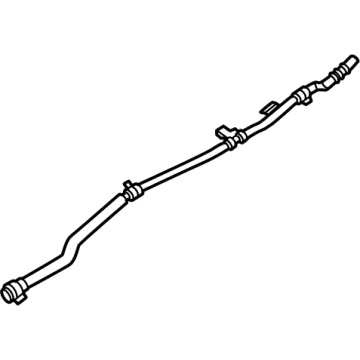
Ford Front Hose Part Number: NZ6Z-9D333-H
$114.50 MSRP: $166.67You Save: $52.17 (32%)Ships in 1-2 Business DaysProduct Specifications- Other Name: Hose - Connecting
- Position: Front
Ford Tube Assembly Part Number: BC3Z-5J249-AB
$193.96 MSRP: $282.33You Save: $88.37 (32%)Ships in 1-2 Business DaysProduct Specifications- Other Name: TUBE ASY
- Replaces: BC3Z-5J249-T, BC3Z-5J249-A
Ford Tube Assembly Part Number: BC3Z-5J249-AC
$201.52 MSRP: $293.33You Save: $91.81 (32%)Ships in 1-2 Business DaysProduct Specifications- Other Name: TUBE ASY
- Replaces: BC3Z-5J249-U, BC3Z-5J249-B
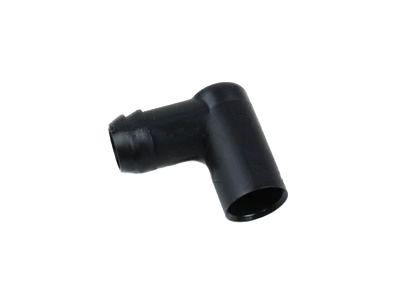
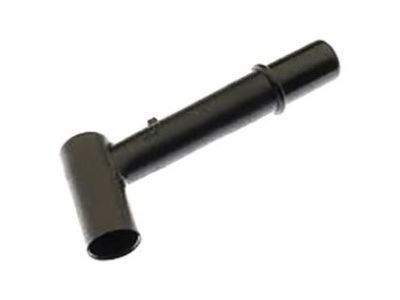
Ford Connector Tube Elbow Part Number: YL8Z-6767-AA
$5.11 MSRP: $7.25You Save: $2.14 (30%)Product Specifications- Other Name: Elbow - Crankcase Ventilation; PCV Valve Hose; Elbow - Crankcase Ventilation Tube
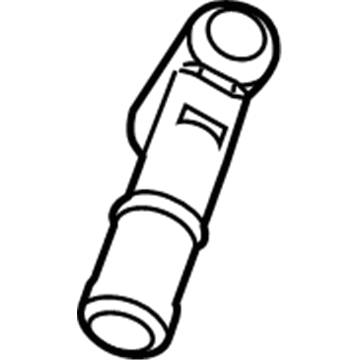
Ford PCV Valve Connector Part Number: AT4Z-6767-A
$13.83 MSRP: $19.62You Save: $5.79 (30%)Product Specifications- Other Name: Hose - Elbow; PCV Valve Elbow; Elbow
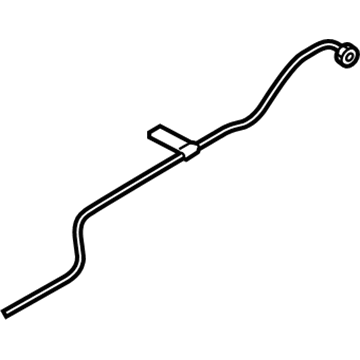
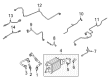
Ford Tube Part Number: JL1Z-9J337-A
$144.84 MSRP: $210.83You Save: $65.99 (32%)Product Specifications- Other Name: Tube - Fuel Vapor; PCV Valve Hose; EGR Tube; Tube - Fuel Vapour
| Page 1 of 2 |Next >
1-20 of 34 Results
Ford PCV Valve Elbow
If you own Ford and want to keep it in top shape, choosing OEM PCV Valve Elbow is a smart move. They are precisely engineered and follow strict factory standards. They are made in advanced facilities that use cutting edge technology. Each part goes through thorough testing to confirm strength and safety, so you can trust it. FordPartsDeal.com gives you genuine Ford PCV Valve Elbow at some of the affordable online prices without cutting quality. Every OEM Ford part includes the manufacturer's warranty, easy returns, and super-fast delivery. So why wait? Shop now and get your vehicle back to peak condition.
The Ford PCV Valve Elbow ensures that there is no high emission of engine gases, but also helps in the protection of the reliable engine crankcase pressure. Mass production started in 1903 and moving assembly line in 1913 with the company cut the time and costs of building. Nowadays Ford will delight drivers with turbocharged EcoBoost engines that combine power and fuel efficiency, SYNC voice connectivity that allows teens to call up playlists without leaving their hands on the steering wheel, and Co-Pilot360 aids that keep an eye on lanes and brake when needed. Ford technology also looks into the future when zero emission F-150 Lightning is introduced to the market which proves that travelling is exciting and responsible with the Ford technology. A PCV Valve Elbow refers to a shaped connector applied to connect the positive crankcase ventilation valve to the intake path to divert the blow by gases back to combustion and equal pressure. A new Ford PCV Valve Elbow is not very complicated to install and requires only simple tools and instructions. Allow the engine to cool, and then locate the PCV Valve Elbow close to the top of the rocker cover and trace the hose to its intake port. Take out the old fittings that are applied, screw the fittings that are old off, and wipe them clean to ensure there is no leakage. Insert the fresh PCV Valve Elbow into the valve till it fits into the seat, press it onto the intake nipple, and fix new clamps. Then reconnect any hoses that you have repositioned, start the engine, wait till it runs at a steady idle, and then have confidence in the Ford engine to perform.
Related Ford Parts
 Ford Starter Relay
 Ford Ignition Coil
 Ford Ignition Switch
 Ford Fuse
 Ford Coolant Temperature Sensor
 Ford Distributor Rotor
 Ford Horn Relay
 Ford Ignition Relay
 Ford Oil Pressure Switch
 Ford Speedometer Cable
 Ford Intake Manifold Temperature Sensor
 Ford Relay Block