FordParts
My Garage
My Account
Cart
OEM Lincoln Fuel Pump Seal
Fuel Pump Gasket- Select Vehicle by Model
- Select Vehicle by VIN
Select Vehicle by Model
orMake
Model
Year
Select Vehicle by VIN
For the most accurate results, select vehicle by your VIN (Vehicle Identification Number).
6 Fuel Pump Seals found
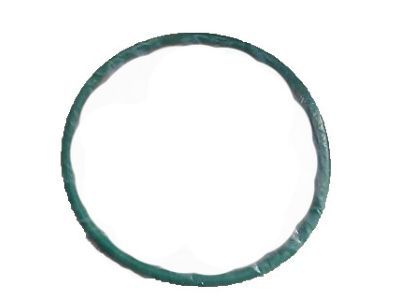
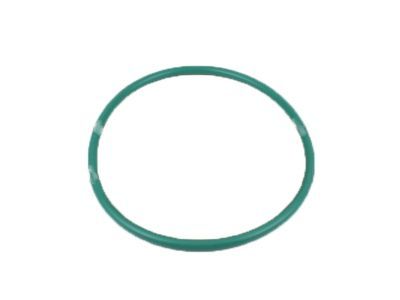

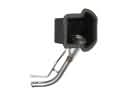
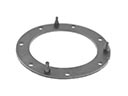
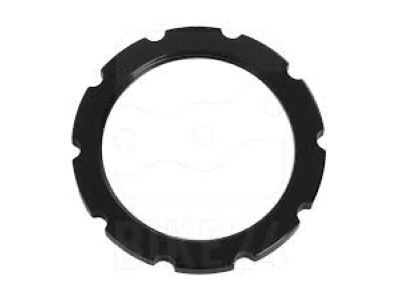
Lincoln Fuel Pump Gasket Part Number: 4L3Z-9276-AA
$32.98 MSRP: $52.36You Save: $19.38 (38%)Ships in 1 Business DayProduct Specifications- Other Name: Gasket; Diesel Exhaust Fluid (DEF) Pump O-Ring; Fuel Tank Sending Unit Seal; Fuel Pump Seal
- Manufacturer Note: RH/LH


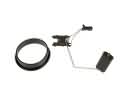
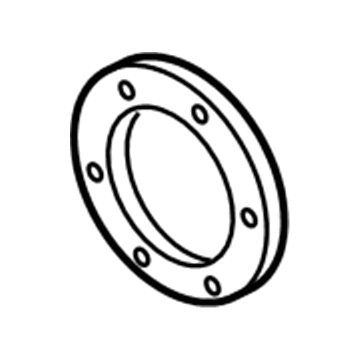
Lincoln Fuel Pump Gasket Part Number: 1L2Z-9417-AA
$15.57 MSRP: $24.73You Save: $9.16 (38%)Ships in 1-3 Business DaysProduct Specifications- Other Name: Gasket; Fuel Pump Tank Seal; Fuel Pump Assembly Gasket; Fuel Sender Unit Gasket
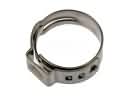
Lincoln Fuel Pump Gasket Part Number: F5AZ-9276-A
$25.08 MSRP: $39.82You Save: $14.74 (38%)Ships in 1-2 Business DaysProduct Specifications- Other Name: Gasket; Fuel Pump Tank Seal; Fuel Pump Seal; Fuel Pump Assembly Gasket; Seal
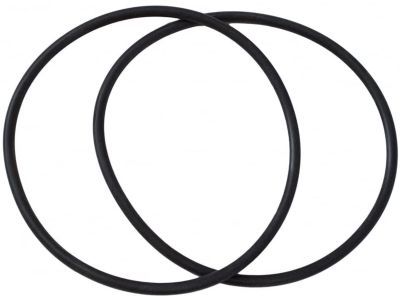

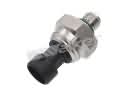
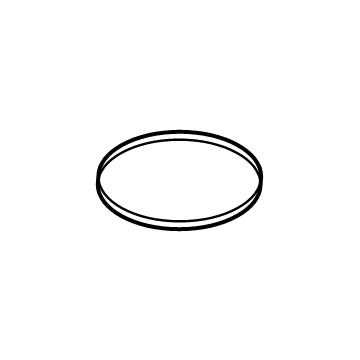
Lincoln Fuel Pump Gasket Part Number: F6DZ-9276-A
$12.16 MSRP: $18.82You Save: $6.66 (36%)Ships in 1 Business DayProduct Specifications- Other Name: Seal; Fuel Pump Tank Seal; Fuel Pump Seal
- Replaces: F81Z-9417-BA
Lincoln Gasket Part Number: LU5Z-9276-A
$8.75 MSRP: $13.55You Save: $4.80 (36%)Ships in 1-2 Business Days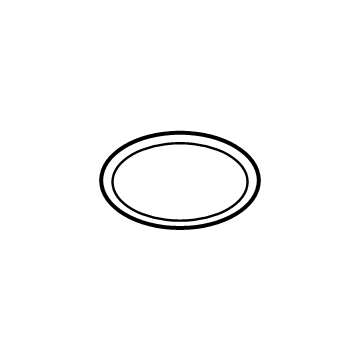
Lincoln Gasket Part Number: NU5Z-9276-A
$27.26 MSRP: $42.18You Save: $14.92 (36%)Ships in 1-2 Business DaysProduct Specifications- Replaces: CG-816, FR3Z-9276-A
Lincoln Fuel Pump Seal
If you own Lincoln and want to keep it in top shape, choosing OEM Fuel Pump Seal is a smart move. They are precisely engineered and follow strict factory standards. They are made in advanced facilities that use cutting edge technology. Each part goes through thorough testing to confirm strength and safety, so you can trust it. FordPartsDeal.com gives you genuine Lincoln Fuel Pump Seal at some of the affordable online prices without cutting quality. Every OEM Lincoln part includes the manufacturer's warranty, easy returns, and super-fast delivery. So why wait? Shop now and get your vehicle back to peak condition.
Lincoln Fuel Pump Seal is the only insurance that all of your gasoline stays in its own place, so that your luxury vehicle is left quiet, efficient and fume free. In 1917, Lincoln started developing vehicles and, upon entering Ford, the brand evolved into the technology leader of today that encloses the drivers in the Quiet Flight ideology, soft fabrics, and Co-Pilot360 package that monitors the lanes, lights, and blind spots. Lincoln models go further to provide ActiveGlide that allows you to cruise along the highways with your hands-free and an interior that is tuned to keep the road noise out. Lincoln modernizes these capabilities on an annual basis and pays close attention to the response of the drivers and trains the employees to provide the same experience on the road with good service. Fuel Pump Seal is a small O-ring, which fits in between the pump module and tank to prevent leaks, maintain pressure and prevent fumes. To install new Lincoln Fuel Pump Seal, you have to start by unconnection of the battery and release of the fuel system pressure to prevent spray. Unclip lines and lift the pump module, raise the rear seat or cargo panel. Clean the seating groove using a wiped sealing groove, take off the old seal and apply a light layer of lubricant that is fuel safe on the new Fuel Pump Seal. Install it in an even fashion without turning and align the pump and fit the ring. Connect lines, wiring and battery, prime the system, seek out drips, and lastly turn on the engine to be sure that the vehicle is running as it is supposed to with no leakages.