FordParts
My Garage
My Account
Cart
OEM Lincoln Intake Manifold Gasket
Engine Intake Manifold Gasket- Select Vehicle by Model
- Select Vehicle by VIN
Select Vehicle by Model
orMake
Model
Year
Select Vehicle by VIN
For the most accurate results, select vehicle by your VIN (Vehicle Identification Number).
42 Intake Manifold Gaskets found
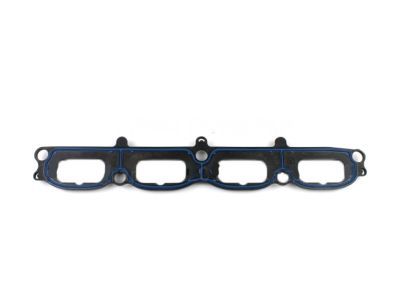
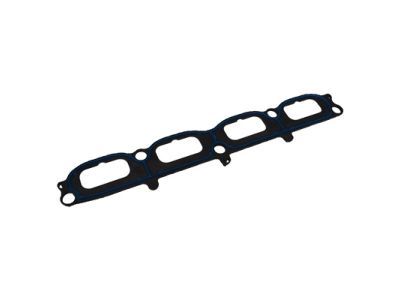
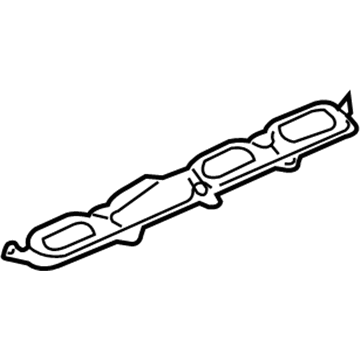
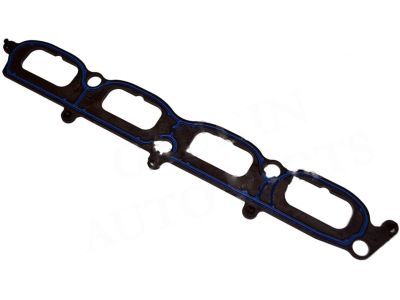
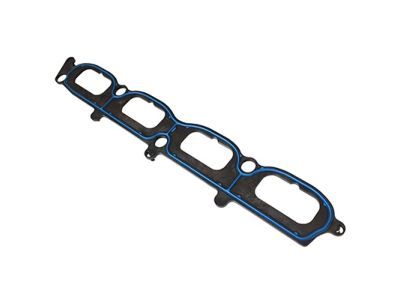
Lincoln Intake Manifold Gasket, Passenger Side Part Number: 3L3Z-9439-EA
$51.91 MSRP: $77.73You Save: $25.82 (34%)Ships in 1-3 Business DaysProduct Specifications- Other Name: Gasket - Intake Manifold; Engine Intake Manifold Gasket, Right; Manifold Gasket
- Position: Passenger Side
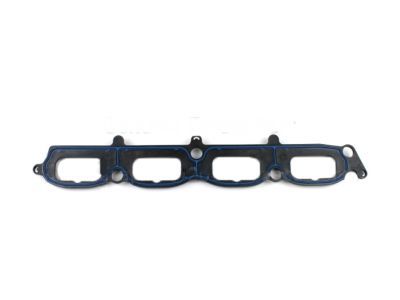

Lincoln Intake Manifold Gasket, Driver Side Part Number: 3L3Z-9439-DA
$44.33 MSRP: $64.53You Save: $20.20 (32%)Ships in 1-3 Business DaysProduct Specifications- Other Name: Gasket - Intake Manifold; Engine Intake Manifold Gasket, Left; Manifold Gasket
- Position: Driver Side
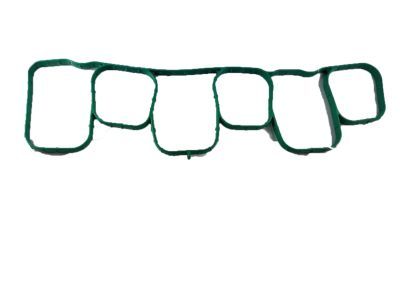
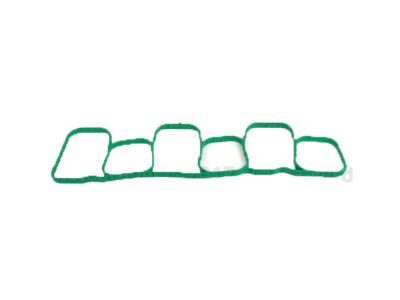
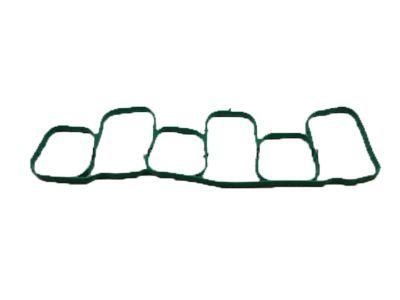
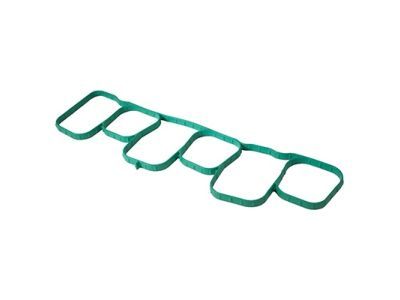
Lincoln Intake Manifold Gasket, Upper Part Number: AT4Z-9H486-A
$22.21 MSRP: $31.50You Save: $9.29 (30%)Ships in 1 Business DayProduct Specifications- Other Name: Gasket; Engine Intake Manifold Gasket, Upper; Fuel Injection Plenum Gasket; Manifold Gasket; Plenum Gasket
- Position: Upper
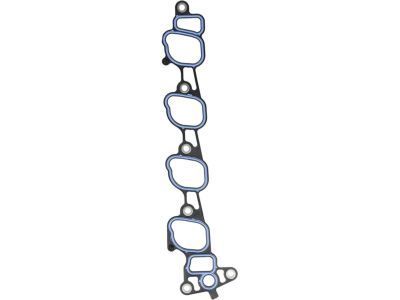
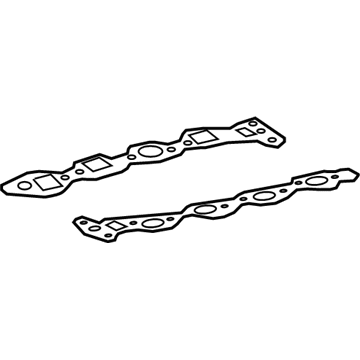
Lincoln Intake Manifold Gasket, Lower Part Number: YL3Z-9439-BA
$28.74 MSRP: $41.83You Save: $13.09 (32%)Product Specifications- Other Name: Gasket - Intake Manifold; Engine Intake Manifold Gasket, Left Lower, Lower; Manifold Gasket
- Manufacturer Note: 1 Per Package
- Position: Lower
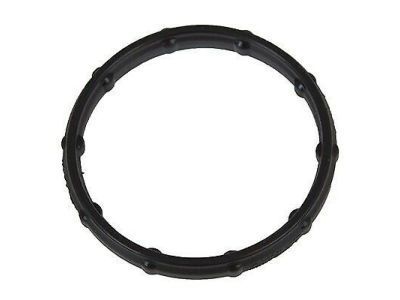

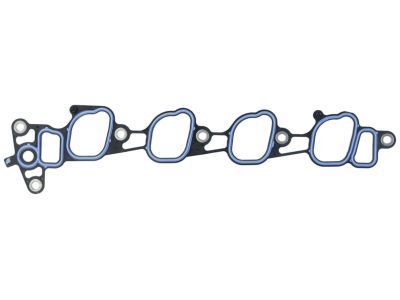
Lincoln Intake Manifold Gasket Part Number: AA5Z-9439-BA
$13.28 MSRP: $18.83You Save: $5.55 (30%)Ships in 1-2 Business DaysProduct Specifications- Other Name: Gasket - Intake Manifold; Engine Intake Manifold Gasket; Manifold Gasket

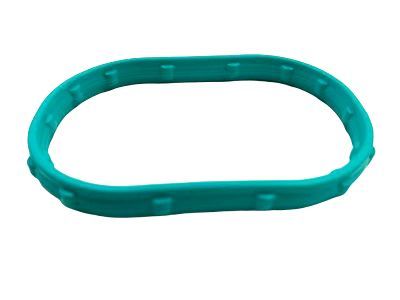
Lincoln Intake Manifold Gasket, Lower Driver Side Part Number: 1L3Z-9439-BB
$46.40 MSRP: $69.48You Save: $23.08 (34%)Ships in 1 Business DayProduct Specifications- Other Name: Gasket - Intake Manifold; Engine Intake Manifold Gasket, Left Lower; Cover Seal; Manifold Gasket; Cover Gasket
- Position: Driver Side
- Replaces: 1L3Z-9439-BA

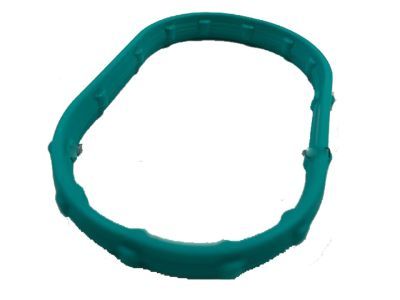
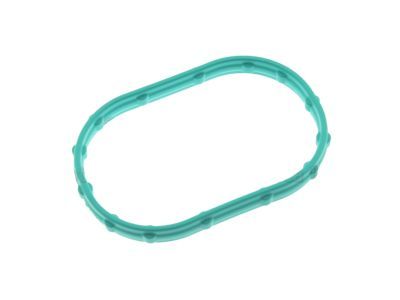
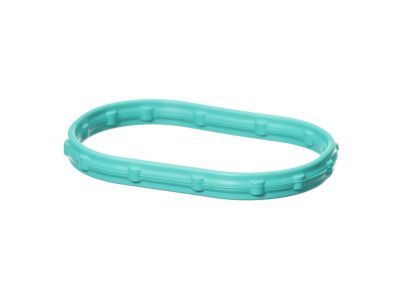
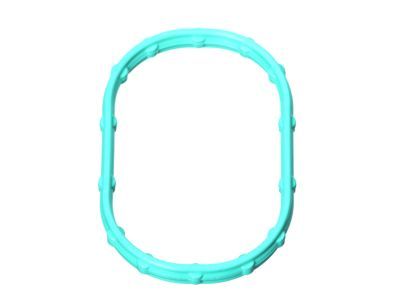
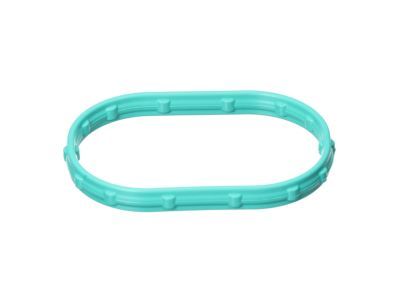
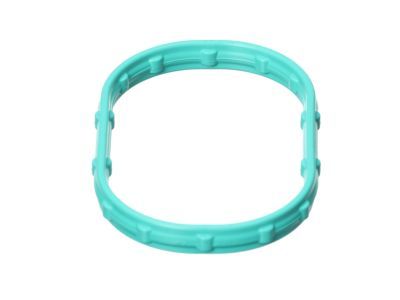

Lincoln Intake Manifold Gasket Part Number: AA5Z-9439-A
$3.14 MSRP: $4.45You Save: $1.31 (30%)Ships in 1 Business DayProduct Specifications- Other Name: Gasket - Intake Manifold; Engine Intake Manifold Gasket; Manifold Gasket; Gasket
- Manufacturer Note: Qty. 6 Per Pack
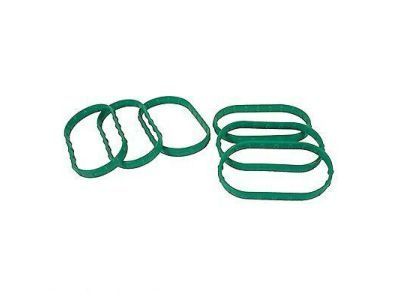

Lincoln Intake Manifold Gasket Part Number: FL3Z-9439-A
$4.62 MSRP: $6.56You Save: $1.94 (30%)Ships in 1 Business DayProduct Specifications- Other Name: Gasket - Intake Manifold; Engine Intake Manifold Gasket; Manifold Gasket
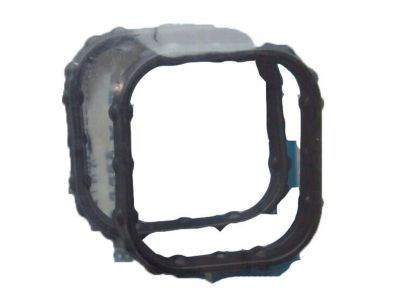

Lincoln Intake Manifold Gasket, Lower Part Number: BL3Z-9439-A
$6.76Ships in 1 Business DayProduct Specifications- Other Name: Gasket - Intake Manifold; Lower Engine Intake Manifold Gasket; Coolant Outlet Gasket; Coolant Pipe Seal
- Position: Lower
- Replaces: 7T4Z-9439-B
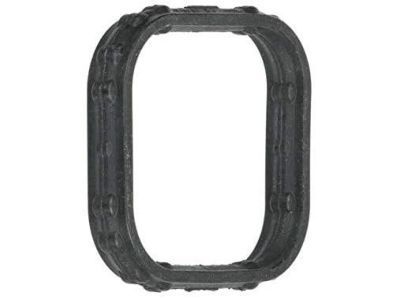
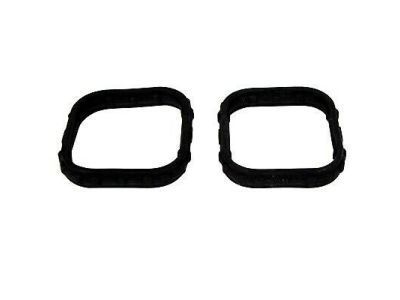
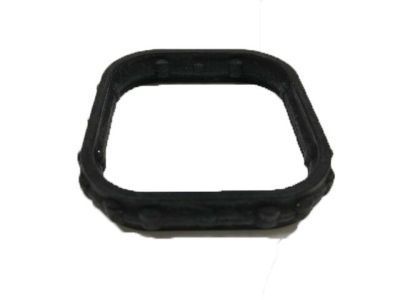
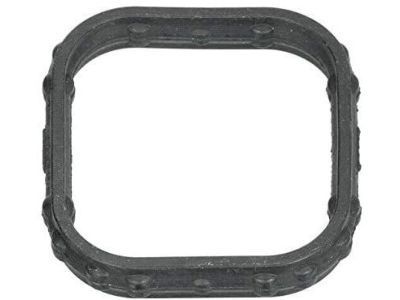

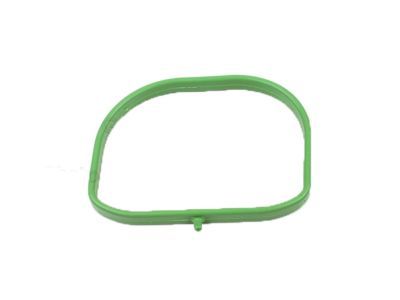
Lincoln Intake Manifold Gasket, Lower Part Number: 7T4Z-9439-D
$4.98 MSRP: $7.06You Save: $2.08 (30%)Ships in 1 Business DayProduct Specifications- Other Name: Gasket - Intake Manifold; Engine Intake Manifold Gasket, Lower; Manifold Gasket; Gasket
- Position: Lower


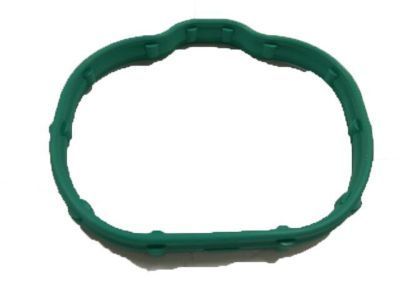
Lincoln Intake Manifold Gasket Part Number: 1S7Z-9439-AA
$8.93 MSRP: $12.67You Save: $3.74 (30%)Ships in 1 Business DayProduct Specifications- Other Name: Gasket - Intake Manifold; Engine Intake Manifold Gasket; Manifold Gasket
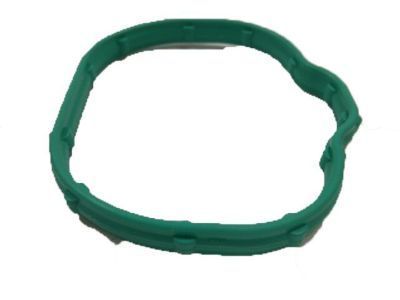

Lincoln Intake Manifold Gasket, Lower Part Number: 7T4Z-9439-E
$6.20 MSRP: $8.81You Save: $2.61 (30%)Ships in 1 Business DayProduct Specifications- Other Name: Gasket - Intake Manifold; Engine Intake Manifold Gasket, Lower; Manifold Gasket; Gasket
- Position: Lower
- Replaces: 7T4Z-9439-A
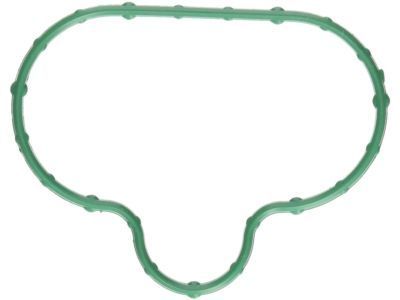

Lincoln Intake Manifold Gasket, Lower Part Number: 3F1Z-9439-AA
$13.05 MSRP: $18.83You Save: $5.78 (31%)Ships in 1-2 Business DaysProduct Specifications- Other Name: Gasket - Intake Manifold; Lower Engine Intake Manifold Gasket Set.; Manifold Gasket
- Position: Lower
- Replaces: YF1Z-9439-AC
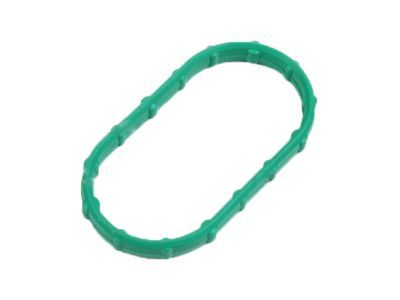
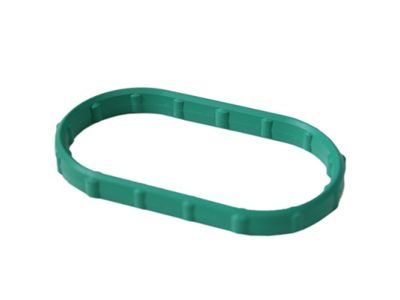

Lincoln Intake Manifold Gasket, Upper Part Number: 3F1Z-9H486-AA
$24.62 MSRP: $35.83You Save: $11.21 (32%)Ships in 1 Business DayProduct Specifications- Other Name: Gasket; Fuel Injection Plenum Gasket Set; Engine Intake Manifold Gasket Set.; Manifold Gasket; Plenum Gasket
- Manufacturer Note: 3.0L, DOHC
- Position: Upper
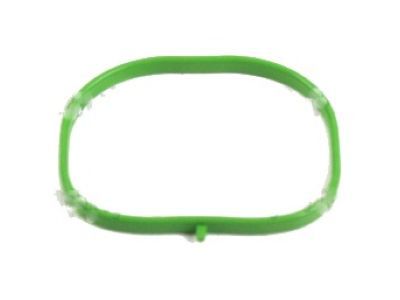
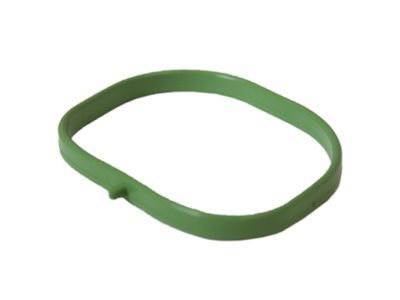

Lincoln Intake Manifold Gasket Part Number: 8E5Z-9439-A
$10.12 MSRP: $14.35You Save: $4.23 (30%)Ships in 1 Business DayProduct Specifications- Other Name: Gasket - Intake Manifold; Engine Intake Manifold Gasket; Manifold Gasket
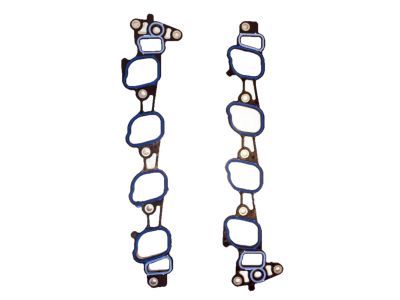
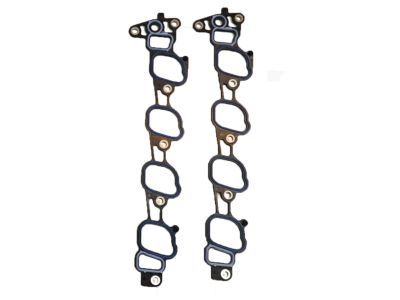
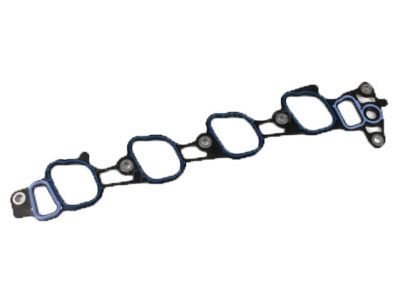
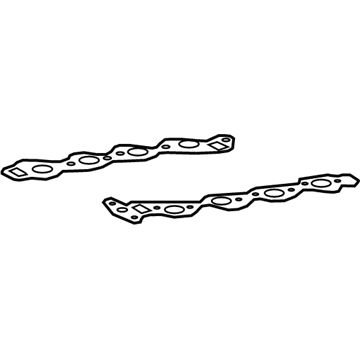
Lincoln Intake Manifold Gasket, Lower Part Number: 4C2Z-9439-CC
$29.90 MSRP: $42.42You Save: $12.52 (30%)Ships in 1 Business DayProduct Specifications- Other Name: Gasket - Intake Manifold; Engine Intake Manifold Gasket, Lower; Manifold Gasket; Gasket
- Manufacturer Note: 2 Per Package
- Position: Lower
- Replaces: 4C2Z-9439-CA
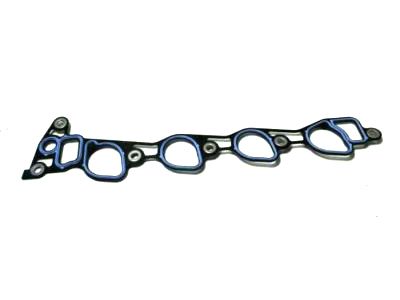
Lincoln Intake Manifold Gasket, Lower Part Number: XW7Z-9439-AA
$50.09 MSRP: $75.00You Save: $24.91 (34%)Product Specifications- Other Name: Gasket; Engine Intake Manifold Gasket, Lower; Manifold Gasket
- Position: Lower
- Replaces: F6AZ-9439-A
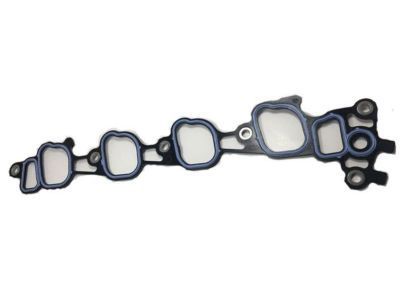
Lincoln Intake Manifold Gasket, Lower Part Number: 2L3Z-9439-AA
$34.66 MSRP: $49.17You Save: $14.51 (30%)Ships in 1-2 Business DaysProduct Specifications- Other Name: Gasket - Intake Manifold; Engine Intake Manifold Gasket, Lower; Manifold Gasket
- Manufacturer Note: LH & RH
- Position: Lower
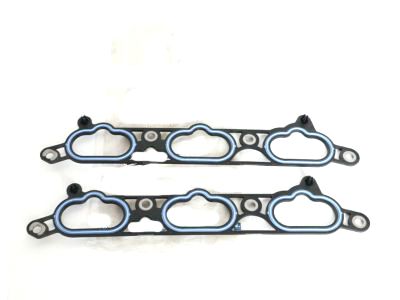
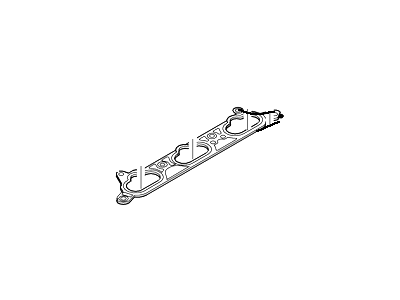
Lincoln Manifold Gasket Part Number: XW4Z-9439-AD
$22.15 MSRP: $30.14You Save: $7.99 (27%)Product Specifications- Other Name: Gasket; Engine Intake Manifold Gasket Set; Intake Manifold Gasket Set; Intake Manifold Gasket
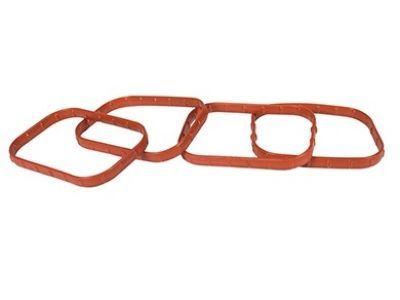
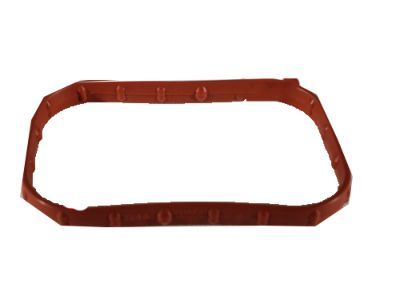
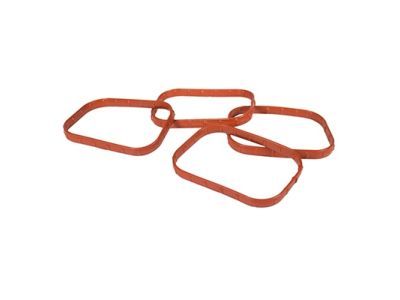

Lincoln Intake Manifold Gasket, Upper Part Number: CJ5Z-9439-A
$4.21 MSRP: $5.96You Save: $1.75 (30%)Product Specifications- Other Name: Gasket - Intake Manifold; Fuel Injection Plenum Gasket, Upper; Engine Intake Manifold Gasket; Manifold Gasket
- Position: Upper
| Page 1 of 3 |Next >
1-20 of 42 Results
Lincoln Intake Manifold Gasket
If you own Lincoln and want to keep it in top shape, choosing OEM Intake Manifold Gasket is a smart move. They are precisely engineered and follow strict factory standards. They are made in advanced facilities that use cutting edge technology. Each part goes through thorough testing to confirm strength and safety, so you can trust it. FordPartsDeal.com gives you genuine Lincoln Intake Manifold Gasket at some of the affordable online prices without cutting quality. Every OEM Lincoln part includes the manufacturer's warranty, easy returns, and super-fast delivery. So why wait? Shop now and get your vehicle back to peak condition.
Lincoln Intake Manifold Gasket ensures that air fuel mixture remains constant by compensating the space between the manifold and the cylinder head allowing the driver to have a smoother power and to improve the mileage. The brand believes in silent cabins and a strong seal of a Lincoln Intake Manifold Gasket fits perfectly well with the brand concept of Quiet Flight and Co-Pilot360, ActiveGlide, soft leathers and clear digital displays are safety and luxury features the teens and adults will find on every ride. Launched in 1917 and reinforced since its 1922 acquisition by Ford, Lincoln has continued to add new technology every year and pays attention to customer feedback, so consideration of attention to detail, service training, noise minimization, etc. all combine to make travel serene. A Lincoln Intake Manifold Gasket itself is an accurately shaped composite that prevents the leakage of air, coolant, and vacuum, ensures the maintenance of balanced combustion, and the maintenance of temperatures. To replace the Lincoln Intake Manifold Gasket, disconnect the battery first, relieve fuel pressure and remove intake tubing, sensors and bolts. Take the old off, scrape down old stuff, and examine both surfaces against warps, fit the new gasket either dry or using an authorized sealant. Install dowels, hand-tighten each bolt and then tighten them in a cross pattern to factory torque. Reconnect hoses, sensors and ducts, fill fluids, reconnect battery, start engine and monitor leaks and stable idle.