FordParts
My Garage
My Account
Cart
OEM Lincoln Fuel Tank Vent Valve
- Select Vehicle by Model
- Select Vehicle by VIN
Select Vehicle by Model
orMake
Model
Year
Select Vehicle by VIN
For the most accurate results, select vehicle by your VIN (Vehicle Identification Number).
2 Fuel Tank Vent Valves found
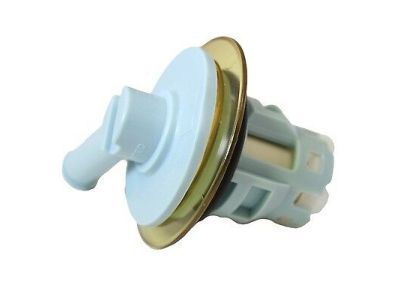
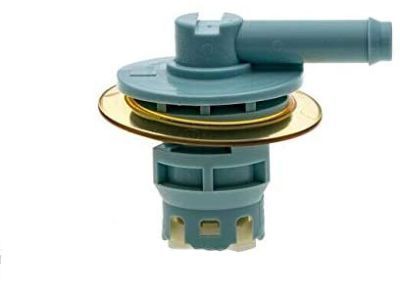

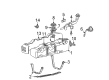
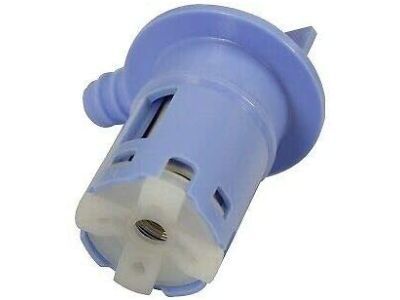
Lincoln Fuel Tank Vent Valve Part Number: F65Z-9B593-DA
$55.34 MSRP: $79.17You Save: $23.83 (31%)Ships in 1-3 Business DaysProduct Specifications- Other Name: Valve Assembly - Fuel Vapour; Emission Check Valve; Vapor Valve
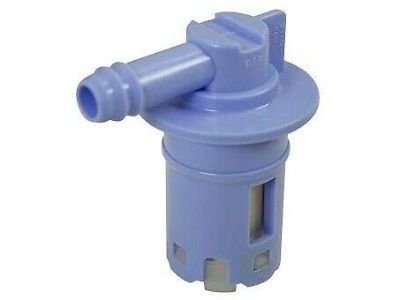
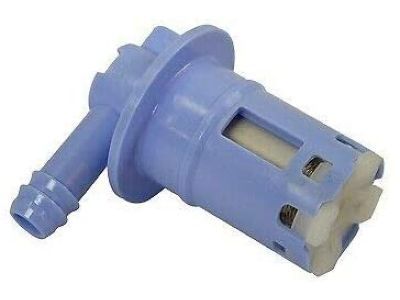
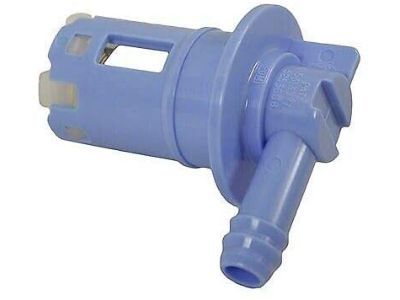
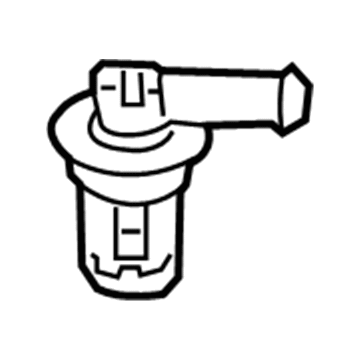
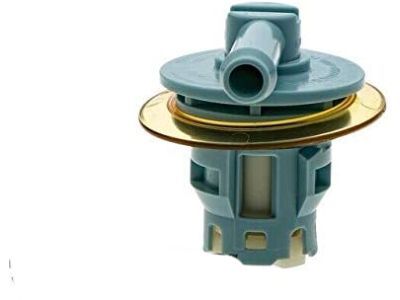
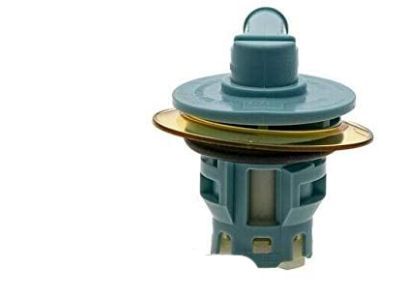
Lincoln Fuel Tank Vent Valve Part Number: F8DZ-9B593-AB
$22.44 MSRP: $34.73You Save: $12.29 (36%)Ships in 1 Business DayProduct Specifications- Other Name: Valve Assembly - Fuel Vapour; Vapor Canister Purge Valve Assembly; Valve Assembly; Vapor Valve
Lincoln Fuel Tank Vent Valve
If you own Lincoln and want to keep it in top shape, choosing OEM Fuel Tank Vent Valve is a smart move. They are precisely engineered and follow strict factory standards. They are made in advanced facilities that use cutting edge technology. Each part goes through thorough testing to confirm strength and safety, so you can trust it. FordPartsDeal.com gives you genuine Lincoln Fuel Tank Vent Valve at some of the affordable online prices without cutting quality. Every OEM Lincoln part includes the manufacturer's warranty, easy returns, and super-fast delivery. So why wait? Shop now and get your vehicle back to peak condition.
The Lincoln Fuel Tank Vent Valve maintains the balance of the vapor pressure and the low emissions and allows the gas tank to breathe normally. Lincoln concentrates on Quiet Flight, insulation, and smooth powertrains to make passenger rides silent, and the company equips cabins with soft surfaces, big touch screens, and the Co-Pilot360 set that includes lane keeping, blind-spot warnings, auto high-beams, and parking assist which helps passengers have silent rides. There is also ActiveGlide in its brand which allows the driver to ride hands-free on approved roads, and the brand consults with its owners annually to perfect comfort and technology, which explains why Lincoln can always be relied upon as a luxury brand. Fuel Tank Vent Valve is a tiny component of EVAP that opens and closes to channel fuel vapors to charcoal canister to avoid swelling of the tank and maintain the air clean. Installation of a Lincoln Fuel Tank Vent Valve requires first parking on a level ground, brake on, disconnect the battery, and wait till all the fuel pressure is emptied. Now, find the valve next to the tank or the charcoal canister then label each of the vapor hoses and the electrical plug and then loosen the retaining clip or screws and pull the old valve out. Check seals, insert the new Lincoln Fuel Tank Vent Valve until the arrow points in the direction of the flow, fasten it with the snapper or bolts, reconnect the hoses and the wire, clear any error codes, and start the engine to ensure the absence of any leaks and a stable idle.
Related Lincoln Parts
 Lincoln Air Filter
 Lincoln Accelerator Cable
 Lincoln Fuel Filler Hose
 Lincoln Fuel Pressure Sensor
 Lincoln Fuel Pump Gasket
 Lincoln Fuel Pump Seal
 Lincoln Fuel Tank Lock Ring
 Lincoln Intake Manifold
 Lincoln Intake Manifold Gasket
 Lincoln Throttle Body
 Lincoln Throttle Body Gasket
 Lincoln Throttle Cable