FordParts
My Garage
My Account
Cart
OEM Lincoln Torque Converter
Transmission Torque Converter- Select Vehicle by Model
- Select Vehicle by VIN
Select Vehicle by Model
orMake
Model
Year
Select Vehicle by VIN
For the most accurate results, select vehicle by your VIN (Vehicle Identification Number).
24 Torque Converters found
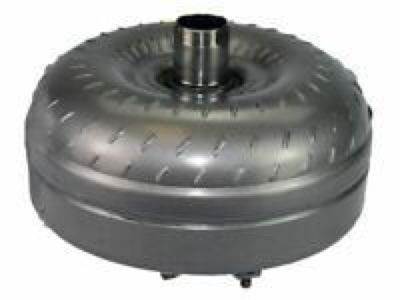
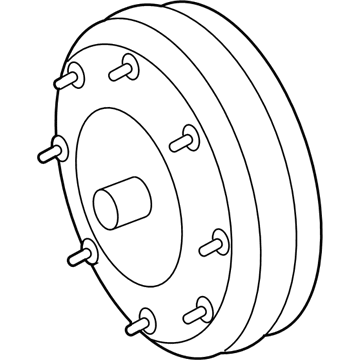
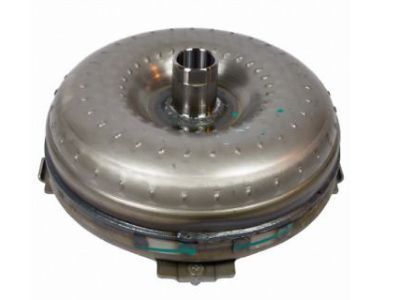
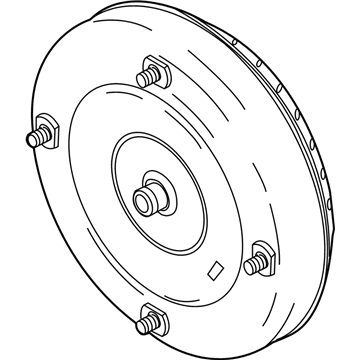
Lincoln Torque Converter Part Number: DA8Z-7902-F
$393.52 MSRP: $575.70You Save: $182.18 (32%)Ships in 1-3 Business DaysProduct Specifications- Other Name: Converter Assembly; Automatic Transmission Torque Converter; Converter
- Manufacturer Note: 3 Bolt Converter
- Replaces: DA8Z-7902-E
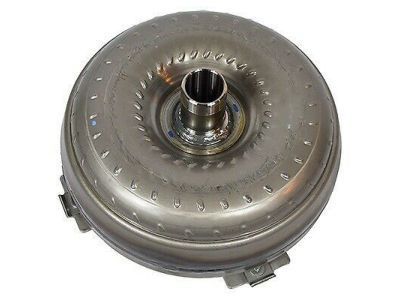
Lincoln Torque Converter Part Number: BB5Z-7902-FRM
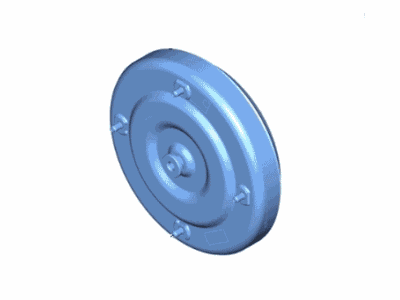
$262.68 MSRP: $575.92You Save: $313.24 (55%)Product Specifications- Other Name: Remanufactured Converter Assembly; Converter; Converter Assembly
- Manufacturer Note: Remanufactured
- Replaced by: BB5Z-7902-FARM
- Replaces: BB5Z-7902-E
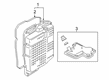
Lincoln Torque Converter Part Number: K2GZ-7902-F
$311.33 MSRP: $455.00You Save: $143.67 (32%)Ships in 1-3 Business DaysProduct Specifications- Other Name: Converter Assembly
- Replaces: K2GZ-7902-A
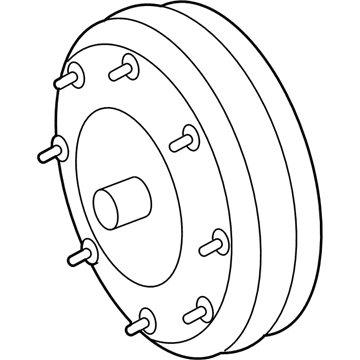
Lincoln Torque Converter Part Number: DA5Z-7902-A
$421.07 MSRP: $616.15You Save: $195.08 (32%)Ships in 1-3 Business DaysProduct Specifications- Other Name: Converter Assembly; Automatic Transmission Torque Converter; Converter
- Manufacturer Note: 3 Bolt Converter
- Replaces: DA5Z-7902-D
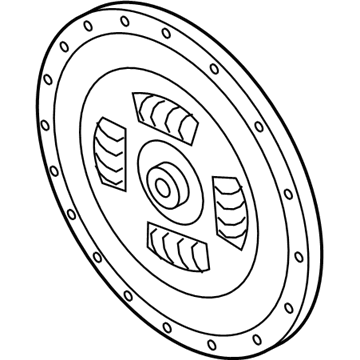
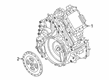
Lincoln Torque Converter Part Number: NZ6Z-7550-A
$123.66 MSRP: $166.15You Save: $42.49 (26%)Ships in 1-2 Business DaysProduct Specifications- Other Name: Disc Assembly - Clutch; Clutch Kit; Clutch
- Replaced by: NZ6Z-7550-B

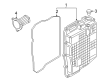
Lincoln Converter Assembly Part Number: JM5Z-7902-J
$808.10 MSRP: $1195.00You Save: $386.90 (33%)Ships in 1-2 Business DaysProduct Specifications- Other Name: CONVERTER ASY
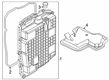
Lincoln Converter Assembly Part Number: JM5Z-7902-Q
$244.36 MSRP: $356.67You Save: $112.31 (32%)Ships in 1-3 Business DaysProduct Specifications- Other Name: CONVERTER ASY
- Replaced by: JM5Z-7902-X
- Replaces: JM5Z-7902-L
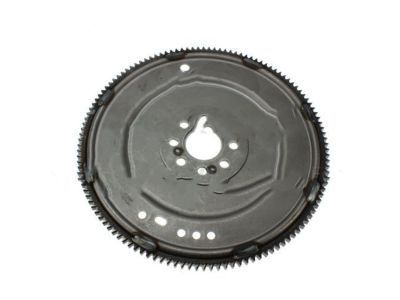
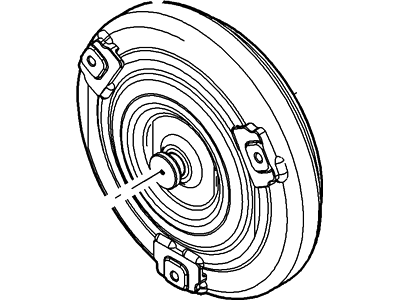
Lincoln Torque Converter Part Number: 9E9Z-7902-BRM
$258.66 MSRP: $377.67You Save: $119.01 (32%)Product Specifications- Other Name: Remanufactured Converter Assembly; Converter Assembly
- Manufacturer Note: Remanufactured
- Replaces: 9E9Z-7902-B
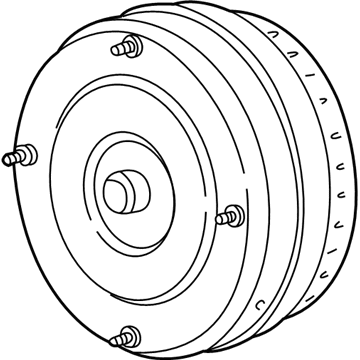
Lincoln Converter Part Number: F8AZ-7902-AARM
Product Specifications- Other Name: Remanufactured Converter Assembly; Automatic Transmission Torque Converter; Converter Assembly
- Replaces: 1L3Z-7902-BARM, F5AZ-7902-ARM, F7AZ-7902-AARM
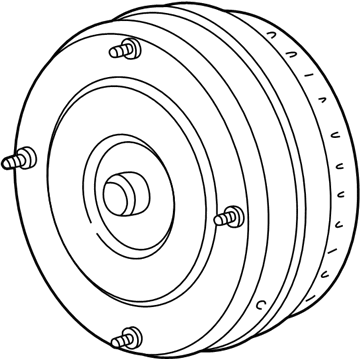
Lincoln Converter Part Number: 7W7Z-7902-BRM
Product Specifications- Other Name: Remanufactured Converter Assembly; Automatic Transmission Torque Converter; Converter Assembly
- Manufacturer Note: Remanufactured
- Replaces: 7W7Z-7902-A, 9W7Z-7902-A, 7W7Z-7902-B
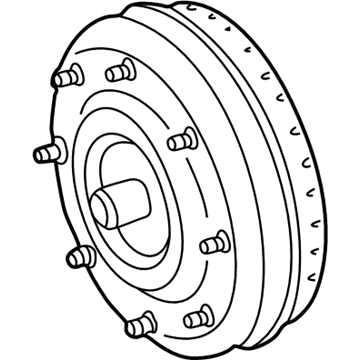
Lincoln Torque Converter Part Number: 7R3Z-7902-ARM
Product Specifications- Other Name: Remanufactured Converter Assembly; Automatic Transmission Torque Converter; Converter
- Replaces: 7R3Z-7902-A, 3L2Z-7902-CBRM, 4L2Z-7902-CARM
Lincoln Torque Converter Part Number: 7L3Z-7902-HRM
Product Specifications- Other Name: Remanufactured Converter Assembly; Automatic Transmission Torque Converter; Converter
- Replaces: 7L3Z-7902-H, 7L3Z-7902-E
Lincoln Converter Assembly Part Number: JM5Z-7902-FTC
$599.97 MSRP: $886.67You Save: $286.70 (33%)Product Specifications- Other Name: [CONVERTER ASY]
- Replaces: JM5Z-7902-F, JM5Z-7902-B
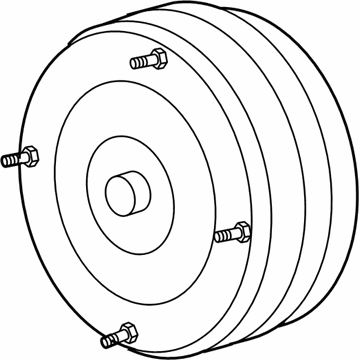
Lincoln Converter Assembly Part Number: HL3Z-7902-BTC
$285.22 MSRP: $416.67You Save: $131.45 (32%)Product Specifications- Other Name: [CONVERTER ASY]
- Replaces: HL3Z-7902-A, HL3Z-7902-B
Lincoln Torque Converter Part Number: 7L3Z-7902-GRM
$329.83 MSRP: $482.17You Save: $152.34 (32%)Product Specifications- Other Name: Remanufactured Converter Assembly; Converter
- Replaces: 7L3Z-7902-G, 9C2Z-7902-A
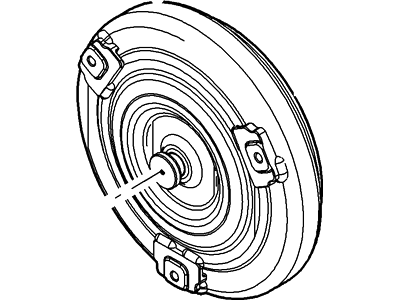
Lincoln Torque Converter Part Number: AA5Z-7902-BRM
$480.89 MSRP: $704.00You Save: $223.11 (32%)Product Specifications- Other Name: Remanufactured Converter Assembly; Converter Assembly
- Manufacturer Note: Remanufactured
- Replaces: AA5Z-7902-B
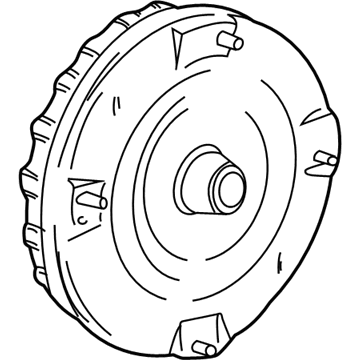
Lincoln Converter Part Number: F8LZ-7902-BARM
Product Specifications- Other Name: Remanufactured Converter Assembly; Automatic Transmission Torque Converter; Converter Assembly
- Replaces: 1W7Z-7902-AARM, F7LZ-7902-BARM, F8LZ-7902-AARM
Lincoln Converter Part Number: F4LY-7902-ARM
Product Specifications- Other Name: Converter Assembly
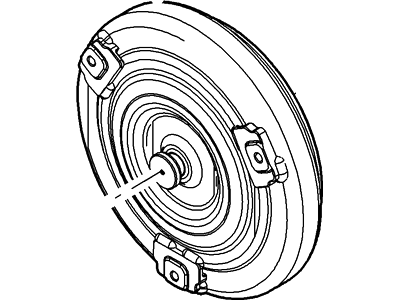
Lincoln Torque Converter Part Number: AA5Z-7902-ARM
Product Specifications- Other Name: Remanufactured Converter Assembly; Converter Assembly
- Manufacturer Note: Remanufactured
- Replaces: AA5Z-7902-A
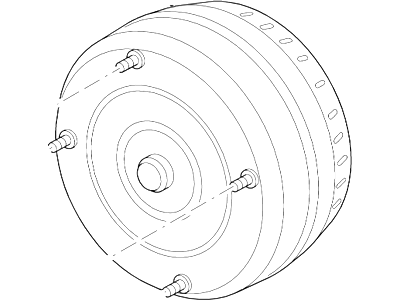
Lincoln Torque Converter Part Number: 7L3Z-7902-JRM
Product Specifications- Other Name: Remanufactured Converter Assembly; Converter Assembly
- Manufacturer Note: Remanufactured
- Replaces: 7L3Z-7902-F, 7L3Z-7902-J
| Page 1 of 2 |Next >
1-20 of 24 Results
Lincoln Torque Converter
If you own Lincoln and want to keep it in top shape, choosing OEM Torque Converter is a smart move. They are precisely engineered and follow strict factory standards. They are made in advanced facilities that use cutting edge technology. Each part goes through thorough testing to confirm strength and safety, so you can trust it. FordPartsDeal.com gives you genuine Lincoln Torque Converter at some of the affordable online prices without cutting quality. Every OEM Lincoln part includes the manufacturer's warranty, easy returns, and super-fast delivery. So why wait? Shop now and get your vehicle back to peak condition.
The Lincoln Torque Converter is a fluid coupling that allows your automatic Lincoln to roll out of a stop to acceleration multiplying engine power and giving the engine concerned smooth launches. Lincoln adheres to its Quiet Flight philosophy that provides sound deadening, soft materials, and clear displays to the cabin that ensure each ride is relaxing and luxurious even in coarse pavement. The company was founded in 1917, and, having entered Ford in 1922, increased the production, though it appreciates the feedback of the owners and continual improvement of comfort through additional insulation, powertrain silence, careful storage compartments, easy-to-read infotainments, and soft ambient lighting. The present incapacitated Lincoln models include Co-Pilot360 amenities, such as lane steering, blind spot notices, auto high beam and parking support, and possible ActiveGlide allows the vehicle to drive itself autonomously on charted roads, supported by technology upgrades to future owners of Lincoln. In case of installing a Torque Converter, check the body of the Torque Converter and the transmission pump, fill the Torque Converter with fresh liquid and lightly apply the lubricant on the hub. To install, the unit should be rotated until it fits into place and the transmission kept square to the engine, making sure that the pads align with the flexplate, hand starting should be done, then the bolts should be tightened up uniformly. Check endplay and rotation by reconnecting lines and wiring, adding fluid, firing up the engine, testing gear engagement, watching any leakage, and driving the vehicle through all gears, allowing fluid to warm up, and making a final check of the level during a brief road test.
Related Lincoln Parts
 Lincoln Automatic Transmission Dipstick
 Lincoln Automatic Transmission Filter
 Lincoln Clutch Disc
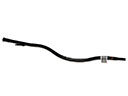 Lincoln Dipstick Tube
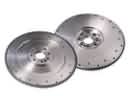 Lincoln Flywheel
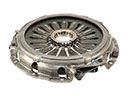 Lincoln Pressure Plate
 Lincoln Pushrod
 Lincoln Shift Cable
 Lincoln Transfer Case Seal
 Lincoln Transmission Assembly
 Lincoln Transmission Drain Plug
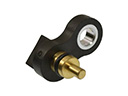 Lincoln Transmission Fluid Temperature Sensor