FordParts
My Garage
My Account
Cart
OEM Mercury Air Suspension Solenoid
Air Compressor Valve- Select Vehicle by Model
- Select Vehicle by VIN
Select Vehicle by Model
orMake
Model
Year
Select Vehicle by VIN
For the most accurate results, select vehicle by your VIN (Vehicle Identification Number).
2 Air Suspension Solenoids found
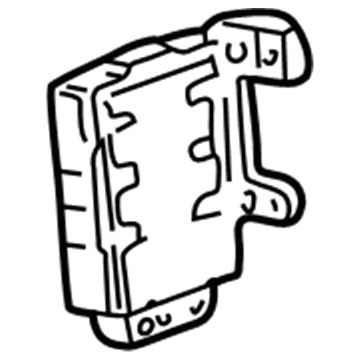
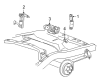
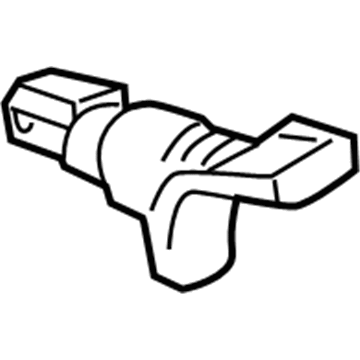
Mercury Solenoid Valve Part Number: 1L1Z-5311-AA
$74.60 MSRP: $103.20You Save: $28.60 (28%)Ships in 1-2 Business DaysProduct Specifications- Other Name: Solenoid Assembly; Suspension Solenoid; Air Suspension Solenoid; Control Module; Solenoid Valve Assembly; Solenoid
- Manufacturer Note: located on frame in front and middle, FROM 6/7/01
- Replaces: F57Z-5311-AA
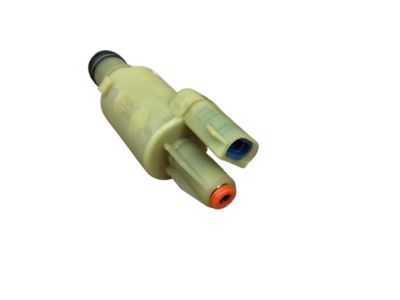
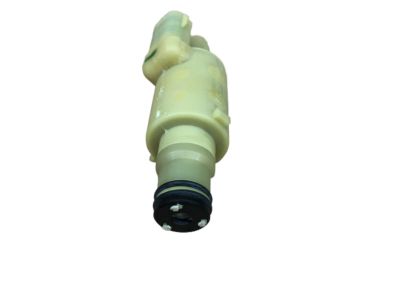
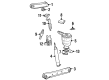
Mercury Solenoid Valve, Rear Part Number: FOVY-5311-B
Product Specifications- Other Name: Kit; Air Suspension Solenoid; Valve Solenoid; Spring Valve
- Position: Rear
Mercury Air Suspension Solenoid
If you own Mercury and want to keep it in top shape, choosing OEM Air Suspension Solenoid is a smart move. They are precisely engineered and follow strict factory standards. They are made in advanced facilities that use cutting edge technology. Each part goes through thorough testing to confirm strength and safety, so you can trust it. FordPartsDeal.com gives you genuine Mercury Air Suspension Solenoid at some of the affordable online prices without cutting quality. Every OEM Mercury part includes the manufacturer's warranty, easy returns, and super-fast delivery. So why wait? Shop now and get your vehicle back to peak condition.
The Mercury Air Suspension Solenoid is a suspension that maintains your car at the ideal height and enhances the comfort on the road and response time. In 1938, Mercury was born and named after the Roman messenger who was fast, always sought a smoother ride, crisp styling, and cabins which reduce the noise. The models such as the Cougar and Grand Marquis were proudly shown in Mercury showrooms as they immersed themselves in value and a sophisticated feel and even till the production ceased in 2011 the legacy of smooth suspension in the brand lives on. The same tradition has been carried on by the small Air Suspension Solenoid deployed in its self leveling systems, which is actually an electro mechanical valve that controls the flow of air in and out of the air springs to actually level ride height and load. A homemade replacement of a Mercury Air Suspension Solenoid follows: parking on a smooth surface, depressurizing the suspension, and disconnecting the battery. The second step is to find the valve block, label and loosen all air lines and electrical connector and remove the defective unit. Clean the ports, relocate any reuseable O-rings and get the new Air Suspension Solenoid installed at the point squarely to prevent leakages. Reconnect the lines and wiring and reconnect power, and allow the compressor to pressurize the system as you hear hissing. Last but not the least, Mercury drivers are expected to clear fault codes, re-calibrate ride height where needed, and do a short drive to test the repair.
Related Mercury Parts
 Mercury Coil Spring Insulator
 Mercury Coil Springs
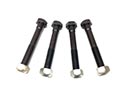 Mercury Control Arm Bolt
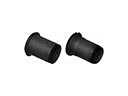 Mercury Control Arm Bushing
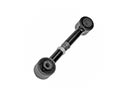 Mercury Lateral Link
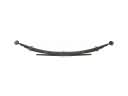 Mercury Leaf Spring
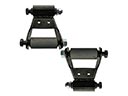 Mercury Leaf Spring Shackle
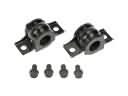 Mercury Sway Bar Bracket
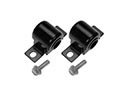 Mercury Sway Bar Bushing
 Mercury Sway Bar Link Bushing
 Mercury Track Bar
 Mercury Trailing Arm