FordParts
My Garage
My Account
Cart
OEM Mercury Radius Arm Bushing
Front Suspension Radius Arm Bushing- Select Vehicle by Model
- Select Vehicle by VIN
Select Vehicle by Model
orMake
Model
Year
Select Vehicle by VIN
For the most accurate results, select vehicle by your VIN (Vehicle Identification Number).
13 Radius Arm Bushings found
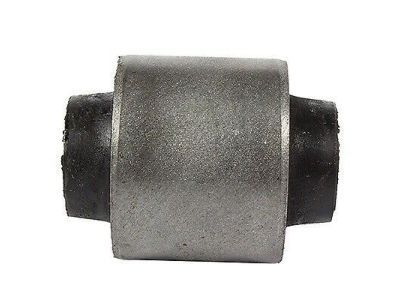
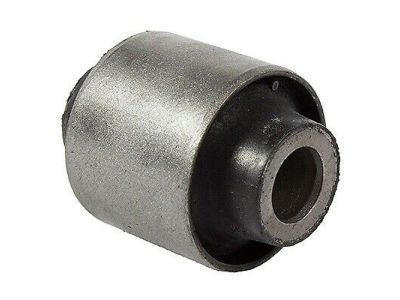
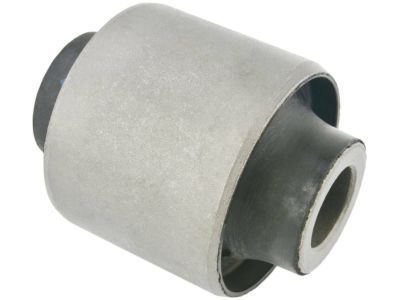
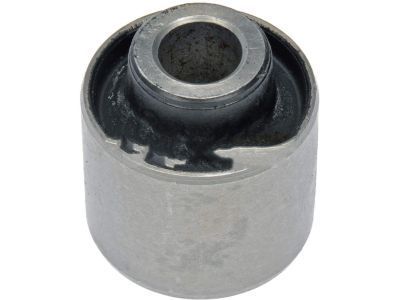

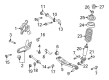
Mercury Lower Control Arm Bushing, Rear Upper Outer Part Number: 6L2Z-5A638-EB
$21.18 MSRP: $30.83You Save: $9.65 (32%)Ships in 1-2 Business DaysProduct Specifications- Other Name: Bush; Suspension Control Arm Bushing, Rear Lower Outer Rearward, Rear Upper Outer; Steering Knuckle Bushing
- Position: Rear Upper Lower Outer
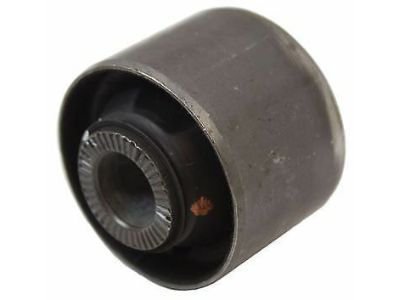
Mercury Trailing Arm Bushing, Rear Part Number: AL8Z-5A638-A
$43.11 MSRP: $61.67You Save: $18.56 (31%)Ships in 1-2 Business DaysProduct Specifications- Other Name: Bush; Suspension Trailing Arm Bushing, Rear; Bushing; Bushings
- Position: Rear
- Replaces: 5L8Z-5A638-AA, YL8Z-5A638-AA
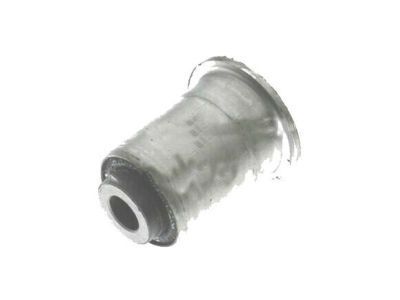
Mercury Lower Control Arm Inner Bushing, Rear Part Number: 5F9Z-4381-BA
$16.42 MSRP: $22.34You Save: $5.92 (27%)Product Specifications- Other Name: Bushing; Suspension Control Arm Bushing, Rear Lower Inner
- Position: Rear Lower Inner
Mercury Upper Arm Bushing Part Number: F8AZ-5A638-BA
$13.78 MSRP: $18.75You Save: $4.97 (27%)Product Specifications- Other Name: Bush; Control Arm Bushing; Bushings
- Manufacturer Note: STANDARD SUSPENSION
- Position: Upper
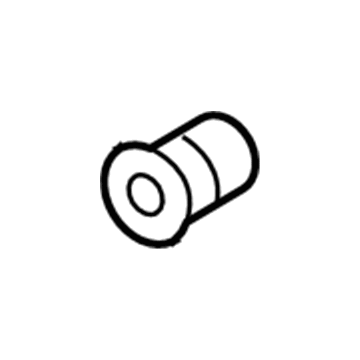
Mercury Lower Control Arm Lower Bushing, Rear Inner Part Number: 5F9Z-4381-AA
$15.79 MSRP: $21.49You Save: $5.70 (27%)Product Specifications- Other Name: Bushing; Suspension Control Arm Bushing, Rear Lower Inner
- Position: Rear Lower Inner
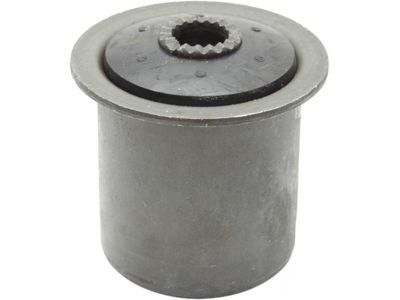
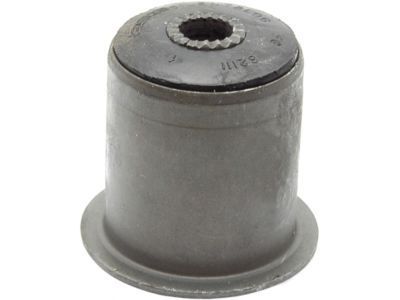
Mercury Lower Control Arm Bushing, Rear Part Number: 1R3Z-5A638-BA
$29.38 MSRP: $41.67You Save: $12.29 (30%)Product Specifications- Other Name: Bush; Suspension Control Arm Bushing, Rear; Axle Support Bushing; Bushings; Control Arm Bushing
- Position: Rear Lower
- Replaces: F6ZZ-5A638-AA, E4SZ-5A638-A
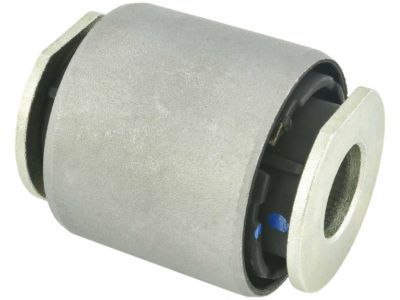
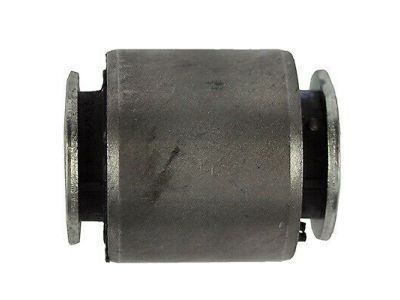
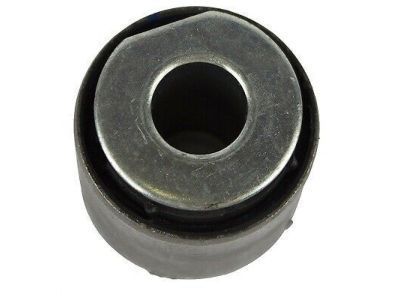
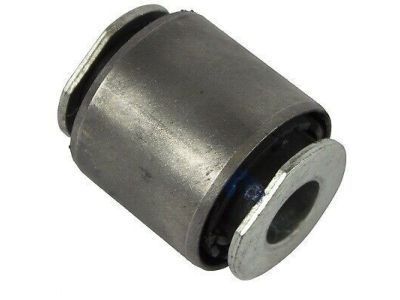

Mercury Upper Control Arm Bushing, Rear Part Number: 6L2Z-5A638-CE
Product Specifications- Other Name: Bush; Suspension Control Arm Bushing, Rear Upper Outer; Suspension Knuckle Bushing, Rear Upper; Steering Knuckle Bushing; Knuckle Upper Bushing; Control Arm Bushing
- Position: Rear Upper
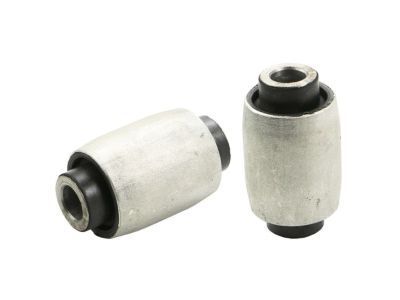

Mercury Knuckle Bushing, Rear Lower Outer Part Number: 5F9Z-5A638-BA
Product Specifications- Other Name: Bush; Suspension Control Arm Bushing, Rear Lower Outer
- Position: Rear Lower Outer
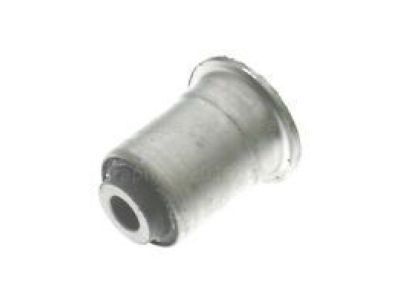
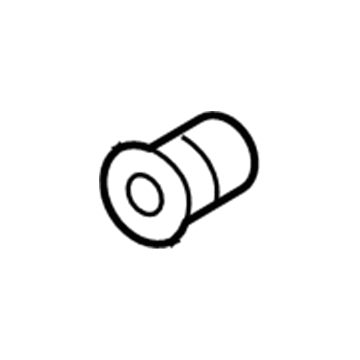
Mercury Knuckle Bushing, Rear Lower Outer Part Number: 5F9Z-5A638-AA
Product Specifications- Other Name: Bush; Suspension Control Arm Bushing, Rear Lower Outer
- Position: Rear Lower Outer
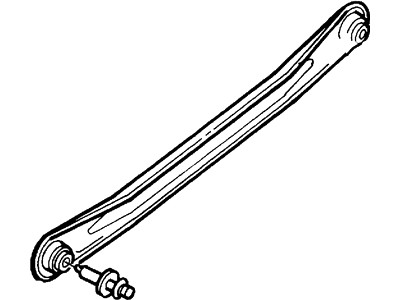
Mercury Trailing Arm Bushing Part Number: F5RZ-5A638-B
Product Specifications- Other Name: Bush; Suspension Trailing Arm Bushing; Bushings
- Manufacturer Note: Bushing for the 5K898 and the 4A013
Mercury Front Control Arm Bushing Part Number: F5RZ-5A638-A
Product Specifications- Other Name: Bush; Control Arm Bushing; Axle Beam Mount
- Manufacturer Note: Bushing for the 5500
- Position: Front
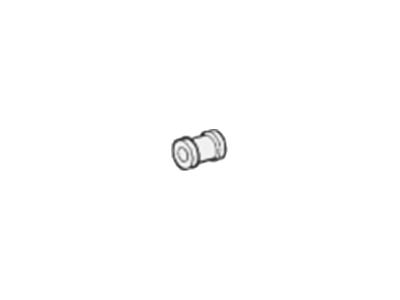
Mercury Upper Control Arm Bushing Part Number: F2SZ-5A638-A
Product Specifications- Other Name: Bush; Suspension Control Arm Bushing; Control Arm Bushing; Bushings
- Position: Upper

Mercury Knuckle Bushing Part Number: 5F9Z-5A638-AB
Product Specifications- Other Name: Bush; Suspension Knuckle Bushing; Steering Knuckle Bushing; Control Arm Bushing; Axle Pivot Bushing
Mercury Radius Arm Bushing
If you own Mercury and want to keep it in top shape, choosing OEM Radius Arm Bushing is a smart move. They are precisely engineered and follow strict factory standards. They are made in advanced facilities that use cutting edge technology. Each part goes through thorough testing to confirm strength and safety, so you can trust it. FordPartsDeal.com gives you genuine Mercury Radius Arm Bushing at some of the affordable online prices without cutting quality. Every OEM Mercury part includes the manufacturer's warranty, easy returns, and super-fast delivery. So why wait? Shop now and get your vehicle back to peak condition.
The Mercury Radius Arm Bushing maintains the direction of the steering straight and removes the road shock to ensure that the driver is comfortable in every journey. Mercury started in 1938 and in the 1939 models, it stood apart by balancing a comfort ride with sharp eye-catching styling that continued on to the legends of the icons like the Cougar and Grand Marquis. Mercury gave the family more comfortable rides with spacious cabins, sound interiors and well-adjusted suspension and at no cost of value. A decades-long balance between feel and price saw the brand perfecting the basic technologies, and helped it have a unique identity in the showroom until 2011, when production was abandoned, but still, many people use their Mercury to commutate to work and enjoy weekends. Radius Arm Bushing is a hard rubber cover that allows the radius arm to bend but keeps caster still, and minimizes vibration, which keeps the wheels in line in acceleration and braking. In order to install a Mercury Radius Arm Bushing, it is important to park on a flat surface, chock the wheels and lift and firmly hold frame and axle. Indicate the position of the arm, hold the arm itself, then loosen the fasteners and take off the Radius Arm Bushing that is worn out. Wipe the bore, lay on a little lubricant and press the new Radius Arm Bushing in to place. Reassemble the arm, initially assemble all the hardware manually, set the vehicle to normal ride height, tighten bolts to, and verify, alignment, and finally, a short road test to verify steering stability, and quietness.
Related Mercury Parts
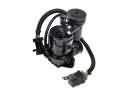 Mercury Air Suspension Compressor
 Mercury Control Arm Bolt
 Mercury Control Arm Bracket
 Mercury Crossmember Bushing
 Mercury Lateral Link
 Mercury Strut Bearing
 Mercury Strut Mounts
 Mercury Sway Bar Bushing
 Mercury Sway Bar Link
 Mercury Torsion Bar
 Mercury Trailing Arm
 Mercury Trailing Arm Bushing