FordParts
My Garage
My Account
Cart
OEM Mercury Catalytic Converter
Cat. Converter- Select Vehicle by Model
- Select Vehicle by VIN
Select Vehicle by Model
orMake
Model
Year
Select Vehicle by VIN
For the most accurate results, select vehicle by your VIN (Vehicle Identification Number).
186 Catalytic Converters found
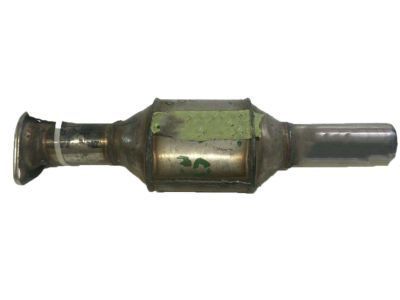
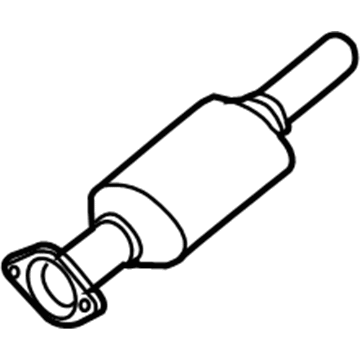
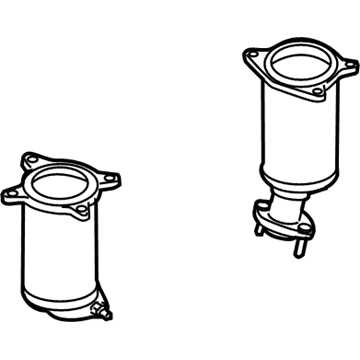
Mercury Catalytic Converter, Rear Part Number: AL8Z-5E212-H
$310.64 MSRP: $400.71You Save: $90.07 (23%)Product Specifications- Other Name: Converter Assembly; Catalytic Converter, Rear
- Position: Rear
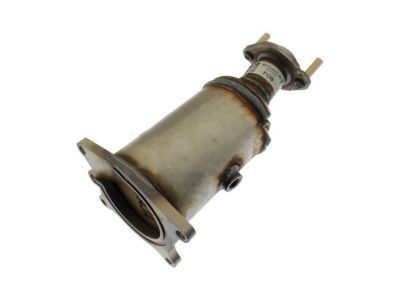
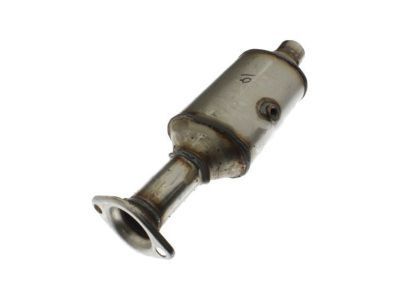
Mercury Catalytic Converter, Rear Passenger Side Part Number: BG1Z-5E212-A
$884.18 MSRP: $1109.43You Save: $225.25 (21%)Product Specifications- Other Name: Converter Assembly; Catalytic Converter, Rear, Right; Converter; Preconverter
- Position: Passenger Side
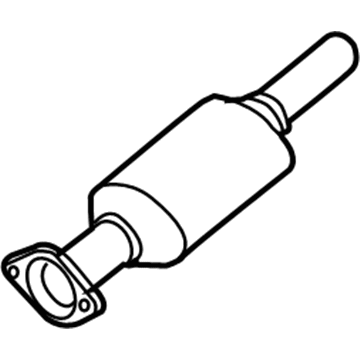
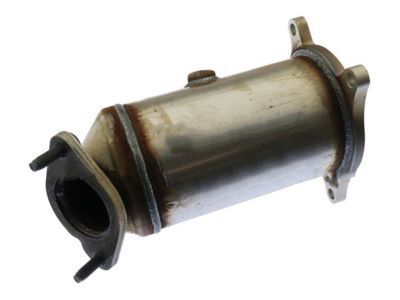
Mercury Catalytic Converter Part Number: AL8Z-5E212-G
$864.38 MSRP: $1084.29You Save: $219.91 (21%)Ships in 1-3 Business DaysProduct Specifications- Other Name: Converter Assembly
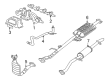
Mercury Catalytic Converter, Front Driver Side Part Number: 9G1Z-5E213-B
$375.26 MSRP: $465.71You Save: $90.45 (20%)Product Specifications- Other Name: Converter Assembly; Catalytic Converter, Front, Left; Converter; Preconverter
- Position: Driver Side
Mercury Catalytic Converter Part Number: 6L8Z-5E212-D
$674.00 MSRP: $932.42You Save: $258.42 (28%)Product Specifications- Other Name: Converter Assembly; Converter
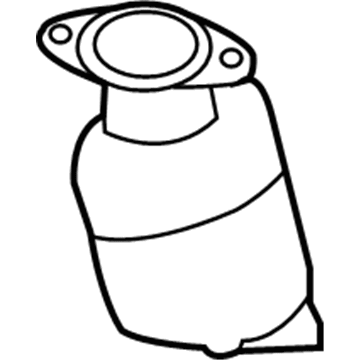
Mercury Catalytic Converter, Front Driver Side Part Number: 7G1Z-5E213-A
$758.58 MSRP: $1049.43You Save: $290.85 (28%)Product Specifications- Other Name: Converter Assembly; Catalytic Converter, Front Forward; Preconverter
- Position: Driver Side
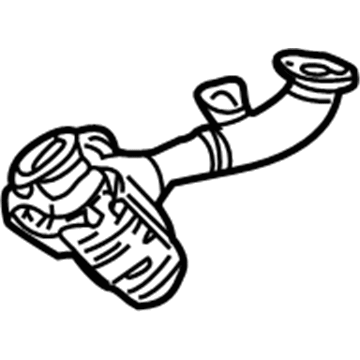
Mercury Catalytic Converter, Driver Side Part Number: 4F1Z-5E212-A
$1203.24 MSRP: $1664.57You Save: $461.33 (28%)Product Specifications- Other Name: Converter Assembly; Exhaust Pipe; Converter & Pipe
- Position: Driver Side
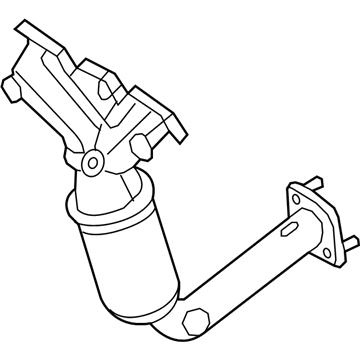
Mercury Exhaust Manifold, Front Driver Side Part Number: 7E5Z-5G232-AA
$1308.63 MSRP: $1810.36You Save: $501.73 (28%)Ships in 1-2 Business DaysProduct Specifications- Other Name: Manifold Assembly - Exhaust; Catalytic Converter with Integrated Exhaust Manifold, Left
- Position: Driver Side
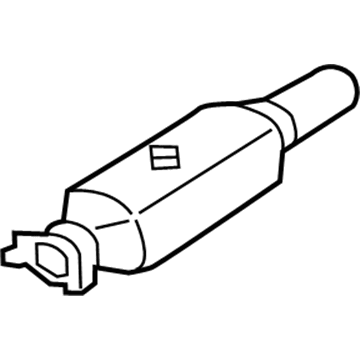
Mercury Catalytic Converter Part Number: AE5Z-5E212-Q
$1160.92 MSRP: $1565.20You Save: $404.28 (26%)Ships in 1-3 Business DaysProduct Specifications- Other Name: Converter Assembly
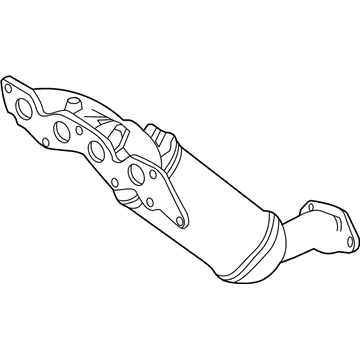
Mercury Exhaust Manifold Part Number: AE5Z-5G232-A
$2050.84 MSRP: $2597.57You Save: $546.73 (22%)Ships in 1-3 Business DaysProduct Specifications- Other Name: Converter Assembly; Catalytic Converter; Manifold W/Converter; Preconverter
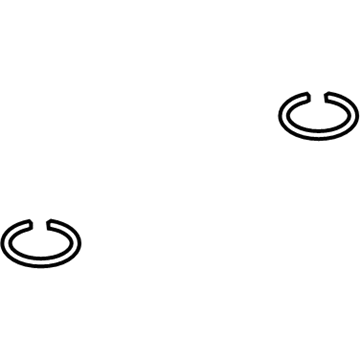
Mercury Catalytic Converter, Driver Side Part Number: 8G1Z-5E213-F
$2217.90 MSRP: $2809.71You Save: $591.81 (22%)Ships in 1-3 Business DaysProduct Specifications- Other Name: Converter Assembly; Preconverter
- Position: Driver Side
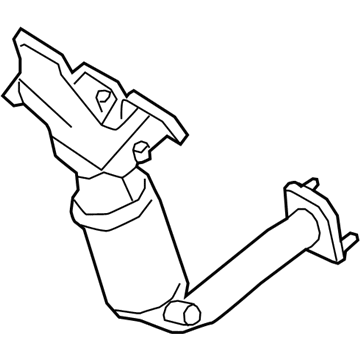
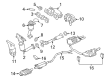
Mercury Exhaust Manifold, Green, Driver Side Part Number: AE5Z-5G232-B
$784.88 MSRP: $990.00You Save: $205.12 (21%)Ships in 1-3 Business DaysProduct Specifications- Other Name: Exhaust Manifold And Catalyst; Catalytic Converter with Integrated Exhaust Manifold, Left; Manifold Converter
- Position: Driver Side
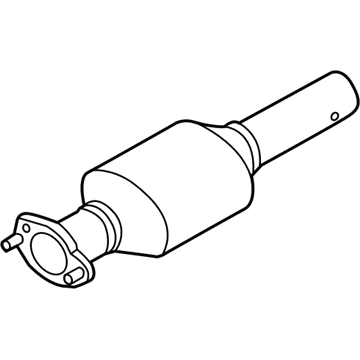
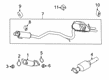
Mercury Catalytic Converter, Rear Part Number: AE5Z-5E212-P
$993.08 MSRP: $1247.71You Save: $254.63 (21%)Ships in 1-3 Business DaysProduct Specifications- Other Name: Converter Assembly; Catalytic Converter, Rear
- Position: Rear
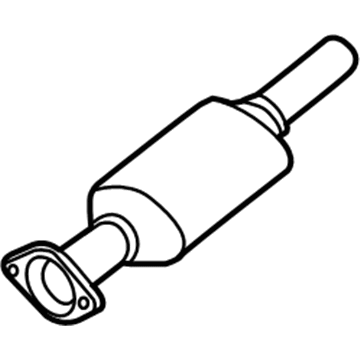
Mercury Catalytic Converter, Rear Part Number: BL8Z-5E212-A
$1022.78 MSRP: $1285.43You Save: $262.65 (21%)Ships in 1-3 Business DaysProduct Specifications- Other Name: Converter Assembly; Catalytic Converter, Rear; Converter
- Position: Rear
Mercury Catalytic Converter Part Number: 9L8Z-5E212-G
$826.10 MSRP: $1035.69You Save: $209.59 (21%)Ships in 1-3 Business DaysProduct Specifications- Other Name: Converter Assembly
Mercury Catalytic Converter Part Number: AE5Z-5E212-N
$859.00 MSRP: $1077.46You Save: $218.46 (21%)Ships in 1-3 Business DaysProduct Specifications- Other Name: Converter Assembly
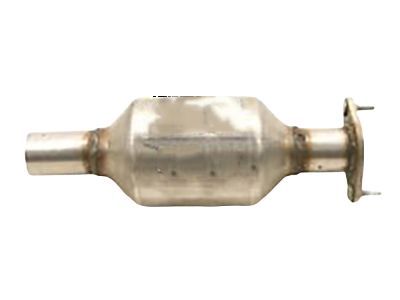
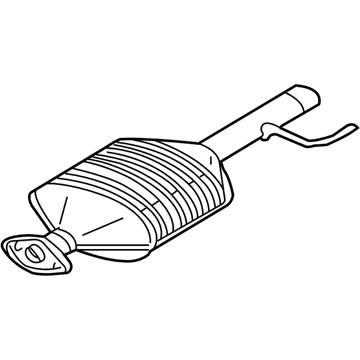
Mercury Catalytic Converter Part Number: 6L8Z-5E212-C
Product Specifications- Other Name: Converter Assembly; Converter
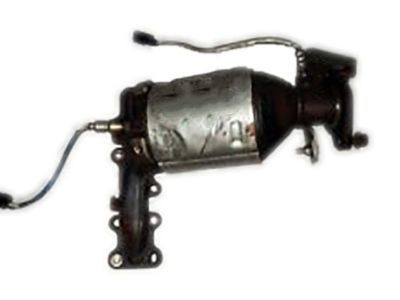
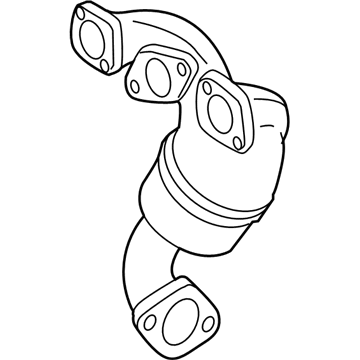
Mercury Exhaust Manifold, Passenger Side Part Number: 6E5Z-5G232-AF
Product Specifications- Other Name: Converter Assembly; Catalytic Converter with Integrated Exhaust Manifold, Right; Manifold Converter
- Manufacturer Note: Rear
- Position: Passenger Side
- Replaces: 6E5Z-5G232-AB
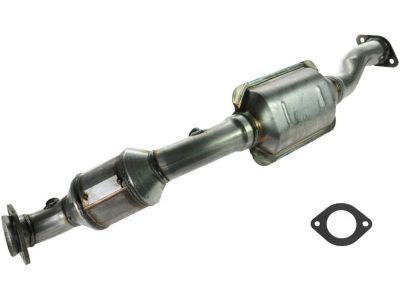
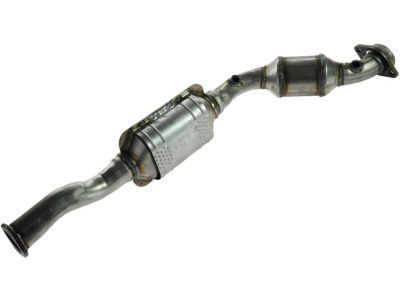
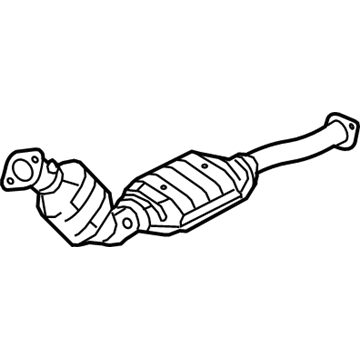
Mercury Catalytic Converter, Passenger Side Part Number: 4W1Z-5E212-A
Product Specifications- Other Name: Converter Assembly; Catalytic Converter, Right; Converter
- Position: Passenger Side

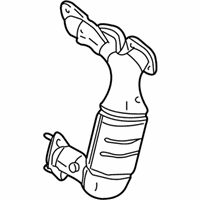
Mercury Exhaust Manifold, Passenger Side Part Number: 4F1Z-5G232-AA
Product Specifications- Other Name: Converter Assembly; Catalytic Converter with Integrated Exhaust Manifold; Manifold Converter; Manifold
- Position: Passenger Side
| Page 1 of 10 |Next >
1-20 of 186 Results
Mercury Catalytic Converter
If you own Mercury and want to keep it in top shape, choosing OEM Catalytic Converter is a smart move. They are precisely engineered and follow strict factory standards. They are made in advanced facilities that use cutting edge technology. Each part goes through thorough testing to confirm strength and safety, so you can trust it. FordPartsDeal.com gives you genuine Mercury Catalytic Converter at some of the affordable online prices without cutting quality. Every OEM Mercury part includes the manufacturer's warranty, easy returns, and super-fast delivery. So why wait? Shop now and get your vehicle back to peak condition.
Mercury Catalytic Converter purifies dirty exhaust and converts it to harmless gases without seriously depleting power. Mercury had a reputation for midsize cars, which combined plush suspension with sharp body lines. Mercury fitted cabins inside to dampen road rumble and enable drivers to steer with easy confidence. Mercury continued to shed comfort features, but over the decades kept the sticker prices at bay. Until the halt of production in 2011, Mercury continued to reflect a balance of feel and value to the owners. The badge was named after the fleet-footed messenger of Rome, suggesting road etiquette. Cougar and Grand Marquis attracted shoppers who lacked the opportunity to stretch without losing maneuverability. Showrooms usually had quieter rides and every year would replace more rigid bushings with softer parts as other competitors pursued raw speed. A contemporary Catalytic Converter is positioned in the exhaust stream and has a dense honeycomb core sprinkled with platinum, palladium, and rhodium where the incoming carbon monoxide, unburned hydrocarbons, and nitrogen oxides impact red-hot surfaces that initiate oxidation and reduction reactions very rapidly and the tailpipe spits predominantly carbon dioxide, nitrogen, and water vapor without obstructing airflow. In case of theft or chemical poisoning of the precious metal by the Catalytic Converter, exhaust pollutants explode. Engine computers are programmable, but a plugged Catalytic Converter increases backpressure and robs horsepower. Design modifications reduced mass and formed new Catalytic Converter shells to be resistant to cutting tools and heat soak.
Mercury Catalytic Converter Parts and Q&A
- Q:How to service and repair the catalytic converter on Mercury Cougar?A:The first step to repair the three-way catalytic converter (TWC) is to remove its heat shield followed by disconnecting TWC from the manifold. Take the necessary measures to lift and stabilize the vehicle before unclipping the heated oxygen sensor electrical wiring connector. The service begins with separating the hanger insulator from the flange connection. Proceed to remove both the flexible pipe assembly along with the TWC by first untightening the nuts followed by nut and bolt removal. Begin with TWC and flexible pipe assembly placement before installing the nut and bolt and finally tightening the bolts. Check the hanger insulators for wear and replace damaged parts then treat all hanger insulators with Myrpol Lubricant D7AZ-I9553-AA or an equivalent solution that adheres to Ford standard ESEM99B 144-B. Apply a new gasket and fasten nuts loosely before securing the flange connection. Lower the vehicle while avoiding the application of jointing compound anywhere ahead of the catalytic converter before tightening the nuts. First raise and support the vehicle before reinstalling the heat shield and following with delivering a snug torque on the nuts and attaching the heated oxygen sensor electrical connector with proper wiring position maintenance.
- Q:How to service the catalytic converter on Mercury Mariner?A:Service of the catalytic converter should start with the vehicle in neutral position and securely placed on a hoist. You need to remove the two exhaust catalytic converter nuts before discarding them while installing new nuts that need to be tightened to 47 Nm (35 ft. lbs.). Detach and get rid of the U-bolt clamp assembly from the muffler before you securely tighten the new clamp at 47 Nm (35 ft. lbs.) when reinstalling it. After removing and discarding the two resonator nuts you should put on new replacement nuts which need to be tightened to 47 Nm (35 ft. lbs.) during the installation process. Extract both the catalytic converter exhaust hanger before removing the exhaust catalytic converter together with the muffler as one assembly. After removal of the converter from the muffler reinstall it following the reversal of removal steps by adding new gaskets. Include only lubricants free of oil and grease when working with the insulator since these substances can damage rubber elements which might cause the exhaust hanger insulator to detach from the bracket throughout vehicle use.

Related Mercury Parts
 Mercury Catalytic Converter Gasket
 Mercury Diverter Valve
 Mercury EGR Tube
 Mercury EGR Valve
 Mercury Exhaust Flange Gasket
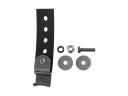 Mercury Exhaust Hanger
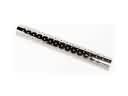 Mercury Exhaust Heat Shield
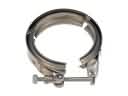 Mercury Exhaust Manifold Clamp
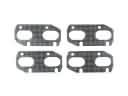 Mercury Exhaust Manifold Gasket
 Mercury Exhaust Pipe
 Mercury Secondary Air Injection Check Valve
 Mercury Tail Pipe