FordParts
My Garage
My Account
Cart
OEM Mercury Exhaust Flange Gasket
Exhaust Pipe Flange Gasket- Select Vehicle by Model
- Select Vehicle by VIN
Select Vehicle by Model
orMake
Model
Year
Select Vehicle by VIN
For the most accurate results, select vehicle by your VIN (Vehicle Identification Number).
15 Exhaust Flange Gaskets found
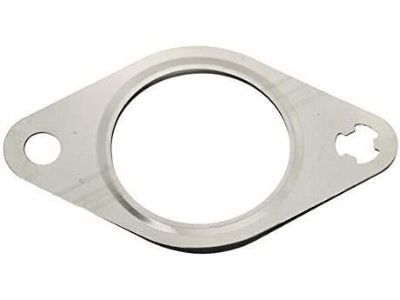

Mercury Exhaust Pipe Gasket, Rear Part Number: 7T4Z-9450-AA
$11.06 MSRP: $15.68You Save: $4.62 (30%)Product Specifications- Other Name: Gasket; Catalytic Converter Gasket; Exhaust Gasket; Turbocharger Gasket; Exhaust Seal Ring; Collector Gasket
- Position: Rear
- Replaces: 8A4Z-5G274-B, 8G1Z-5G274-A, 8G1Z-5G274-D, 8G1Z-5G274-B, 8G1Z-5G274-C, AA5Z-9450-A
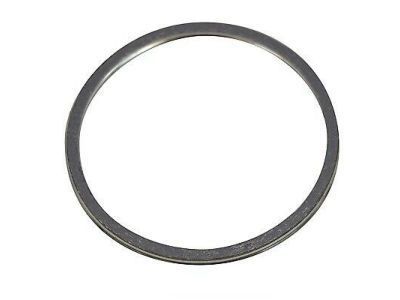

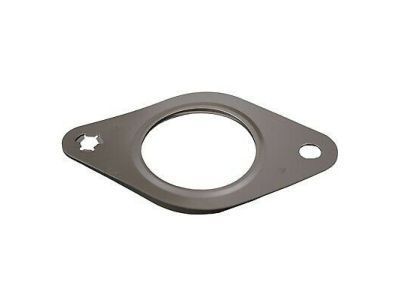
Mercury Catalytic Converter Gasket, Front Part Number: 6E5Z-9450-BA
$17.40 MSRP: $25.33You Save: $7.93 (32%)Ships in 1-3 Business DaysProduct Specifications- Other Name: Gasket; Catalytic Converter Gasket, Front, Rear; Exhaust Pipe Flange Gasket; Exhaust Seal Ring; Collector Gasket; Front Pipe Gasket
- Position: Front

Mercury Cross Over Pipe Gasket, Front Part Number: 9L8Z-9450-A
$17.29 MSRP: $25.17You Save: $7.88 (32%)Ships in 1-3 Business DaysProduct Specifications- Other Name: Gasket; Catalytic Converter Gasket, Front Rearward; Exhaust Crossover Gasket; Exhaust Flange Gasket; Seal Ring
- Position: Front
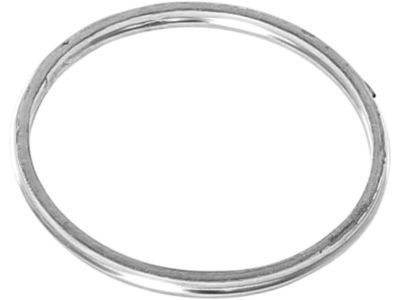

Mercury Catalytic Converter Gasket, Front Part Number: 3S4Z-9450-EA
$5.24 MSRP: $7.43You Save: $2.19 (30%)Ships in 1-3 Business DaysProduct Specifications- Other Name: Gasket; Catalytic Converter Gasket; Exhaust Muffler Gasket; Exhaust Pipe Flange Gasket; Exhaust Seal Ring
- Manufacturer Note: Round gasket between the exhaust manifold and the catalytic converter. OD: 74mm, ID: 64mm
- Position: Front
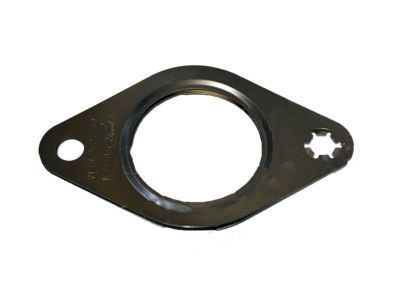
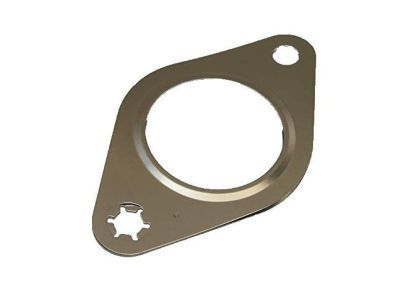
Mercury Muffler Gasket Part Number: YL8Z-9450-AA
$9.64 MSRP: $13.67You Save: $4.03 (30%)Product Specifications- Other Name: Gasket; Exhaust Pipe Connector Gasket; Exhaust Muffler Gasket; Exhaust Flange Gasket; Exhaust Seal Ring; Front Pipe Gasket
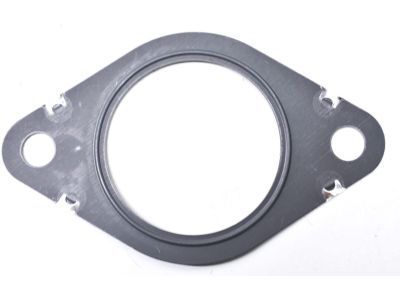
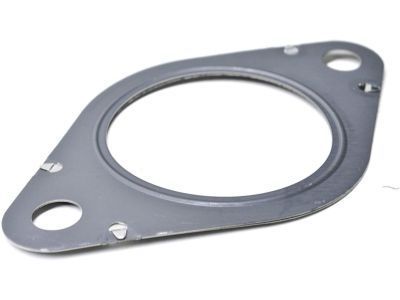
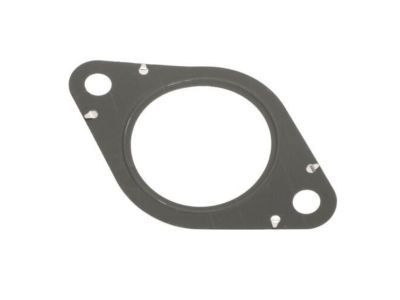
Mercury Front Pipe Gasket Part Number: 5L8Z-9450-CA
$13.05 MSRP: $18.83You Save: $5.78 (31%)Ships in 1-3 Business DaysProduct Specifications- Other Name: Gasket; Catalytic Converter Gasket, Front; Exhaust Pipe Connector and Flange Gaskets; Exhaust Seal Ring
- Position: Front
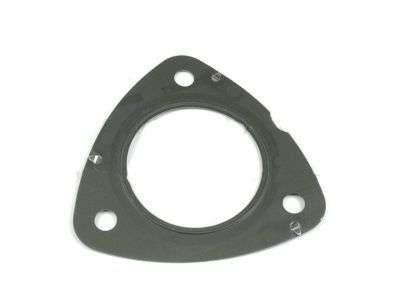
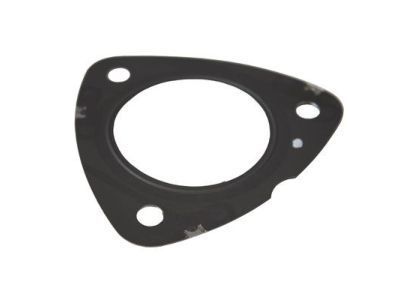
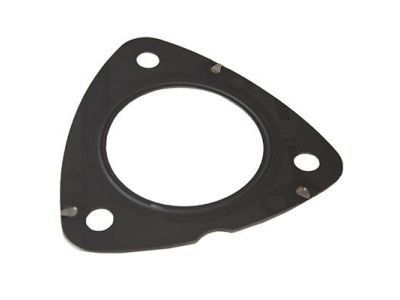

Mercury Muffler Gasket Part Number: 5L8Z-9450-AA
$12.34 MSRP: $17.50You Save: $5.16 (30%)Ships in 1-3 Business DaysProduct Specifications- Other Name: Gasket; Catalytic Converter Gasket; Exhaust Pipe Flange Gasket; Exhaust Seal Ring; Collector Gasket; Front Pipe Gasket; Converter Gasket
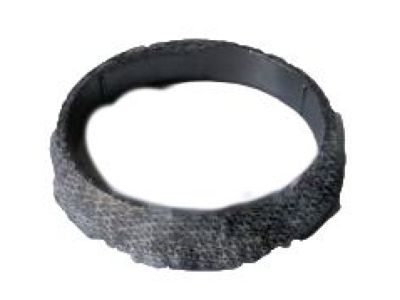
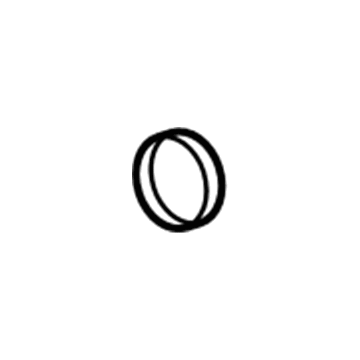
Mercury Muffler Gasket, Rear Driver Side Part Number: 8L2Z-5E241-C
$9.33 MSRP: $11.85You Save: $2.52 (22%)Ships in 1-3 Business DaysProduct Specifications- Other Name: Gasket; Catalytic Converter Gasket, Rear; Exhaust Pipe Flange Gasket; Exhaust Seal Ring; Converter & Pipe Gasket; Converter Shield Gasket
- Position: Driver Side

Mercury Catalytic Converter Gasket, Passenger Side Part Number: 6E5Z-9450-AA
$11.23 MSRP: $15.93You Save: $4.70 (30%)Ships in 1-3 Business DaysProduct Specifications- Other Name: Gasket; Catalytic Converter Gasket, Rear; Exhaust Crossover Gasket, Front Right; Exhaust Seal Ring; Front Pipe Gasket; Inlet Pipe Gasket
- Position: Passenger Side
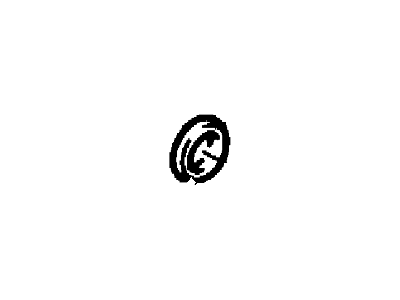
Mercury Front Pipe Gasket Part Number: F5RZ-9450-B
$15.97 MSRP: $22.09You Save: $6.12 (28%)Ships in 1-2 Business DaysProduct Specifications- Other Name: Gasket; Exhaust Flange Gasket; Exhaust Seal Ring
- Position: Front

Mercury Converter Gasket, Center Part Number: F77Z-5C226-AA
$13.78 MSRP: $18.75You Save: $4.97 (27%)Product Specifications- Other Name: Gasket; Catalytic Converter Gasket, Center; Exhaust Pipe Flange Gasket; Converter & Pipe Gasket
- Position: Center
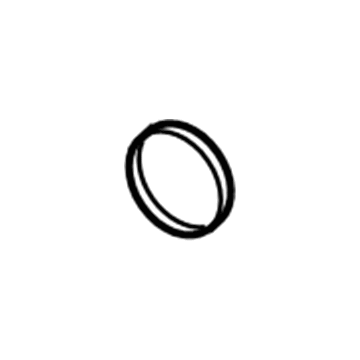
Mercury Muffler Gasket, Rear Part Number: 8L2Z-5E241-B
$7.92 MSRP: $10.06You Save: $2.14 (22%)Ships in 1-3 Business DaysProduct Specifications- Other Name: Gasket; Catalytic Converter Gasket, Rear Right; Seal; Exhaust Muffler Gasket; Flange Gasket; Seal Ring; Muffler & Pipe Gasket; Converter & Pipe Gasket
- Position: Rear

Mercury Front Pipe Gasket Part Number: F3XY-5E281-A
$13.78 MSRP: $18.75You Save: $4.97 (27%)Ships in 1-2 Business DaysProduct Specifications- Other Name: Gasket; Exhaust Flange Gasket; Exhaust Seal Ring
- Position: Front
Mercury Front Pipe Gasket Part Number: 5S7Z-5E241-A
$8.58 MSRP: $11.87You Save: $3.29 (28%)Ships in 1-2 Business DaysProduct Specifications- Other Name: Gasket; Exhaust Flange Gasket; Exhaust Seal Ring; Converter Gasket
- Position: Front
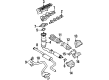
Mercury Converter & Pipe Seal Part Number: F7RZ-9450-AC
Product Specifications- Other Name: Gasket; Catalytic Converter Gasket; Exhaust Pipe Flange; Exhaust Seal Ring
Mercury Exhaust Flange Gasket
If you own Mercury and want to keep it in top shape, choosing OEM Exhaust Flange Gasket is a smart move. They are precisely engineered and follow strict factory standards. They are made in advanced facilities that use cutting edge technology. Each part goes through thorough testing to confirm strength and safety, so you can trust it. FordPartsDeal.com gives you genuine Mercury Exhaust Flange Gasket at some of the affordable online prices without cutting quality. Every OEM Mercury part includes the manufacturer's warranty, easy returns, and super-fast delivery. So why wait? Shop now and get your vehicle back to peak condition.
The Mercury Exhaust Flange Gasket provides a tight seal with a heat-resistant cover that keeps exhaust gases low and the cabin silent. Over the decades, the brand had a reputation for cars that were a blend of ride and style, inspired by the messenger god of whom it is named. In Mercury models such as the Cougar and the Grand Marquis, it provided sophisticated suspension and spacious cabins that acted to suppress road noise and provide control and value to drivers. With changes in trends, the company kept launching improvements and technologies that matched the feel to cost, forming a loyalty that lasted until the termination of production in 2011. Such engineering heritage is combined with reliable parts since owners desire their vehicles to remain efficient. The actual Mercury Exhaust Flange Gasket is positioned between two exhaust flanges, creating a barrier that prevents leakages, backpressure, and also supports emissions. In the case of installing a new Mercury Exhaust Flange Gasket, allow the exhaust to cool, hold up the pipe, and take off the flange bolts. Removal involves taking off the old gasket, scraping rust, wiping mating surfaces, and inspecting bolt threads. Use new lock washers and anti-seize, and do not over-tighten. Test both flanges to confirm that they are not warped, install the new Mercury Exhaust Flange Gasket, and reassemble the hardware, tightening the bolts in an even crisscross. Install the pipes, start the engine, check for leaks, and after one heating cycle, retorque your bolts to have your vehicle run with no noise.
Related Mercury Parts
 Mercury Catalytic Converter
 Mercury Exhaust Manifold
 Mercury Catalytic Converter Gasket
 Mercury EGR Tube
 Mercury Exhaust Hanger
 Mercury Exhaust Heat Shield
 Mercury Exhaust Manifold Gasket
 Mercury Exhaust Pipe
 Mercury Muffler
 Mercury Muffler Strap
 Mercury Secondary Air Injection Check Valve
 Mercury Tail Pipe