FordParts
My Garage
My Account
Cart
OEM Mercury Radiator Cap
Cooling Radiator Cap- Select Vehicle by Model
- Select Vehicle by VIN
Select Vehicle by Model
orMake
Model
Year
Select Vehicle by VIN
For the most accurate results, select vehicle by your VIN (Vehicle Identification Number).
10 Radiator Caps found
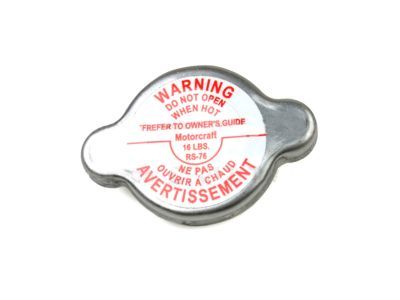
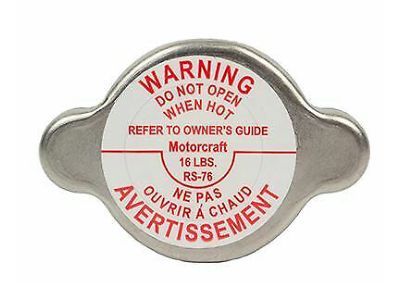
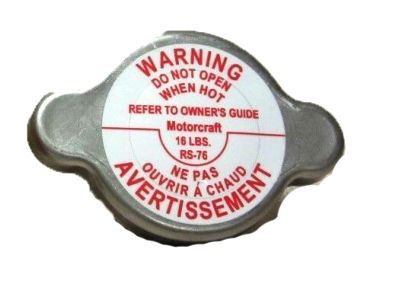
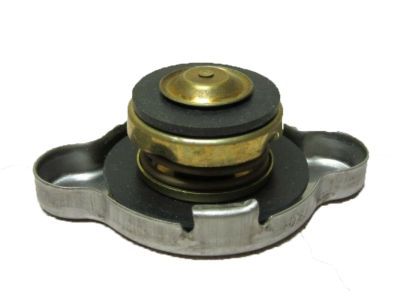
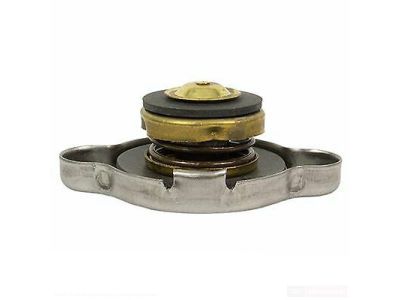

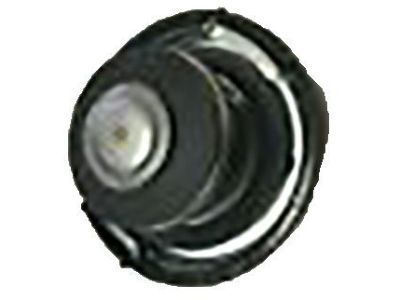
Mercury Radiator Cap Part Number: E9SZ-8100-A
$4.47 MSRP: $7.09You Save: $2.62 (37%)Product Specifications- Other Name: Cap Assembly - Radiator; Reservoir Cap; Reservoir Assembly Cap; Cap
- Manufacturer Note: Coolant bottle cap
- Replaces: F42Z-8100-A
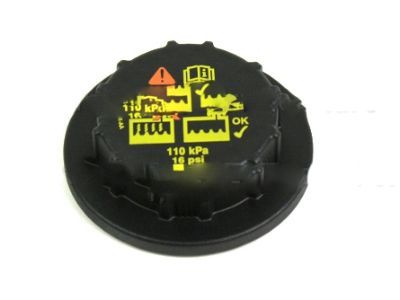
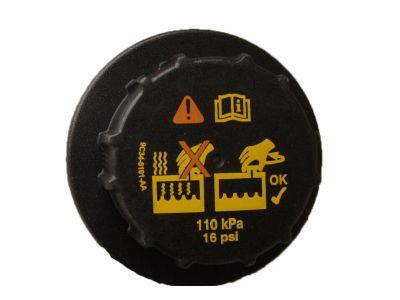
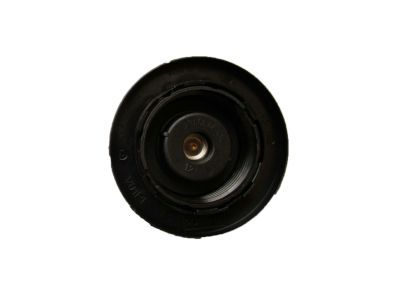
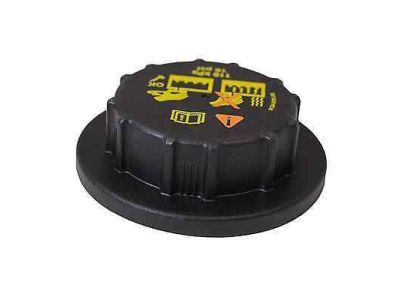
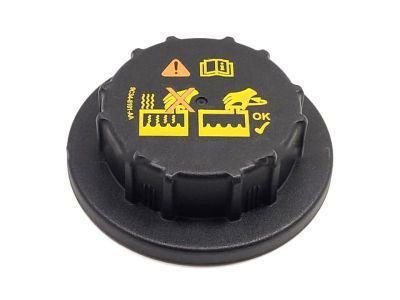
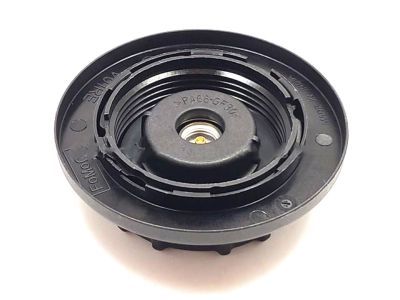
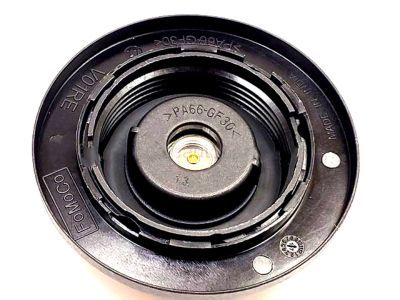
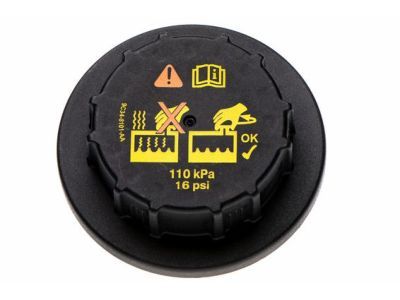
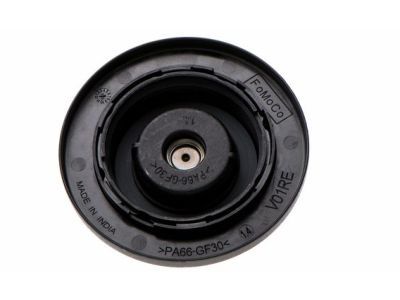
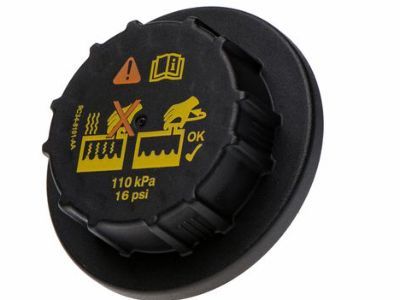
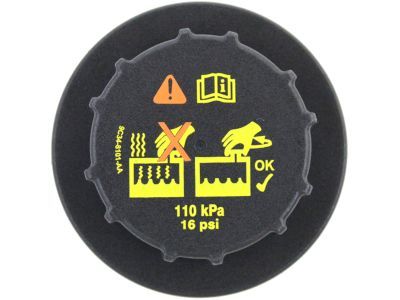
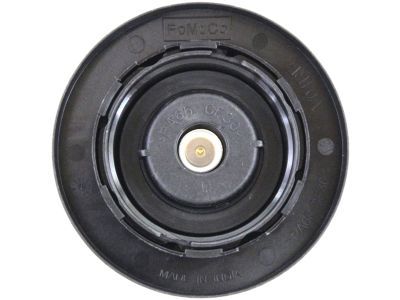
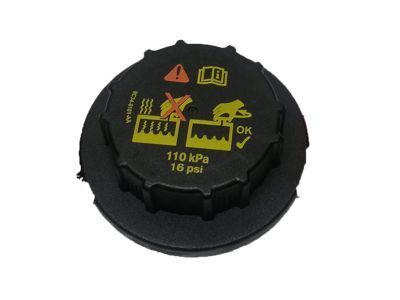
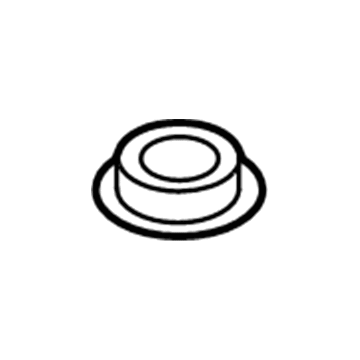
Mercury Radiator Cap Part Number: 9C3Z-8101-B
$7.37 MSRP: $11.71You Save: $4.34 (38%)Product Specifications- Other Name: Cap - Radiator - With Pressure Relief; Engine Coolant Reservoir Cap
- Replaces: 8C3Z-8101-A, 9C3Z-8101-A, F3LY-8100-A, F6ZZ-8100-A, RS-517, RS-103, XL3Z-8100-AA
Mercury Radiator Cap Part Number: F4TZ-8100-B
$8.21 MSRP: $13.04You Save: $4.83 (38%)Ships in 1-2 Business DaysProduct Specifications- Other Name: Cap Assembly - Radiator; Reservoir Cap; Cap
- Replaces: E9DZ-8100-A, E9TZ-8100-A
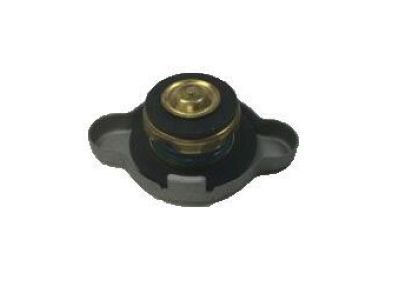
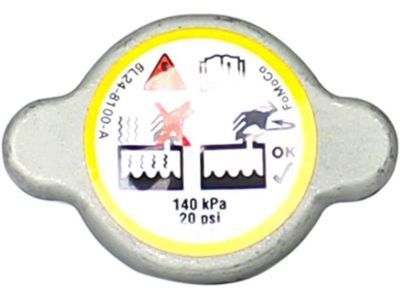
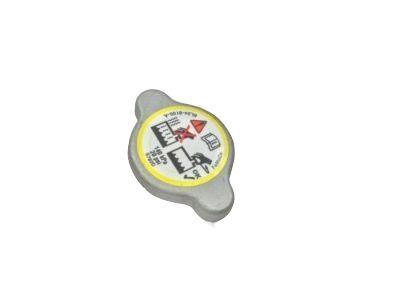
Mercury Radiator Cap Part Number: 6L2Z-8100-AC
Product Specifications- Other Name: Cap Assembly - Radiator
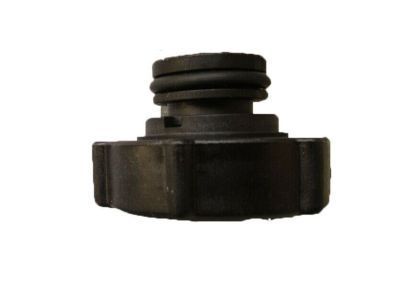
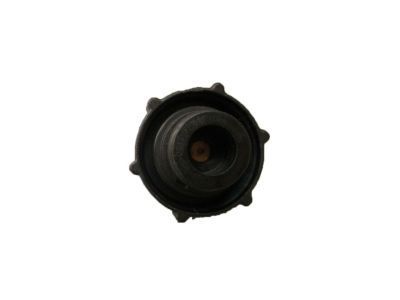

Mercury Reservoir Cap Part Number: YL8Z-8100-AA
$16.22 MSRP: $25.09You Save: $8.87 (36%)Product Specifications- Other Name: Cap Assembly - Radiator; Engine Coolant Reservoir Cap; Radiator Cap; Cap
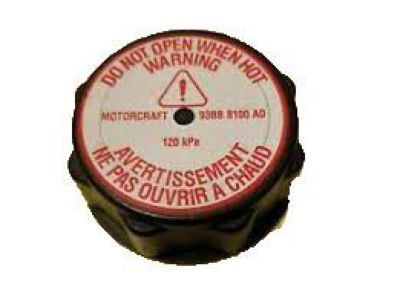

Mercury Radiator Cap Part Number: F5RZ-8100-A
Product Specifications- Other Name: Cap Assembly - Radiator; Reservoir Cap; Cap
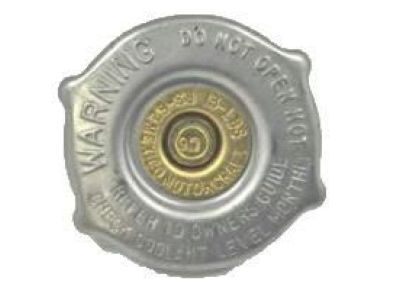
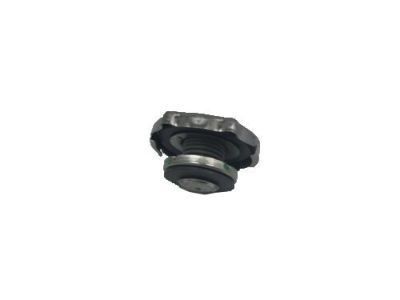
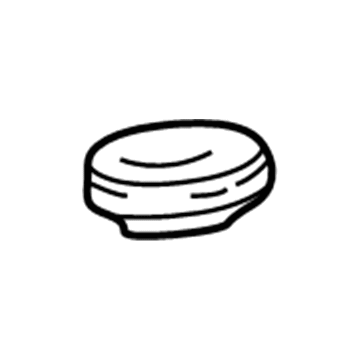
Mercury Radiator Cap Part Number: E5TZ-8100-A
Product Specifications- Other Name: Cap Assembly - Radiator; Cap
Mercury Radiator Cap Part Number: YM1Z-8100-AB
Product Specifications- Other Name: Cap Assembly - Radiator; Reservoir Cap; Cap
- Manufacturer Note: Replacement part, Without Turbo Charge
- Replaces: YM1Z-8100-AA
Mercury Radiator Cap Part Number: YF5Z-8100-AA
Product Specifications- Other Name: Cap Assembly - Radiator
- Manufacturer Note: #YF5H 8100-AA
Mercury Radiator Cap Part Number: F8RZ-8100-AA
Product Specifications- Other Name: Cap Assembly - Radiator; Engine Coolant Reservoir Cap; Reservoir Cap; Cap
Mercury Radiator Cap
If you own Mercury and want to keep it in top shape, choosing OEM Radiator Cap is a smart move. They are precisely engineered and follow strict factory standards. They are made in advanced facilities that use cutting edge technology. Each part goes through thorough testing to confirm strength and safety, so you can trust it. FordPartsDeal.com gives you genuine Mercury Radiator Cap at some of the affordable online prices without cutting quality. Every OEM Mercury part includes the manufacturer's warranty, easy returns, and super-fast delivery. So why wait? Shop now and get your vehicle back to peak condition.
Mercury Radiator Cap ensures that the coolant remains with a specific pressure to ensure that your vintage vehicle remains peaceful and cool during any driving adventure. Mercury was born in 1938 and soon became known as a moderate value and style. The Cougar and the Grand Marquis, which were models made by Mercury, combined plush suspension with spacious cabins, absorbing road noises with the touch of a button and absorbing bumps. Throughout the decades Mercury continued to make it comfortable, with the introduction of quieter interiors and more aggressive appearance that allowed drivers to feel luxurious without going into bankruptcy. The Mercury vehicles are still envied by their easy handling, durable construction and easy highways despite being scrapped in 2011. A Radiator Cap is a small but very important screw-on valve which closes the cooling system, and prevents boil-over, and directs the coolant to the overflow tank as the temperatures decrease and increase. To change a Radiator Cap, ensure that the car has been parked on a flat surface and that the engine has been allowed to cool down. Take a thick cloth and cover the old cap, press and twist gradually so that any excess of pressure may escape and then remove the cloth. Ensure that the filler neck and gasket surfaces are clean and replace the corresponding part by the replacement and push down strongly and twist till it clips. The new Radiator Cap is placed flat, and the tabs safely seated, and then reconnect any hoses, and then start the engine, observe any leaks and make sure that the temperature gauge remains constant.
Related Mercury Parts
 Mercury Water Pump
 Mercury Serpentine Belt
 Mercury Automatic Transmission Oil Cooler Line
 Mercury Coolant Reservoir Cap
 Mercury Cooling Fan Assembly
 Mercury Cooling Hose
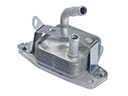 Mercury Engine Oil Cooler
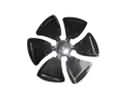 Mercury Fan Blade
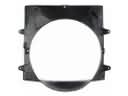 Mercury Fan Shroud
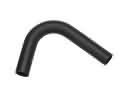 Mercury Radiator Hose
 Mercury Thermostat Gasket
 Mercury Transmission Oil Cooler