FordParts
My Garage
My Account
Cart
OEM Mercury Radiator fan
Radiator Cooling Fan- Select Vehicle by Model
- Select Vehicle by VIN
Select Vehicle by Model
orMake
Model
Year
Select Vehicle by VIN
For the most accurate results, select vehicle by your VIN (Vehicle Identification Number).
60 Radiator fans found
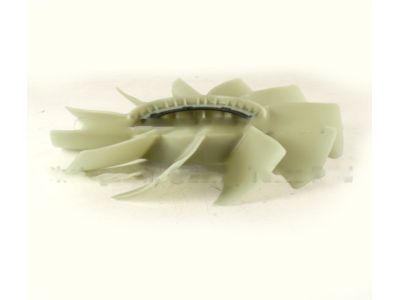
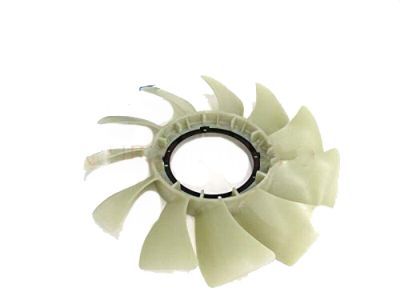
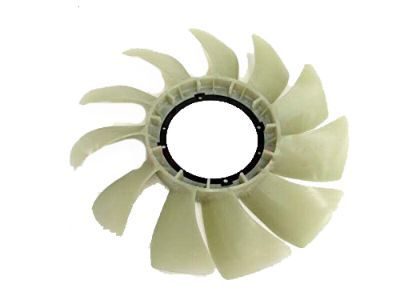
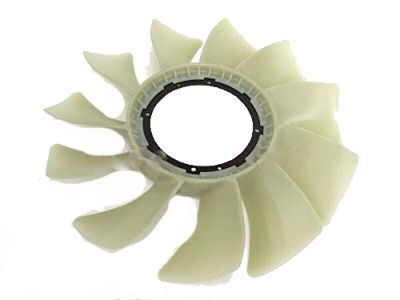
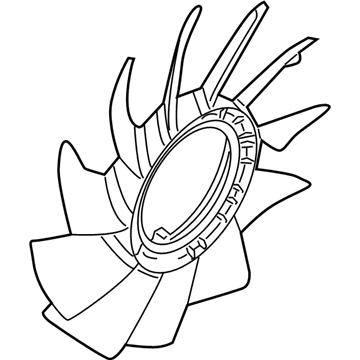
Mercury Fan Blade Part Number: 6L2Z-8600-BA
$72.60 MSRP: $119.45You Save: $46.85 (40%)Ships in 1-2 Business DaysProduct Specifications- Other Name: Fan Assembly; Engine Cooling Fan Clutch Blade; Engine Cooling Fan Blade; Radiator Fan Assembly
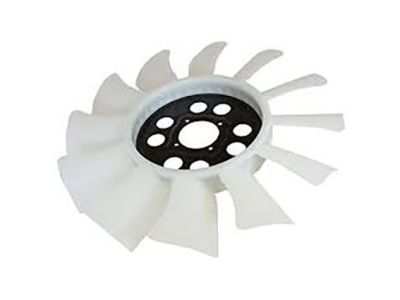

Mercury Fan Blade Part Number: F87Z-8600-FA
$76.25 MSRP: $125.45You Save: $49.20 (40%)Ships in 1-2 Business DaysProduct Specifications- Other Name: Fan Assembly; Radiator Fan Assembly
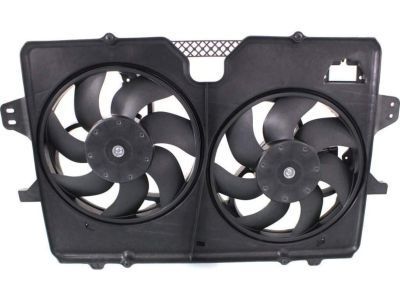
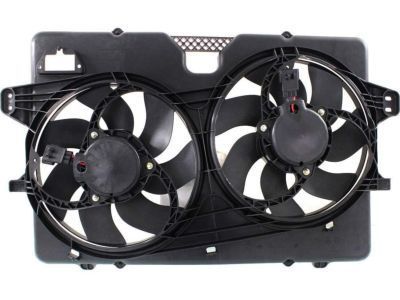
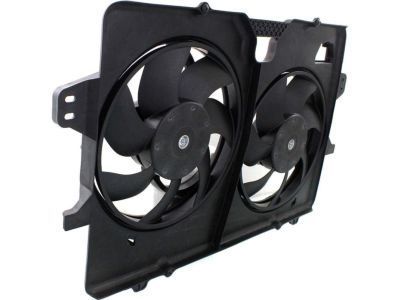
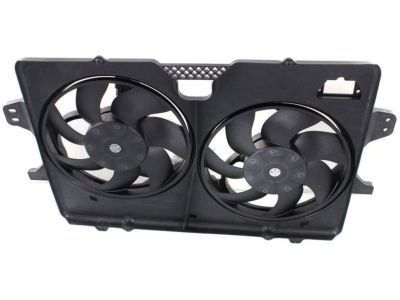
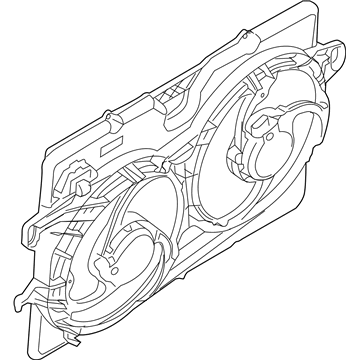
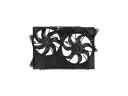
Mercury Fan & Motor Part Number: 8L8Z-8C607-B
$188.34 MSRP: $312.73You Save: $124.39 (40%)Ships in 1-2 Business DaysProduct Specifications- Other Name: Motor And Fan Assembly - Engine Cooling; Dual Radiator and Condenser Fan Assembly; Fan Blade; Fan Assembly; Cooling Fan Assembly
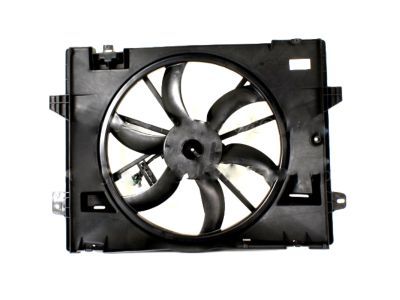
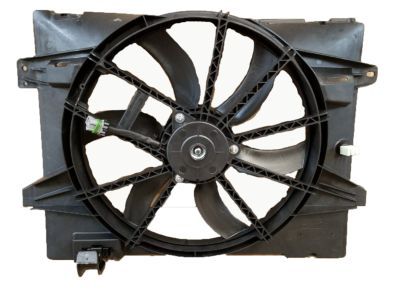
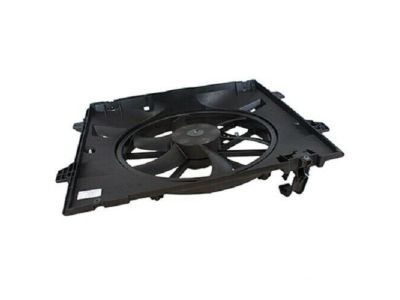
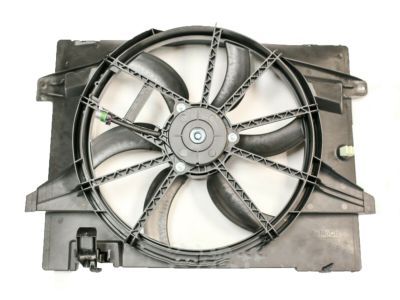
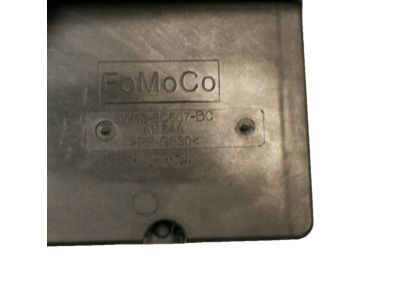
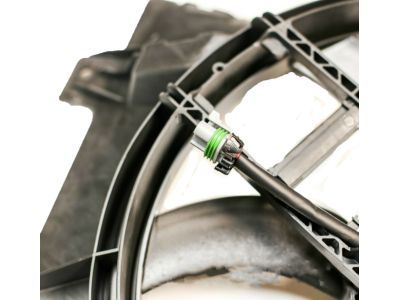
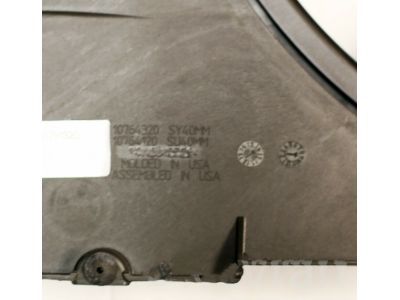
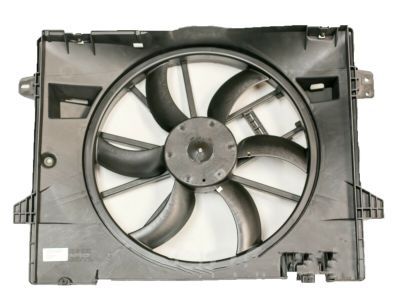
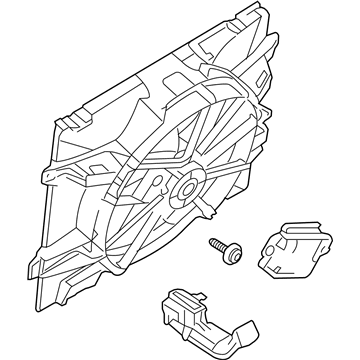
Mercury Fan & Motor Part Number: 8W1Z-8C607-C
$208.05 MSRP: $345.45You Save: $137.40 (40%)Ships in 1-2 Business DaysProduct Specifications- Other Name: Motor And Fan Assembly - Engine Cooling; Dual Radiator and Condenser Fan; Radiator Fan; Fan Blade; Fan Assembly; Fan Module
- Replaces: 7W1Z-8C607-B, 8W1Z-8C607-B, 8W1Z-8C607-A, RF-258
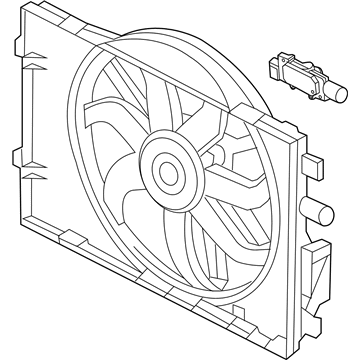
Mercury Fan Assembly Part Number: BE5Z-8C607-B
$578.16 MSRP: $960.00You Save: $381.84 (40%)Ships in 1-2 Business DaysProduct Specifications- Other Name: Motor And Fan Assembly - Engine Cooling; Dual Radiator and Condenser Fan; Radiator Fan; Fan Blade
- Replaces: BE5Z-8C607-A, 9E5Z-8C607-A, RF-246
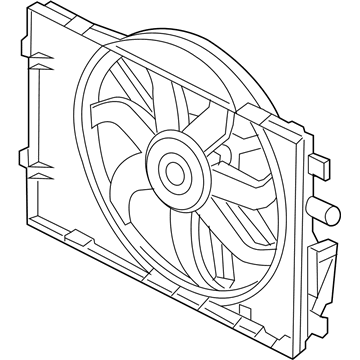
Mercury Fan & Motor Part Number: BG1Z-8C607-A
$883.05 MSRP: $1529.09You Save: $646.04 (43%)Ships in 1-2 Business DaysProduct Specifications- Other Name: Motor And Fan Assembly - Engine Cooling; Dual Radiator and Condenser Fan; Radiator Fan; Fan Blade; Fan Assembly
- Replaces: 8G1Z-8B658-A, 8G1Z-8C607-A, 8G1Z-8C607-B, AG1Z-8C607-A, RF-232, RF-254, RF-249
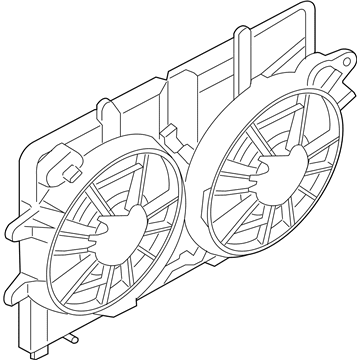
Mercury Fan & Motor Part Number: 5M6Z-8C607-AH
$846.44 MSRP: $1405.45You Save: $559.01 (40%)Ships in 1-2 Business DaysProduct Specifications- Other Name: Motor And Fan Assembly - Engine Cooling; Dual Radiator and Condenser Fan Assembly; Fan Blade; Fan Assembly; Cooling Fan Assembly
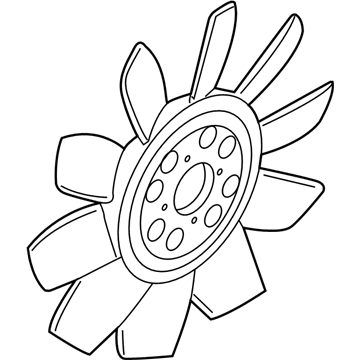
Mercury Fan Blade Part Number: 4L2Z-8600-AA
$73.31 MSRP: $101.42You Save: $28.11 (28%)Ships in 1-2 Business DaysProduct Specifications- Other Name: Fan Assembly; Radiator Fan Assembly
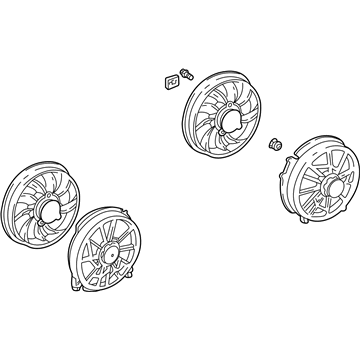
Mercury Fan & Motor, Passenger Side Part Number: 5F1Z-8C607-C
$92.11 MSRP: $127.43You Save: $35.32 (28%)Ships in 1-2 Business DaysProduct Specifications- Other Name: Motor And Fan Assembly - Engine Cooling; Right Engine Cooling Fan; A/C Condenser Fan; Radiator Fan; Fan Blade; Fan Assembly
- Position: Passenger Side
- Replaces: 3F1Z-8C607-HA, 5F1Z-8C607-D
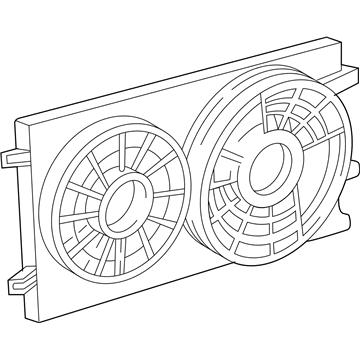
Mercury Cooling Fan Part Number: 5F2Z-8C607-CB
$462.78 MSRP: $640.21You Save: $177.43 (28%)Ships in 1-2 Business DaysProduct Specifications- Other Name: Motor And Fan Assembly - Engine Cooling; Dual Radiator and Condenser Fan Assembly; Fan Blade; Fan Assembly; Cooling Fan Assembly
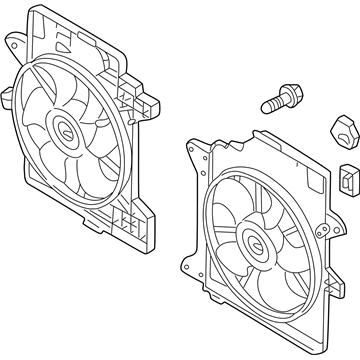
Mercury Fan & Motor Part Number: 5L8Z-8C607-HB
$331.38 MSRP: $458.43You Save: $127.05 (28%)Ships in 1-2 Business DaysProduct Specifications- Other Name: Motor And Fan Assembly - Engine Cooling; Dual Radiator and Condenser Fan; Radiator Fan; Fan Blade; Fan Assembly; Cooling Fan Assembly
- Manufacturer Note: RH/LH
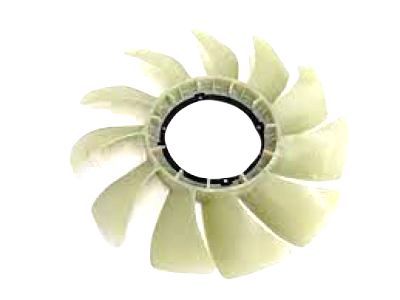
Mercury Fan Blade Part Number: 2C5Z-8600-AA
Product Specifications- Other Name: Fan Assembly; Radiator Fan Assembly
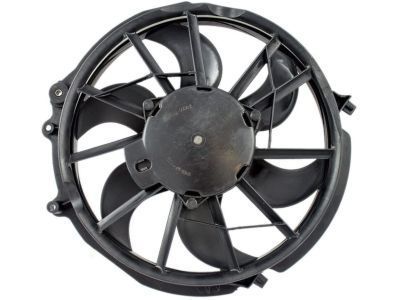
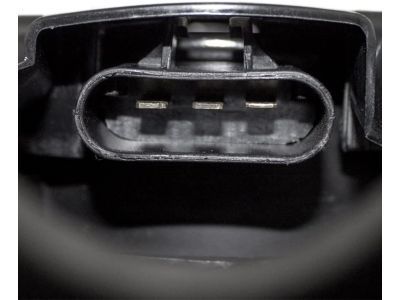
Mercury Fan & Motor, Passenger Side Part Number: YF1Z-8C607-BD
Product Specifications- Other Name: Fan And Motor Assembly; A/C Condenser Fan Assembly; Radiator Fan Assembly; Cooling Fan Assembly; Fan Blade; Fan Assembly
- Position: Passenger Side
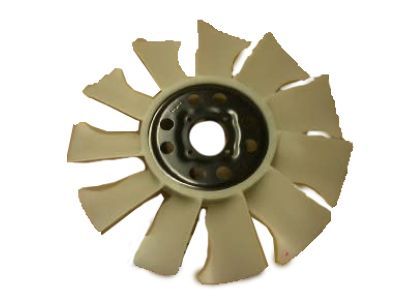
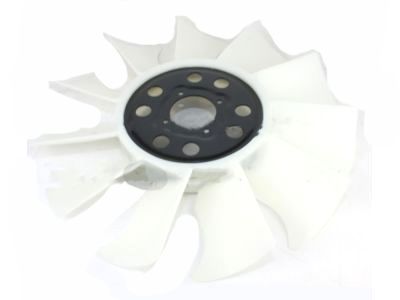
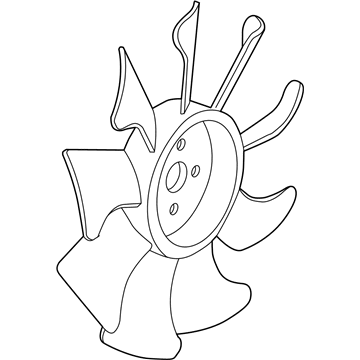
Mercury Fan Blade Part Number: F87Z-8600-EA
Product Specifications- Other Name: Fan Assembly; Engine Cooling Fan Clutch Blade; Radiator Fan Assembly
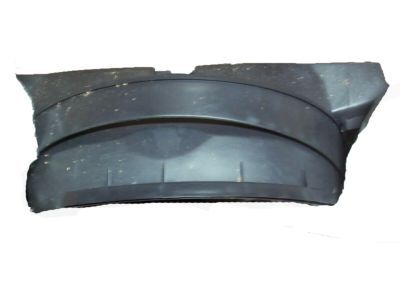
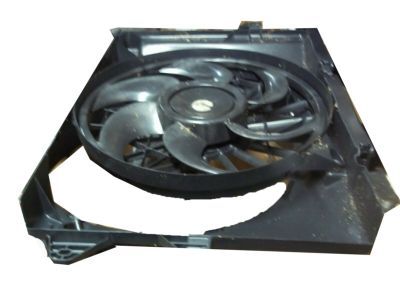
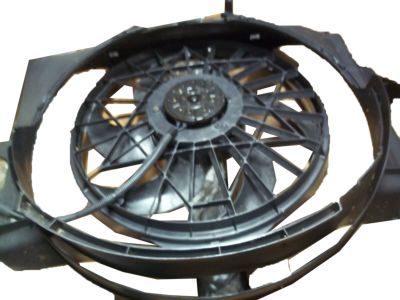
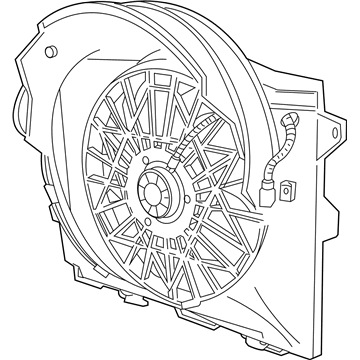
Mercury Fan & Motor Part Number: F5AZ-8C607-B
Product Specifications- Other Name: Fan And Motor Assembly; Engine Cooling Fan Assembly; Radiator Fan Assembly; Cooling Fan Assembly; Fan Assembly; Auxiliary Fan
- Manufacturer Note: This application does not have a separate shroud(8146) - this design is a two fan system set-up(mechanical and electrical)- 8C607 includes shroud, electric fan and motor, if belt driven fan, refer to 8600
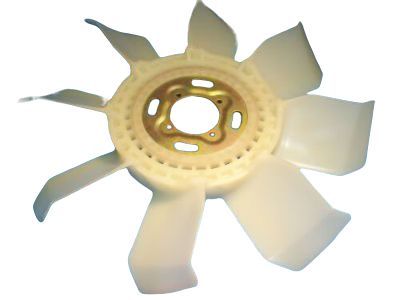
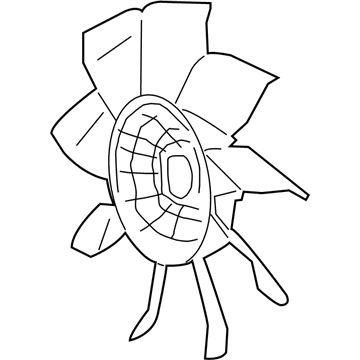
Mercury Fan Blade Part Number: F2AZ-8600-C
Product Specifications- Other Name: Fan Assembly; Radiator Fan Assembly; Blade
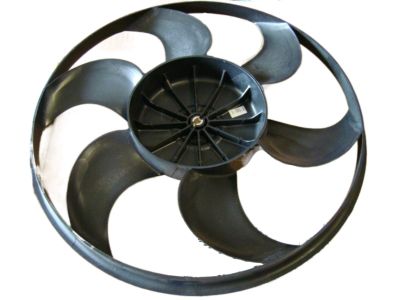
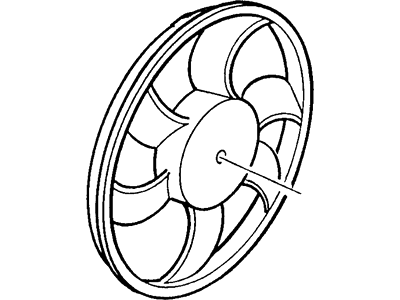
Mercury Fan Blade Part Number: E6DZ8600A
Product Specifications- Other Name: Fan Assembly; Radiator Fan Assembly; Blade
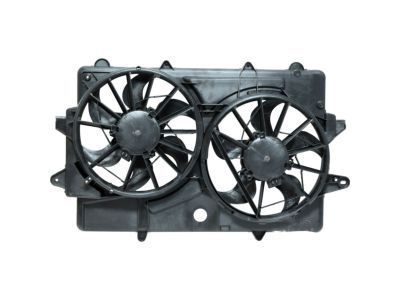
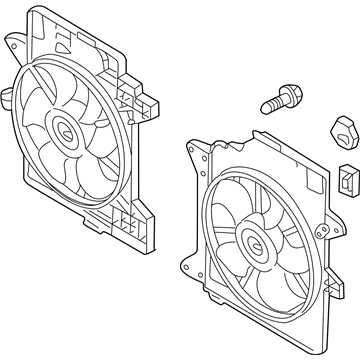
Mercury Fan Assembly Part Number: 5L8Z-8C607-CB
Product Specifications- Other Name: Motor And Fan Assembly - Engine Cooling; Engine Cooling Fan Assembly; Radiator Fan Assembly; Fan Blade
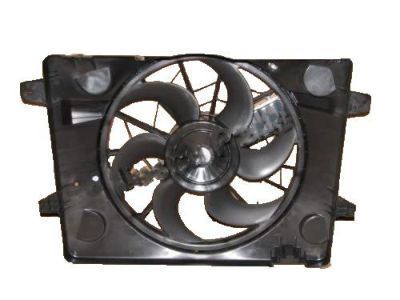
Mercury Fan & Motor Part Number: 3W1Z-8C607-BD
Product Specifications- Other Name: Fan and Motor Assembly; Dual Radiator and Condenser Fan; Engine Cooling Fan; Radiator Fan; Cooling Fan; Fan Blade; Fan Assembly; Fan Module
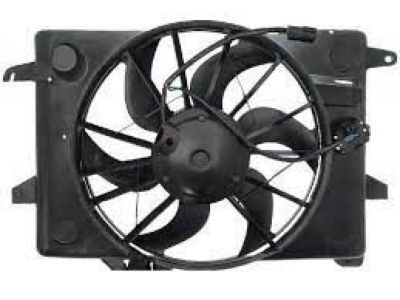
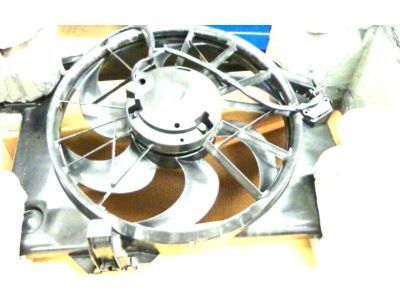
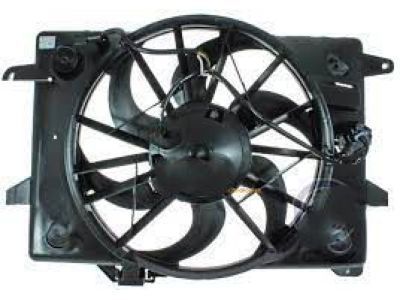
Mercury Fan & Motor Part Number: 1W1Z-8C607-AA
Product Specifications- Other Name: Fan and Motor Assembly; Dual Radiator and Condenser Fan; Engine Cooling Fan; Radiator Fan; Cooling Fan; Fan Blade; Fan Assembly; Fan Module
- Replaces: YW1Z-8C607-AB
| Page 1 of 3 |Next >
1-20 of 60 Results
Mercury Radiator fan
If you own Mercury and want to keep it in top shape, choosing OEM Radiator fan is a smart move. They are precisely engineered and follow strict factory standards. They are made in advanced facilities that use cutting edge technology. Each part goes through thorough testing to confirm strength and safety, so you can trust it. FordPartsDeal.com gives you genuine Mercury Radiator fan at some of the affordable online prices without cutting quality. Every OEM Mercury part includes the manufacturer's warranty, easy returns, and super-fast delivery. So why wait? Shop now and get your vehicle back to peak condition.
A Mercury Radiator fan is positioned behind the radiator and spins to pull in cooler air through the fins to keep the temperature of the engine constant and avoid heat-related loss of power. Drivers valued Mercury for its soft suspension, great looks, and a cabin that felt quiet even over rough roads. The brand adjusted the suspension to take up bumps and not hinder steering crispness, making long trips less of a chore. The availability of sufficient seat travel along with wide door openings makes it convenient for tall or short passengers to enter easily. Moreover, the thicker door seals help to mute the wind noise. With sound deadening mats that went under the carpet, music remained clear even up to 65 miles per hour, which was a claim Mercury owners bragged about. Instruments applied simple white lettering that you can read at a glance, and big climate knobs invited quick adjustment without eyes leaving the road. Due to the spaciousness of the engine bay, servicing the Radiator fan or belts rarely required scraped knuckles or exotic tools. When it's time to change the Radiator fan, find a level area to park the vehicle and switch off the engine. After everything cools, open the hood. Disconnect the battery. Take off the cover and loosen the four bolts that hold the frame. The Mercury bay makes this job easier. Disconnect the harness, remove the unit, and match it against the new Radiator fan. Insert the new fan, align tabs properly, fasten bolts tightly, connect its cable, and reattach the shroud. Reconnect the battery, fire up the Mercury, and patiently wait as the blades continue to spin smoothly and silently.