FordParts
My Garage
My Account
Cart
OEM Mercury Track Bar
Axle Track Bar- Select Vehicle by Model
- Select Vehicle by VIN
Select Vehicle by Model
orMake
Model
Year
Select Vehicle by VIN
For the most accurate results, select vehicle by your VIN (Vehicle Identification Number).
1 Track Bar found
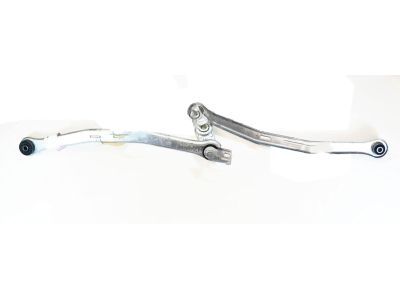
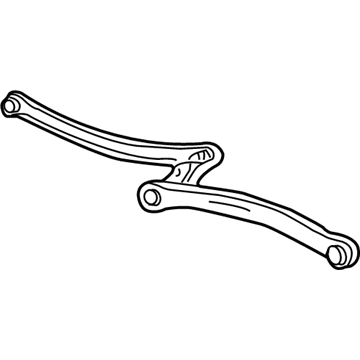
Mercury Track Bar, Rear Part Number: 8W1Z-4264-B
$207.71 MSRP: $305.00You Save: $97.29 (32%)Ships in 1-3 Business DaysProduct Specifications- Other Name: Bar - Rear Axle; Suspension Track Bar, Rear; Track Bar Brace
- Position: Rear
- Replaces: 5W1Z-4264-B, 6W1Z-4264-B, 6W1Z-4264-AA
Mercury Track Bar
If you own Mercury and want to keep it in top shape, choosing OEM Track Bar is a smart move. They are precisely engineered and follow strict factory standards. They are made in advanced facilities that use cutting edge technology. Each part goes through thorough testing to confirm strength and safety, so you can trust it. FordPartsDeal.com gives you genuine Mercury Track Bar at some of the affordable online prices without cutting quality. Every OEM Mercury part includes the manufacturer's warranty, easy returns, and super-fast delivery. So why wait? Shop now and get your vehicle back to peak condition.
The Mercury Track Bar ensures that the rear axle is held at the center in order to make your car stable at corners and potholes. Since 1939, Mercury provided mid sized cars having soft ride, sharp style and roomy cabins. The name of the brand came after the speedy Roman messenger deity and supported it with smooth floating, silent interiors, and smooth movement. Mercury had good sellers such as the Cougar and the Grand Marquis which demonstrated how the company balanced comfort with value up to its end of production in 2011. The balance between the feel and affordability of Mercury is still commended by fans today, and the lack of pillars on the hardtops, the glossy chrome, and the fact that the marque never sacrificed youthful feeling to gain comfort, make upgrades such as this bar worth it. This heavy steel bar fits sealed bushings to prevent side to side axle sway without damaging the comfortable ride and a correctly adjusted Track Bar allows a vintage Mercury to straight track the highway. To install, park on a level surface, chock tires and use a jack stand to stabilize the axle. Unscrew the old Track Bar that is attached to the axle and frame brackets, and find a Track Bar of the same length, and thread the adjuster until the axle appears to be in the middle. Install bushings on seats, fit bolts and tighten by hand before full tightening. Get the vehicle on its springs, bounce it, ensure equal wheel spacing, and torque all the fasteners to factory specification, and finish with a brief road test, rechecking the torque, and getting the steering wheel centered, especially when it is not in the middle of the vehicle.
Related Mercury Parts
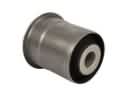 Mercury Axle Support Bushings
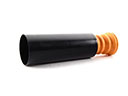 Mercury Bump Stop
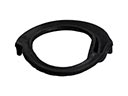 Mercury Coil Spring Insulator
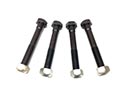 Mercury Control Arm Bolt
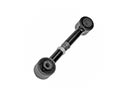 Mercury Lateral Link
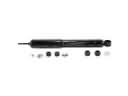 Mercury Shock Absorber
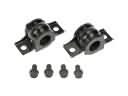 Mercury Sway Bar Bracket
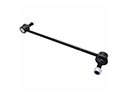 Mercury Sway Bar Link
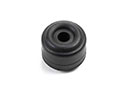 Mercury Sway Bar Link Bushing
 Mercury Sway Bars
 Mercury Trailing Arm
 Mercury Trailing Arm Bushing