FordParts
My Garage
My Account
Cart
OEM Mercury Water Pump Gasket
Engine Cooling Water Pump Gasket- Select Vehicle by Model
- Select Vehicle by VIN
Select Vehicle by Model
orMake
Model
Year
Select Vehicle by VIN
For the most accurate results, select vehicle by your VIN (Vehicle Identification Number).
16 Water Pump Gaskets found
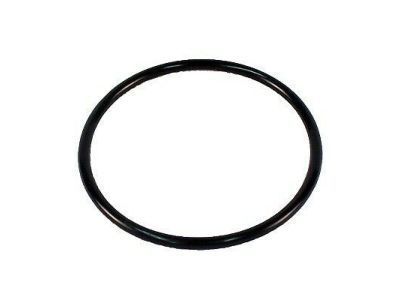

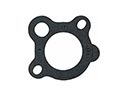
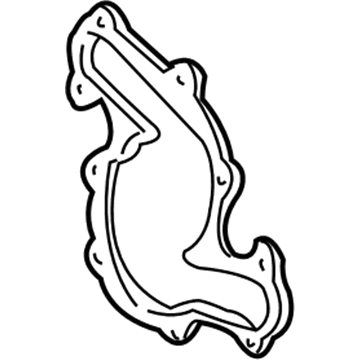
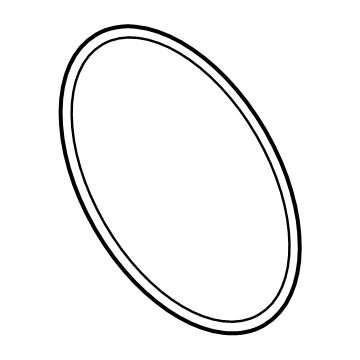
Mercury Water Pump Gasket Part Number: 1S7Z-8507-AE
$7.34 MSRP: $10.42You Save: $3.08 (30%)Ships in 1 Business DayProduct Specifications- Other Name: Gasket - Water Pump; Engine Water Pump Outlet Pipe Gasket; Engine Water Pump Gasket; Engine Water Pump O-Ring
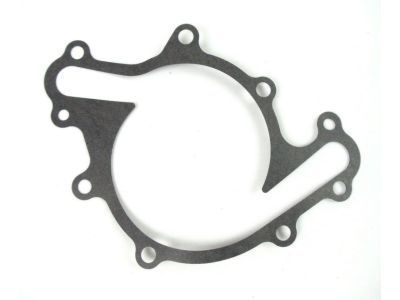
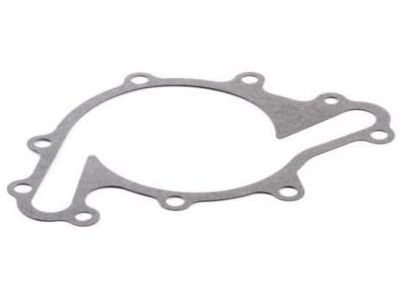
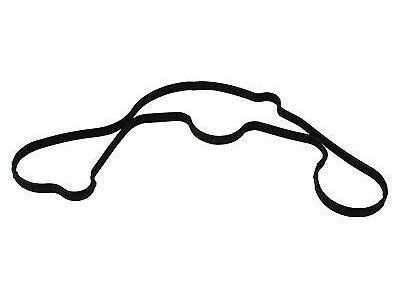
Mercury Water Pump Gasket Part Number: F65Z-8507-BA
$13.78 MSRP: $18.75You Save: $4.97 (27%)Product Specifications- Other Name: Gasket - Water Pump; Engine Water Pump Gasket; Water Pump O-Ring; Pulley Gasket; Gasket

Mercury Inner Gasket, Outer Part Number: 7T4Z-8507-B
$14.89 MSRP: $21.67You Save: $6.78 (32%)Ships in 1-2 Business DaysProduct Specifications- Other Name: Gasket - Water Pump; Engine Water Pump Gasket, Outer; Water Pump O-Ring
- Manufacturer Note: Outer
- Position: Inner Outer
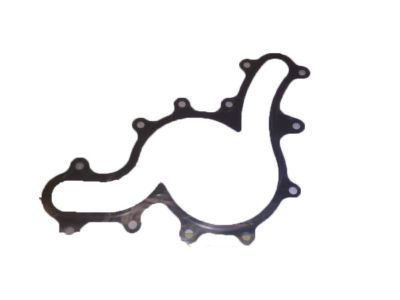
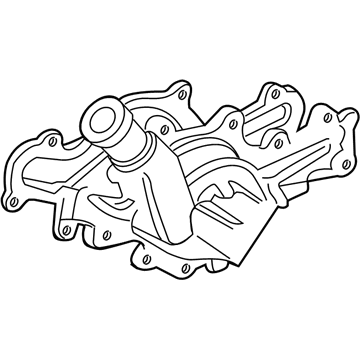
Mercury Water Pump Gasket Part Number: 1L2Z-8507-AA
$15.28 MSRP: $21.67You Save: $6.39 (30%)Ships in 1-3 Business DaysProduct Specifications- Other Name: Gasket - Water Pump; Engine Water Pump Gasket; Water Pump O-Ring; Water Pump Assembly Gasket; Gasket
- Manufacturer Note: SOHC - Postal
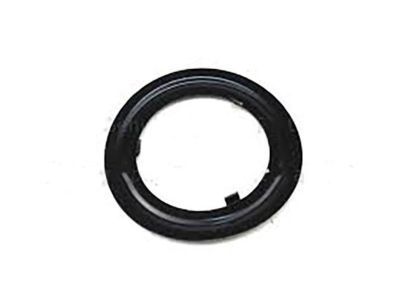
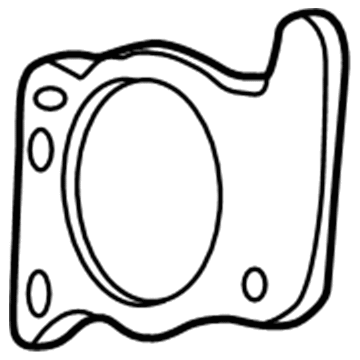
Mercury Water Pump Gasket Part Number: F8RZ-8507-CA
$7.34 MSRP: $10.42You Save: $3.08 (30%)Product Specifications- Other Name: Gasket - Water Pump; Engine Water Pump Backing Plate Gasket; Engine Water Pump Gasket; Water Pump O-Ring; Water Pump Assembly Gasket; Gasket
- Manufacturer Note: DOHC
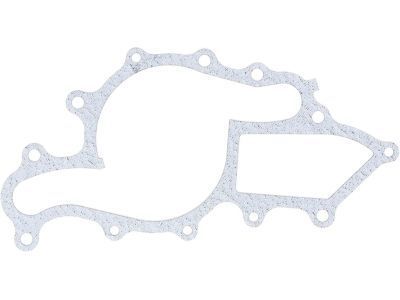
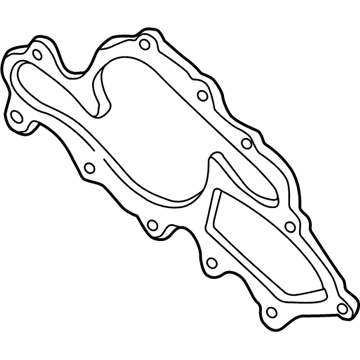
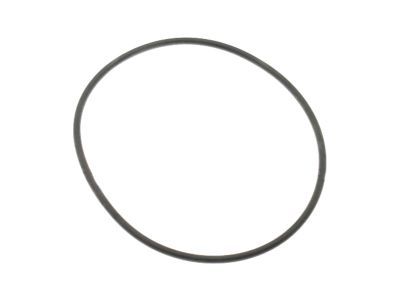
Mercury Gasket Part Number: F58Z-8507-A
$7.34 MSRP: $10.42You Save: $3.08 (30%)Ships in 1-2 Business DaysProduct Specifications- Other Name: Gasket - Water Pump; Engine Water Pump Gasket; Water Pump O-Ring; Water Pump Gasket
- Manufacturer Note: 24 valve does not require basic 8507-, 12 valve
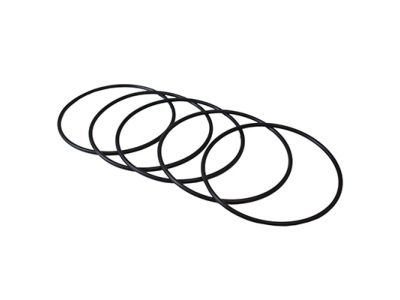
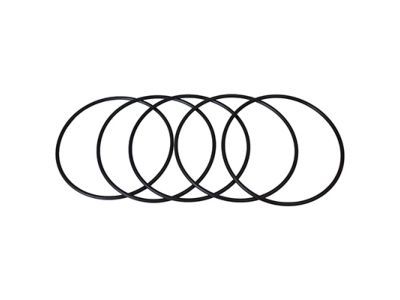
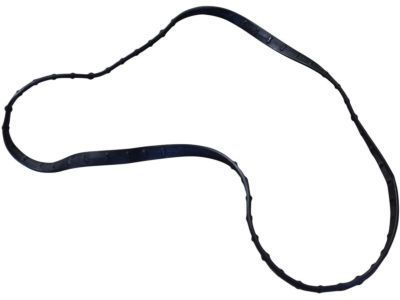
Mercury Water Pump Gasket Part Number: F1VY-8507-A
$9.87 MSRP: $14.00You Save: $4.13 (30%)Ships in 1 Business DayProduct Specifications- Other Name: Gasket - Water Pump; Engine Water Pump Gasket; Multi-Purpose O-Ring; General Use O-Ring; Water Pump O-Ring; O-Ring; Water Pump Assembly Gasket; Pulley Gasket; Gasket
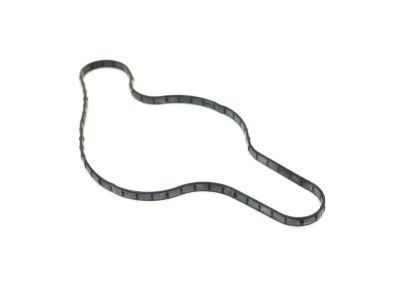
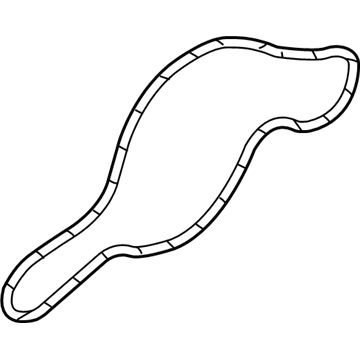
Mercury Inner Gasket Part Number: 7T4Z-8507-A
$15.21 MSRP: $21.67You Save: $6.46 (30%)Product Specifications- Other Name: Gasket - Water Pump; Engine Water Pump Gasket, Inner; Water Pump O-Ring
- Manufacturer Note: inner
- Position: Inner
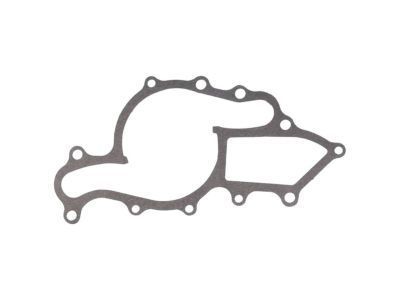
Mercury Gasket Part Number: E6DZ-8507-D
$13.78 MSRP: $18.75You Save: $4.97 (27%)Product Specifications- Other Name: Gasket - Water Pump; Engine Water Pump Gasket; Water Pump O-Ring; Water Pump Gasket
- Manufacturer Note: CID:3.0L
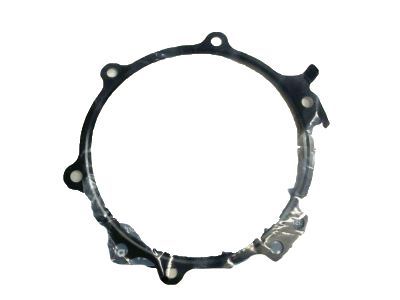
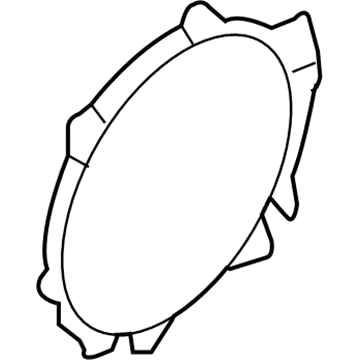
Mercury Water Pump Assembly Gasket Part Number: 5F9Z-8507-AB
$15.17 MSRP: $20.64You Save: $5.47 (27%)Product Specifications- Other Name: Gasket - Water Pump; Engine Water Pump Backing Plate Gasket; Water Pump Gasket; Water Pump O-Ring; Gasket
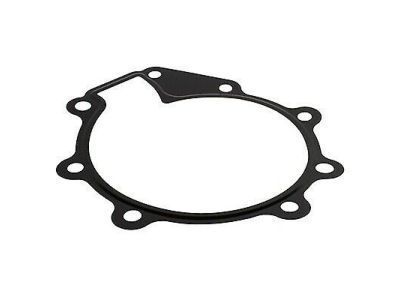
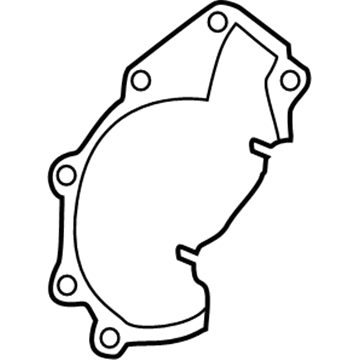
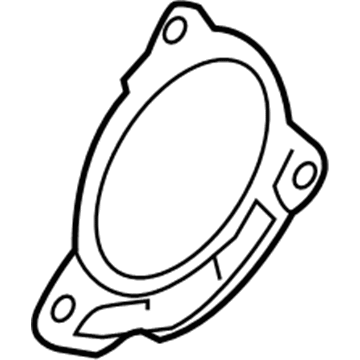
Mercury Gasket Part Number: 2X4Z-8507-BA
$13.78 MSRP: $18.75You Save: $4.97 (27%)Ships in 1-3 Business DaysProduct Specifications- Other Name: Gasket - Water Pump; Engine Water Pump Backing Plate Gasket; Water Pump Gasket; Water Pump O-Ring
Mercury Water Pump Gasket Part Number: 9L8Z-8507-A
$7.34 MSRP: $10.42You Save: $3.08 (30%)Ships in 1-3 Business DaysProduct Specifications- Other Name: Gasket - Water Pump; Water Pump O-Ring; Gasket
Mercury Gasket Part Number: XS2Z-8507-AA
$13.78 MSRP: $18.75You Save: $4.97 (27%)Product Specifications- Other Name: Gasket - Water Pump; Engine Water Pump Backing Plate Gasket; O-Ring
- Manufacturer Note: FROM 10/97
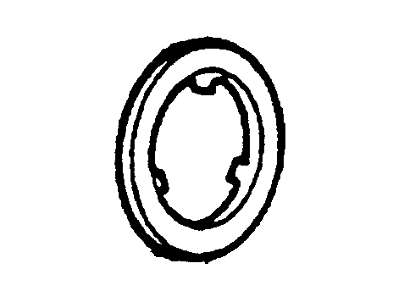
Mercury Water Pump Gasket Part Number: F7CZ-8507-AA
$13.78 MSRP: $18.75You Save: $4.97 (27%)Product Specifications- Other Name: Gasket - Water Pump; Water Pump O-Ring; Water Pump Assembly Gasket
- Manufacturer Note: SOHC
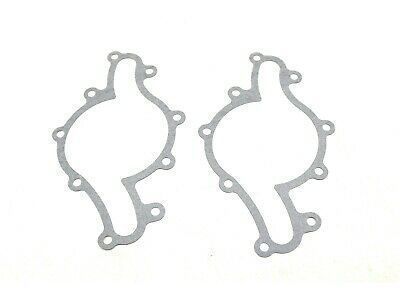
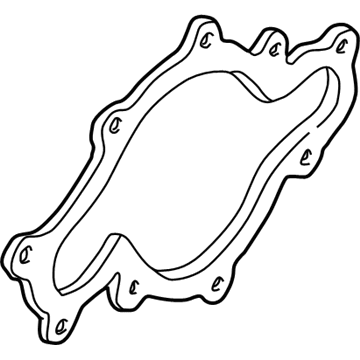
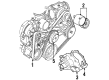
Mercury Water Pump Assembly Gasket Part Number: F1SZ-8507-A
Product Specifications- Other Name: Gasket - Water Pump; Engine Water Pump Gasket; Water Pump O-Ring; Pulley Gasket; Gasket; Water Pump Gasket
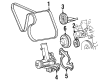
Mercury Pulley Gasket Part Number: E8DZ-8507-A
Product Specifications- Other Name: Gasket - Water Pump; Water Pump Gasket; Water Pump O-Ring; Gasket
Mercury Water Pump Gasket
If you own Mercury and want to keep it in top shape, choosing OEM Water Pump Gasket is a smart move. They are precisely engineered and follow strict factory standards. They are made in advanced facilities that use cutting edge technology. Each part goes through thorough testing to confirm strength and safety, so you can trust it. FordPartsDeal.com gives you genuine Mercury Water Pump Gasket at some of the affordable online prices without cutting quality. Every OEM Mercury part includes the manufacturer's warranty, easy returns, and super-fast delivery. So why wait? Shop now and get your vehicle back to peak condition.
Mercury Water Pump Gasket seals the coolant in the pump and the engine and is a simple seal that allows a Mercury engine to run quiet and smooth even on hot days. Mercury has been a symbol of midsize cars with a plush ride, stylish looks and cabins large enough to allow families to stretch out during long journeys since 1938. Smooth tuning of suspensions resolved bumps and much heavier sound padding silenced the highway giving the Cougar, Grand Marquis, and all the Mercury badges a balanced feel of comfort and worth. Throughout the decades the brand has come up with more silent cabins, improved sound systems and plain dashboard designs that made each travel experience easy going. Light steering and controls in the correct places in relation to hands were also lauded by drivers as evidence that Mercury was always pursuing convenience, as well as performance, an effort that continued until the cessation of production in 2011. Water Pump Gasket is installed on the profiles of the pumps to seal the coolant to maintain a constant temperature. Changing a tattered Mercury Water Pump Gasket is a tedious task that does not require any special tools. Shut the engine, empty the coolant and clear clearances that obstruct the pump. Unscrew bolts, raise the pump and scrape away all the old seal. Clean and dry both sides of metal, and look at warping, and place new Water Pump Gasket either dry or with a thin layer. Install thread bolts by hand, and tighten them in a star formation, even across the specifications, reattaching hoses and the belt and refilling the coolant and bleeding the air, and starting the engine, and observing drips.