FordParts
My Garage
My Account
Cart
OEM Mercury Engine Cooling Fan
Radiator Fan- Select Vehicle by Model
- Select Vehicle by VIN
Select Vehicle by Model
orMake
Model
Year
Select Vehicle by VIN
For the most accurate results, select vehicle by your VIN (Vehicle Identification Number).
54 Engine Cooling Fans found
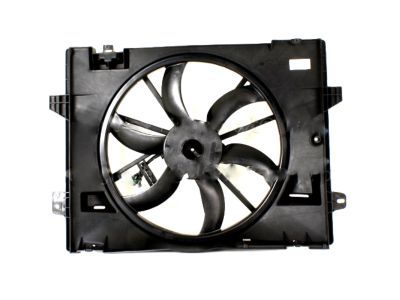

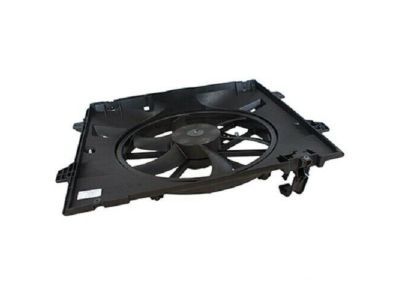
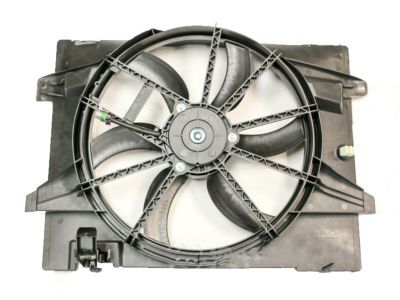
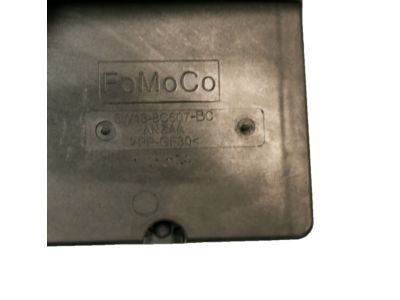
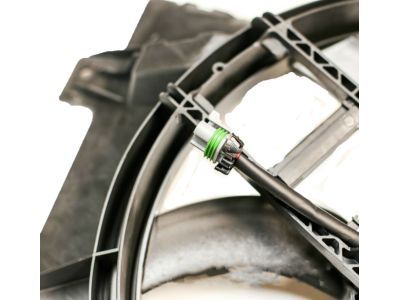
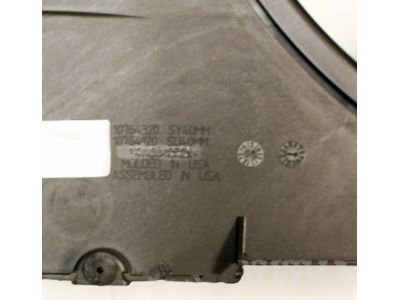
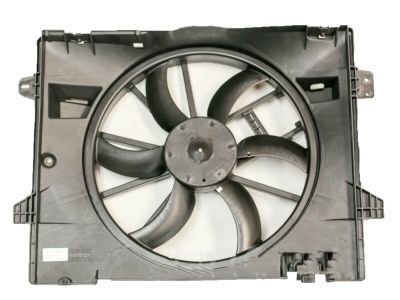
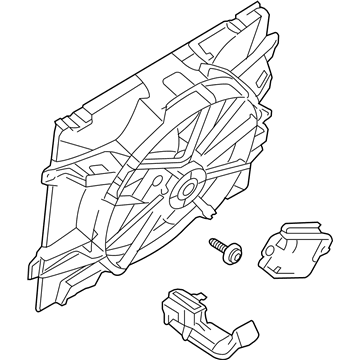
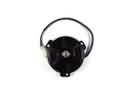
Mercury Fan & Motor Part Number: 8W1Z-8C607-C
$208.05 MSRP: $345.45You Save: $137.40 (40%)Ships in 1-2 Business DaysProduct Specifications- Other Name: Motor And Fan Assembly - Engine Cooling; Dual Radiator and Condenser Fan; Radiator Fan; Fan Blade; Fan Assembly; Fan Module
- Replaces: 8W1Z-8C607-A, RF-258, 7W1Z-8C607-B, 8W1Z-8C607-B
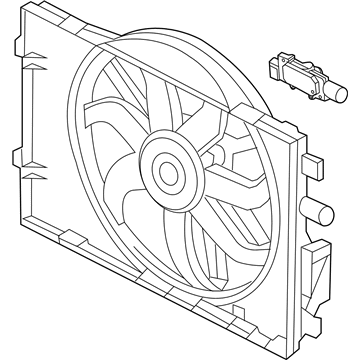
Mercury Fan Assembly Part Number: BE5Z-8C607-B
$536.55 MSRP: $890.91You Save: $354.36 (40%)Ships in 1-2 Business DaysProduct Specifications- Other Name: Motor And Fan Assembly - Engine Cooling; Dual Radiator and Condenser Fan; Radiator Fan; Fan Blade
- Replaces: BE5Z-8C607-A, RF-246, 9E5Z-8C607-A
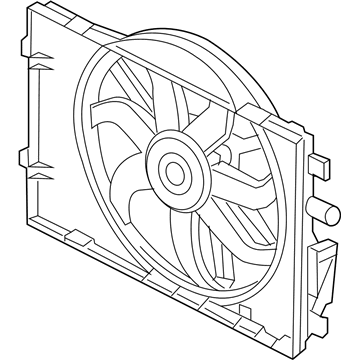
Mercury Fan & Motor Part Number: BG1Z-8C607-A
$920.90 MSRP: $1529.09You Save: $608.19 (40%)Ships in 1-2 Business DaysProduct Specifications- Other Name: Motor And Fan Assembly - Engine Cooling; Dual Radiator and Condenser Fan; Radiator Fan; Fan Blade; Fan Assembly
- Replaces: 8G1Z-8C607-A, 8G1Z-8C607-B, AG1Z-8C607-A, RF-232, RF-249, 8G1Z-8B658-A, RF-254
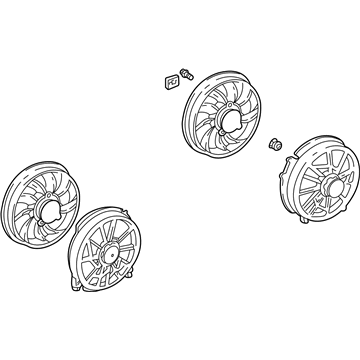
Mercury Fan & Motor, Passenger Side Part Number: 5F1Z-8C607-C
$92.11 MSRP: $127.43You Save: $35.32 (28%)Ships in 1-2 Business DaysProduct Specifications- Other Name: Motor And Fan Assembly - Engine Cooling; Right Engine Cooling Fan; A/C Condenser Fan; Radiator Fan; Fan Blade; Fan Assembly
- Position: Passenger Side
- Replaces: 3F1Z-8C607-HA, 5F1Z-8C607-D
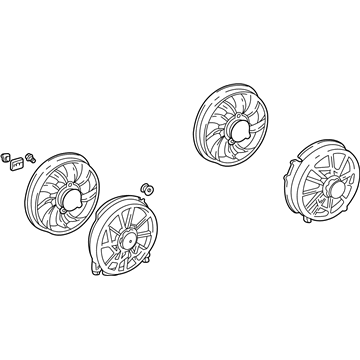
Mercury Fan & Motor, Driver Side Part Number: 5F1Z-8C607-B
$67.04 MSRP: $91.23You Save: $24.19 (27%)Ships in 1-2 Business DaysProduct Specifications- Other Name: Motor And Fan Assembly - Engine Cooling; Left Engine Cooling Fan; Radiator Fan; Fan Blade; Fan Assembly
- Position: Driver Side
- Replaces: 3F1Z-8C607-GA, 5F1Z-8C607-A

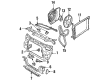
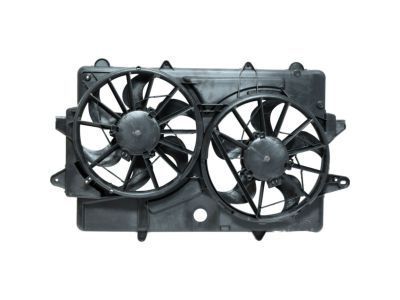
Mercury Fan Assembly Part Number: F1DZ8C607D
$132.82 MSRP: $183.74You Save: $50.92 (28%)Ships in 1-2 Business DaysProduct Specifications- Other Name: Fan And Motor Assembly; Engine Cooling Fan Assembly; Radiator Fan Assembly; Cooling Fan Assembly; Fan Blade
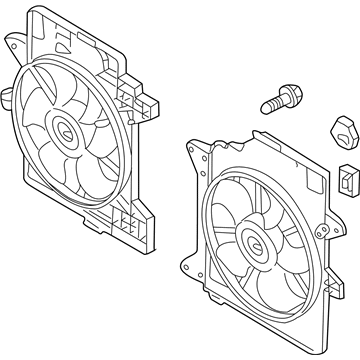
Mercury Fan Assembly Part Number: 5L8Z-8C607-CB
Product Specifications- Other Name: Motor And Fan Assembly - Engine Cooling; Engine Cooling Fan Assembly; Radiator Fan Assembly; Fan Blade
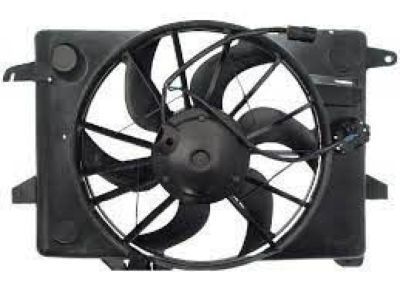
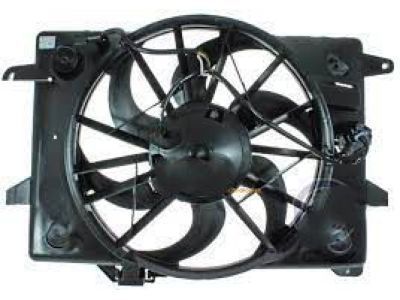
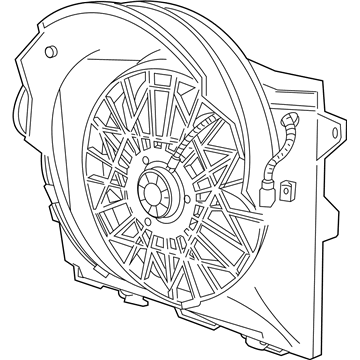
Mercury Fan & Motor Part Number: 1W1Z-8C607-AA
Product Specifications- Other Name: Fan and Motor Assembly; Dual Radiator and Condenser Fan; Engine Cooling Fan; Radiator Fan; Cooling Fan; Fan Blade; Fan Assembly; Fan Module
- Replaces: YW1Z-8C607-AB
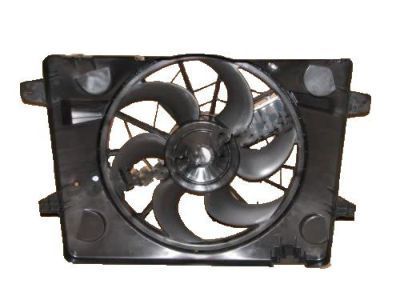
Mercury Fan & Motor Part Number: 3W1Z-8C607-BD
Product Specifications- Other Name: Fan and Motor Assembly; Dual Radiator and Condenser Fan; Engine Cooling Fan; Radiator Fan; Cooling Fan; Fan Blade; Fan Assembly; Fan Module
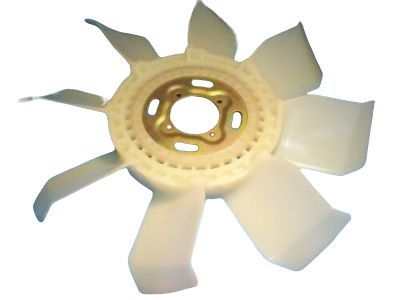
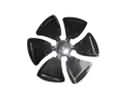
Mercury Fan Blade Part Number: F2AZ-8600-C
Product Specifications- Other Name: Fan Assembly; Radiator Fan Assembly; Blade
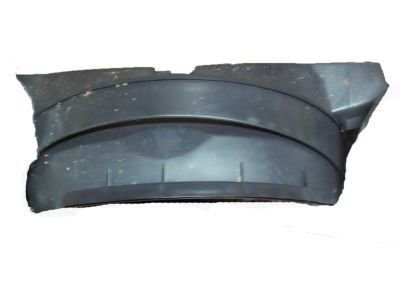
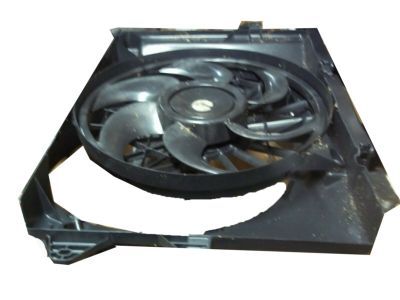
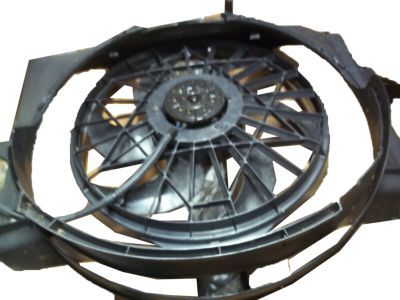
Mercury Fan & Motor Part Number: F5AZ-8C607-B
Product Specifications- Other Name: Fan And Motor Assembly; Engine Cooling Fan Assembly; Radiator Fan Assembly; Cooling Fan Assembly; Fan Assembly; Auxiliary Fan
- Manufacturer Note: This application does not have a separate shroud(8146) - this design is a two fan system set-up(mechanical and electrical)- 8C607 includes shroud, electric fan and motor, if belt driven fan, refer to 8600
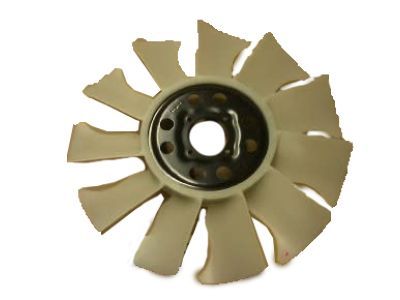
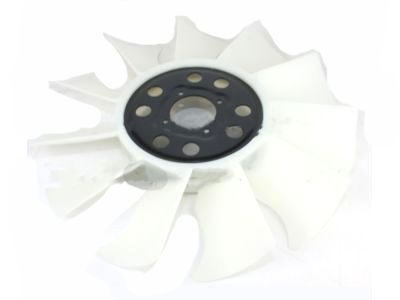
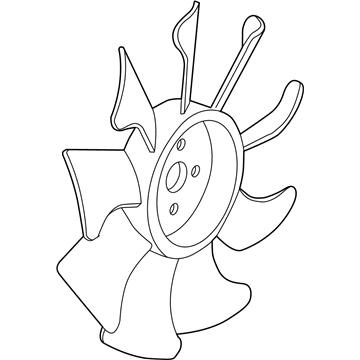
Mercury Fan Blade Part Number: F87Z-8600-EA
Product Specifications- Other Name: Fan Assembly; Engine Cooling Fan Clutch Blade; Radiator Fan Assembly
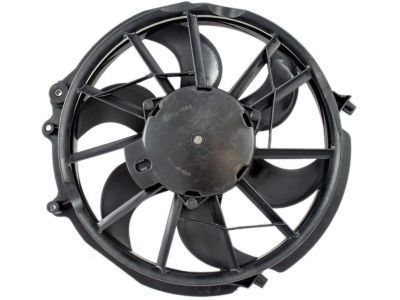
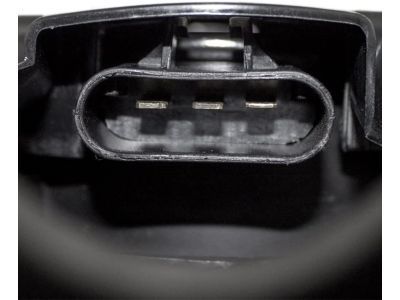
Mercury Fan & Motor, Passenger Side Part Number: YF1Z-8C607-BD
Product Specifications- Other Name: Fan And Motor Assembly; A/C Condenser Fan Assembly; Radiator Fan Assembly; Cooling Fan Assembly; Fan Blade; Fan Assembly
- Position: Passenger Side
Mercury Fan & Motor Part Number: F8VZ-8C607-AA
Product Specifications- Other Name: Fan and Motor Assembly; Dual Radiator and Condenser Fan; Engine Cooling Fan; Radiator Fan; Cooling Fan; Fan Blade; Fan Assembly; Fan Module
- Manufacturer Note: #F8VH 8C607-AH - this design does not use a resistor on side of the shroud - if wire repair kit is required, order F8AZ-14A411-BA, BEFORE 4/10/00
- Replaced by: 1U2Z-14S411-AGB
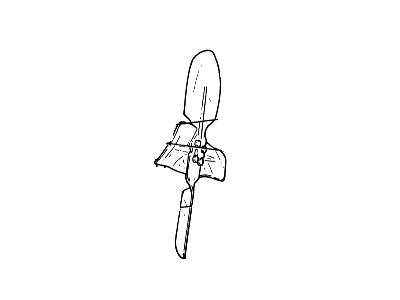
Mercury Fan Blade Part Number: F3ZZ-8600-A
Product Specifications- Other Name: Fan Assembly; Radiator Fan Assembly; Fan
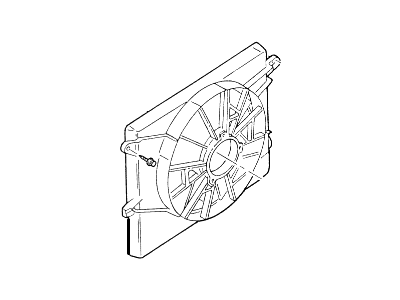
Mercury Fan Blade Part Number: F4SZ-8C607-D
Product Specifications- Other Name: Fan and Motor Assembly; Dual Radiator and Condenser Fan; Engine Cooling Fan; Radiator Fan; Cooling Fan; Fan Switch; Fan Assembly
- Manufacturer Note: except S/C
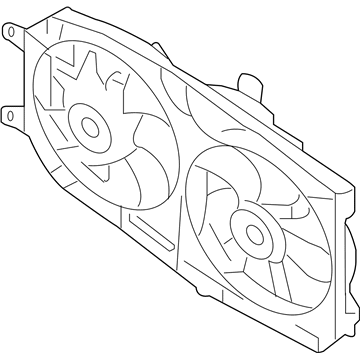
Mercury Fan Assembly Part Number: 5F9Z-8C607-BM
Product Specifications- Other Name: Motor And Fan Assembly - Engine Cooling; Dual Radiator and Condenser Fan; Cooling Fan Assembly; Fan Blade
- Manufacturer Note: Inc Fan Controller
- Replaces: 5F9Z-8C607-BA
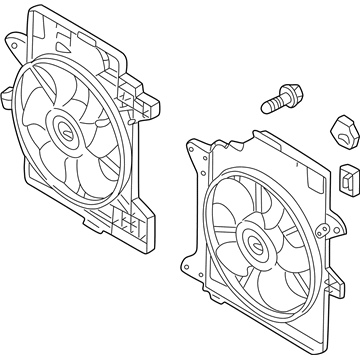
Mercury Fan & Motor Part Number: 5L8Z-8C607-BF
Product Specifications- Other Name: Fan and Motor Assembly; Engine Cooling Fan; Dual Radiator and Condenser Fan; Radiator Fan Assembly; Fan Blade; Fan Assembly; Cooling Fan Assembly
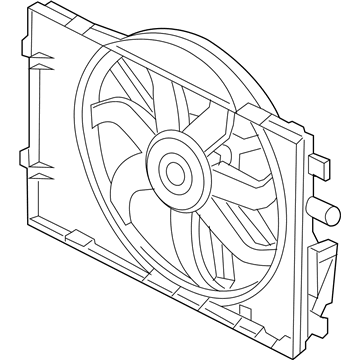
Mercury Fan & Motor Part Number: 7E5Z-8C607-A
Product Specifications- Other Name: Motor And Fan Assembly - Engine Cooling; Dual Radiator and Condenser Fan; Cooling Fan Assembly; Fan Blade; Fan Assembly
- Replaces: 6E5Z-8C607-AA
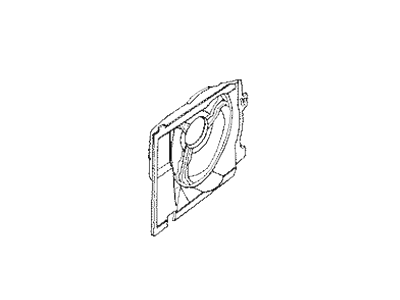
Mercury Fan & Motor Part Number: F23Z-8C607-A
Product Specifications- Other Name: Fan And Motor Assembly; Radiator Fan Assembly; Fan Shroud; Shroud
- Manufacturer Note: HSC
| Page 1 of 3 |Next >
1-20 of 54 Results
Mercury Engine Cooling Fan
If you own Mercury and want to keep it in top shape, choosing OEM Engine Cooling Fan is a smart move. They are precisely engineered and follow strict factory standards. They are made in advanced facilities that use cutting edge technology. Each part goes through thorough testing to confirm strength and safety, so you can trust it. FordPartsDeal.com gives you genuine Mercury Engine Cooling Fan at some of the affordable online prices without cutting quality. Every OEM Mercury part includes the manufacturer's warranty, easy returns, and super-fast delivery. So why wait? Shop now and get your vehicle back to peak condition.
The Mercury Engine Cooling Fan is mounted against the radiator and rotates to force air to pass through the core to keep the coolant cool and to prevent the motor from melting. The Mercury was founded on the premise of quiet cabins, unobtrusive suspensions, and controls that are not flashy but intuitive. The cooling hardware is also directed by the same priorities. Each Mercury radiator fits in its designated place, and the fan absorbs air without hissing or banging. Blade pitch is good at high flow during idle to maintain constant temperature during traffic in summer. The tough composite blades shake off gravel and misplaced tools, and a covered motor prevents rusting due to road spray. Mercury plug type is comparable to factory wiring requiring no splicing. Balanced blades reduce vibration and preserve the bearings of the water pump and ensure the noise levels stay at a manageable level to still listen to the stereo. The brand support does not vanish; in fact, it is as solid as ever after the brand has left showrooms, so replacing an old Engine Cooling Fan is a painless endeavor. Find a flat spot and park your Mercury, turn off the engine, unscrew the battery cable, unscrew the shroud bolts, and raise the old assembly up into the air. Transfer rubber isolators, insert the new Engine Cooling Fan, tighten fittings, connect with a click, and turn the blades manually to ensure clearance. Reconnect power, engines are fired, and gauge is monitored as the fresh Engine Cooling Fan draws a large volume of air.