FordParts
My Garage
My Account
Cart
OEM Ford Alignment Bolt
Control Arm Bolt- Select Vehicle by Model
- Select Vehicle by VIN
Select Vehicle by Model
orMake
Model
Year
Select Vehicle by VIN
For the most accurate results, select vehicle by your VIN (Vehicle Identification Number).
44 Alignment Bolts found
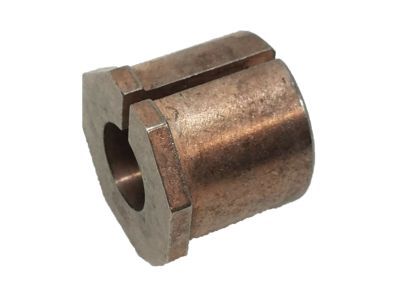
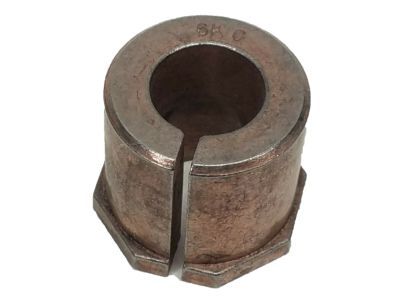
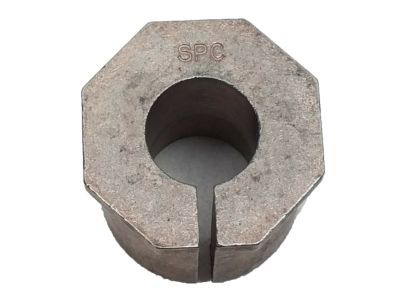
Ford Camber Kit, Front Part Number: 5C3Z-3B440-AAA
$51.86 MSRP: $86.91You Save: $35.05 (41%)Ships in 1-3 Business DaysProduct Specifications- Other Name: Adjuster Assembly; Alignment Camber Adjusting Eccentric, Front; Suspension Ball Joint Eccentric, Front; Alignment - Kit
- Position: Front
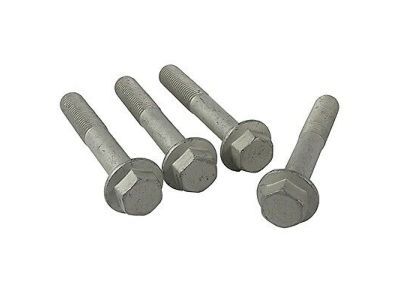
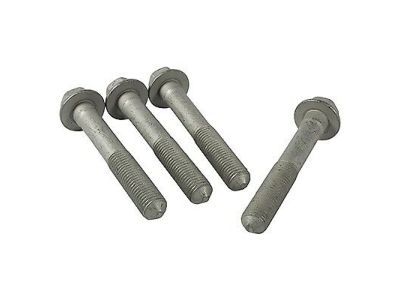
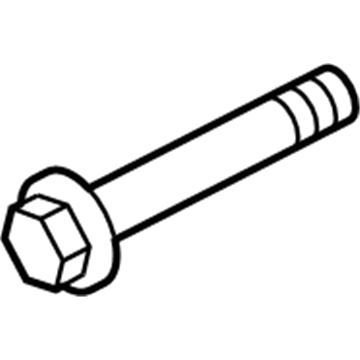
Ford Lower Control Arm Bolt Part Number: -W707516-S439
$5.44 MSRP: $9.25You Save: $3.81 (42%)Ships in 1-3 Business DaysProduct Specifications- Other Name: Bolt; Suspension Control Arm Bolt; Camber Bolt Kit; Control Arm Bolt
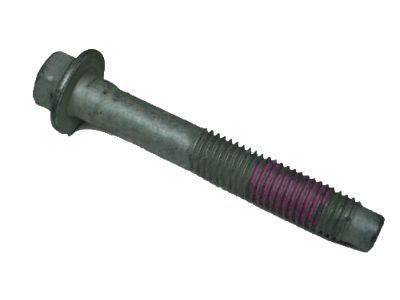
Ford Lower Control Arm Bolt, Front Part Number: -W710174-S439
$24.95 MSRP: $42.45You Save: $17.50 (42%)Ships in 1-3 Business DaysProduct Specifications- Other Name: Bolt; Suspension Control Arm Bolt, Front, Front Lower, Front Upper; Camber Bolt Kit; Lower Control Arm Mount Bolt; Upper Control Arm Front Bolt; Control Arm Bolt
- Manufacturer Note: M14 x 85MM
- Position: Front Lower
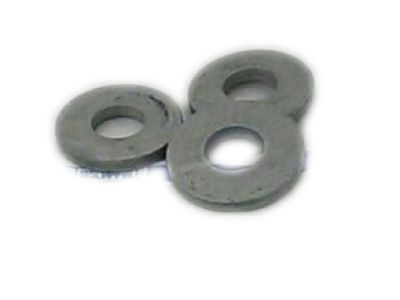
Ford Adjust Cam, Front Part Number: -W705040-S439
$19.04 MSRP: $32.40You Save: $13.36 (42%)Ships in 1-3 Business DaysProduct Specifications- Other Name: Washer; Alignment Camber Adjusting Eccentric, Front; Alignment - Kit; Camber Bolt Kit
- Position: Front
- Replaces: 1L5Z-3B236-A, -W705040-S900, F5TZ-3B236-A
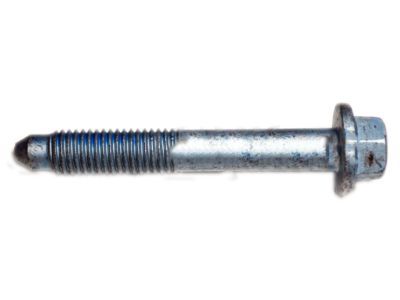
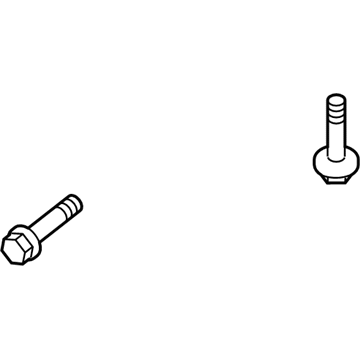
Ford Lower Control Arm Bolt, Front Outer Part Number: -W703432-S900
$4.70 MSRP: $8.00You Save: $3.30 (42%)Product Specifications- Other Name: Bolt; Suspension Control Arm Bolt, Front Outer, Lower; Camber Bolt Kit; Lower Control Arm Lower Bolt; Control Arm Bolt
- Manufacturer Note: M12 X 73MM
- Position: Front Outer
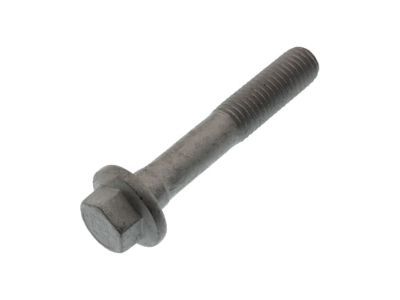
Ford Lower Control Arm Bolt, Front Part Number: -W500545-S439
$1.00 MSRP: $1.69You Save: $0.69 (41%)Ships in 1-3 Business DaysProduct Specifications- Other Name: Bolt; Suspension Control Arm Bolt, Front Lower; Drive Shaft Bolt, Front; Steering Knuckle Bolt; Camber Bolt Kit; Knuckle Bolt; Torque Arm Bolt; Control Arm and Drive Shaft Assembly Bolts.
- Manufacturer Note: M12 x 70MM
- Position: Front
- Replaces: -W500545-S301
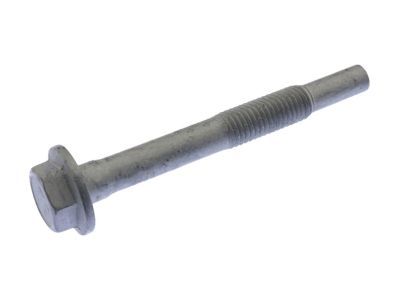
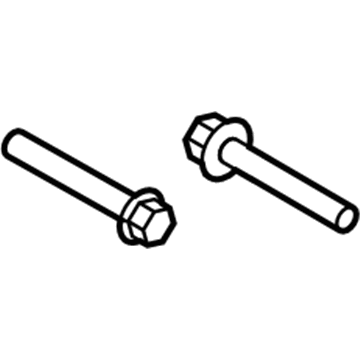
Ford Lower Control Arm Bolt, Front Upper Part Number: -W500569-S439
$3.97 MSRP: $6.75You Save: $2.78 (42%)Ships in 1-3 Business DaysProduct Specifications- Other Name: Bolt; Suspension Control Arm Bolt, Front Upper, Upper; Upper Control Arm Bolt; Control Arm Bolt
- Manufacturer Note: M14 X 95MM
- Position: Front Upper
- Replaces: -W707841-S426, -W707841-S439
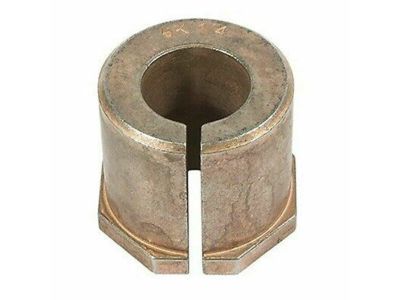
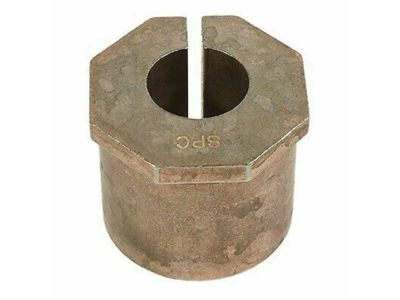
Ford Camber Kit, Front Part Number: 5C3Z-3B440-BBB
$40.42 MSRP: $64.18You Save: $23.76 (38%)Ships in 1-2 Business DaysProduct Specifications- Other Name: Adjuster Assembly; Alignment Camber Adjusting Eccentric, Front; Suspension Ball Joint Eccentric, Front; Alignment - Kit
- Position: Front
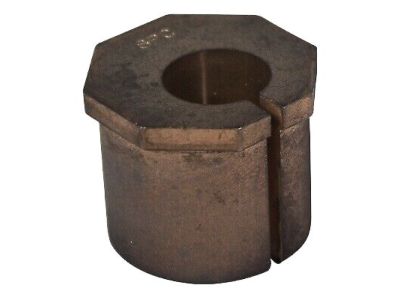
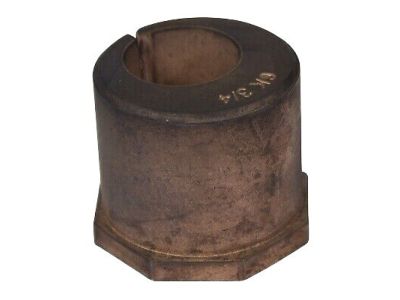
Ford Camber Kit, Front Part Number: 5C3Z-3B440-DDD
$37.10 MSRP: $58.91You Save: $21.81 (38%)Ships in 1-2 Business DaysProduct Specifications- Other Name: Adjuster Assembly; Alignment Camber Adjusting Eccentric, Front; Suspension Ball Joint Eccentric, Front; Alignment - Kit
- Position: Front
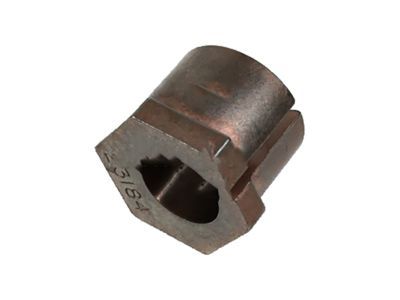
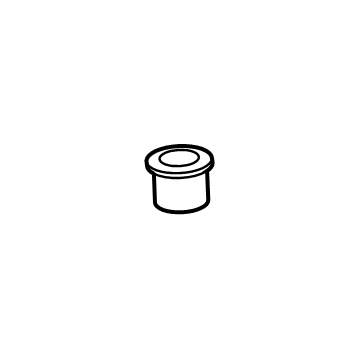
Ford Camber Kit, Front Part Number: 5C3Z-3B440-S
$44.43 MSRP: $70.55You Save: $26.12 (38%)Ships in 1-2 Business DaysProduct Specifications- Other Name: Adjuster Assembly; Front Camber Adjusting Eccentric; Front Suspension Ball Joint; Alignment Kit; Camber Bolt Kit; Mount Bracket Adjuster; Adjust Cam
- Position: Front
- Replaces: 5C3Z-3B440-E
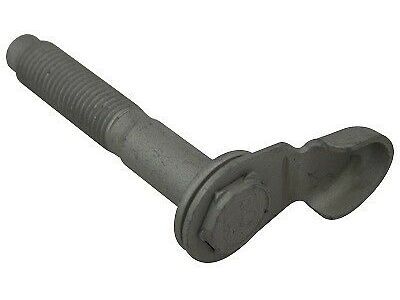
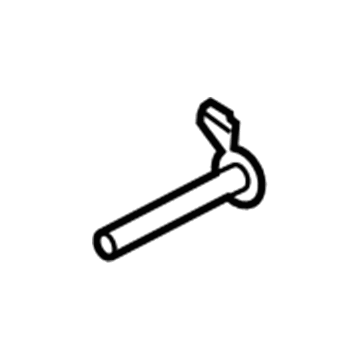
Ford Lower Control Arm Bolt, Front Part Number: 6W1Z-3C177-B
$36.81 MSRP: $52.67You Save: $15.86 (31%)Ships in 1 Business DayProduct Specifications- Other Name: Bolt And Retainer Assembly - Front; Suspension Strut Bolt; Control Arm Bolt; Camber Bolt Kit; Strut Bolt; Mount Bolt; Bolt And Retainer Assembly - Front Suspension
- Position: Front
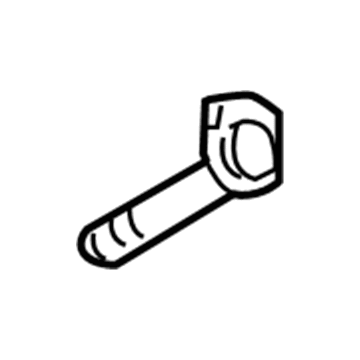
Ford Adjust Cam, Front Part Number: 7L3Z-3B236-A
$62.10 MSRP: $102.18You Save: $40.08 (40%)Ships in 1 Business DayProduct Specifications- Other Name: Cam; Alignment Camber Adjusting Eccentric, Front; Alignment - Kit; Camber Bolt Kit
- Position: Front
- Replaces: 4L3Z-3B236-CA
Ford Camber Kit, Front Part Number: 5C3Z-3B440-R
$43.05 MSRP: $69.45You Save: $26.40 (39%)Ships in 1-3 Business DaysProduct Specifications- Other Name: Adjuster Assembly; Alignment Camber Adjusting Eccentric, Front; Suspension Ball Joint Eccentric, Front; Alignment - Kit; Mount Bracket Adjuster
- Position: Front
- Replaces: 5C3Z-3B440-D
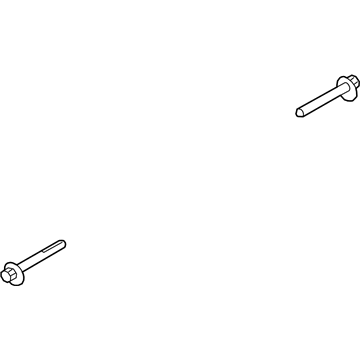
Ford Lower Control Arm Adjust Bolt, Front Part Number: -W720185-S439
$10.87 MSRP: $18.50You Save: $7.63 (42%)Ships in 1-3 Business DaysProduct Specifications- Other Name: Bolt and Washer Assembly - Hex Head; Alignment Camber Adjusting Eccentric Kit; Control Arm Bolt.; Bolt And Washer Assembly - Hexagon Head
- Manufacturer Note: M16 x 125MM
- Position: Front
- Replaced by: -W720555-S439
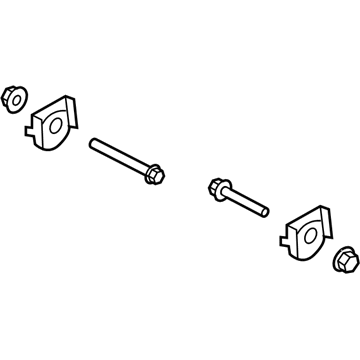
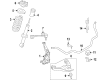
Ford Lower Control Arm Bolt Part Number: -W718840-S439
$7.05 MSRP: $12.00You Save: $4.95 (42%)Ships in 1-3 Business DaysProduct Specifications- Other Name: Bolt; Suspension Control Arm Bolt, Front Lower, Front Upper, Lower, Upper; Camber Bolt Kit; Upper Control Arm Bolt; Lower Control Arm Mount Bolt; Control Arm Bolt
- Manufacturer Note: M18 X 137
- Position: Lower
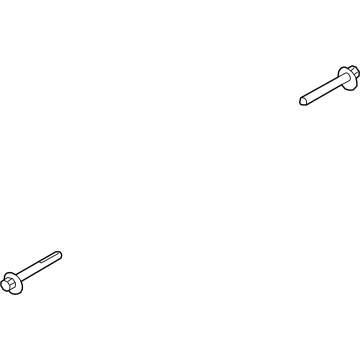
Ford Lower Control Arm Adjust Bolt, Front Part Number: -W720555-S439
$10.87 MSRP: $18.50You Save: $7.63 (42%)Product Specifications- Other Name: Bolt And Washer Assembly - Hex Head; Alignment Camber Adjusting Eccentric; Front Lower Control Arm Bolt; Kit
- Position: Front
- Replaces: -W720185-S439
Ford Camber Kit, Front Part Number: 5C3Z-3B440-U
$43.74 MSRP: $69.45You Save: $25.71 (38%)Ships in 1-3 Business DaysProduct Specifications- Other Name: Adjuster Assembly; Front Camber Adjusting Eccentric; Front Suspension Ball Joint; Alignment Kit; Camber Bolt Kit; Mount Bracket Adjuster; Adjust Cam
- Position: Front
- Replaces: 5C3Z-3B440-G
Ford Camber Kit, Front Part Number: 5C3Z-3B440-N
$43.74 MSRP: $69.45You Save: $25.71 (38%)Ships in 1-3 Business DaysProduct Specifications- Other Name: Adjuster Assembly; Alignment Camber Adjusting Eccentric; Suspension Ball Joint Eccentric; Radius Arm Bushing; Kit; Mount Bracket Adjuster; Adjust Cam
- Position: Front
- Replaces: 5C3Z-3B440-A
Ford Camber Kit, Front Part Number: 5C3Z-3B440-CCC
$37.10 MSRP: $58.91You Save: $21.81 (38%)Ships in 1-2 Business DaysProduct Specifications- Other Name: Adjuster Assembly; Alignment Camber Adjusting Eccentric, Front; Suspension Ball Joint Eccentric, Front; Alignment - Kit
- Position: Front
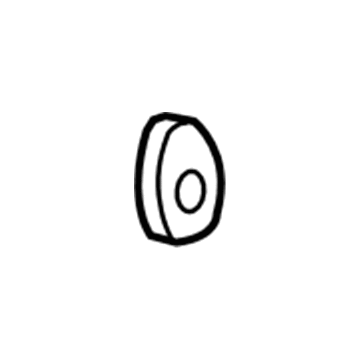
Ford Adjust Cam, Front Part Number: YL5Z-3C203-PA
$13.78 MSRP: $18.75You Save: $4.97 (27%)Product Specifications- Other Name: Cam; Alignment Camber Adjusting Eccentric, Front; Alignment - Kit; Camber Bolt Kit
- Manufacturer Note: Pink - 28.8mm
- Position: Front
| Page 1 of 3 |Next >
1-20 of 44 Results
Ford Alignment Bolt
If you own Ford and want to keep it in top shape, choosing OEM Alignment Bolt is a smart move. They are precisely engineered and follow strict factory standards. They are made in advanced facilities that use cutting edge technology. Each part goes through thorough testing to confirm strength and safety, so you can trust it. FordPartsDeal.com gives you genuine Ford Alignment Bolt at some of the affordable online prices without cutting quality. Every OEM Ford part includes the manufacturer's warranty, easy returns, and super-fast delivery. So why wait? Shop now and get your vehicle back to peak condition.
The Ford Alignment Bolt allows the owner to quickly adjust the correct camber and caster to protect the life of tires as well as provide the car with efficient sharp steering. The company was founded out of the vision of Henry Ford in 1903 and reinvented the manufacturing process with the 1913 moving assembly line, a revolution that continues to show the effectiveness of the brand. In present-day Ford cars, there are powerful engines, EcoBoost engines, that combine turbo power with pocket friendly fuel figures and SYNC voice connectivity that enables teens to play music and find directions without raising a finger with the ability of having very low emissions. Added Co-Pilot360 has many other options like automatic braking and lane keeping warning that keep a keen eye on the road so no Ford ride is taken by surprise. In the future, the entirely electric F-150 Lightning demonstrates the potential of Ford to transport cargo but produce zero tailpipe emissions, as intelligent technology and environmental concern go hand in hand. Installing an Alignment Bolt at home should be done when parked on a flat surface, brake on, wheel raised up and opposite tires chocked. Take out the wheel, label strut or control arm, loosen the original factory bolt, then, insert the new Alignment Bolt with its cam facing outward. Reduce the suspension to normal ride height and turn the Alignment Bolt until the tire is true and then screw the nut to the recommended torque with a torque wrench. Re-fit the wheel, roll the car, check the angles again, make sure it has settled, then test the car by a slow test drive to ensure steering is centered.
Related Ford Parts
 Ford Air Suspension
 Ford Coil Springs
 Ford Radius Arm Bushing
 Ford Shock Absorber
 Ford Sway Bar Link
 Ford Air Suspension Solenoid
 Ford Bump Stop
 Ford Crossmember Bushing
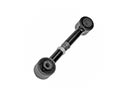 Ford Lateral Link
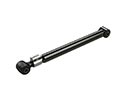 Ford Suspension Strut Rod
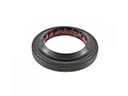 Ford Wheel Seal
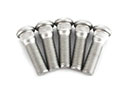 Ford Wheel Stud
Browse Ford Alignment Bolt by Models
Ranger Bronco Mustang Explorer Fusion F-150 Edge Expedition Fiesta Taurus Thunderbird Flex Explorer Sport Trac Crown Victoria EcoSport F-250 Explorer Sport F-350 Mustang Mach-E Police Interceptor Utility Taurus X F-350 Super Duty Police Interceptor Sedan E-150 E-250 E-350 Super Duty F-150 Heritage F-150 Lightning F-250 HD F-250 Super Duty Police Responder Hybrid Special Service Police Sedan SSV Plug-In Hybrid