FordParts
My Garage
My Account
Cart
OEM Ford Expedition PCV Hose
PCV Valve Hose- Select Vehicle by Model
- Select Vehicle by VIN
Select Vehicle by Model
orMake
Model
Year
Select Vehicle by VIN
For the most accurate results, select vehicle by your VIN (Vehicle Identification Number).
17 PCV Hoses found
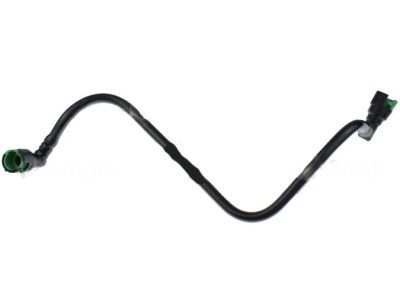
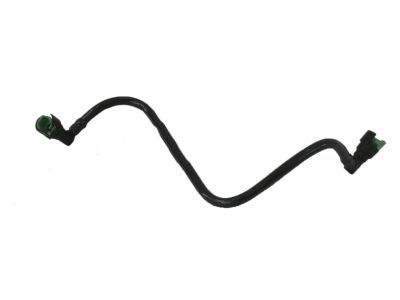
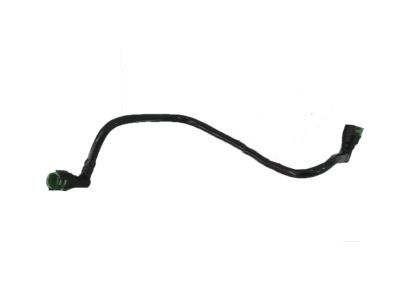
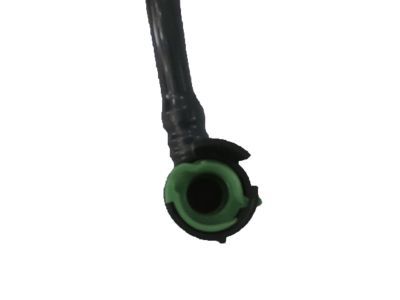
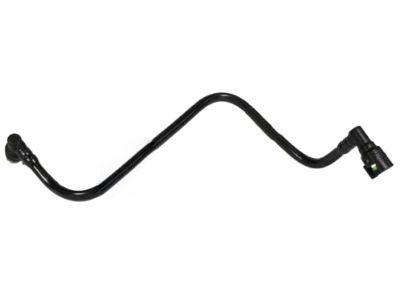
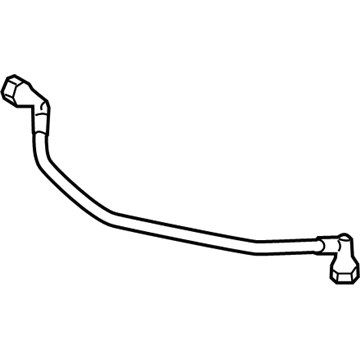
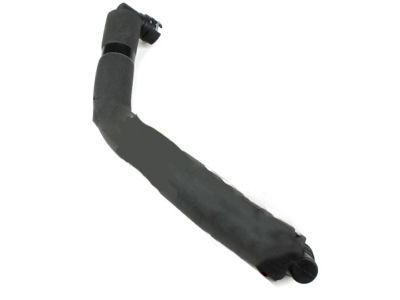
Ford Expedition Connector Tube Part Number: 3L3Z-6758-BA
$38.45 MSRP: $55.00You Save: $16.55 (31%)Ships in 1-3 Business Days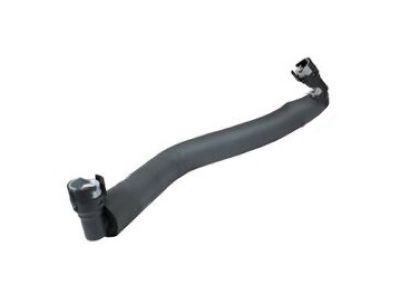
Ford Expedition PCV Valve Part Number: 3L3Z-6A664-AA
$99.56 MSRP: $150.17You Save: $50.61 (34%)Ships in 1-2 Business Days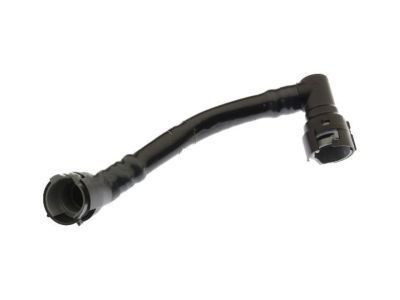
Ford Expedition PCV Hose Part Number: HL3Z-6A664-A
$15.57 MSRP: $22.67You Save: $7.10 (32%)Ships in 1-2 Business Days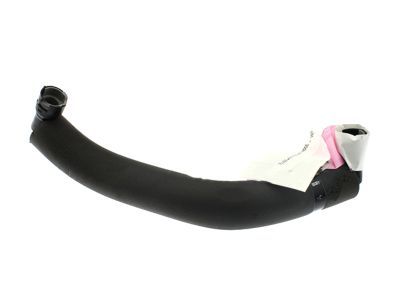
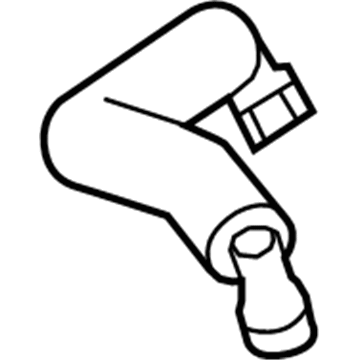
Ford Expedition PCV Hose Part Number: 7L3Z-6A664-B
$53.92 MSRP: $81.33You Save: $27.41 (34%)Ships in 1-2 Business Days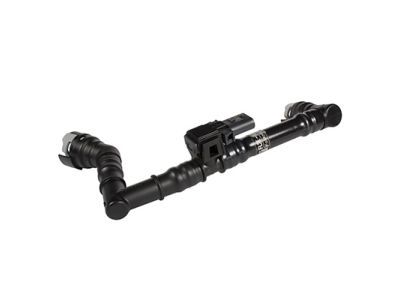
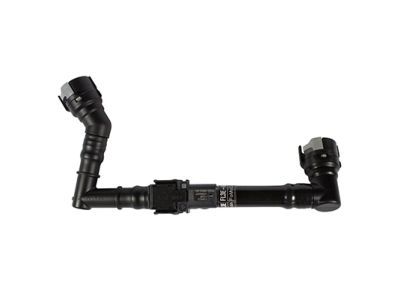
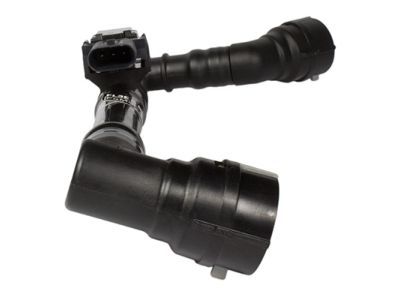
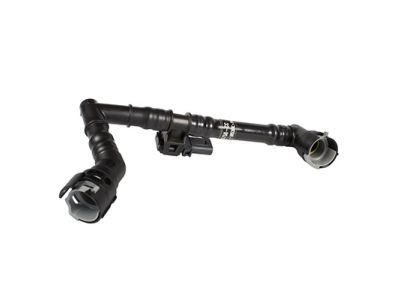
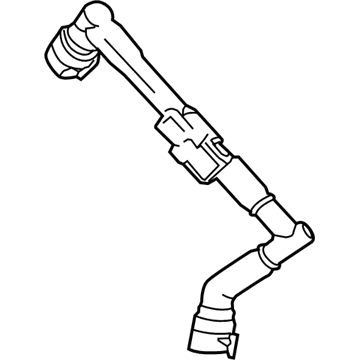
Ford Expedition Tube Assembly Part Number: FL3Z-6758-A
$74.43 MSRP: $108.33You Save: $33.90 (32%)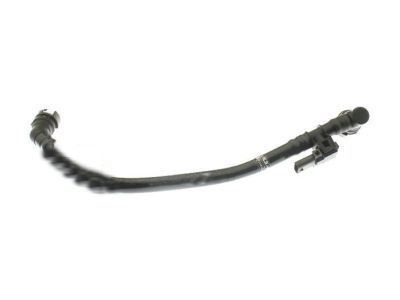
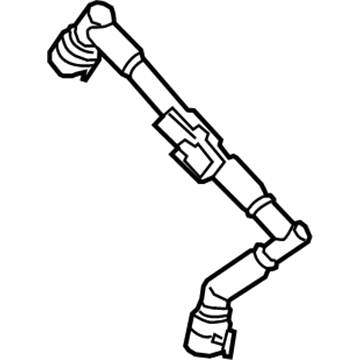
Ford Expedition Crankcase Tube Part Number: HL3Z-6758-B
$80.26 MSRP: $116.83You Save: $36.57 (32%)Ships in 1-2 Business Days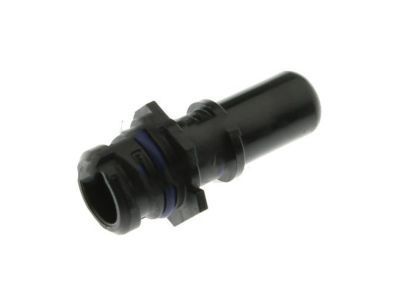
Ford Expedition Vent Tube Part Number: 4L2Z-6762-AA
$6.11 MSRP: $8.67You Save: $2.56 (30%)Ships in 1-2 Business Days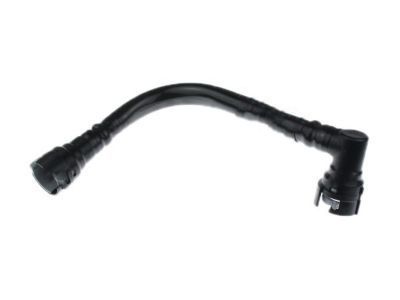
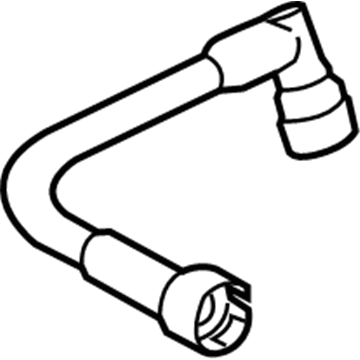
Ford Expedition PCV Hose Part Number: DL3Z-6A664-A
$16.03 MSRP: $23.33You Save: $7.30 (32%)Ships in 1 Business Day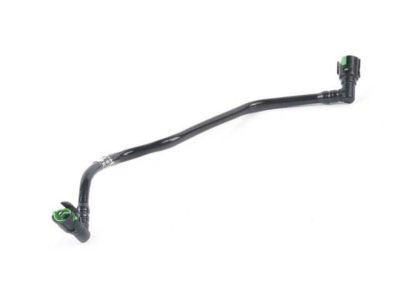
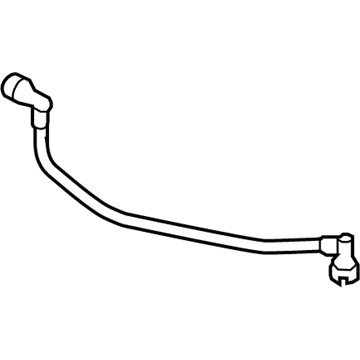
Ford Expedition Tube Assembly Part Number: 9L3Z-6758-A
$26.63 MSRP: $37.77You Save: $11.14 (30%)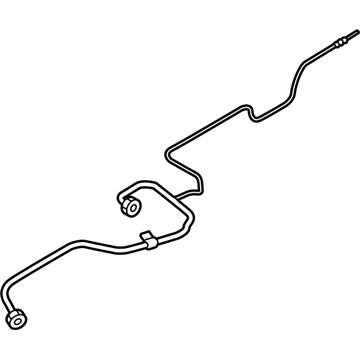
Ford Expedition Hose - Connecting Part Number: JL1Z-9C015-F
$287.16 MSRP: $538.30You Save: $251.14 (47%)Ford Expedition Hose - Connecting Part Number: JL1Z-9C015-E
$287.16 MSRP: $538.30You Save: $251.14 (47%)Ships in 1-2 Business Days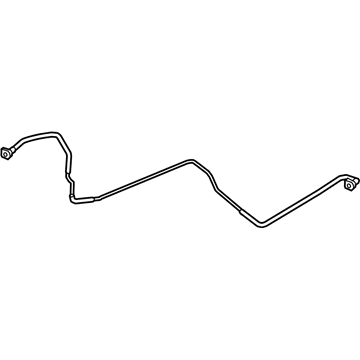
Ford Expedition Tube Assembly Part Number: NL1Z-9D289-A
$152.40 MSRP: $221.83You Save: $69.43 (32%)Ships in 1-2 Business Days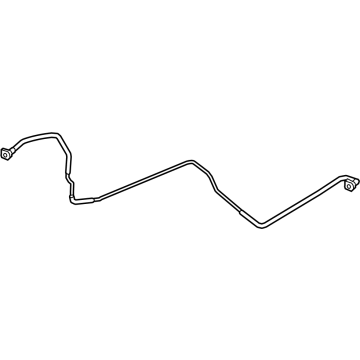
Ford Expedition Tube Assembly - Fuel Vapour Separator Part Number: RL1Z-9D289-A
$177.48 MSRP: $258.33You Save: $80.85 (32%)Ships in 1-2 Business Days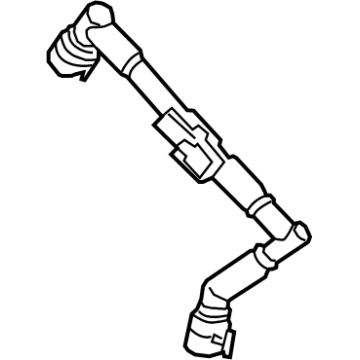
Ford Expedition Tube Assembly Part Number: RL3Z-6758-A
$10.07 MSRP: $14.28You Save: $4.21 (30%)Ships in 1-2 Business Days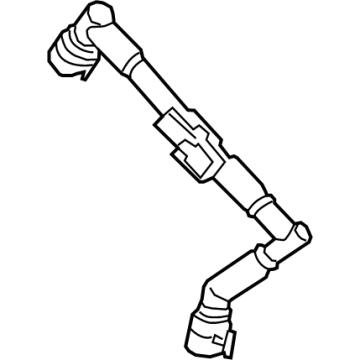
Ford Expedition Crankcase Tube Part Number: ML3Z-6758-E
$11.26 MSRP: $15.97You Save: $4.71 (30%)Ships in 1-2 Business Days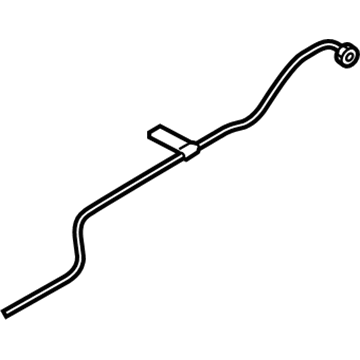
Ford Expedition Tube Part Number: JL1Z-9J337-A
$144.84 MSRP: $210.83You Save: $65.99 (32%)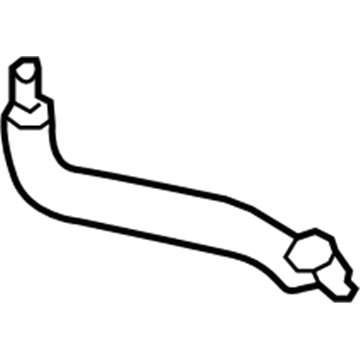
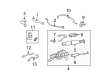
Ford Expedition Connector Hose Part Number: 2L1Z-6A664-GA
Ford Expedition PCV Hose
OEM PCV Hose boasts unmatched quality. Each part goes through full quality checks. They adhere to Ford's official factory standards. These steps remove flaws and inconsistencies. So you can get PCV Hose with long life and a perfect fit. Come to our website and find genuine Ford Expedition parts. We keep a wide inventory of OEM Expedition parts at the highly affordable prices. It's easy to search, compare, and pick what you need. You'll love the clear info and simple checkout. We offer top-rated customer service, and we reply fast. We also ship promptly to ensure your order arrives on time.
Ford Expedition PCV Hose maintains the SUV engine breathing well by forcing the blow-by gases of the crankcase to the intake to ensure that the emissions are kept to a minimum and the oil is kept cleaner. The Ford Expedition itself is glamorous to the families that require space, power, and luxury, with its aluminum intensive body trimming down the weight to be more efficient, a 3.5 liter EcoBoost V6 uniting with a sharp shifting 10 speed automatic, and independent rear suspension taming roughly paved roads at the same time it pulls a loaded trailer with authority. The interior features the Expedition that encloses the occupants in a spacious three row cabin, smart gadgets, and easy to read infotainment display that relegates long commutes to comfort. The use of safety technology such as lane keeping support and adaptive cruise demonstrates how Ford engineers the Expedition in order to secure every rider. Going back to the PCV Hose, this is a molded vacuum line that connects the crankcase to intake by the PCV valve that balances internal pressure and returns vapors to complete combustion to keep the Ford powerplant clean, smoothly running and within the emission regulations. Since the Ford Expedition has to engage in daily trips and weekend travel, replacing the PCV Hose when the time is recommended will stop the deposition of sludge, rough idle, leakage of gaskets, and its costly PCV Hose is cheap compared to engine repairs. It is easy to install, allow the engine to cool, find the PCV valve, observe routing, release clamps, replace the PCV Hose, re-mount clamps, and start the engine and watch for leaks.
Related Ford Expedition Parts
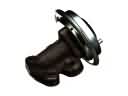 Ford Expedition EGR Valve
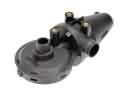 Ford Expedition PCV Valve
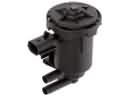 Ford Expedition Canister Purge Valve
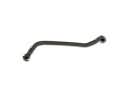 Ford Expedition Crankcase Breather Hose
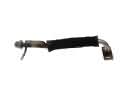 Ford Expedition EGR Tube
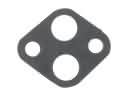 Ford Expedition EGR Valve Gasket
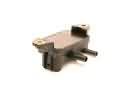 Ford Expedition EGR Valve Position Sensor
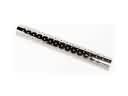 Ford Expedition Exhaust Heat Shield
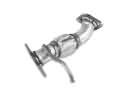 Ford Expedition Exhaust Pipe
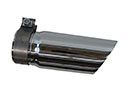 Ford Expedition Exhaust Tip
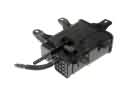 Ford Expedition Vapor Canister
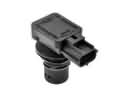 Ford Expedition Vapor Pressure Sensor