FordParts
My Garage
My Account
Cart
OEM Ford F-350 Super Duty Transmission Oil Cooler
Trans Oil Cooler- Select Vehicle by Model
- Select Vehicle by VIN
Select Vehicle by Model
orMake
Model
Year
Select Vehicle by VIN
For the most accurate results, select vehicle by your VIN (Vehicle Identification Number).
15 Transmission Oil Coolers found
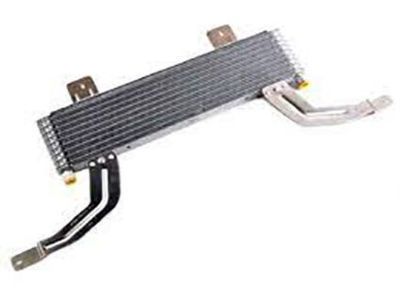
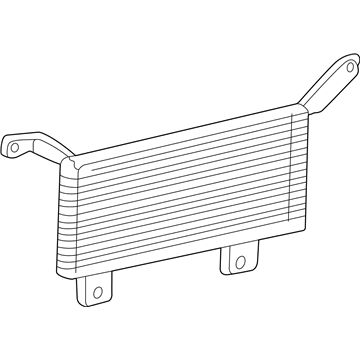
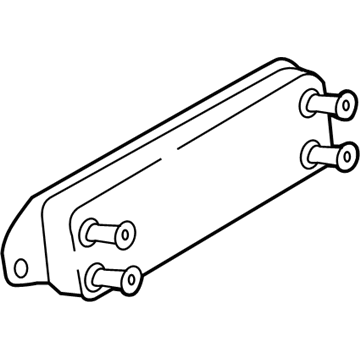
Ford F-350 Super Duty Transmission Cooler Part Number: XC3Z-7A095-BA
$158.02 MSRP: $238.33You Save: $80.31 (34%)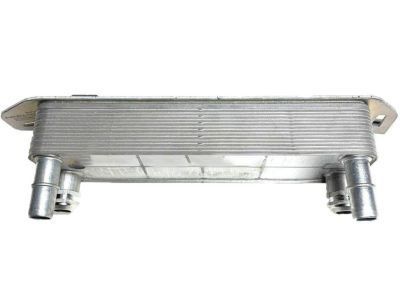
Ford F-350 Super Duty Transmission Cooler Part Number: HC3Z-7A095-B
$121.37 MSRP: $176.67You Save: $55.30 (32%)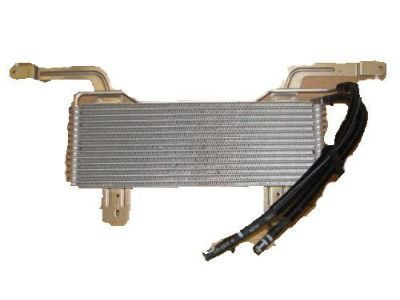
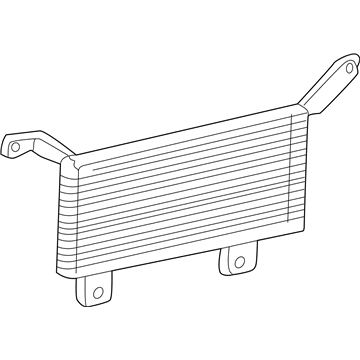
Ford F-350 Super Duty Transmission Cooler Part Number: 3C3Z-7A095-AA
$135.11 MSRP: $196.67You Save: $61.56 (32%)Ships in 1-2 Business Days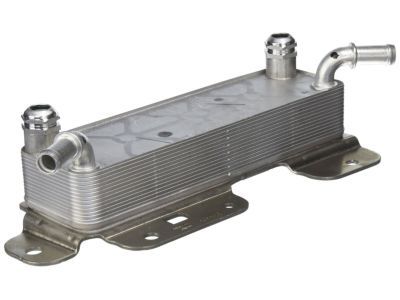
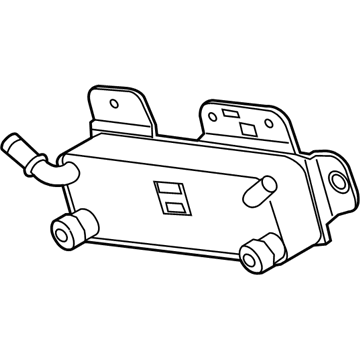
Ford F-350 Super Duty Transmission Cooler Part Number: BC3Z-7A095-C
$139.69 MSRP: $203.33You Save: $63.64 (32%)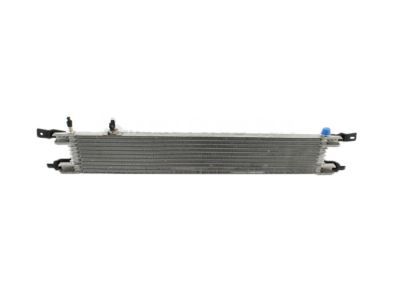
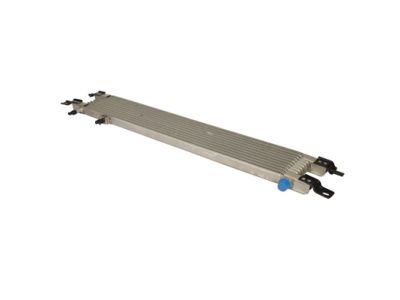
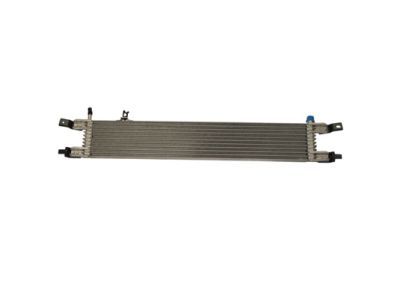
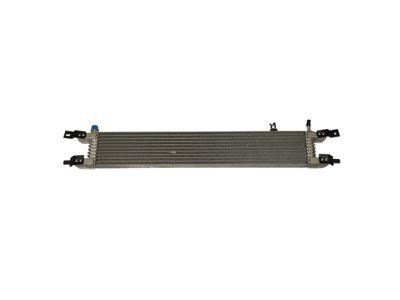
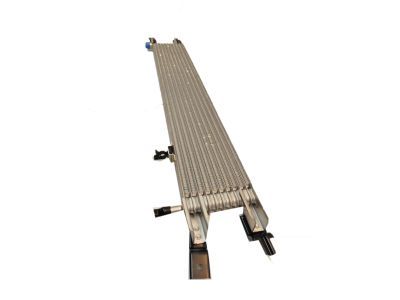
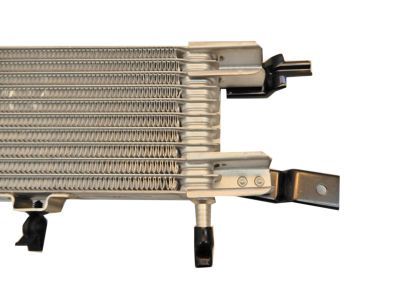
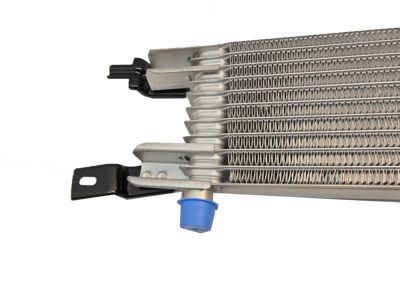
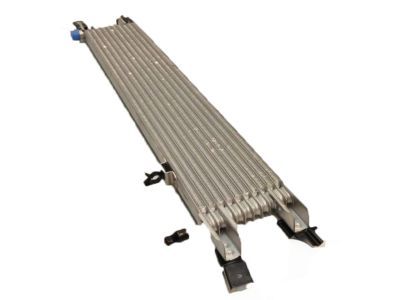
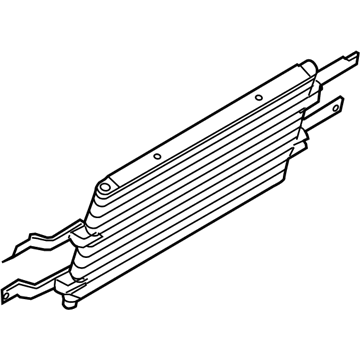
Ford F-350 Super Duty Transmission Cooler Part Number: 7C3Z-7A095-B
$171.68 MSRP: $249.90You Save: $78.22 (32%)Ships in 1-2 Business Days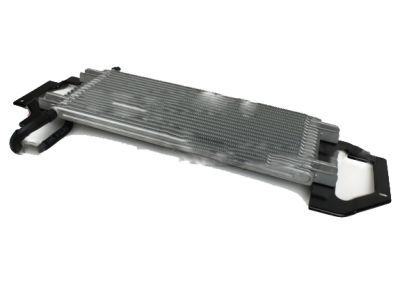
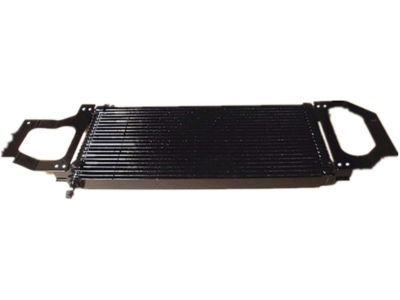
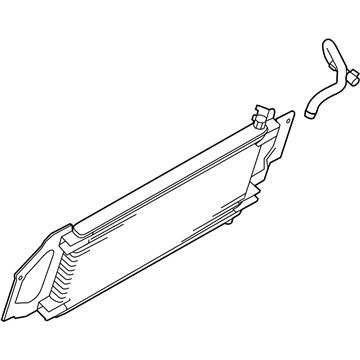
Ford F-350 Super Duty Transmission Cooler Part Number: 9C3Z-7A095-A
$204.91 MSRP: $300.90You Save: $95.99 (32%)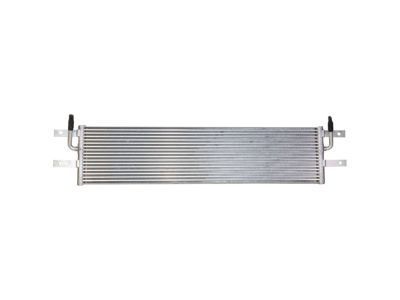
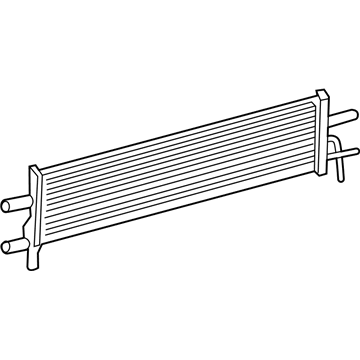
Ford F-350 Super Duty Transmission Cooler Part Number: HC3Z-7A095-A
$217.92 MSRP: $320.00You Save: $102.08 (32%)Ships in 1 Business Day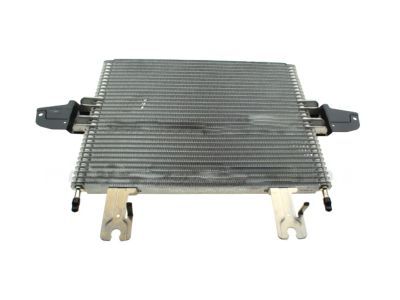
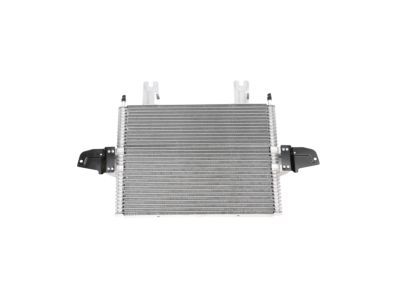
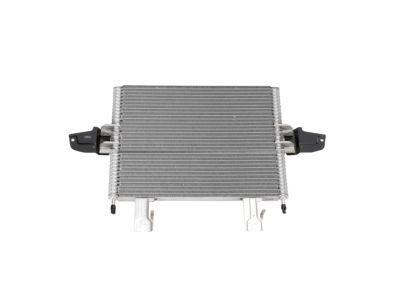
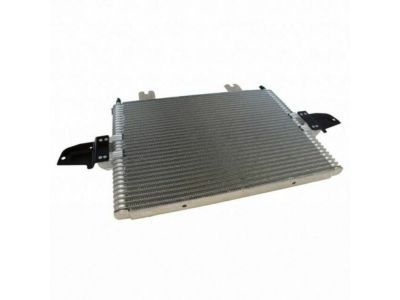
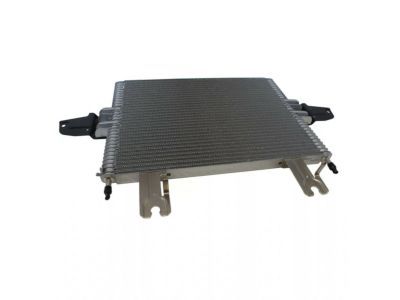
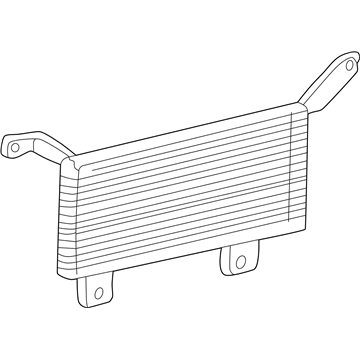
Ford F-350 Super Duty Transmission Cooler Part Number: 5C3Z-7A095-B
$327.63 MSRP: $481.10You Save: $153.47 (32%)Ships in 1-2 Business Days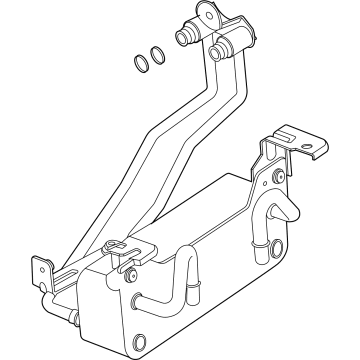
Ford F-350 Super Duty Oil Cooler Assembly Part Number: PC3Z-7869-E
$234.95 MSRP: $345.00You Save: $110.05 (32%)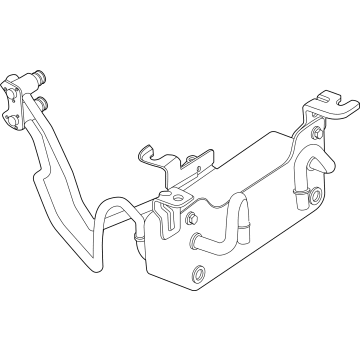
Ford F-350 Super Duty Oil Cooler Assembly Part Number: PC3Z-7869-F
$124.81 MSRP: $181.67You Save: $56.86 (32%)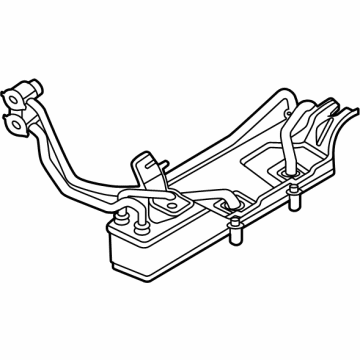
Ford F-350 Super Duty Transmission Cooler Part Number: LC3Z-7869-B
$213.38 MSRP: $313.33You Save: $99.95 (32%)Ships in 1-2 Business Days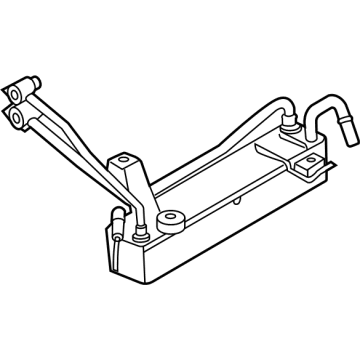
Ford F-350 Super Duty Transmission Cooler Part Number: LC3Z-7869-A
$214.52 MSRP: $315.00You Save: $100.48 (32%)Ships in 1-3 Business Days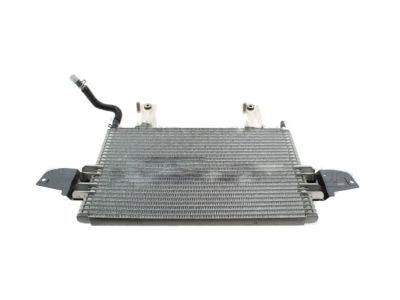
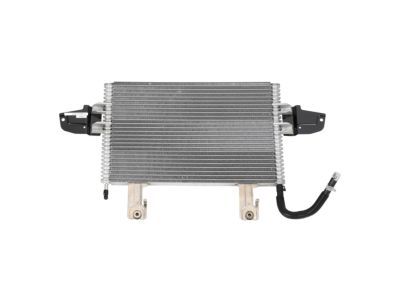
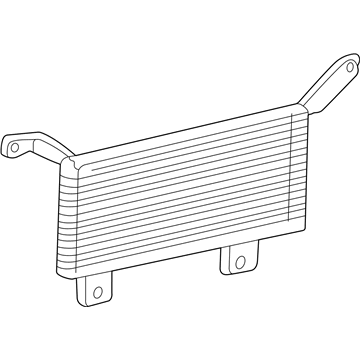
Ford F-350 Super Duty Transmission Cooler Part Number: 5C3Z-7A095-CA
$334.83 MSRP: $491.67You Save: $156.84 (32%)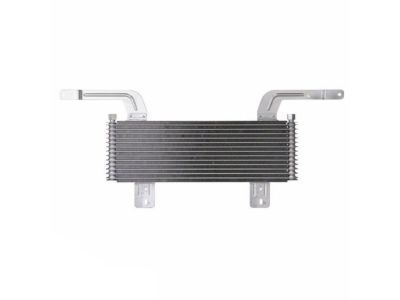
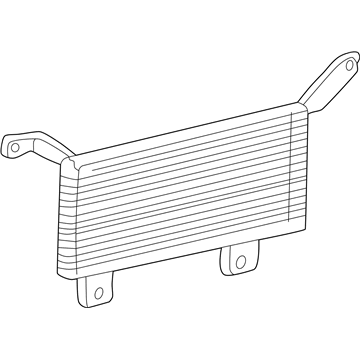
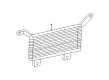
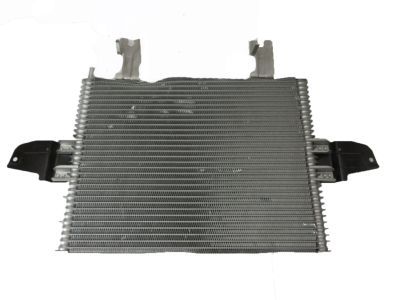
Ford F-350 Super Duty Transmission Cooler Part Number: XC3Z-7A095-CA
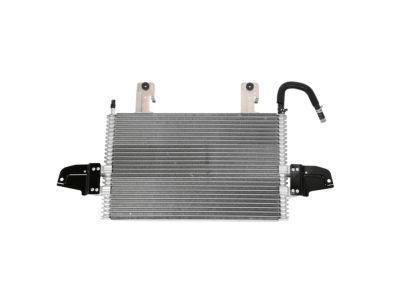
Ford F-350 Super Duty Transmission Cooler Part Number: 5C3Z-7A095-AC
Ford F-350 Super Duty Transmission Oil Cooler
OEM Transmission Oil Cooler boasts unmatched quality. Each part goes through full quality checks. They adhere to Ford's official factory standards. These steps remove flaws and inconsistencies. So you can get Transmission Oil Cooler with long life and a perfect fit. Come to our website and find genuine Ford F-350 Super Duty parts. We keep a wide inventory of OEM F-350 Super Duty parts at the highly affordable prices. It's easy to search, compare, and pick what you need. You'll love the clear info and simple checkout. We offer top-rated customer service, and we reply fast. We also ship promptly to ensure your order arrives on time.
Ford F-350 Super Duty Transmission Oil Cooler Parts and Q&A
- Q:How to remove and replace the Auxiliary Transmission Oil Cooler on Ford F-350 Super Duty?A:Removal and replacement of the auxiliary transmission (Oil-To-Air, OTA) fluid cooler is typically carried out by creating access to the cooler and working around nearby components, and the exact parts moved depend on whether the vehicle is gasoline or diesel powered. On gasoline engines the hood release cable clip is disconnected, the power-steering cooler bolts are removed and the cooler is positioned aside, with the A/C condenser sometimes moved forward for access without disconnecting A/C lines; on diesel engines the fuel cooler bolt is removed and the cooler is set aside, clamps are loosened and both upper and lower charge-air cooler (CAC) hoses are disconnected before the CAC bolts are removed. In all cases the OTA transmission hoses are disconnected and the cooler is unbolted, after which the transmission fluid cooler tube is separated from the OTA cooler; for early builds the tube is reattached and tightened to 40 Nm (30 lb-ft), while on late builds the transmission cooler hose is used instead. The OTA cooler is then positioned into its mounts and the mounting bolts are tightened to 8 Nm (71 lb-in) before the OTA hoses are reconnected. For gasoline vehicles the A/C condenser is seated into the lower brackets and bolted at 8 Nm (71 lb-in), and the hood release cable clip is reconnected to the power-steering cooler with those bolts tightened to 11 Nm (97 lb-in); for diesel vehicles the CAC is installed and its bolts are tightened to 15 Nm (133 lb-in), with the lower and upper CAC hose clamps tightened to 12 Nm (106 lb-in). Finally the fuel cooler is positioned and its bolt tightened to 9 Nm (80 lb-in) for all vehicles, the transmission fluid is replenished, and the system is checked for leaks.
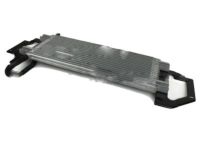
Related Ford F-350 Super Duty Parts
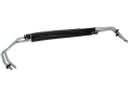 Ford F-350 Super Duty Automatic Transmission Oil Cooler Line
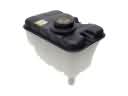 Ford F-350 Super Duty Coolant Reservoir
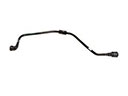 Ford F-350 Super Duty Coolant Reservoir Hose
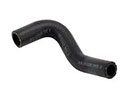 Ford F-350 Super Duty Cooling Hose
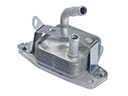 Ford F-350 Super Duty Engine Oil Cooler
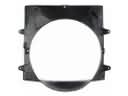 Ford F-350 Super Duty Fan Shroud
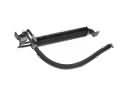 Ford F-350 Super Duty Power Steering Cooler
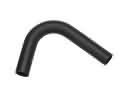 Ford F-350 Super Duty Radiator Hose
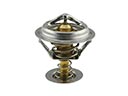 Ford F-350 Super Duty Thermostat
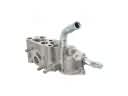 Ford F-350 Super Duty Thermostat Housing
 Ford F-350 Super Duty Water Hose
 Ford F-350 Super Duty Water Pump