FordParts
My Garage
My Account
Cart
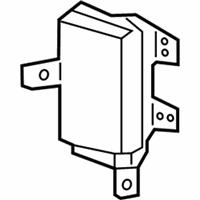
OEM Ford Ranger Air Bag Control Module
SRS Airbag Module- Select Vehicle by Model
- Select Vehicle by VIN
Select Vehicle by Model
orMake
Model
Year
Select Vehicle by VIN
For the most accurate results, select vehicle by your VIN (Vehicle Identification Number).
9 Air Bag Control Modules found
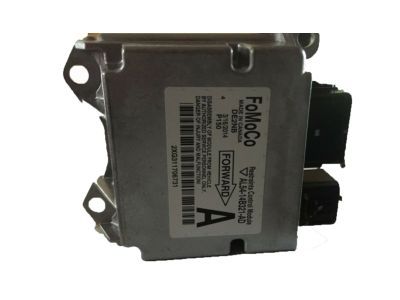
Ford Ranger Control Module Part Number: BL5Z-14B321-A
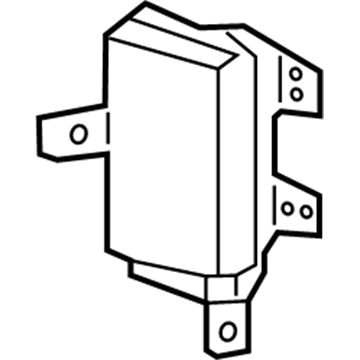
$135.58 MSRP: $197.35You Save: $61.77 (32%)Ships in 1-3 Business DaysFord Ranger Control Module Part Number: 9L5Z-14B321-A
$325.77 MSRP: $478.37You Save: $152.60 (32%)Ships in 1 Business Day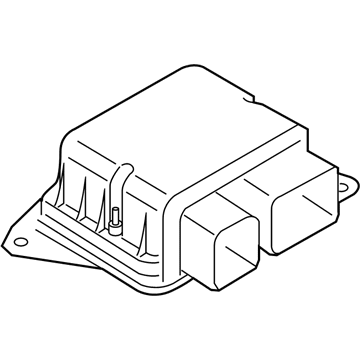
Ford Ranger Control Module Part Number: KB3Z-14B321-B
$335.21 MSRP: $492.23You Save: $157.02 (32%)Ships in 1-2 Business Days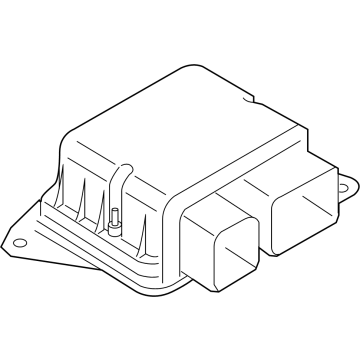
Ford Ranger Sensor Assembly - Airbag Part Number: MB3Z-14B321-H
$467.38 MSRP: $686.32You Save: $218.94 (32%)Ships in 1-2 Business Days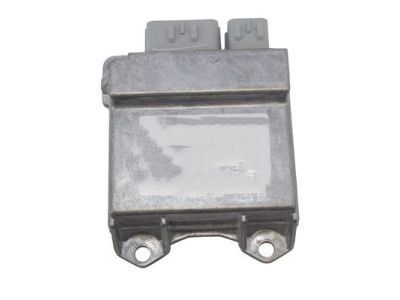
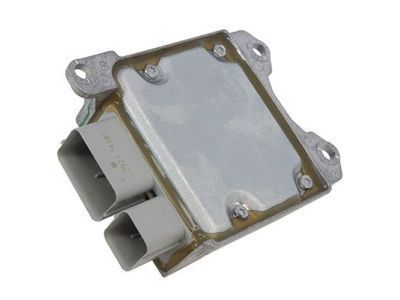
Ford Ranger Control Module Part Number: 6L5Z-14B321-AA
Ford Ranger Control Module Part Number: XL5Z-14B321-AB
Ford Ranger Control Module Part Number: F87Z-14B321-AB
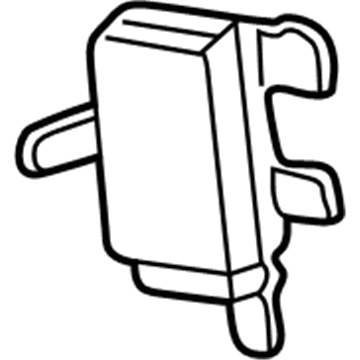
Ford Ranger Diagnostic Module Part Number: F67Z-14B215-A
Ford Ranger Control Module Part Number: 1L5Z-14B321-FA
Ford Ranger Air Bag Control Module
OEM Air Bag Control Module boasts unmatched quality. Each part goes through full quality checks. They adhere to Ford's official factory standards. These steps remove flaws and inconsistencies. So you can get Air Bag Control Module with long life and a perfect fit. Come to our website and find genuine Ford Ranger parts. We keep a wide inventory of OEM Ranger parts at the highly affordable prices. It's easy to search, compare, and pick what you need. You'll love the clear info and simple checkout. We offer top-rated customer service, and we reply fast. We also ship promptly to ensure your order arrives on time.
Ford Ranger Air Bag Control Module Parts and Q&A
- Q:Is the Orientation of the Air Bag Control Module Critical for the Correct Operation of the Supplemental Restraint System (SRS) on Ford Ranger?A:A correct orientation of restraints control module (RCM) becomes essential for proper operation of the air bag supplemental restraint system (SRS). A vehicle with SRS requires replacement of the RCM in cases where damage affects its mounting bracket or deforms the center tunnel. The RCM will still need replacement even in situations where air bags did not deploy. Primary maintenance includes restoring the damaged part to its original state. Use safety glasses during every interaction with SRS vehicles and air bag modules to protect from possible accidental deployment injuries. Vehicle sensor mounts must be checked for collisions-induced damage following accidents before replacing an SRS component that requires repositioning. Memory saver devices should not be used because they increase the risk of personal injury. Static electricity poses a problem to electronic modules because they remain sensitive to this electric charge. The RCM fuse removal during an ON ignition state will trigger the air bag warning lamp to illuminate as confirmation of proper SRS functionality. The vehicle must be given back to customers after a thorough check confirms a fault-free state for the SRS system. Implementation of new parts represents the appropriate repair method yet the diagnostic process needs repeat execution after reinstalling the original part when the issue continues to occur. To begin, depower the system. High-series floor console models should have their floor console dismounted before beginning work. Start by taking out the consolette tray mat from vehicles with consolettes before uninstalling its four screws and the consolette tray. The next step requires users to release the RCM electrical connector locking clip through sliding action before discharging the RCM electrical connector. Correct torque values must be applied when tightening the RCM bracket retaining bolts since users must first remove the three bolts and RCM followed by installing the new RCM before securing it to 12 Nm (9 lb-ft). Rephrase the procedure by reinstalling everything then reboot the system.
- Q:How to Service and Repair the Air Bag Control Module on Ford Ranger?A:A thorough examination of RCM and impact sensor mount points starts any repair process for the Restraints Control Module (RCM) on vehicles that have experienced a crash. Restoration of pre-accident configuration must occur before progressing. Replacing both sensors and installing a new restraint control module becomes necessary before any repairs whether air bags deploy or not because this step protects against severe injuries or deaths. Handling the RCM horizontally with the ignition ON must be avoided since it leads to accidental Safety Canopy(R) deployment. Installing a new RCM requires the execution of Programmable Module Installation (PMI) to prevent system failure. Upon removal of the correct RCM fuse while the ignition is ON the air bag warning indicator will illuminate while the SRS requires a fault-free operation to release the vehicle. The procedure starts by isolating power to the SRS before removing the floor console together with the consolette tray and its accompanying mat along with screws. Before disconnecting the RCM electrical connectors users must pinch the thumb tab to pivot the connector position assurance lever. Three bolts need to be detached which secure the RCM. Proper operation depends on tightening the RCM and impact sensor fasteners to 12 Nm (106 lb-in). The large RCM connector position assurance lever needs to be completely freed before installation to connect properly without damage risks which arise from connector angling. The large RCM electrical connector requires a light push until you hear a click followed by activating the connector position assurance lever. Connect the small RCM electrical connector and then install the floor console and consolette tray (when present) while you repower the SRS system before its proof-out phase. Execution of PMI requirements must proceed when installing a fresh RCM unit. The testing of SRS requires users to move the ignition through ON to OFF positions while observing the air bag warning indicator. Users should wait 10 seconds before returning to ON position. After coming on for 6 seconds the system should shut down. The indicator status demonstrates three variations which include non-illumination during the presence of faults together with persistent illumination or five Hz frequency flashing. The chime of five repeated five-second sounds will notify the technician about a fault to diagnose and repair both the SRS system and broken air bag indicator light when an indicator fails to function. Use a scan tool to delete all continuous DTCs both from the RCM and Occupant Classification System Module (OCSM).
Related Ford Ranger Parts
 Ford Ranger Antenna
 Ford Ranger Key Fob
 Ford Ranger Airbag
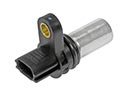 Ford Ranger Camshaft Position Sensor
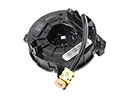 Ford Ranger Clock Spring
 Ford Ranger ABS Pump And Motor Assembly
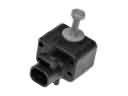 Ford Ranger Air Bag Sensor
 Ford Ranger Distributor Reluctor
 Ford Ranger Distributor Rotor
 Ford Ranger Ignition Coil Boot
 Ford Ranger Occupant Detection Sensor
 Ford Ranger PCV Valve Elbow