FordParts
My Garage
My Account
Cart
OEM Mercury Crankshaft
Crank Shaft- Select Vehicle by Model
- Select Vehicle by VIN
Select Vehicle by Model
orMake
Model
Year
Select Vehicle by VIN
For the most accurate results, select vehicle by your VIN (Vehicle Identification Number).
15 Crankshafts found
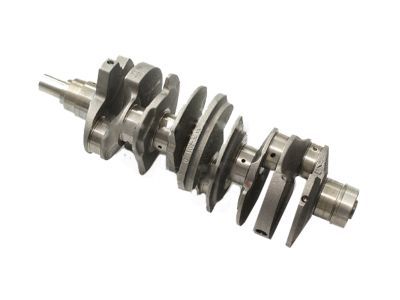
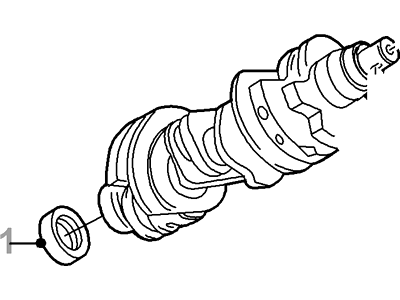
Mercury Crankshaft Part Number: 5L2Z-6303-AA
$307.28 MSRP: $425.09You Save: $117.81 (28%)Ships in 1-2 Business DaysProduct Specifications- Other Name: Crankshaft Assembly
- Replaces: 1L2Z-6303-BA, F87Z-6303-BA
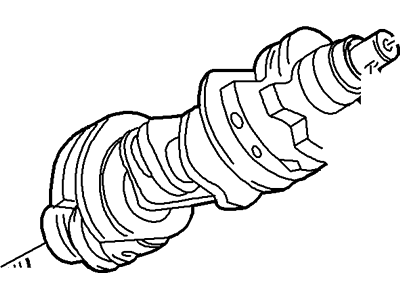

Mercury Crankshaft Part Number: XL2Z-6303-AA
$217.92 MSRP: $320.00You Save: $102.08 (32%)Product Specifications- Other Name: Crankshaft Assembly
- Replaces: F7TZ-6303-AC
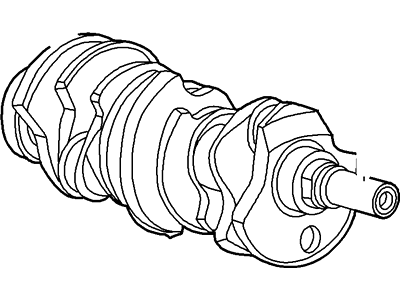
Mercury Crankshaft Part Number: F7DZ-6303-AA
$269.00 MSRP: $395.00You Save: $126.00 (32%)Ships in 1-3 Business DaysProduct Specifications- Other Name: Crankshaft Assembly
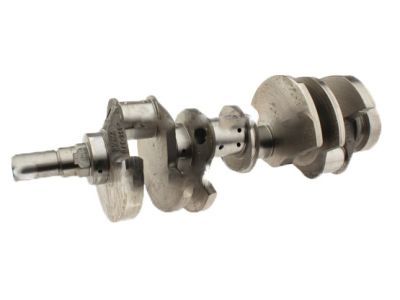
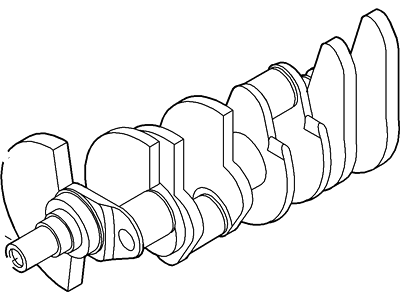
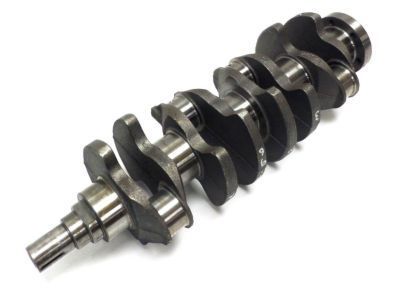
Mercury Crankshaft Part Number: 2C5Z-6303-BA
$293.40 MSRP: $430.83You Save: $137.43 (32%)Product Specifications- Other Name: Crankshaft Assembly
- Replaces: 2F3Z-6303-AA, 2C5Z-6303-AA
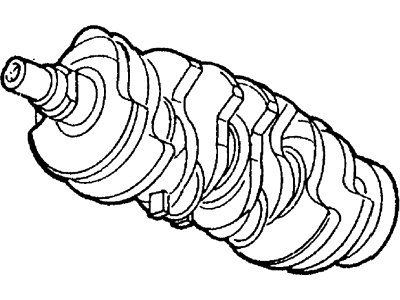

Mercury Crankshaft Part Number: F7CZ-6303-AA
Product Specifications- Other Name: Crankshaft Assembly
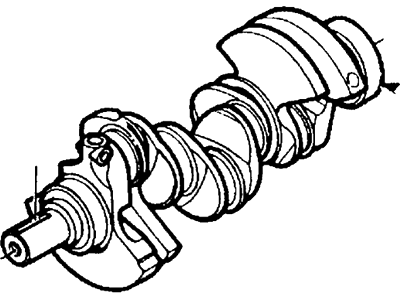

Mercury Crankshaft Part Number: XF1Z-6303-BA
Product Specifications- Other Name: Crankshaft Assembly
- Replaces: F5DZ-6303-A
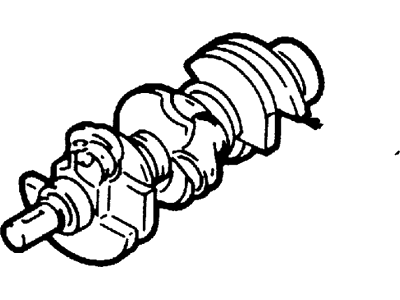
Mercury Crankshaft Part Number: F88Z-6303-AA
Product Specifications- Other Name: Crankshaft Assembly
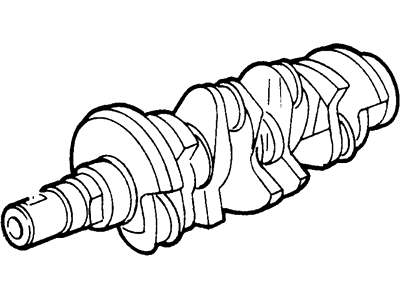
Mercury Crankshaft Part Number: F7RZ-6303-AA
Product Specifications- Other Name: Crankshaft Assembly
- Replaces: F5RZ-6303-B
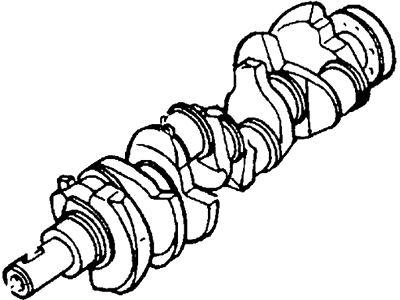
Mercury Crankshaft Gear Part Number: F4ZZ-6303-ARM
Product Specifications- Other Name: Crankshaft Assembly; Timing Gear; Crankshaft
- Manufacturer Note: Service only kit,.020" U/S
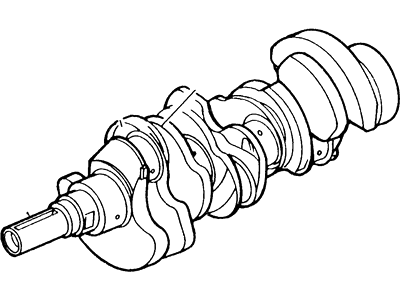
Mercury Crankshaft Part Number: F4SZ-6V303-ARM
Product Specifications- Other Name: Kit - Remanufactured; Kit - Remanufactured Crankshaft
- Manufacturer Note: exc SC
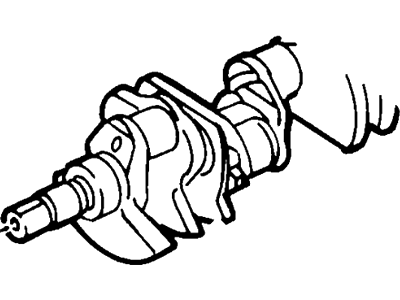
Mercury Crankshaft Part Number: F1AZ-6303-ARM
Product Specifications- Other Name: Crankshaft Assembly
- Replaces: F1AZ-6303-AARM

Mercury Sprocket Part Number: EM5Z-6303-ARM
Product Specifications- Other Name: Remanufactured Crankshaft Assembly; Crankshaft
- Replaces: F5RZ-6303-A
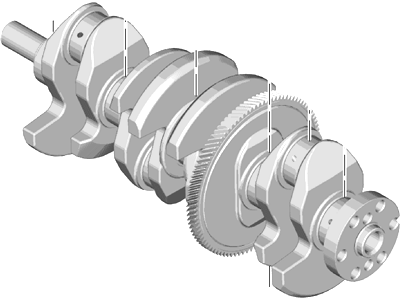
Mercury Crankshaft Part Number: DV6Z-6303-B
Product Specifications- Other Name: Crankshaft Assembly
- Replaces: 8E5Z-6303-A, DV6Z-6303-A
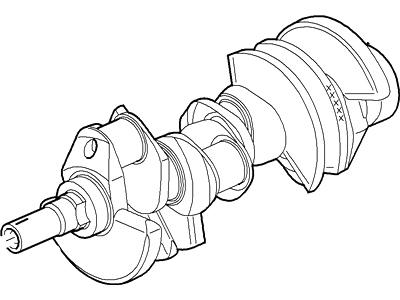

Mercury Crankshaft Part Number: 4L3Z-6303-ARM
Product Specifications- Other Name: Remanufactured Crankshaft Assembly
- Replaces: 1L3Z-6303-AA, 4L3Z-6303-AA, CRK-379-RM, F7TZ-6V303-CARM
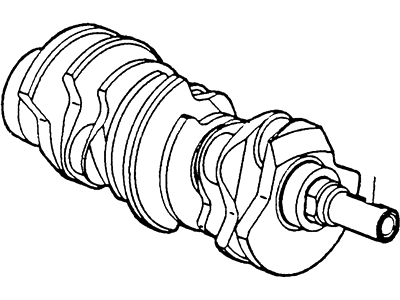
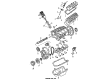
Mercury Crankshaft Part Number: 2F1Z-6303-AA
Product Specifications- Other Name: Crankshaft Assembly
Mercury Crankshaft
If you own Mercury and want to keep it in top shape, choosing OEM Crankshaft is a smart move. They are precisely engineered and follow strict factory standards. They are made in advanced facilities that use cutting edge technology. Each part goes through thorough testing to confirm strength and safety, so you can trust it. FordPartsDeal.com gives you genuine Mercury Crankshaft at some of the affordable online prices without cutting quality. Every OEM Mercury part includes the manufacturer's warranty, easy returns, and super-fast delivery. So why wait? Shop now and get your vehicle back to peak condition.
The Mercury Crankshaft connects the thrust of the piston to the smooth spinning torque transforming the explosive upstart to a fine spinning that supplies flywheel and eventually propels the vehicle. Besides the rotating heart, Mercury engines established a civility image on bumpy tarmac. Weaker spring rates with stronger sway control maintained the level of the body when swallowing potholes. The cabins came with more insulation thus ensuring that the conversation remained effortless even as the speedometer increased. The steering is light but direct and drivers are always confident without struggling to arm wrestle the steering wheel. Seats provided wide cushions and supportive bolsters that rejected long distance weariness. Clear gauges and simple switchgear were employed in instrument panels to ensure that the eyes remained on the road rather than trying to figure out which buttons to press. Flexibility also was important and nickel infused blocks were resistant to heat cycles and corrosion. The combination of honest value and plush comfort that each Mercury balanced together appealed to the families who could not lose the spark of personality. The installation of a new Crankshaft starts with polishing block journals bright with a brush after application of assembly lube so that metal does not dry up. Install fresh main bearers, thrust washers, position the shaft on them and rotate it by hand to experience the drag. Install primary caps, then tighten in that order, followed by three step tightening to the figure indicated in the Mercury manual. Check endplay-blade gauge, roll the Crankshaft once more, ensure the smooth travel. Apply the oil seal lips, press the back main seal, position the timing sprocket, turn the Crankshaft one more time, fasten up the pan, and believe that this Mercury is going to bark to life.
Mercury Crankshaft Parts and Q&A
- Q:How does crankshaft service and repair during an engine overhaul on Mercury Cougar?A:During crankshaft maintenance and servicing the cleaning and inspection process applies to all parts starting from the crankshaft and crankshaft bearings extending to the camshaft and crankshaft bearings up to the cylinder head together with valve train components (values, seats, and springs) and the piston, piston pin, connecting rod and cylinder block and bore. During disassembly and assembly procedures the subassemblies are serviced for cylinder heads as well as pistons and their pin and connecting rod components. The engine service and repair procedures include both engine disassembly and assembly phases. A missing separate service procedure for internal components from a manufacturer indicates their omission of such guidelines. Check the engine service and repair guidelines to obtain the current list of available service procedures.
- Q:How to service and repair the crankshaft using a Dial Indicator Gauge on Mercury Mariner?A:Installation of the Dial Indicator Gauge with the Holding Fixture must start before servicing the crankshaft. Place the crankshaft at the rear of the cylinder block before setting Dial Indicator Gauge to zero. Transfer the crankshaft to the front of the cylinder block while documenting the recorded crankshaft end play that meets the engine system specification.
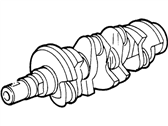
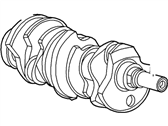
Related Mercury Parts
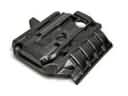 Mercury Engine Cover
 Mercury Timing Belt
 Mercury Camshaft
 Mercury Camshaft Seal
 Mercury Cylinder Head Gasket
 Mercury Oil Filler Cap
 Mercury Oil Pan
 Mercury Oil Pan Gasket
 Mercury Oil Pump Gasket
 Mercury Rod Bearing
 Mercury Side Cover Gasket
 Mercury Valve Cover Gasket