FordParts
My Garage
My Account
Cart
OEM Ford CV Joint Companion Flange
CV Joint Drive Flange- Select Vehicle by Model
- Select Vehicle by VIN
Select Vehicle by Model
orMake
Model
Year
Select Vehicle by VIN
For the most accurate results, select vehicle by your VIN (Vehicle Identification Number).
141 CV Joint Companion Flanges found
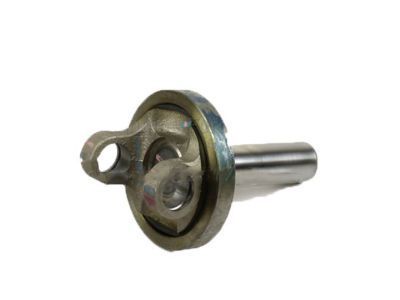
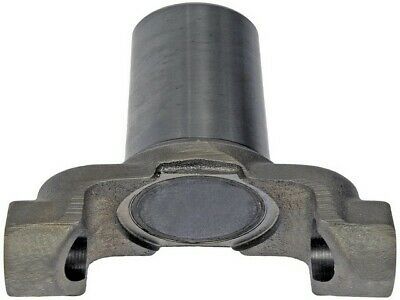
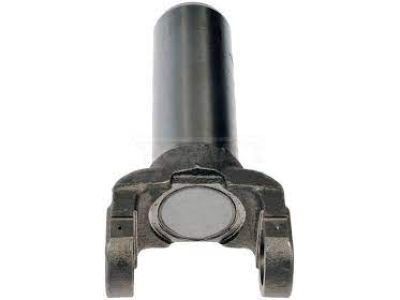
Ford Slip Yoke Part Number: F57Z-4841-DB
$158.01 MSRP: $230.00You Save: $71.99 (32%)Product Specifications- Other Name: Flange - Coupling; Double Cardan CV Centering Yoke; Driveshaft Yokes
- Manufacturer Note: Slip yoke
- Replaces: F57Z-4841-DA
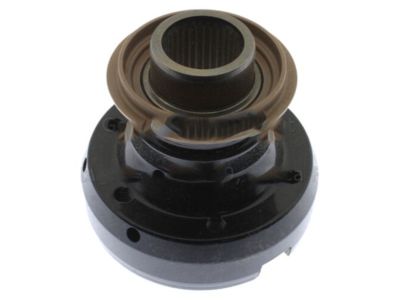
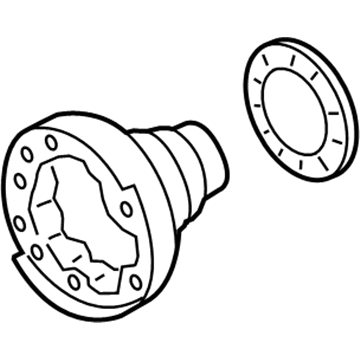
Ford Companion Flange, Rear Part Number: HR3Z-4851-B
$125.70 MSRP: $182.97You Save: $57.27 (32%)Ships in 1-3 Business DaysProduct Specifications- Other Name: Flange; Drive Shaft Pinion Yoke, Rear
- Position: Rear
- Replaces: FR3Z-4851-A, FR3Z-4851-C, HR3Z-4851-A
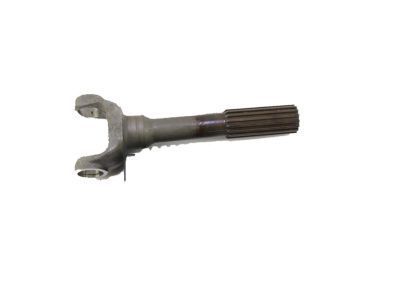
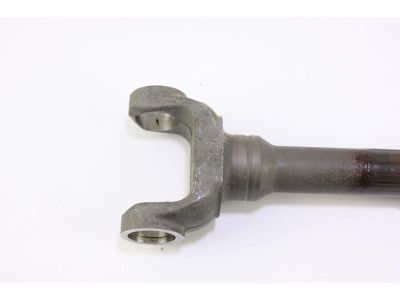
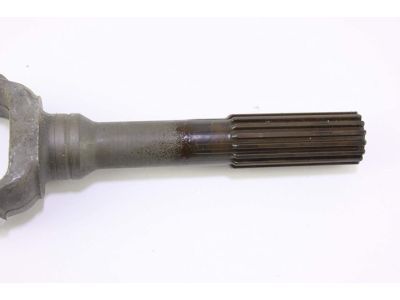
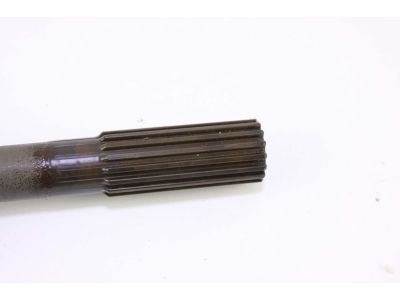
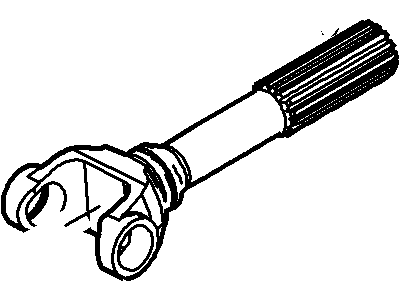
Ford Slip Yoke, Front Part Number: 5C3Z-4841-AB
$99.85 MSRP: $153.67You Save: $53.82 (36%)Ships in 1-3 Business DaysProduct Specifications- Other Name: Flange - Coupling; Drive Shaft Slip Yoke, Front; Double Cardan CV Centering Yoke; Driveshaft Yokes; Companion Flange
- Manufacturer Note: Slipe yoke
- Position: Front
- Replaces: 5C3Z-4841-AA
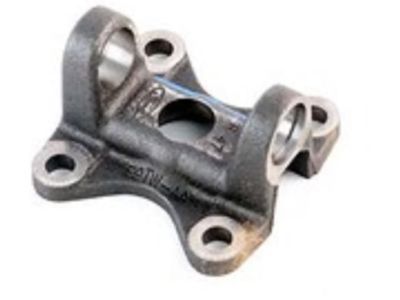
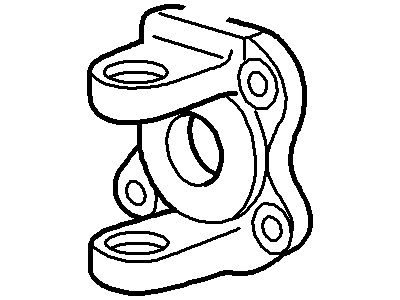
Ford Companion Flange Part Number: E9TZ-4782-B
$63.48 MSRP: $92.40You Save: $28.92 (32%)Product Specifications- Other Name: Yoke - Driveshaft Coupling Flange
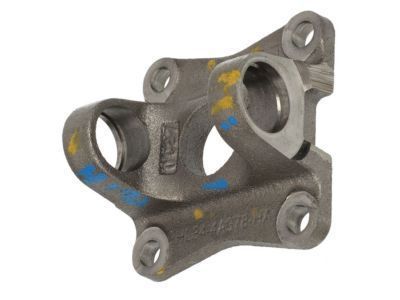
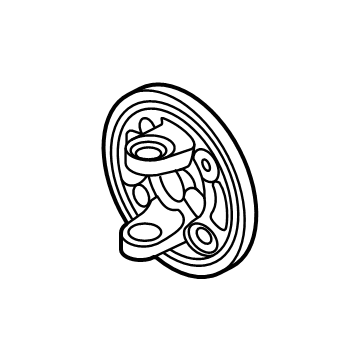
Ford Flange, Rear Part Number: 4C2Z-4782-A
$81.87 MSRP: $119.17You Save: $37.30 (32%)Ships in 1-3 Business DaysProduct Specifications- Other Name: Yoke - Driveshaft Coupling Flange; Drive Shaft Flange Yoke, Rear; AWD Coupling Unit, Rear; Coupling
- Position: Rear
- Replaces: 4C2Z-4782-AA
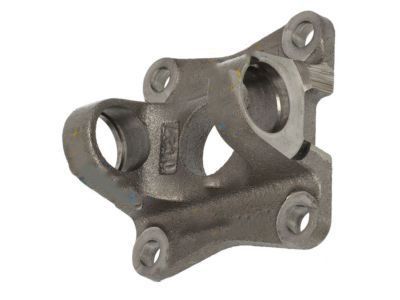
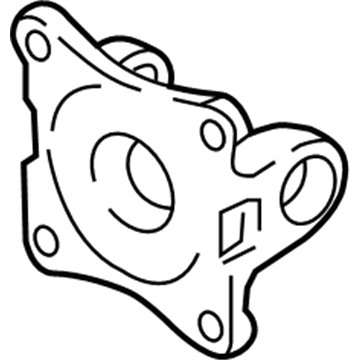
Ford Flex Coupling Part Number: HL3Z-4782-A
$74.94 MSRP: $109.08You Save: $34.14 (32%)Ships in 1-3 Business DaysProduct Specifications- Other Name: Yoke - Driveshaft Coupling Flange; Drive Shaft Flex Joint, Rear; Flange; Coupling
- Manufacturer Note: 1350
- Replaces: 9L3Z-4782-A
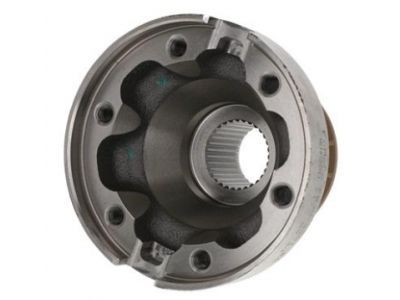
Ford Companion Flange, Rear Part Number: FR3Z-4851-B
$89.30 MSRP: $129.98You Save: $40.68 (32%)Product Specifications- Other Name: Flange; Drive Shaft Pinion Yoke, Rear
- Position: Rear
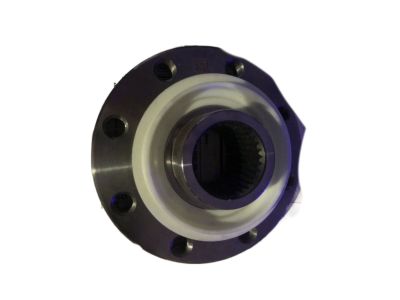
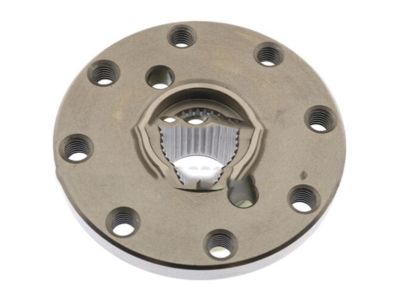
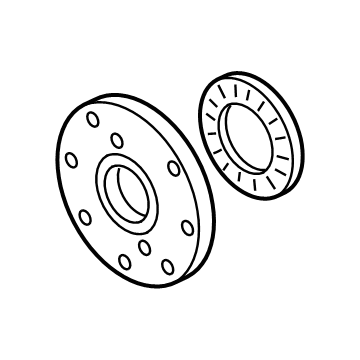
Ford Companion Flange, Rear Part Number: FL3Z-4851-A
$90.05 MSRP: $131.08You Save: $41.03 (32%)Ships in 1 Business DayProduct Specifications- Other Name: Flange; Drive Shaft Pinion Yoke, Rear
- Position: Rear
- Replaces: FL3Z-4851-B
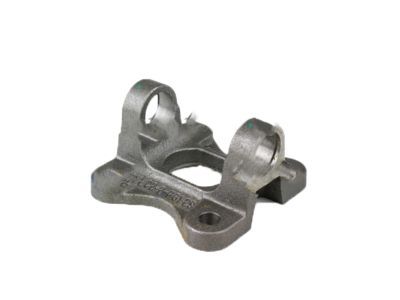
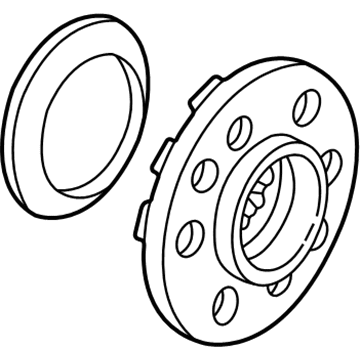
Ford Companion Flange, Rear Part Number: 4L5Z-4866-AA
$94.21 MSRP: $137.13You Save: $42.92 (32%)Product Specifications- Other Name: Yoke - Driveshaft Coupling Flange; Drive Shaft Pinion Yoke, Rear; Yoke; Flange
- Position: Rear
- Replaces: E9TZ-4866-B
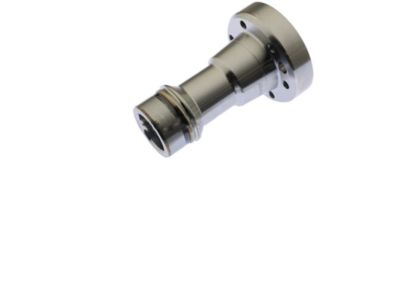
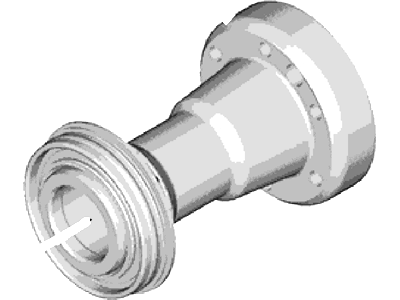
Ford Companion Flange Part Number: CV6Z-7275-H
$97.90 MSRP: $142.50You Save: $44.60 (32%)Ships in 1-3 Business DaysProduct Specifications- Other Name: Kit - Power Take Off
- Replaces: CV6Z-7275-A
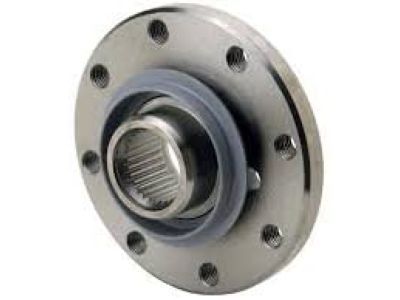
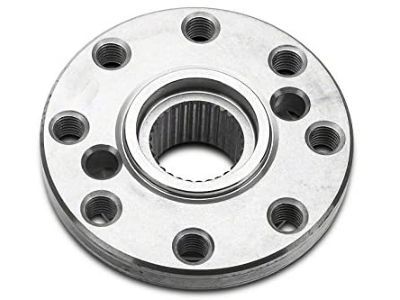
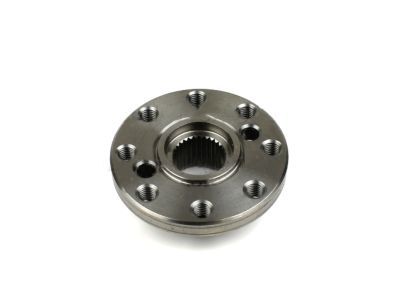
Ford Companion Flange Part Number: E9SZ-4851-A
$102.40 MSRP: $149.05You Save: $46.65 (32%)Ships in 1-2 Business DaysProduct Specifications- Other Name: Flange
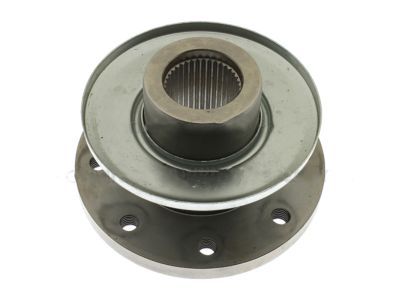
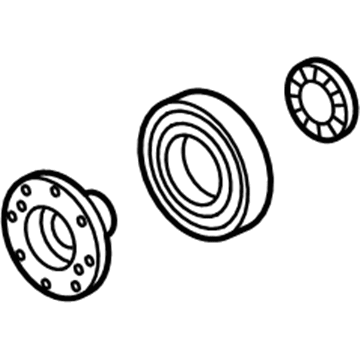
Ford Companion Flange, Rear Part Number: BC3Z-4851-B
$107.46 MSRP: $165.37You Save: $57.91 (36%)Product Specifications- Other Name: Flange; Drive Shaft Pinion Yoke, Rear
- Position: Rear
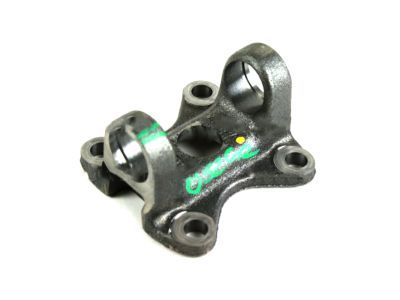
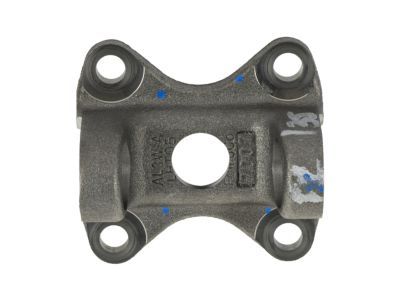
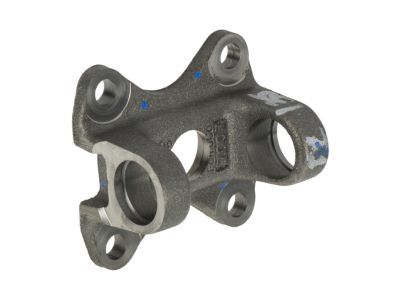
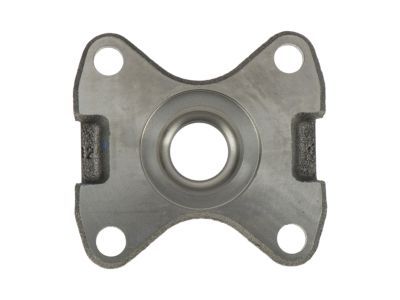
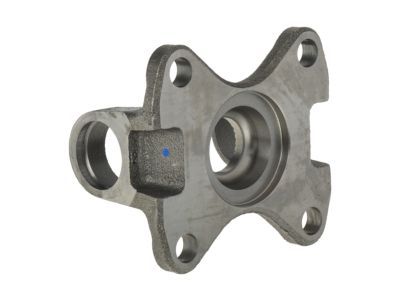
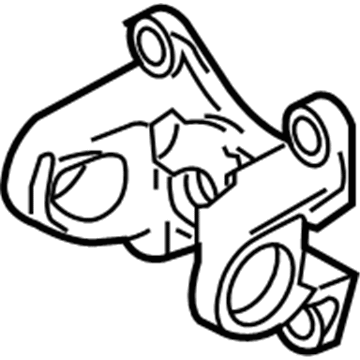
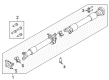
Ford Flex Coupling, Rear Part Number: DL3Z-4782-A
$128.47 MSRP: $187.00You Save: $58.53 (32%)Ships in 1-2 Business DaysProduct Specifications- Other Name: Yoke - Driveshaft Coupling Flange; Drive Shaft Flex Joint, Rear; Drive Shaft Slip Yoke, Rear; Flange; Coupling
- Position: Rear
- Replaces: 9L3Z-4782-B, F65Z-4782-AA, AL3Z-4782-A
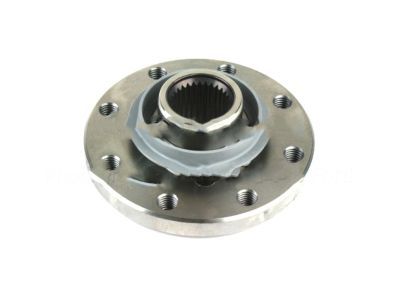
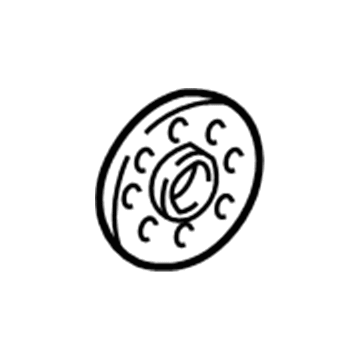
Ford Companion Flange Part Number: DL3Z-4851-A
$101.10 MSRP: $147.17You Save: $46.07 (32%)Ships in 1 Business DayProduct Specifications- Other Name: Flange
- Replaces: E9TZ-4851-A
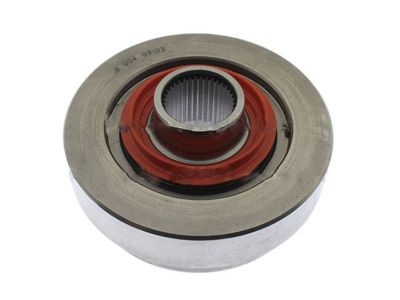
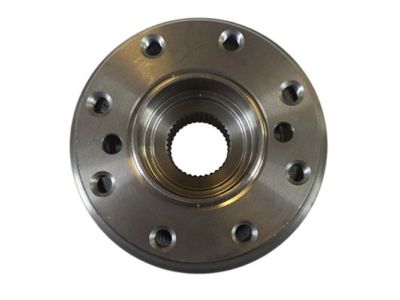
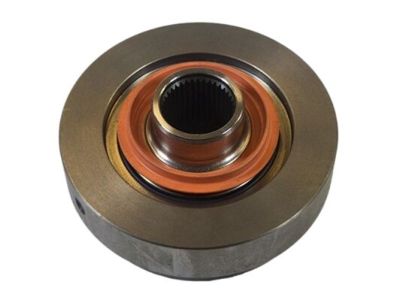
Ford Companion Flange, Rear Part Number: BC3Z-4851-A
$156.87 MSRP: $228.33You Save: $71.46 (32%)Ships in 1-2 Business DaysProduct Specifications- Other Name: Flange; Drive Shaft Pinion Yoke, Rear
- Position: Rear
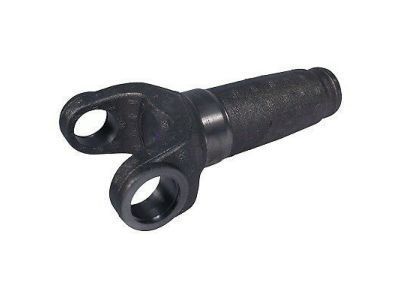
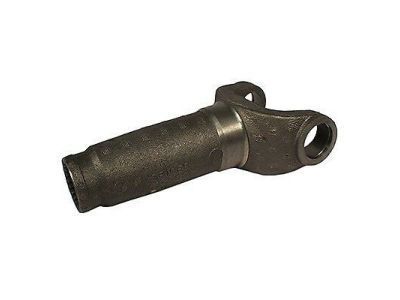
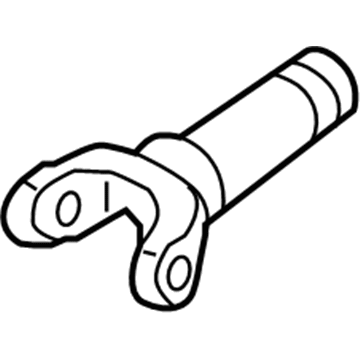
Ford Slip Yoke, Front Center Part Number: 5C3Z-4841-BA
$143.13 MSRP: $208.33You Save: $65.20 (32%)Ships in 1-3 Business DaysProduct Specifications- Other Name: Flange - Coupling; Front Drive Shaft Flange Yoke; Rear Drive Shaft Slip Yoke; Double Cardan CV Yoke.; Yoke; Flange
- Manufacturer Note: Slip yoke
- Position: Front Center
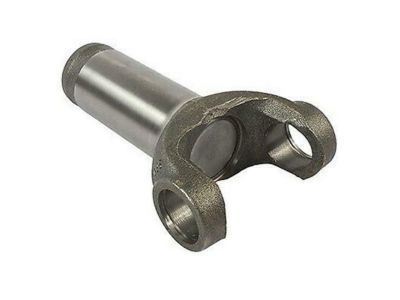
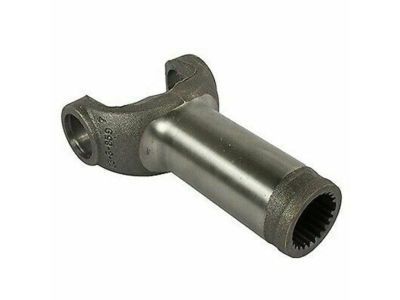
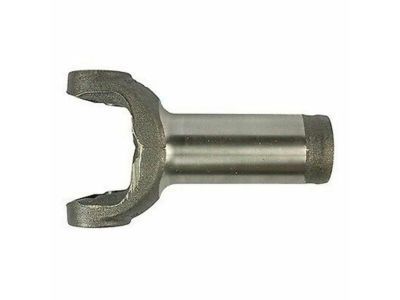
Ford Slip Yoke Part Number: F81Z-4841-BA
$155.72 MSRP: $226.67You Save: $70.95 (32%)Product Specifications- Other Name: Flange - Coupling; Double Cardan CV Centering Yoke; Driveshaft Yokes
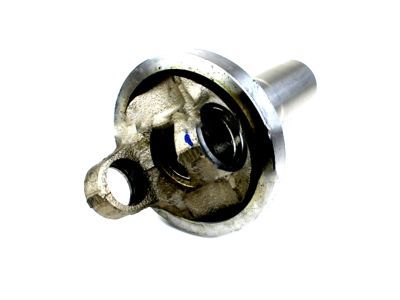
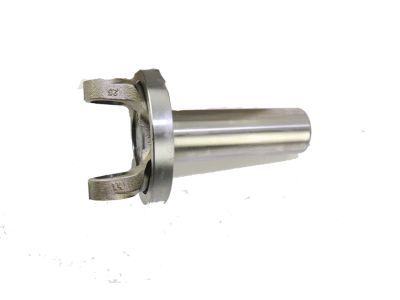
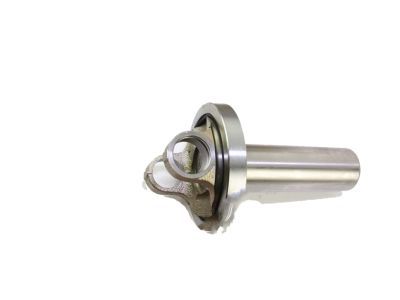
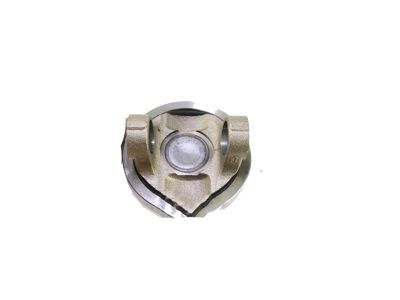
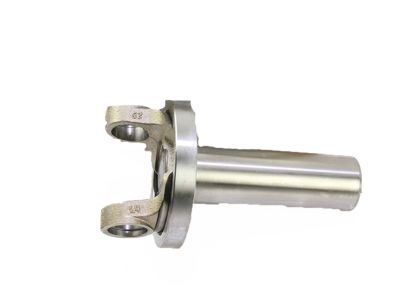
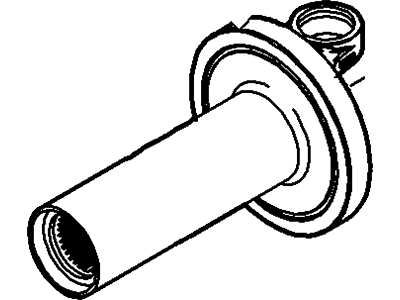
Ford Slip Yoke Part Number: 9L3Z-4841-B
$162.48 MSRP: $236.50You Save: $74.02 (32%)Ships in 1-3 Business DaysProduct Specifications- Other Name: Flange - Coupling; Double Cardan CV Centering Yoke; Driveshaft Yokes
- Replaces: F75Z-4841-RA, F75Z-4841-RS
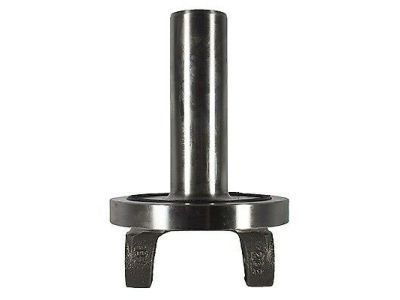
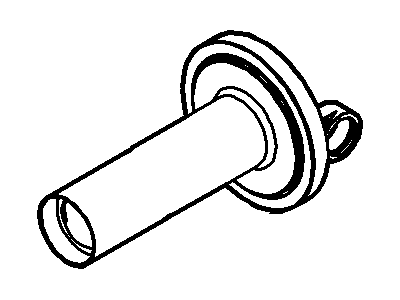
Ford Slip Yoke Part Number: 5C2Z-4841-A
$163.74 MSRP: $238.33You Save: $74.59 (32%)Ships in 1-3 Business DaysProduct Specifications- Other Name: Flange - Coupling; Double Cardan CV Centering Yoke; Driveshaft Yokes
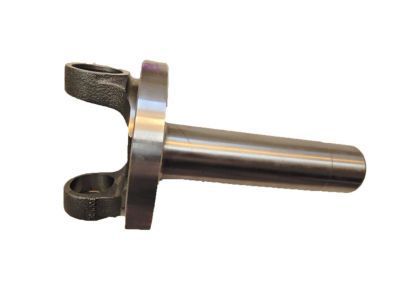
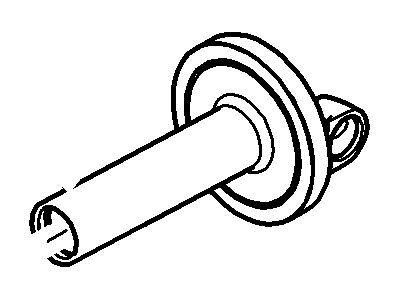
Ford Slip Yoke Part Number: 6W1Z-4841-A
$172.55 MSRP: $251.17You Save: $78.62 (32%)Product Specifications- Other Name: Flange - Coupling; Double Cardan CV Centering Yoke; Driveshaft Yokes
- Replaces: F7UZ-4841-BA
| Page 1 of 8 |Next >
1-20 of 141 Results
Ford CV Joint Companion Flange
If you own Ford and want to keep it in top shape, choosing OEM CV Joint Companion Flange is a smart move. They are precisely engineered and follow strict factory standards. They are made in advanced facilities that use cutting edge technology. Each part goes through thorough testing to confirm strength and safety, so you can trust it. FordPartsDeal.com gives you genuine Ford CV Joint Companion Flange at some of the affordable online prices without cutting quality. Every OEM Ford part includes the manufacturer's warranty, easy returns, and super-fast delivery. So why wait? Shop now and get your vehicle back to peak condition.
The Ford CV Joint Companion Flange is a precision engineered steel hub that bolts the constant velocity joint to the gearbox output. This unique design allows torque to flow cleanly while maintaining tight alignment. Ever since the advent of the moving assembly line by Henry Ford, its smart production has ensured that all tolerances are tight and costs low. The EcoBoost engines found in modern Ford cars produce impressive power from a small, efficient block while maintaining great throttle response and saving fuel. Voice control enables drivers to change tracks or map a route with their eyes forward. Co-Pilot360 utilizes automatic braking and lane keeping to keep mistakes small. The F-150 Lightning proves the automaker can transport heavy cargo without any tailpipe emissions. This forward thinking keeps Ford owners confident that every piece of the drivetrain will last. Before changing a CV Joint Companion Flange, ensure that the vehicle is on level ground, chock the wheels, and raise that side of the vehicle. Remove the retaining screw and slide the worn CV Joint Companion Flange off the splines after marking its position. Wipe clean the shaft, align the new CV Joint Companion Flange to the marks, push it home by hand, and fit the fresh nut or bolts to factory torque. Complete the process by reattaching the axle, screwing in the fasteners in a cross pattern with a dab of thread locker, spinning the hub to check for smoothness, dropping the jack, and taking a short drive to check for noise or leaks.
Related Ford Parts
 Ford Differential
 Ford Drive Shaft
 Ford 4WD Actuator
 Ford CV Joint
 Ford Differential Cover
 Ford Slip Yoke
 Ford Differential Pinion Bearing
 Ford Differential Seal
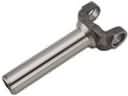 Ford Driveshaft Yokes
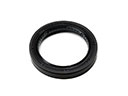 Ford Output Shaft Seal
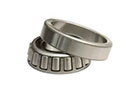 Ford Pinion Bearing
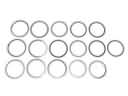 Ford Transfer Case Shim
Browse Ford CV Joint Companion Flange by Models
Ranger Bronco Mustang Explorer Focus F-150 Maverick Escape Edge Excursion Expedition Thunderbird Bronco Sport Explorer Sport Trac Crown Victoria Bronco II EcoSport F-250 Aerostar Country Squire E-150 Econoline Explorer Sport F-350 Five Hundred Freestyle LTD Police Interceptor Utility F-350 Super Duty LTD Crown Victoria E-150 E-150 Econoline Club Wagon E-250 E-250 Econoline E-350 Econoline E-350 Econoline Club Wagon E-350 Super Duty F-150 Heritage F-250 HD F-250 Super Duty Transit-150 Transit-250 Transit-350 Transit-350 HD