FordParts
My Garage
My Account
Cart
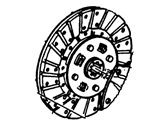
OEM Ford F-250 Super Duty Clutch Disc
Friction Disc- Select Vehicle by Model
- Select Vehicle by VIN
Select Vehicle by Model
orMake
Model
Year
Select Vehicle by VIN
For the most accurate results, select vehicle by your VIN (Vehicle Identification Number).
7 Clutch Discs found
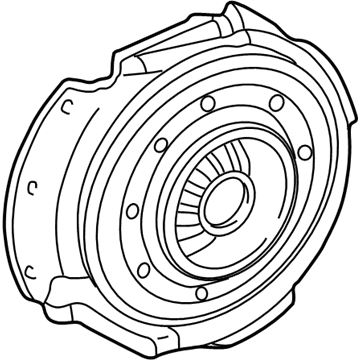
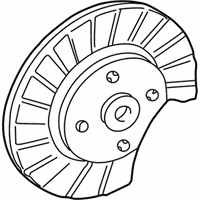
Ford F-250 Super Duty Pressure Plate Part Number: 1C3Z-7563-EARM
$96.87 MSRP: $141.00You Save: $44.13 (32%)Ships in 1-3 Business Days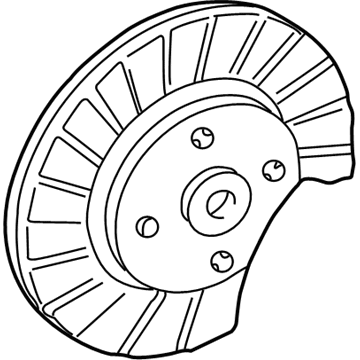
Ford F-250 Super Duty Disc Part Number: 5C3Z-7550-A
$271.55 MSRP: $372.57You Save: $101.02 (28%)Ford F-250 Super Duty Disc Part Number: 7C3Z-7550-A
$240.96 MSRP: $326.62You Save: $85.66 (27%)Ships in 1-3 Business DaysFord F-250 Super Duty Pressure Plate Part Number: 7C3Z-7550-C
Ford F-250 Super Duty Disc Part Number: 7C3Z-7550-B
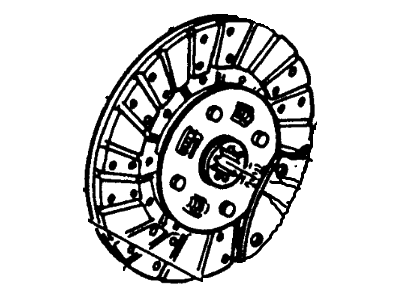
Ford F-250 Super Duty Pressure Plate Part Number: 3C3Z-7563-AA

Ford F-250 Super Duty Disc Part Number: 3C3Z-7550-ADRM
Ford F-250 Super Duty Clutch Disc
OEM Clutch Disc boasts unmatched quality. Each part goes through full quality checks. They adhere to Ford's official factory standards. These steps remove flaws and inconsistencies. So you can get Clutch Disc with long life and a perfect fit. Come to our website and find genuine Ford F-250 Super Duty parts. We keep a wide inventory of OEM F-250 Super Duty parts at the highly affordable prices. It's easy to search, compare, and pick what you need. You'll love the clear info and simple checkout. We offer top-rated customer service, and we reply fast. We also ship promptly to ensure your order arrives on time.
Ford F-250 Super Duty Clutch Disc Parts and Q&A
- Q:How to service and repair the clutch disc and pressure plate for 5.4L, 6.0L, and 6.8L engines on Ford F-250 Super Duty?A:The first step for fixing clutches in 5.4L, 6.0L, and 6.8L engines requires transmission removal. Approach the Pressure Plate and Flywheel for reinstallation by creating index marks on them. Start by removing clutch pressure plate bolts and inspecting the clutch assembly by discarding the pressure plate as well as clutch disc. The service and repair of clutch disc and pressure plate for 5.4L, 6.0L, 6.8L engines begins by checking the transmission input shaft Pilot Bearing for misalignment and Crankshaft (gasoline engine) or flywheel (diesel engine) looseness and inspecting needle rollers for scoring, discoloration, wear and broken rollers. Simultaneously examine the seal for damage and lubricant leakage. The mechanic should replace the transmission input shaft pilot bearing when any faults are identified during inspection. The transmission input shaft pilot bearing requires Krytox® High-Temperature Grease for lubrication because transmission removal may have reduced its initial lubricant. Pressacies the wear indicator on the fingers to reset it so the adjusting ring becomes loose then turn the ring counterclockwise until the tension springs compress followed by removing finger pressure. When installing the clutch disc onto the flywheel use a clutch alignment tool on the pilot bearing to align the clutch disc. The 5.4L and 6.8L engines require a 1-1/4 inch input shaft whereas the 6.0L engines utilize a 1-3/8 inch input shaft together with a 0.98 inch diameter pilot bearing inner diameter. When using original equipment clutch pressure plate and flywheel installation requires the indexing marks to be aligned and the pressure plate should rest on the dowels while keeping in mind the diesel engine uses 2 dowels and gasoline model uses 3 dowels. A proper clutch alignment device should be used to match up the pressure plate with the disc before installing pressure plate bolts which should be torqued in a star pattern to 45 Nm (33 ft. lbs.) for 5.4L and 6.8L engines but 28 Nm (21 ft. lbs.) for the 6.0L engine. Reinstall the transmission after tool removal then check for system operation at normal level.
- Q:How to remove and replace the clutch disc and pressure plate on 5.4L, 6.8L, and 6.4L engines on Ford F-250 Super Duty?A:A technician should begin clutch disc and Pressure Plate replacement on 5.4L, 6.8L, 6.4L engines by disconnecting the transmission assembly. Index the clutch pressure plate and measure the Flywheel surface when you plan to reinstall them. The next step requires removal of the clutch pressure plate bolts after which you can take out the clutch pressure plate and clutch disc. The transmission input shaft Pilot Bearing must be inspected for all defects including misalignment and looseness as well as scoring and discoloration and wear and broken rollers and damaged seals. Substitute this bearing when any damage exists. To check the clutch disc friction surface use emery cloth to remove small flaws then check if the disc shows signs of oil absorption and inspect rivets for damage and springs for wear and splines for wear patterns which need replacement. Use a suitable solution to clean the clutch pressure plate friction surface while looking for lever wear and checking the friction surface for scoring, burning, distortion or warping replacing the parts if any damage emerges. Point out small damages on the flywheel rub surface for further evaluation before you try to remedy them with emery cloth or sandpaper of 400-grit grade. Inspect the ring gear for damage to its teeth. The transmission input shaft pilot bearing requires grease application before installing. Administrators can reset the wear indicator on original clutch pressure plates through a process of finger pressure followed by counterclockwise calibration of tension springs before releasing the pressure. The pilot bearing of the clutch disc requires a 1-1/4 in input shaft for 5.4L/6.8L engines and a 1-3/8 in input shaft with a 0.98 in pilot bearing inner diameter for 6.4L engines before aligning it with a clutch alignment tool. The original clutch pressure plate should be installed with the index marks aligned and two dowels used for diesel engines while gasoline engines require three dowels. The clutch disc and pressure plate alignment requires the clutch alignment tool before installing pressure plate bolts with star pattern torque at 45 Nm (33 lb-ft) for 5.4L and 6.8L engines and 28 Nm (21 lb-ft) for the 6.4L engine. Reinstall the transmission while testing the system for normal operation after removing the clutch alignment tool.
Related Ford F-250 Super Duty Parts
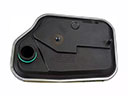 Ford F-250 Super Duty Automatic Transmission Filter
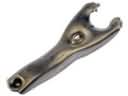 Ford F-250 Super Duty Clutch Fork
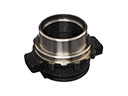 Ford F-250 Super Duty Clutch Release Bearing
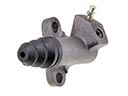 Ford F-250 Super Duty Clutch Slave Cylinder
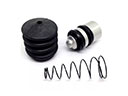 Ford F-250 Super Duty Clutch Slave Repair Kit
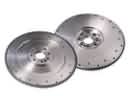 Ford F-250 Super Duty Flywheel
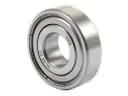 Ford F-250 Super Duty Pilot Bearing
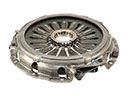 Ford F-250 Super Duty Pressure Plate
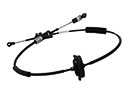 Ford F-250 Super Duty Shift Cable
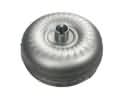 Ford F-250 Super Duty Torque Converter
 Ford F-250 Super Duty Transmission Drain Plug
 Ford F-250 Super Duty Transmission Pan