FordParts
My Garage
My Account
Cart
OEM Ford PCV Hose
PCV Valve Hose- Select Vehicle by Model
- Select Vehicle by VIN
Select Vehicle by Model
orMake
Model
Year
Select Vehicle by VIN
For the most accurate results, select vehicle by your VIN (Vehicle Identification Number).
232 PCV Hoses found
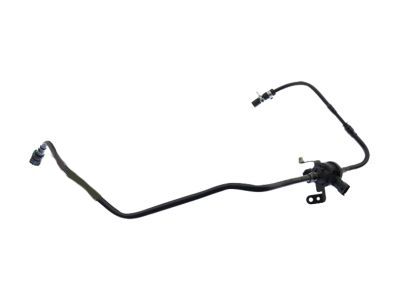
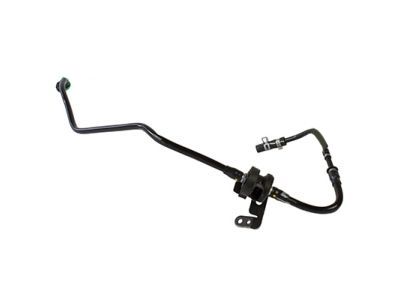
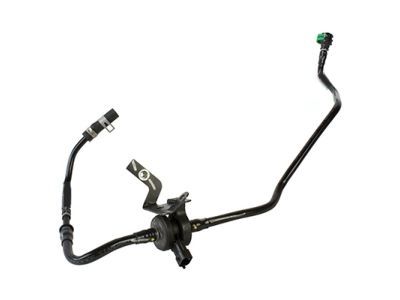
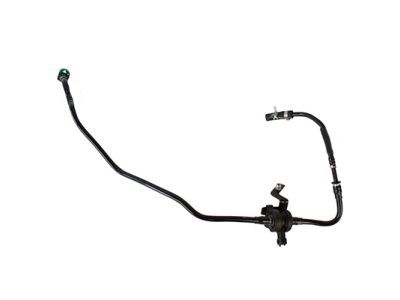
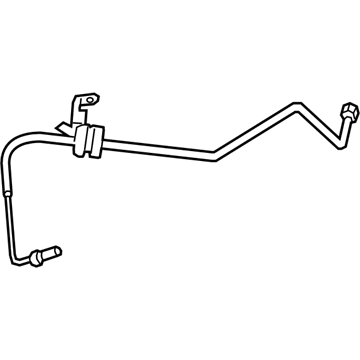
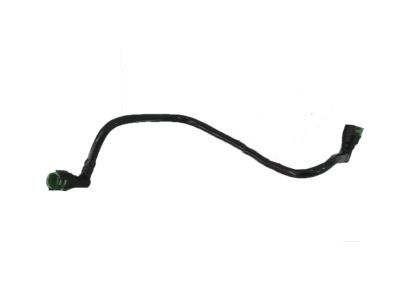
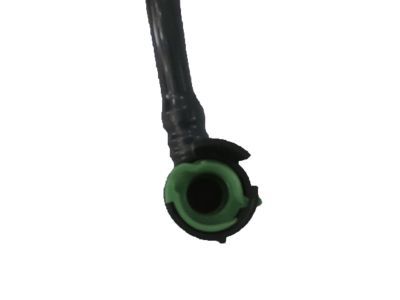
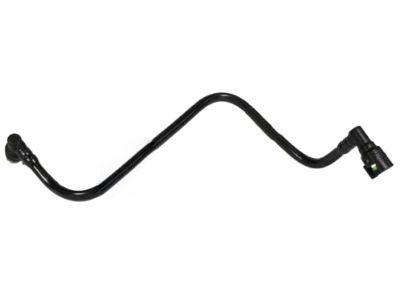
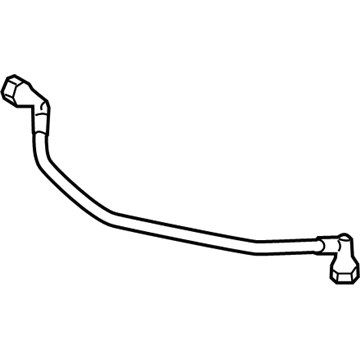
Ford Vent Tube Part Number: D2BZ-9C047-F
$90.11 MSRP: $143.09You Save: $52.98 (38%)Product Specifications- Other Name: Tube - Fuel Feed; Evaporative Emissions System Lines
- Replaces: D2BZ-9C047-B
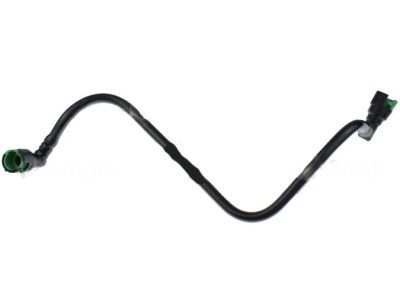
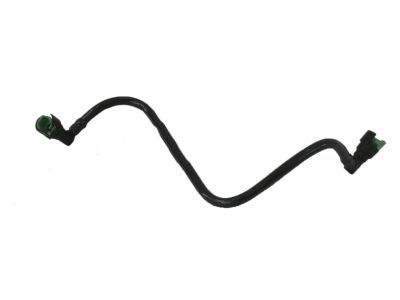
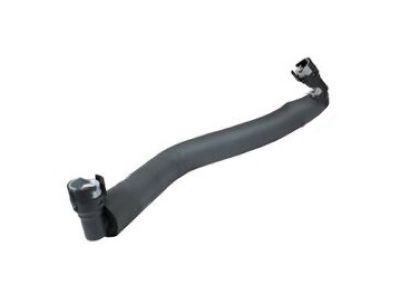
Ford Connector Tube Part Number: 3L3Z-6758-BA
$38.45 MSRP: $55.00You Save: $16.55 (31%)Ships in 1-3 Business DaysProduct Specifications- Other Name: Tube Assembly; PCV Valve Hose; Engine Crankcase Breather; EGR Pressure Feedback; EGR Tube Connector; Emission Hose.; Crankcase Tube
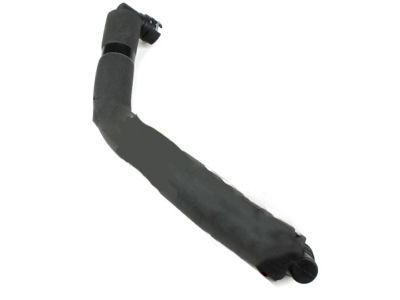

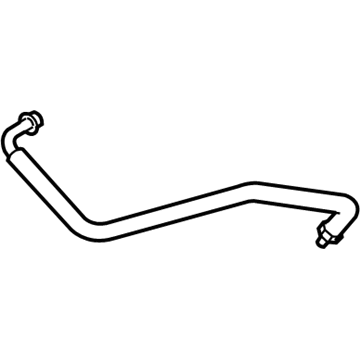
Ford PCV Valve Part Number: 3L3Z-6A664-AA
$99.56 MSRP: $150.17You Save: $50.61 (34%)Ships in 1-2 Business DaysProduct Specifications- Other Name: Hose - Vent; PCV Valve Hose; Engine Crankcase Breather Hose; Crankcase Vent Valve; Emission Hose; Hose & Tube Assembly
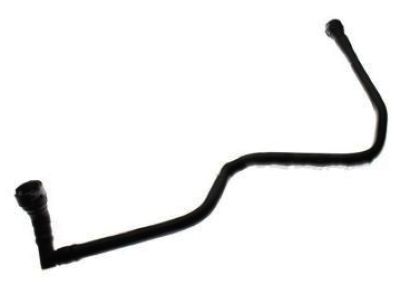
Ford Tube Assembly Part Number: 5R3Z-6758-A
$32.18 MSRP: $45.65You Save: $13.47 (30%)Product Specifications- Other Name: Exhaust Gas Recirculation (EGR) Tube; EGR Tube
- Replaces: 5R3Z-6758-BA
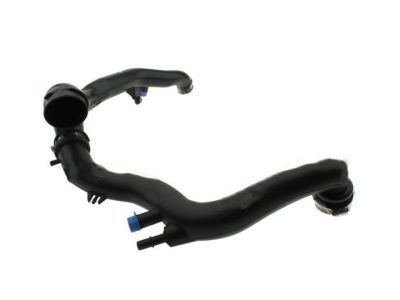
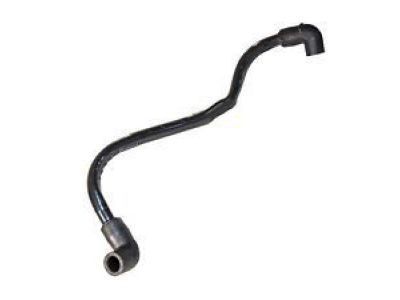
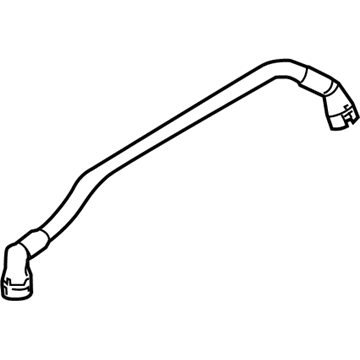
Ford Vent Tube Part Number: GB5Z-6758-C
$66.07 MSRP: $96.17You Save: $30.10 (32%)Product Specifications- Other Name: Tube Assembly; PCV Valve Hose; EGR Pressure Feedback Hose; Hose
- Manufacturer Note: Includes Sensor
- Replaces: GB5Z-6758-A
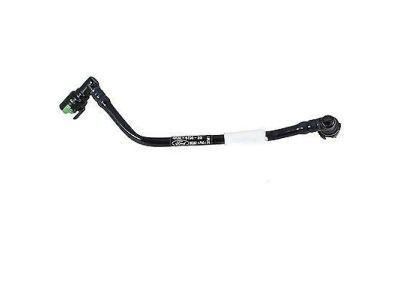
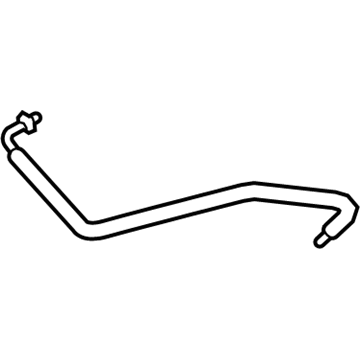
Ford Tube Assembly Part Number: 4R3Z-6758-BA
$27.53 MSRP: $39.05You Save: $11.52 (30%)Ships in 1-3 Business DaysProduct Specifications- Other Name: Exhaust Gas Recirculation (EGR) Tube; EGR Tube
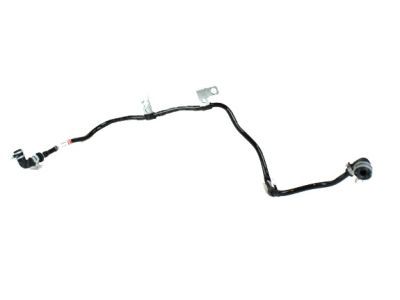
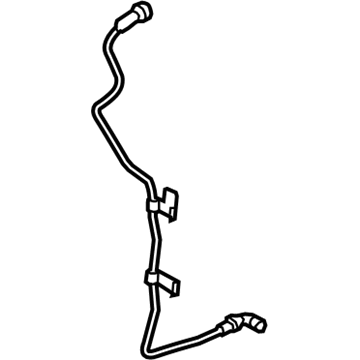
Ford Crankcase Tube Part Number: 8C3Z-6A664-B
$55.80 MSRP: $91.82You Save: $36.02 (40%)Ships in 1 Business DayProduct Specifications- Other Name: Hose - Connecting; PCV Valve Hose; Engine Crankcase Breather Hose; Crankcase Breather Hose; Emission Hose; Hose & Tube Assembly
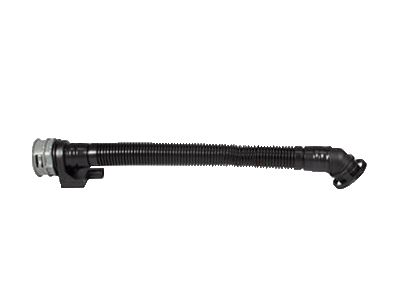
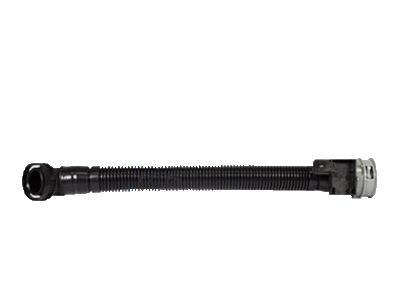
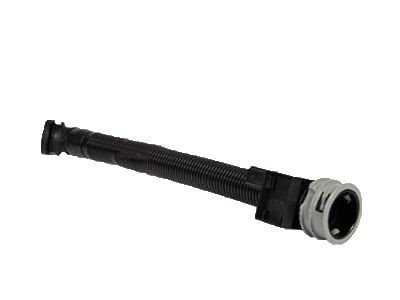
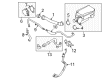
Ford Crankcase Tube Part Number: BC3Z-6A664-C
$65.62 MSRP: $133.33You Save: $67.71 (51%)Ships in 1 Business DayProduct Specifications- Other Name: Hose - Vent; PCV Valve Hose; Engine Crankcase Breather Hose; Crankcase Breather Hose; Emission Hose
- Replaces: BC3Z-6A664-B, BC3Z-6A664-A, KCV-254, KCV-260
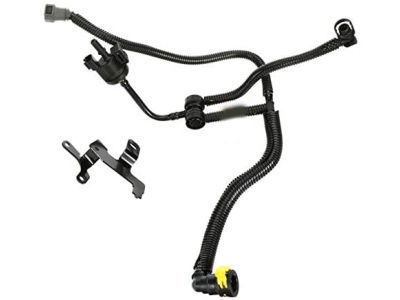
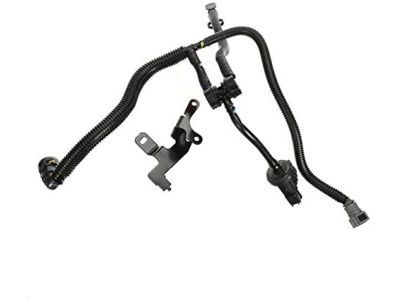
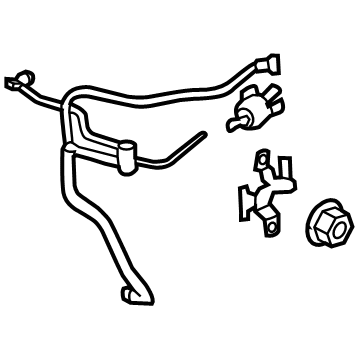
Ford Hose Assembly Part Number: DG9Z-9D289-S
$125.95 MSRP: $183.33You Save: $57.38 (32%)Ships in 1-2 Business DaysProduct Specifications- Other Name: Tube Assembly - Fuel Vapour Separator; Evaporative Emissions System Lines; PCV Valve Hose
- Replaces: DG9Z-9D289-B, DG9Z-9D289-G
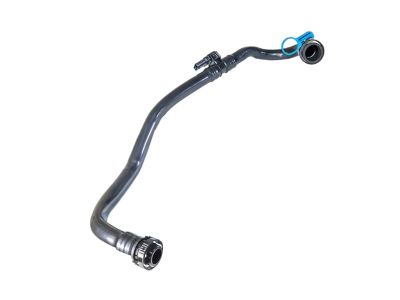
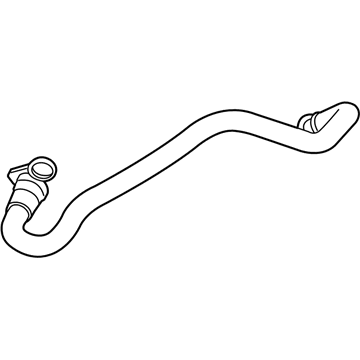
Ford Crankcase Tube, Lower Part Number: HS7Z-6A664-C
$138.94 MSRP: $255.00You Save: $116.06 (46%)Ships in 1-2 Business DaysProduct Specifications- Other Name: Tube - Breather; PCV Valve Hose, Lower; Engine Crankcase Breather Hose; Emission Hose
- Position: Lower
- Replaces: HS7Z-6A664-A, HS7Z-6A664-B, KCV-291, KCV-307
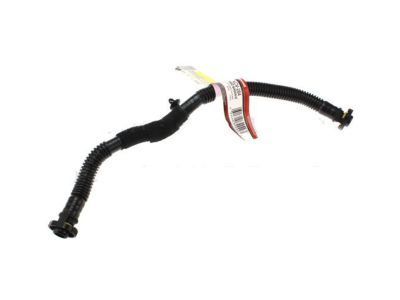
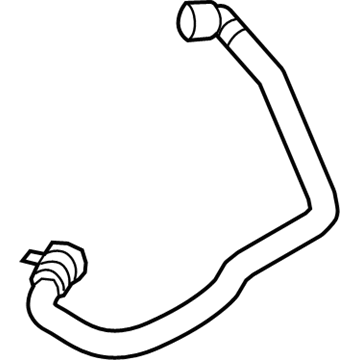
Ford PCV Hose, Front Part Number: BM5Z-6A664-H
$53.12 MSRP: $92.50You Save: $39.38 (43%)Ships in 1-2 Business DaysProduct Specifications- Other Name: Hose - Vent; PCV Valve Hose, Front, Upper; Engine Crankcase Breather Hose; Crankcase Breather Hose; Emission Hose
- Position: Front
- Replaces: BM5Z-6A664-G, BM5Z-6A664-B, BM5Z-6A664-C, KCV-264, KCV-279, KCV-269
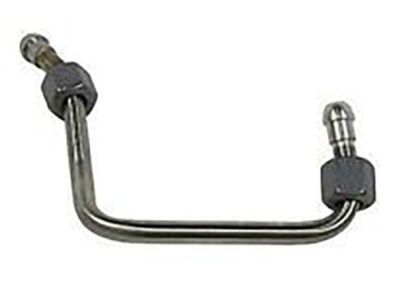
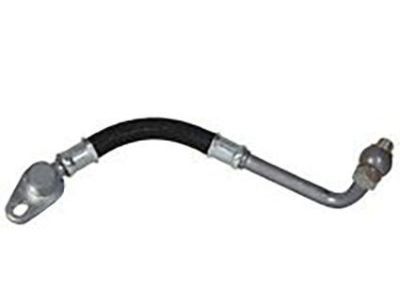
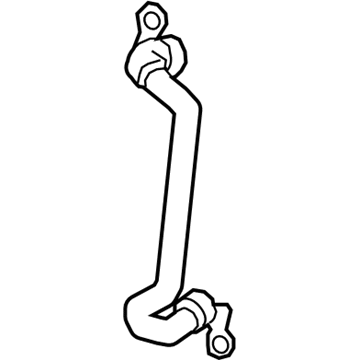
Ford Air Tube Part Number: BM5Z-6758-C
$52.52 MSRP: $78.65You Save: $26.13 (34%)Product Specifications- Other Name: Tube Assembly; Exhaust Gas Recirculation (EGR) Tube; PCV Valve Hose; EGR Tube; Connector Pipe; Tube
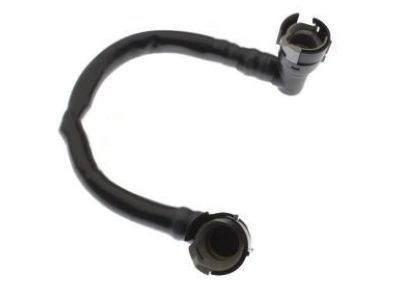
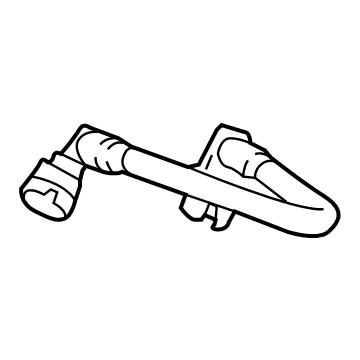
Ford PCV Hose, Passenger Side Part Number: GB8Z-6A664-A
$14.43 MSRP: $21.00You Save: $6.57 (32%)Product Specifications- Other Name: Hose - Vent; PCV Valve Hose, Right; Crankcase Breather Hose; Vent Hose; PCV Tube; PCV Valve Hose
- Position: Passenger Side
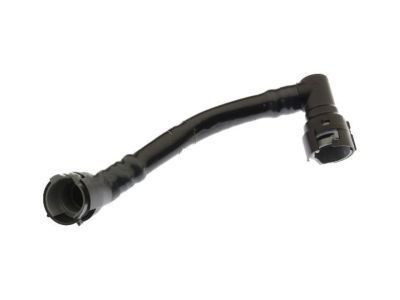
Ford PCV Hose Part Number: HL3Z-6A664-A
$15.57 MSRP: $22.67You Save: $7.10 (32%)Ships in 1-2 Business DaysProduct Specifications- Other Name: Hose - Vent; PCV Valve Hose; Crankcase Breather Hose
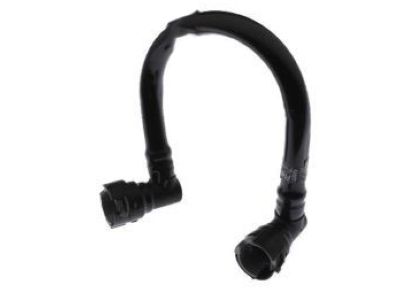
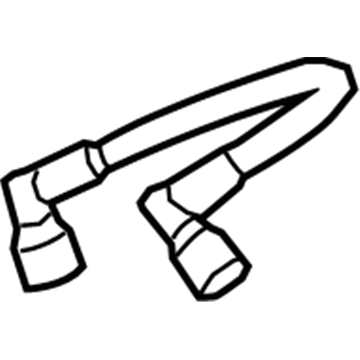
Ford PCV Hose Part Number: FT4Z-6A664-A
$15.69 MSRP: $22.83You Save: $7.14 (32%)Ships in 1-2 Business DaysProduct Specifications- Other Name: Hose - Vent; PCV Valve Hose; Crankcase Breather Hose
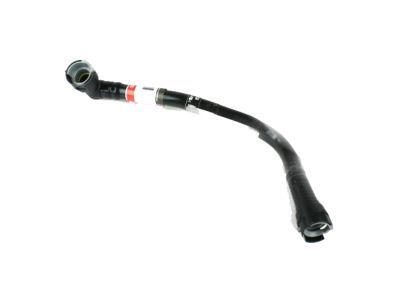
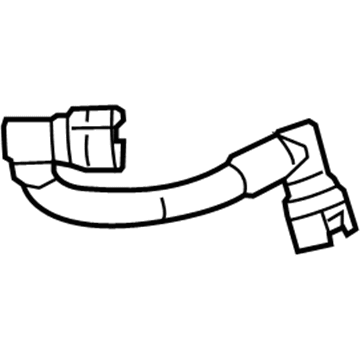
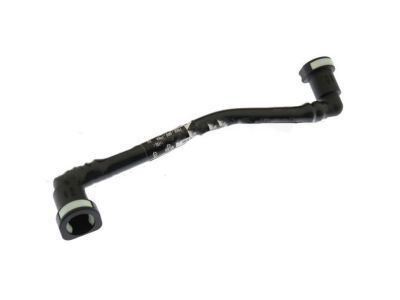
Ford Vent Hose Part Number: BL3Z-6A664-A
$17.06 MSRP: $24.83You Save: $7.77 (32%)Ships in 1-2 Business DaysProduct Specifications- Other Name: Hose - Vent; PCV Valve Hose; Crankcase Breather Hose
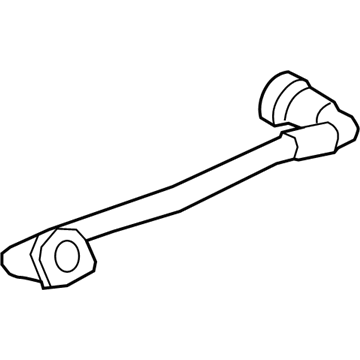
Ford Vent Hose Part Number: FR3Z-6A664-A
$20.72 MSRP: $30.17You Save: $9.45 (32%)Ships in 1-3 Business DaysProduct Specifications- Other Name: Hose - Vent; PCV Valve Hose
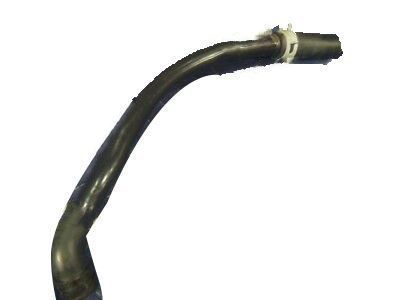
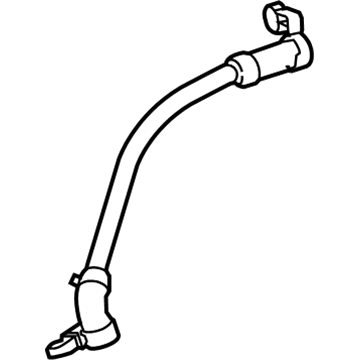
Ford PCV Hose Part Number: AT4Z-6A664-B
$22.44 MSRP: $32.67You Save: $10.23 (32%)Ships in 1-2 Business DaysProduct Specifications- Other Name: Hose - Vent; PCV Valve Hose; Engine Crankcase Breather Hose; Crankcase Breather Hose; Emission Hose; PCV Tube
- Replaces: AT4Z-6A664-A, KCV-257
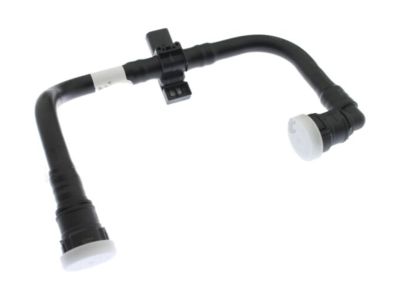
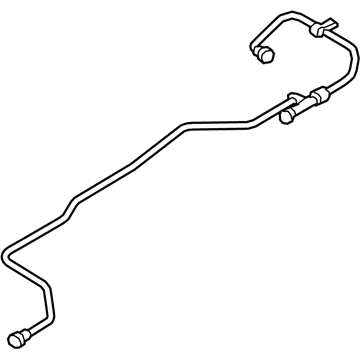
Ford Connector Tube Part Number: FL3Z-9C015-A
$274.67 MSRP: $514.89You Save: $240.22 (47%)Product Specifications- Other Name: Hose - Connecting; Evaporative Emissions System Lines; Vapor Hose
- Manufacturer Note: Part Includes 9C052 Pressure Transducer
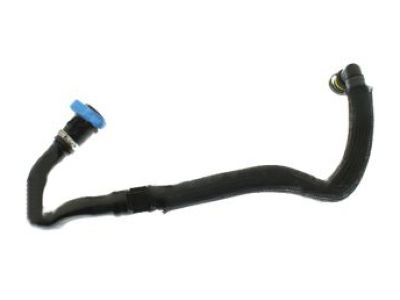
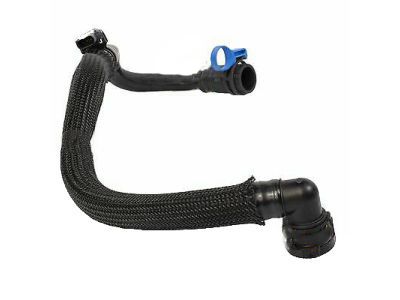
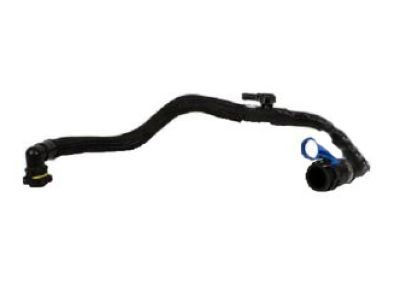
Ford PCV Hose, Upper Part Number: GV6Z-6A664-B
$101.10 MSRP: $147.17You Save: $46.07 (32%)Product Specifications- Other Name: Tube - Breather; PCV Valve Hose, Upper; Engine Crankcase Breather Hose; Emission Hose
- Position: Upper
- Replaces: GV6Z-6A664-A, KCV-293
| Page 1 of 12 |Next >
1-20 of 232 Results
Ford PCV Hose
If you own Ford and want to keep it in top shape, choosing OEM PCV Hose is a smart move. They are precisely engineered and follow strict factory standards. They are made in advanced facilities that use cutting edge technology. Each part goes through thorough testing to confirm strength and safety, so you can trust it. FordPartsDeal.com gives you genuine Ford PCV Hose at some of the affordable online prices without cutting quality. Every OEM Ford part includes the manufacturer's warranty, easy returns, and super-fast delivery. So why wait? Shop now and get your vehicle back to peak condition.
The vacuum lifeline which connects crankcase pressure to the intake is a Ford PCV Hose that recycles the blow-by fumes to allow the engine to breathe clean and steady. Ford has pursued practical advancement since 1903, transforming sluggish handmade vehicles to affordable-priced vehicles with a moving assembly line, which continues to amaze contemporary factories. The Ford EcoBoost engines can squeeze a lot of power even with a small displacement and rather than guzzling the fuel, it sips it, and the Ford F-150 Lightning will push you back in the seat without consuming a drop of gas. With SYNC voice controls that announce directions or playlists without the driver operating the phone, Co-Pilot 360 engages radar and cameras to brake early or steer the wheel back in the roadway, drivers can keep their trips calm. None of this technology is superfluous; it seems to be practical as Ford recognizes that consumers are not seeking corporate bling, but rather brass-tacks dependability. In the case where such reliability requires fresh breathing, a replacement of a worn PCV Hose requires only a basic hand tool and ten clear minutes. Allow the engine to cool, follow the old PCV Hose between the valve cover and intake and find locations to clamp. By squeezing, connecting, twisting, pulling the brittle line, and wiping the fittings clean, the new PCV Hose seats afterwards. Press each end until it clicks, slide clamps in place without mashing, run the line out of belts and heat, fire the motor, listen to hissing, idle settling, drive away to be sure crankcase is kept vented and oil in place where it belongs.
Related Ford Parts
 Ford Catalytic Converter
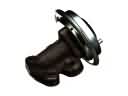 Ford EGR Valve
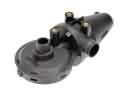 Ford PCV Valve
 Ford Muffler
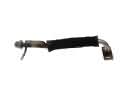 Ford EGR Tube
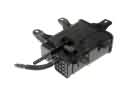 Ford Vapor Canister
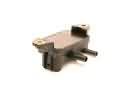 Ford EGR Valve Position Sensor
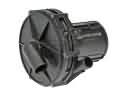 Ford Air Injection Pump
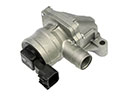 Ford Air Pump Check Valve
 Ford Catalytic Converter Gasket
 Ford Exhaust Flange Gasket
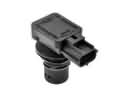 Ford Vapor Pressure Sensor
Browse Ford PCV Hose by Models
Ranger Bronco Mustang Explorer Focus Fusion F-150 Maverick Escape Edge Expedition Fiesta Taurus Thunderbird Flex Transit Connect Bronco Sport Explorer Sport Trac Crown Victoria EcoSport Escort C-Max Police Interceptor Utility Taurus X Windstar F-350 Super Duty Police Interceptor Sedan E-350 Super Duty F-250 Super Duty Police Responder Hybrid Special Service Police Sedan SSV Plug-In Hybrid Transit-150 Transit-250 Transit-350 Transit-350 HD