FordParts
My Garage
My Account
Cart
OEM Ford Pinion Washer
Pinion Nut Washer- Select Vehicle by Model
- Select Vehicle by VIN
Select Vehicle by Model
orMake
Model
Year
Select Vehicle by VIN
For the most accurate results, select vehicle by your VIN (Vehicle Identification Number).
16 Pinion Washers found
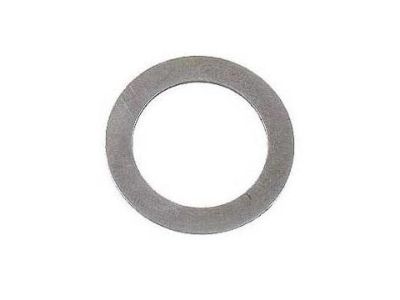
Ford Washers Part Number: BC3Z-4663-AAA
$116.79 MSRP: $170.00You Save: $53.21 (32%)Ships in 1 Business DayProduct Specifications- Other Name: Shim - Driving Pinion
- Manufacturer Note: Kit Contains 15 Shims, 0.015-0.029
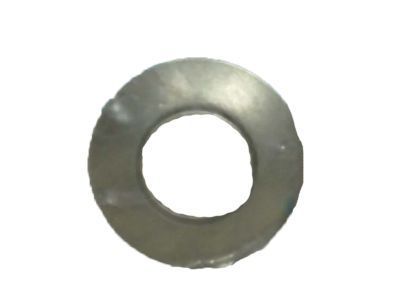
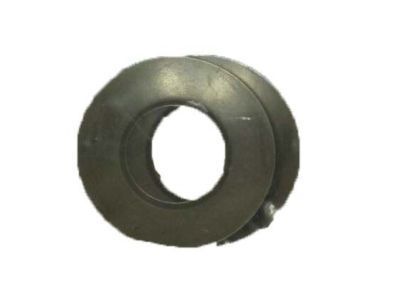
Ford Pinion Washer Part Number: F75Z-4230-AA
$2.90 MSRP: $4.12You Save: $1.22 (30%)Ships in 1 Business DayProduct Specifications- Other Name: Washer - Thrust
Ford Washers Part Number: BC3Z-4663-AB
$9.09 MSRP: $12.90You Save: $3.81 (30%)Ships in 1-3 Business DaysProduct Specifications- Other Name: Shim - Driving Pinion
- Manufacturer Note: .040" Thick
Ford Pinion Washer Part Number: C9OZ-4228-B
$53.01 MSRP: $75.83You Save: $22.82 (31%)Ships in 1-3 Business DaysProduct Specifications- Other Name: Washer - Thrust; Side Washer; Side Gear Washer; Washers; Spacer
Ford Pinion Washer Part Number: D8BZ-4230-B
$1.55 MSRP: $2.20You Save: $0.65 (30%)Ships in 1-3 Business DaysProduct Specifications- Other Name: Washer - Thrust
- Replaces: F3DZ-4215-A
Ford Pinion Washer Part Number: E5TZ-4230-A
$1.87 MSRP: $2.64You Save: $0.77 (30%)Ships in 1-3 Business DaysProduct Specifications- Other Name: Washer - Thrust

Ford Pinion Washer Part Number: D2TZ-4230-A
$2.89 MSRP: $4.10You Save: $1.21 (30%)Product Specifications- Other Name: Washer - Thrust
Ford Pinion Washer Part Number: FL3Z-4230-A
$5.43 MSRP: $7.70You Save: $2.27 (30%)Ships in 1-3 Business DaysProduct Specifications- Other Name: Washer - Thrust; Washers
- Replaces: E7TZ-4230-A
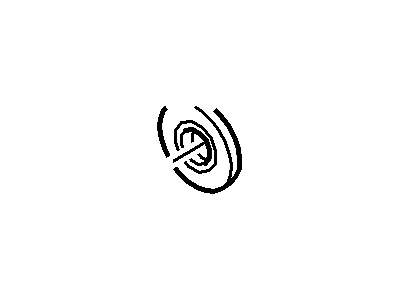
Ford Pinion Washer Part Number: DOAZ-4230-B
$5.52 MSRP: $7.84You Save: $2.32 (30%)Ships in 1-3 Business DaysProduct Specifications- Other Name: Washer - Thrust; Washers
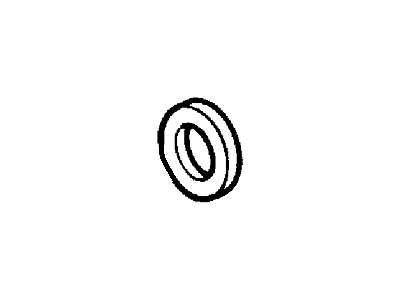
Ford Pinion Washer Part Number: D8BZ-4228-A
$6.33 MSRP: $8.98You Save: $2.65 (30%)Ships in 1-3 Business DaysProduct Specifications- Other Name: Washer - Thrust; Side Washer; Side Gear Washer; Washers

Ford Side Gear Washer Part Number: FL3Z-4228-D
$7.10 MSRP: $10.07You Save: $2.97 (30%)Ships in 1-3 Business DaysProduct Specifications- Other Name: Washer - Thrust
- Manufacturer Note: 0.864MM

Ford Side Gear Washer Part Number: FL3Z-4228-C
$7.44 MSRP: $10.55You Save: $3.11 (30%)Ships in 1-3 Business DaysProduct Specifications- Other Name: Washer - Thrust

Ford Side Gear Washer Part Number: FL3Z-4228-B
$7.52 MSRP: $10.67You Save: $3.15 (30%)Ships in 1-3 Business DaysProduct Specifications- Other Name: Washer - Thrust
- Manufacturer Note: 1.19MM
Ford Washers Part Number: BC3Z-4663-R
$8.55 MSRP: $12.13You Save: $3.58 (30%)Ships in 1-3 Business DaysProduct Specifications- Other Name: Shim - Driving Pinion
- Manufacturer Note: .030" thick
Ford Washers Part Number: BC3Z-4663-S
$8.61 MSRP: $12.22You Save: $3.61 (30%)Ships in 1-3 Business DaysProduct Specifications- Other Name: Shim - Driving Pinion
- Manufacturer Note: 0.031" Thick
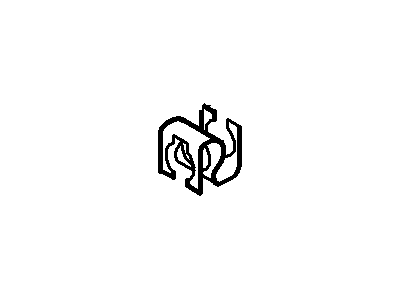
Ford Side Gear Washer Part Number: AL1Z-4214-A
$8.66 MSRP: $12.28You Save: $3.62 (30%)Ships in 1-3 Business DaysProduct Specifications- Other Name: Spring
Ford Pinion Washer
If you own Ford and want to keep it in top shape, choosing OEM Pinion Washer is a smart move. They are precisely engineered and follow strict factory standards. They are made in advanced facilities that use cutting edge technology. Each part goes through thorough testing to confirm strength and safety, so you can trust it. FordPartsDeal.com gives you genuine Ford Pinion Washer at some of the affordable online prices without cutting quality. Every OEM Ford part includes the manufacturer's warranty, easy returns, and super-fast delivery. So why wait? Shop now and get your vehicle back to peak condition.
The Ford Pinion Washer maintains the smooth running of the differential through the spacing of pinion shaft and keeping the yoke and nut in place. The company has been combining mass production with upgrades that facilitate easy driving since Henry Ford opened the factory in 1903. The assembly line with motion reduced build time in 1913, EcoBoost engines are fuel-saving, SYNC allows a driver to use voice commands, and Co-Pilot360 is an automotive that depends on auto braking and lane keeping. The recent one is the all electric F-150 Lightning which demonstrates how Ford can offer powerful towing capacity without tailpipe emissions. To customers who pay attention to gas prices, a Ford equipped with EcoBoost will tend to cover more miles per gallon. All these characteristics demonstrate that by purchasing a Ford, the buyer purchases the technology that secures performance, safety, and the world. Pinion Washer is a hardened spacer as well as spreads the load and controls the endplay, which is applied like a miniature shield against vibration and additional wear. Installation of Pinion Washer is done by parking on a level ground and chocking the wheels. Once the driveshaft orientation is marked, unbolt the shaft, slide off the yoke and remove the pinion nut. Wash out threads and road dirt, check bearings, and pick the Pinion Washer of the right thickness which is identical to factory-theory. Slide it over the shaft or place it under the nut, gear oil, and then again install the yoke. Insert the nut to the recommended preload, make the pinion spin to experience drag, reconnect the driveshaft, and verify the absence of leaks, and then drive a short distance listening to any noises.
Related Ford Parts
 Ford Differential
 Ford Drive Shaft
 Ford 4WD Actuator
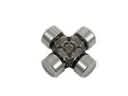 Ford Universal Joint
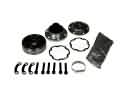 Ford CV Joint
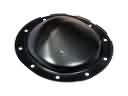 Ford Differential Cover
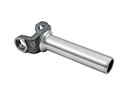 Ford Slip Yoke
 Ford CV Joint Companion Flange
 Ford Differential Pinion Bearing
 Ford Differential Seal
 Ford Driveshaft Yokes
 Ford Output Shaft Seal