FordParts
My Garage
My Account
Cart
OEM Ford Ranger Torque Converter
Transmission Torque Converter- Select Vehicle by Model
- Select Vehicle by VIN
Select Vehicle by Model
orMake
Model
Year
Select Vehicle by VIN
For the most accurate results, select vehicle by your VIN (Vehicle Identification Number).
3 Torque Converters found

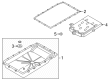
Ford Ranger Converter Assembly Part Number: MB3Z-7902-ATC
$281.82 MSRP: $411.67You Save: $129.85 (32%)Ships in 1-2 Business Days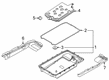
Ford Ranger Converter Assembly Part Number: L1MZ-7902-ATC
$364.67 MSRP: $533.33You Save: $168.66 (32%)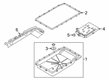
Ford Ranger Converter Assembly Part Number: KB3Z-7902-ATC
$1083.72 MSRP: $1603.33You Save: $519.61 (33%)
Ford Ranger Torque Converter
OEM Torque Converter boasts unmatched quality. Each part goes through full quality checks. They adhere to Ford's official factory standards. These steps remove flaws and inconsistencies. So you can get Torque Converter with long life and a perfect fit. Come to our website and find genuine Ford Ranger parts. We keep a wide inventory of OEM Ranger parts at the highly affordable prices. It's easy to search, compare, and pick what you need. You'll love the clear info and simple checkout. We offer top-rated customer service, and we reply fast. We also ship promptly to ensure your order arrives on time.
Ford Ranger Torque Converter combines the classic power of the pickup frame and a smart hydraulic device that converts engine work into decisive, smooth move. The Ford Ranger will captivate the drivers with a spirited EcoBoost, a precise automatic gearbox, a sure-footed suspension setting, and a spacious cargo bed, and regardless of whether you are heading to the workplace or a mountain road the truck is up to the task. The truck includes smart phone connectivity, plush seats and sharp sound. The Ranger provided by Ford designers has advanced safety equipment, crisp steering, and robust towing equipment, ensuring that it is a work and play balanced truck without having to spend beyond its budget limit on fuel consumption. Next to the engine is the Ranger Torque Converter, which is a fluid in between engine and transmission and serves to couple the two, torque multiply at low speed, and enables your engine to idle quietly when you sit. This Torque Converter also locks up during cruise to reduce slip and ensure temperatures remain low as well as to increase mileage which means that Ford powertrain remains cool and efficient even during long journey. High strength fins, rough stator, and balancing were applied by engineers to make the Torque Converter durable so as to provide it with consistent launches even when carrying equipment. Ford Ranger Torque Converter is installed by prefilling, sliding it over the input shaft and rotating until it snaps into place, then aligning it with the flexplate followed by tightening bolts as much as possible by hand, then tightening to spec specially, completing with filling and checking of leaks.
Related Ford Ranger Parts
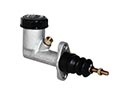 Ford Ranger Clutch Master Cylinder
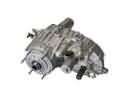 Ford Ranger Transfer Case
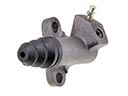 Ford Ranger Clutch Slave Cylinder
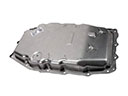 Ford Ranger Transmission Pan
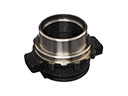 Ford Ranger Clutch Release Bearing
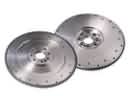 Ford Ranger Flywheel
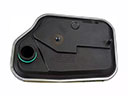 Ford Ranger Automatic Transmission Filter
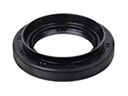 Ford Ranger Automatic Transmission Output Shaft Seal
 Ford Ranger Automatic Transmission Seal
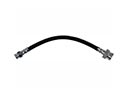 Ford Ranger Clutch Hose
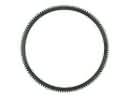 Ford Ranger Flywheel Ring Gear
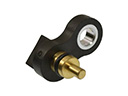 Ford Ranger Transmission Fluid Temperature Sensor