FordParts
My Garage
My Account
Cart
OEM Ford Spool Valve
VTEC Solenoid- Select Vehicle by Model
- Select Vehicle by VIN
Select Vehicle by Model
orMake
Model
Year
Select Vehicle by VIN
For the most accurate results, select vehicle by your VIN (Vehicle Identification Number).
26 Spool Valves found
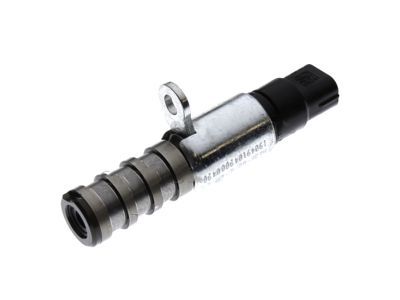
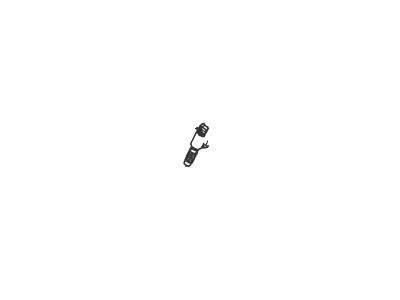
Ford Control Valve Solenoid Part Number: HL3Z-6M280-A
$33.19 MSRP: $47.08You Save: $13.89 (30%)Ships in 1 Business DayProduct Specifications- Other Name: Solenoid - Engine Variable Timing; Variable Timing Oil Control Valve; Camshaft Adjuster Magnet; Variable Timing Solenoid; Solenoid
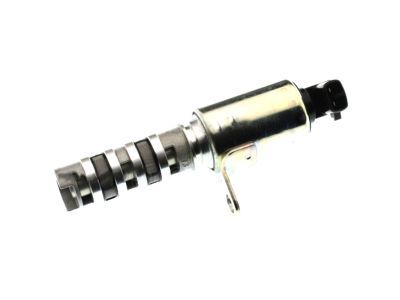
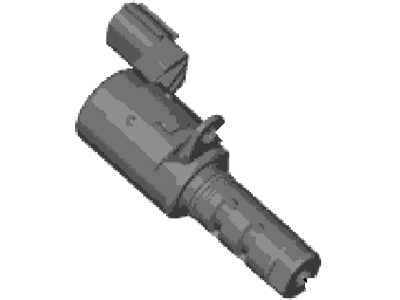
Ford Control Valve Solenoid Part Number: 7T4Z-6M280-C
$58.05 MSRP: $84.50You Save: $26.45 (32%)Ships in 1 Business DayProduct Specifications- Other Name: Solenoid - Engine Variable Timing; VVT Oil Control Valve; Camshaft Adjuster Magnet; Timing Solenoid.; Solenoid

Ford Control Valve Solenoid Part Number: CN1Z-6M280-E
$39.61 MSRP: $56.67You Save: $17.06 (31%)Ships in 1-2 Business DaysProduct Specifications- Other Name: Solenoid - Engine Variable Timing; VVT Oil Control Valve; Camshaft Adjuster Magnet.
- Manufacturer Note: Exhaust
- Replaces: CN1Z-6M280-B, CN1Z-6M280-D
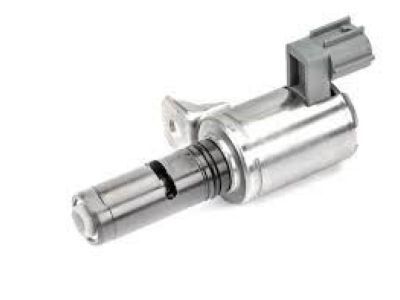
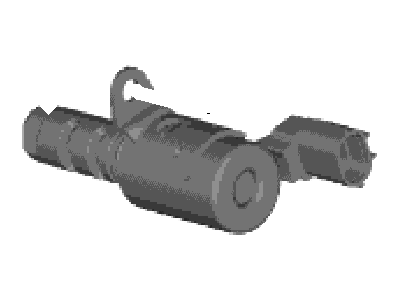
Ford Control Valve Solenoid Part Number: CN1Z-6M280-F
$64.81 MSRP: $94.33You Save: $29.52 (32%)Ships in 1-2 Business DaysProduct Specifications- Other Name: Solenoid - Engine Variable Timing; VVT Oil Control Valve; Camshaft Adjuster Magnet.
- Manufacturer Note: Inlet
- Replaces: CN1Z-6M280-C, CN1Z-6M280-A
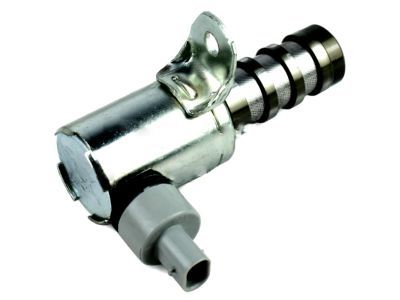
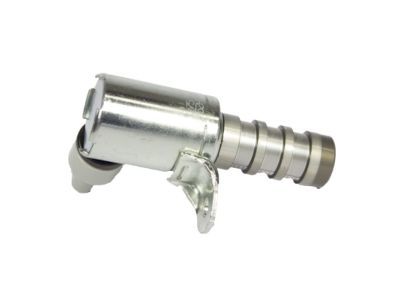
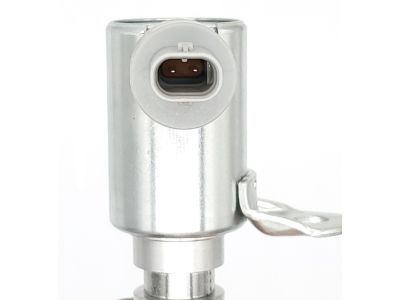
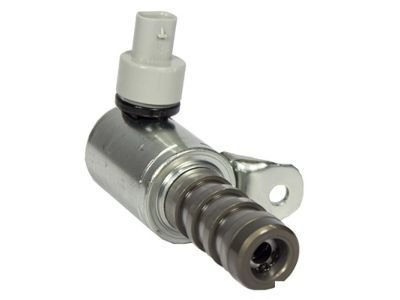
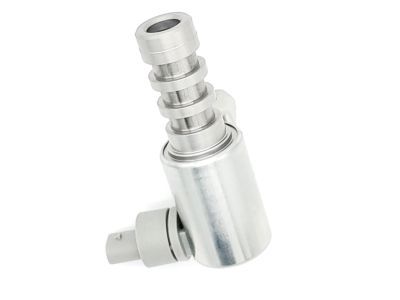
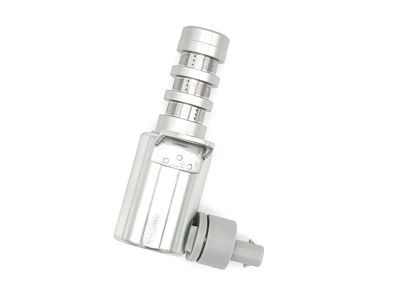
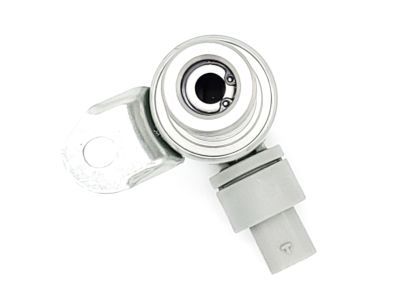
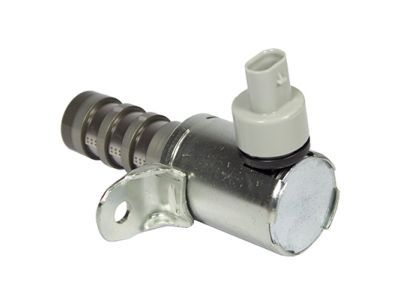
Ford Control Valve Solenoid Part Number: AT4Z-6M280-B
$60.80 MSRP: $88.50You Save: $27.70 (32%)Ships in 1 Business DayProduct Specifications- Other Name: Solenoid - Engine Variable Timing; VVT Oil Control Valve; Camshaft Adjuster Magnet; Timing Solenoid.; Solenoid
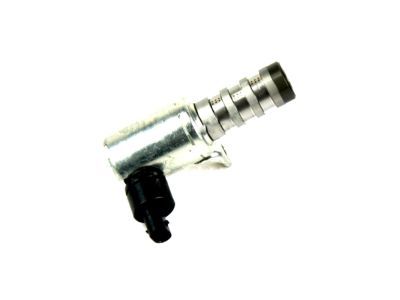
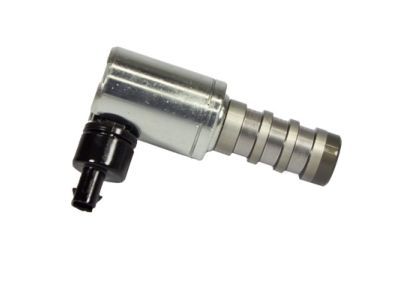
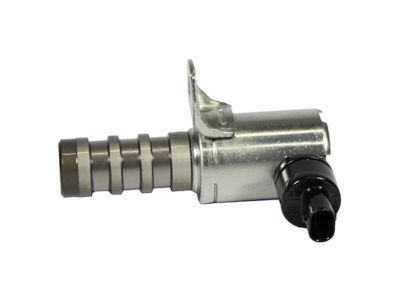
Ford Control Valve Solenoid, Black Part Number: AT4Z-6M280-A
$67.44 MSRP: $98.17You Save: $30.73 (32%)Ships in 1 Business DayProduct Specifications- Other Name: Solenoid - Engine Variable Timing; VVT Oil Control Valve; Camshaft Adjuster Magnet; Timing Solenoid.; Solenoid
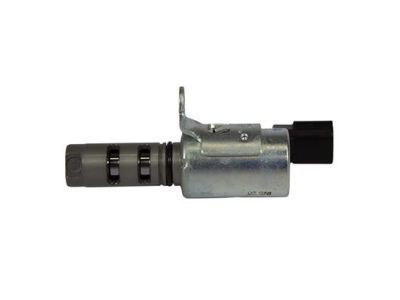
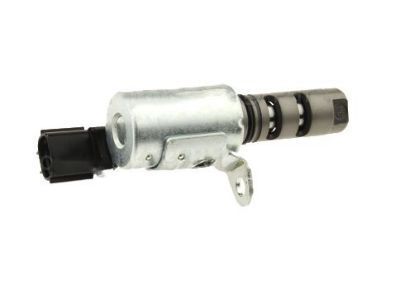
Ford Control Valve Solenoid Part Number: BE8Z-6M280-A
$78.89 MSRP: $114.83You Save: $35.94 (32%)Product Specifications- Other Name: Solenoid - Engine Variable Timing; VVT Oil Control Valve; Camshaft Adjuster Magnet; Timing Solenoid.
- Manufacturer Note: Inlet
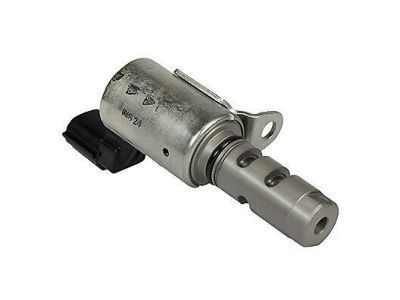
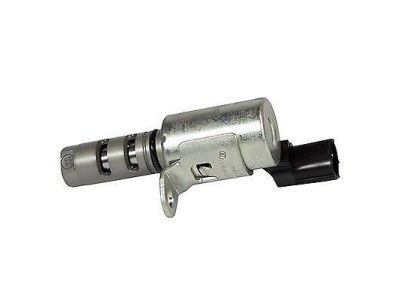
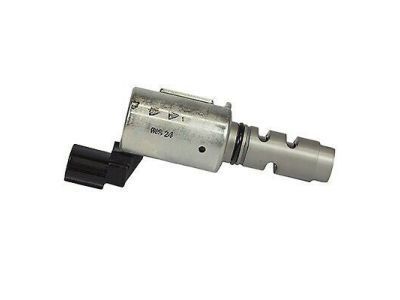
Ford Control Valve Solenoid Part Number: BE8Z-6M280-B
$79.46 MSRP: $115.67You Save: $36.21 (32%)Ships in 1-2 Business DaysProduct Specifications- Other Name: Solenoid - Engine Variable Timing; VVT Oil Control Valve; Camshaft Adjuster Magnet; Timing Solenoid.
- Manufacturer Note: Exhaust
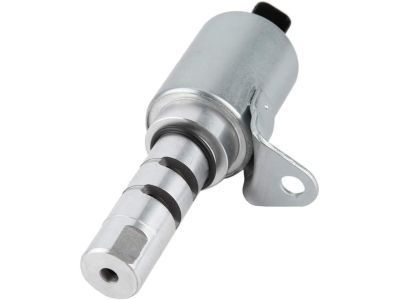
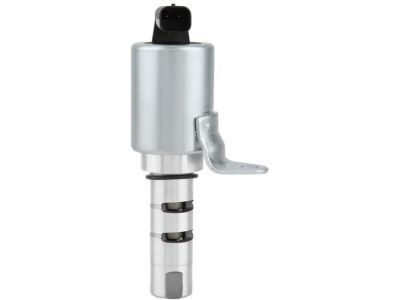
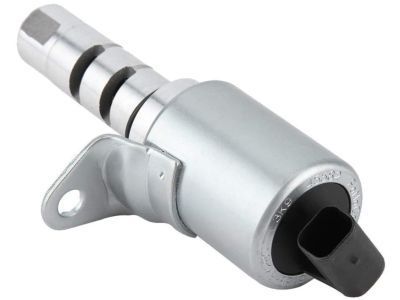
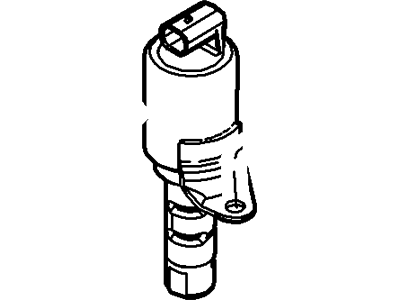
Ford Control Valve Solenoid Part Number: 6M8Z-6M280-AA
$80.26 MSRP: $116.83You Save: $36.57 (32%)Ships in 1-3 Business DaysProduct Specifications- Other Name: Solenoid - Engine Variable Timing; VVT Oil Control Valve; Camshaft Adjuster Magnet; Timing Solenoid.
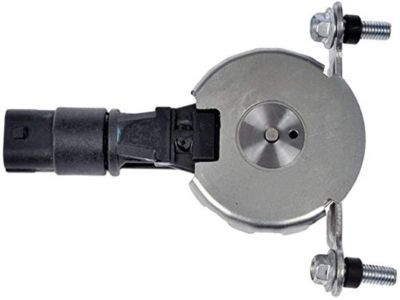
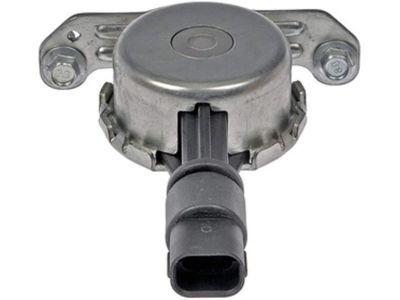
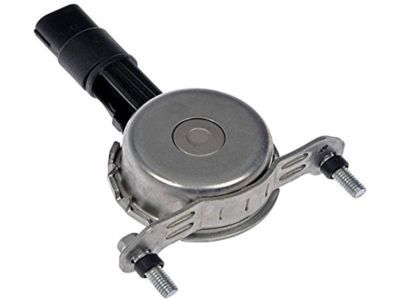
Ford Control Valve Solenoid Part Number: BR3Z-6M280-A
$34.55 MSRP: $49.00You Save: $14.45 (30%)Ships in 1 Business DayProduct Specifications- Other Name: Solenoid - Engine Valve; VVT Adjuster Magnet; Variable Timing Oil Control Valve; Camshaft Adjuster Magnet.; Solenoid - Engine Variable Timing
- Replaced by: BR3Z-6M280-F
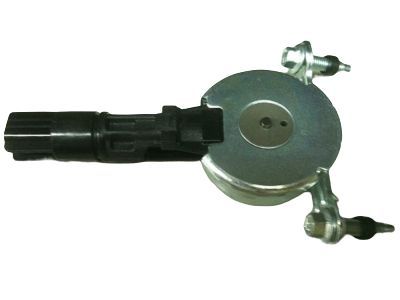
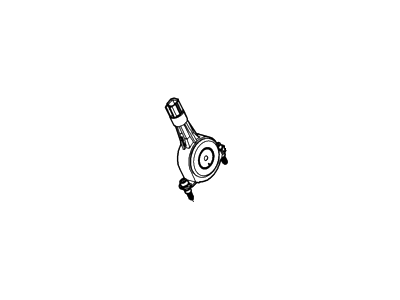
Ford Control Valve Solenoid Part Number: 9L8Z-6M280-C
$61.49 MSRP: $89.50You Save: $28.01 (32%)Ships in 1-2 Business DaysProduct Specifications- Other Name: Solenoid - Engine Variable Timing; VVT Oil Control Valve; VVT Adjuster Magnet; Camshaft Adjuster Magnet
- Replaces: 9L8Z-6M280-A, 9L8Z-6M280-B
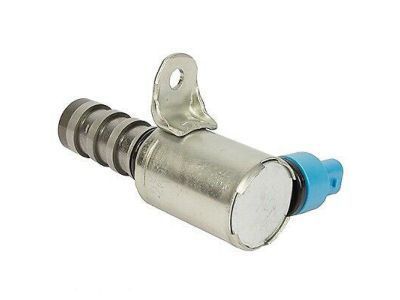
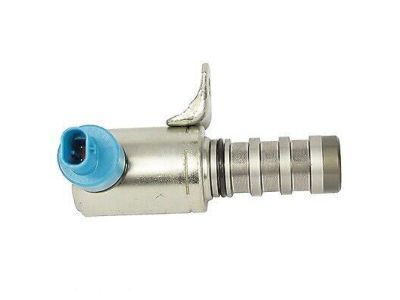
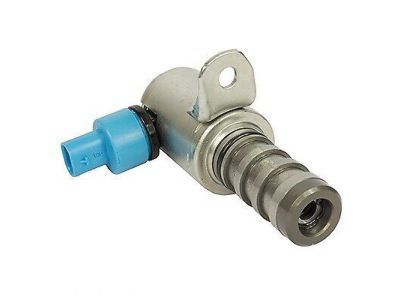
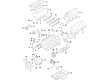
Ford Control Valve Solenoid, Blue, Passenger Side Part Number: AT4Z-6M280-C
$49.51 MSRP: $70.83You Save: $21.32 (31%)Ships in 1-2 Business DaysProduct Specifications- Other Name: Solenoid - Engine Variable Timing; VVT Oil Control Valve; Camshaft Adjuster Magnet; Timing Solenoid.; Solenoid
- Position: Passenger Side
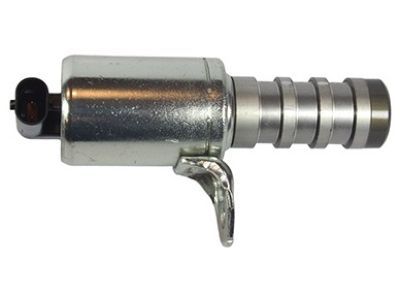
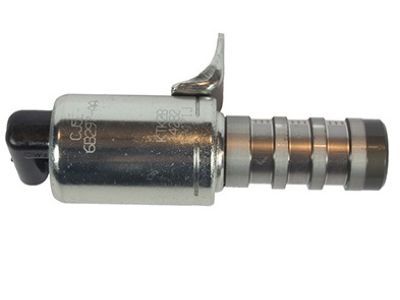
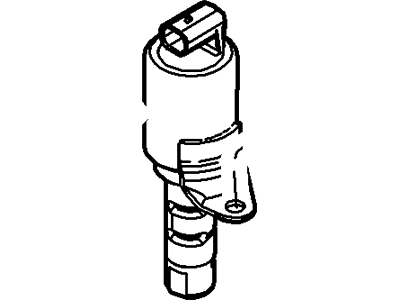
Ford Control Valve Solenoid Part Number: CJ5Z-6M280-A
$31.84 MSRP: $45.17You Save: $13.33 (30%)Ships in 1-2 Business DaysProduct Specifications- Other Name: Solenoid - Engine Variable Timing; VVT Solenoid; Variable Timing Oil Control Valve; Camshaft Adjuster Magnet.; Solenoid
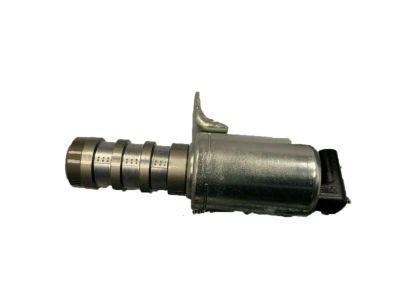
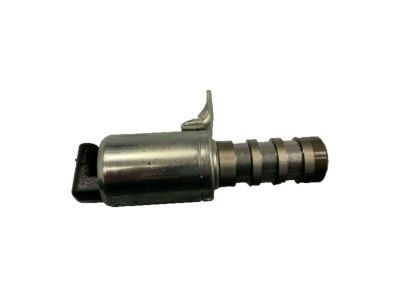
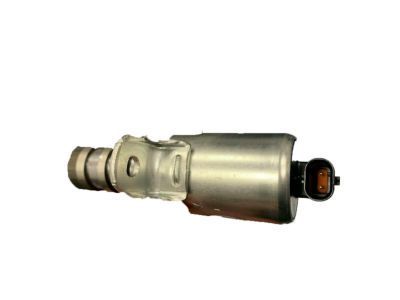
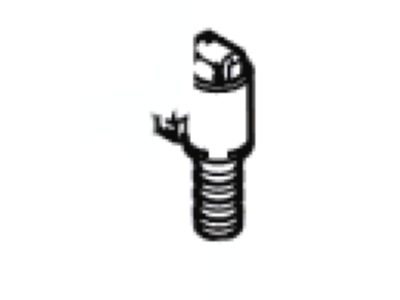
Ford Control Valve Solenoid Part Number: CM5Z-6M280-C
$35.42 MSRP: $50.67You Save: $15.25 (31%)Ships in 1 Business DayProduct Specifications- Other Name: Solenoid - Engine Variable Timing; VVT Oil Control Valve; Camshaft Adjuster Magnet; Timing Solenoid.
- Replaces: CM5Z-6M280-A
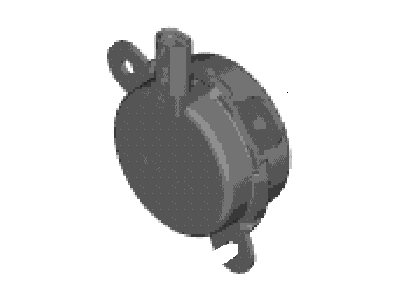
Ford Control Valve Solenoid Part Number: CM5Z-6M280-G
$16.45 MSRP: $23.33You Save: $6.88 (30%)Ships in 1-2 Business DaysProduct Specifications- Other Name: Solenoid - Engine Variable Timing; VVT Oil Control Valve; VVT Adjuster Magnet; Camshaft Adjuster Magnet.
- Replaces: CM5Z-6M280-F, CM5Z-6M280-D
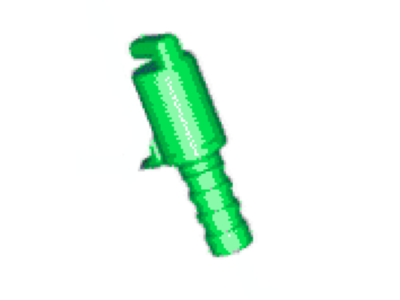
Ford Control Valve Solenoid Part Number: FT4Z-6M280-B
$70.65 MSRP: $102.83You Save: $32.18 (32%)Product Specifications- Other Name: Solenoid - Engine Variable Timing; VVT Oil Control Valve; Camshaft Adjuster Magnet.; Solenoid
- Replaced by: FT4Z-6M280-C
- Replaces: FT4Z-6M280-A
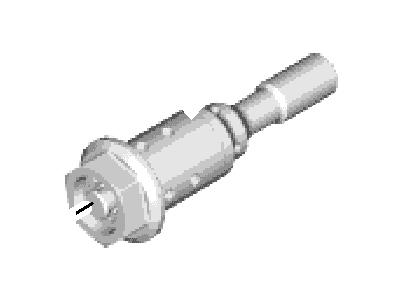
Ford Valve Assembly Part Number: CM5Z-6C570-B
$72.94 MSRP: $106.17You Save: $33.23 (32%)Ships in 1-3 Business DaysProduct Specifications- Other Name: Engine Variable Valve Timing (VVT) Oil Control Valve; VVT Solenoid
- Replaces: CM5Z-6C570-A
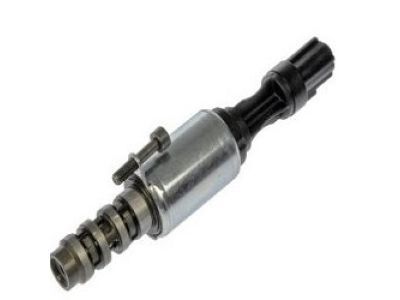
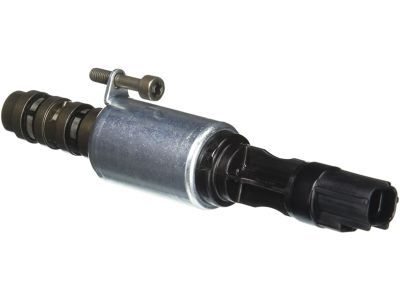
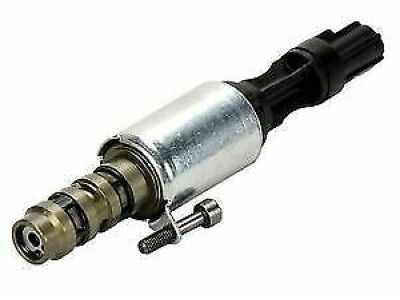
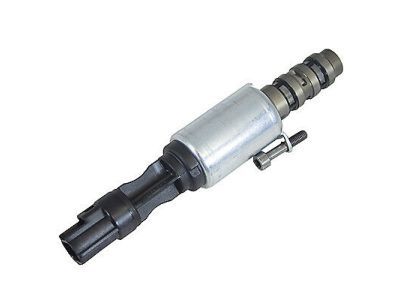
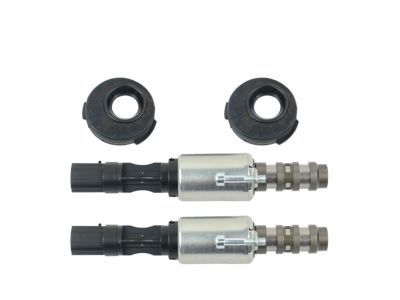
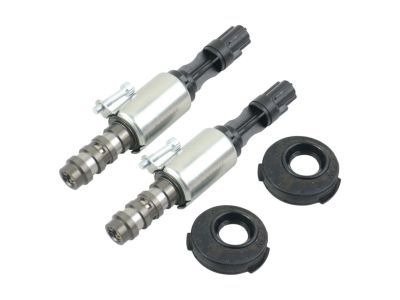
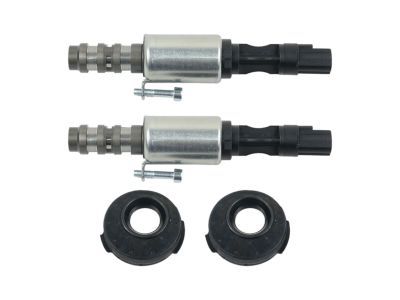
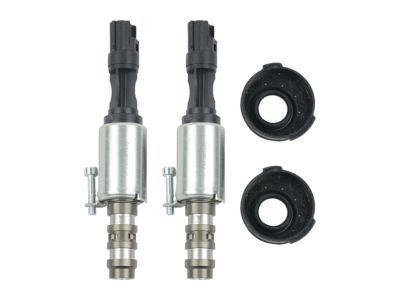
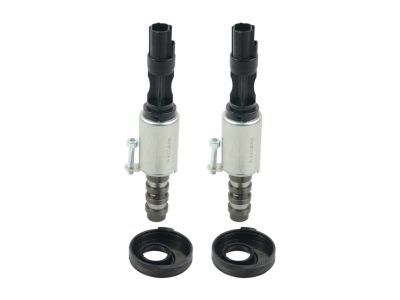
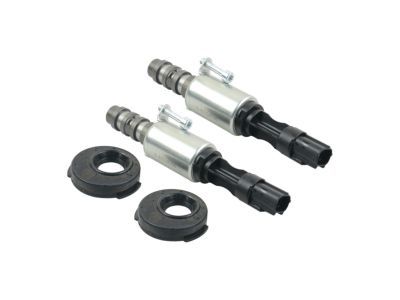
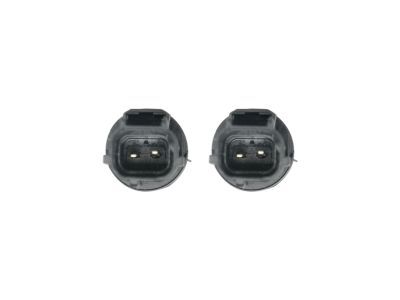
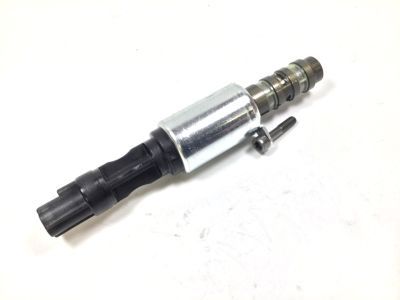
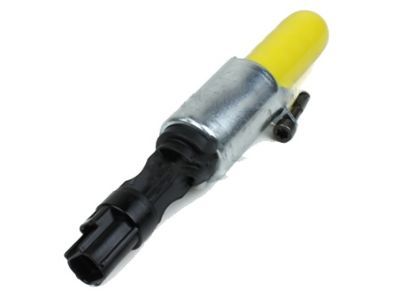
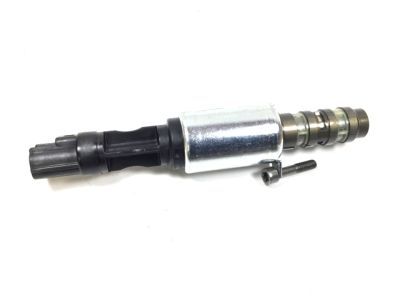
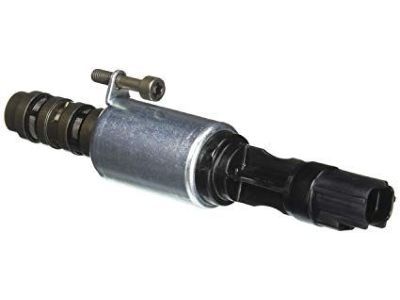
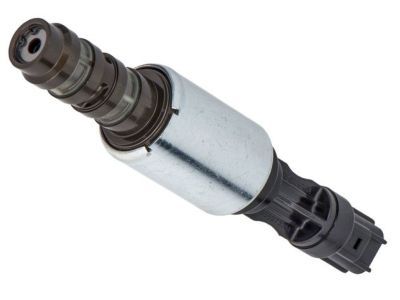
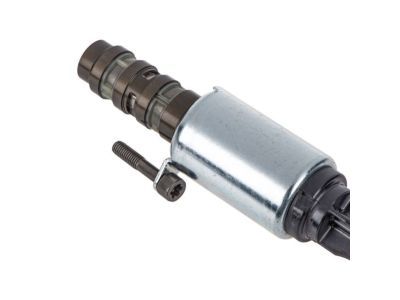
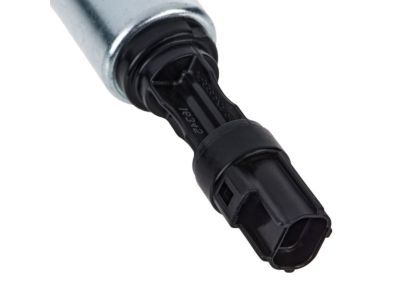
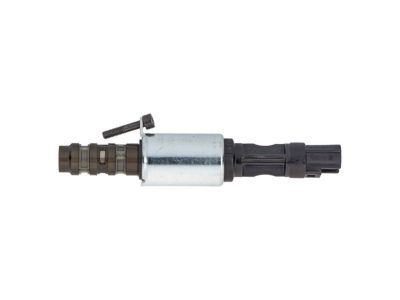
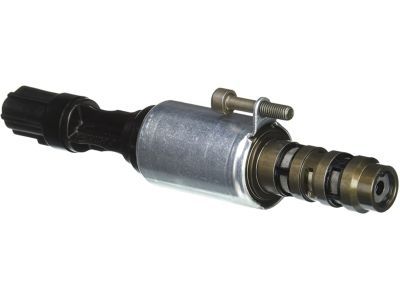
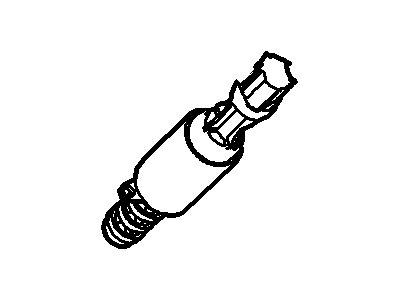
Ford Control Valve Solenoid Part Number: 8L3Z-6M280-B
$64.01 MSRP: $93.17You Save: $29.16 (32%)Product Specifications- Other Name: Solenoid - Engine Variable Timing; VVT Oil Control Valve; Camshaft Adjuster Magnet; Timing Solenoid.; Solenoid
- Replaces: 3L3Z-6M280-EA, 8L3Z-6M280-A
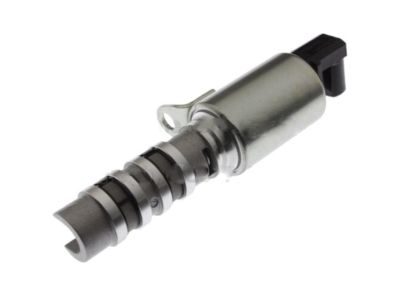
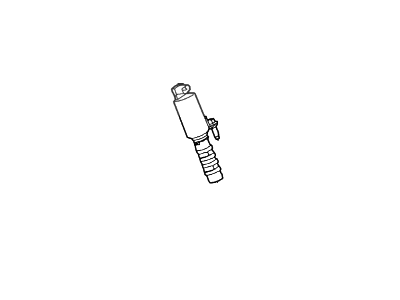
Ford Control Valve Solenoid Part Number: 7T4Z-6M280-D
Product Specifications- Other Name: Solenoid - Engine Variable Timing; VVT Oil Control Valve; Camshaft Adjuster Magnet; Timing Solenoid.
- Replaces: 7T4Z-6M280-FA
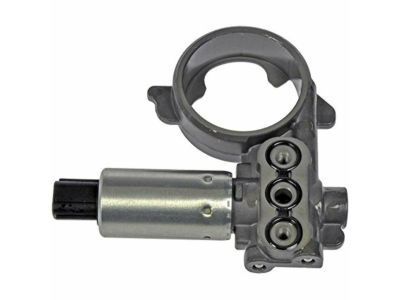
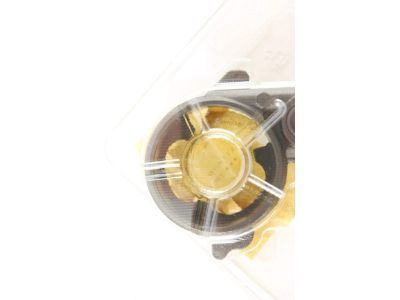
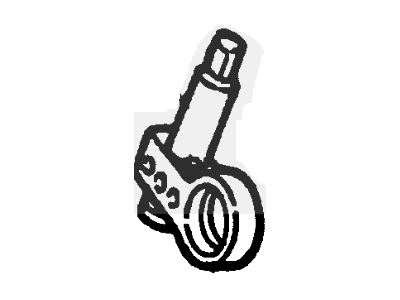
Ford Solenoid Valve Part Number: F8CZ-6L713-AA
Product Specifications- Other Name: Solenoid - Engine Variable Timing; VVT Oil Control Valve; Variable Valve Timing Solenoid.
- Manufacturer Note: Located on front of exhaust camshaft-Incl. 6M298 seal
| Page 1 of 2 |Next >
1-20 of 26 Results
Ford Spool Valve
If you own Ford and want to keep it in top shape, choosing OEM Spool Valve is a smart move. They are precisely engineered and follow strict factory standards. They are made in advanced facilities that use cutting edge technology. Each part goes through thorough testing to confirm strength and safety, so you can trust it. FordPartsDeal.com gives you genuine Ford Spool Valve at some of the affordable online prices without cutting quality. Every OEM Ford part includes the manufacturer's warranty, easy returns, and super-fast delivery. So why wait? Shop now and get your vehicle back to peak condition.
The Ford Spool Valve promptly directs hydraulic fluid to ensure that timing and shifting remain accurate to make engines react sharply and drive trains remain smooth. Since the time Henry Ford opened the factory in 1903, Ford has been pursuing innovation to make trustworthy cars using the moving assembly line to provide cars to all. The current cars have engines that are EcoBoost which combines turbo power and thrift, SYNC voice control to listen to music and have a route, and protect the occupants with Co-Pilot360 features, like automatic braking and lane keeping alert. The new all electric Ford F-150 Lightning demonstrates the way in which Ford can reduce the pollutants without reducing the capabilities, as it proves that the brand is still technology-oriented and customer-centered. A Spool Valve is a small hydraulic controller which directs pressurized fluid to the correct ports at the correct time to make sure systems like variable valve timing systems operate at their maximum efficiency. The installation of a Spool Valve should be done by disconnection of battery power and any trapped pressure and then find the existing valve house and peel off the covers and fasteners around it. Unscrew the old one, do not leave the bore dirty, and carefully oil new seals to slide without tearing. Install the new Spool Valve so that it fits the ports, slide it in installing it evenly by hand, and then torque the bolts to the required value in phases. Reconnect fluid lines, electrical plugs, fill up the circuit, bleed air, start the engine, and monitor leaks or warning lights, and repeat the checks during a small road test, to ensure the upgrade is safe.
Related Ford Parts
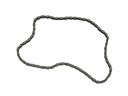 Ford Timing Chain
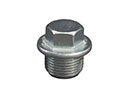 Ford Oil Drain Plug
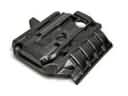 Ford Engine Cover
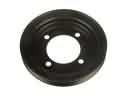 Ford Crankshaft Pulley
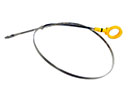 Ford Dipstick
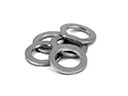 Ford Oil Drain Plug Gasket
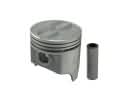 Ford Piston
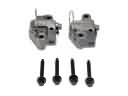 Ford Timing Chain Tensioner
 Ford Camshaft Seal
 Ford Engine Mount Torque Strut
 Ford Exhaust Valve
 Ford Oil Pan Baffle
Browse Ford Spool Valve by Models
Ranger Bronco Mustang Explorer Focus Fusion F-150 Maverick Escape Edge Expedition Fiesta Taurus Flex Transit Connect Bronco Sport Explorer Sport Trac EcoSport Escort C-Max Police Interceptor Utility Taurus X F-350 Super Duty Police Interceptor Sedan E-350 Super Duty F-250 Super Duty Special Service Police Sedan Transit-150 Transit-250 Transit-350 Transit-350 HD