FordParts
My Garage
My Account
Cart
OEM Ford Piston
Engine Pistons- Select Vehicle by Model
- Select Vehicle by VIN
Select Vehicle by Model
orMake
Model
Year
Select Vehicle by VIN
For the most accurate results, select vehicle by your VIN (Vehicle Identification Number).
223 Pistons found
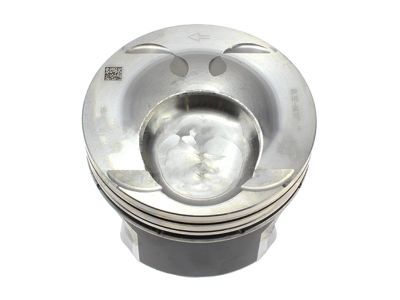
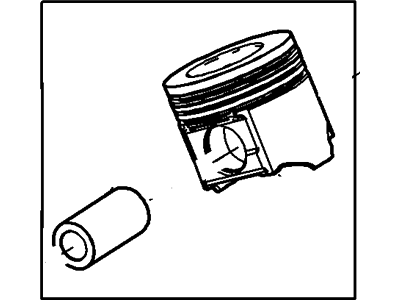
Ford Piston, Passenger Side Part Number: BL3Z-6108-H
$88.75 MSRP: $136.58You Save: $47.83 (36%)Product Specifications- Position: Passenger Side
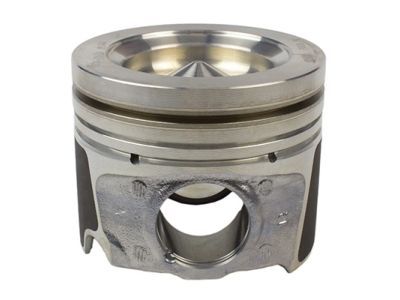
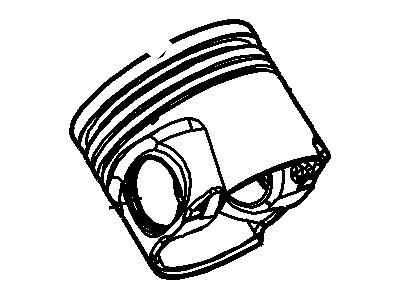
Ford Piston Part Number: BC3Z-6108-C
$158.76 MSRP: $245.00You Save: $86.24 (36%)Ships in 1-2 Business Days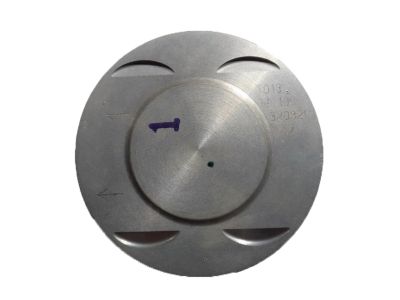
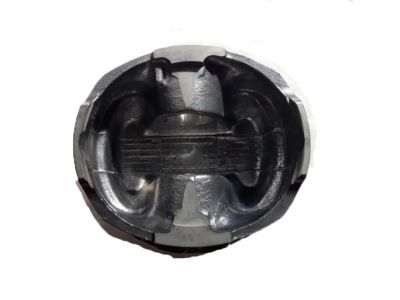
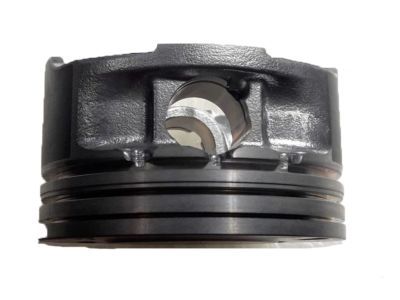
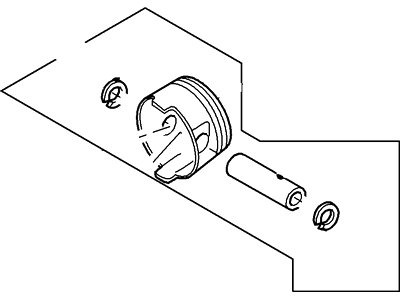
Ford Piston Part Number: 3W4Z-6108-A
$42.71 MSRP: $62.17You Save: $19.46 (32%)Ships in 1-3 Business DaysProduct Specifications- Other Name: Piston And Pin Assembly
- Replaces: XW4Z-6100-A
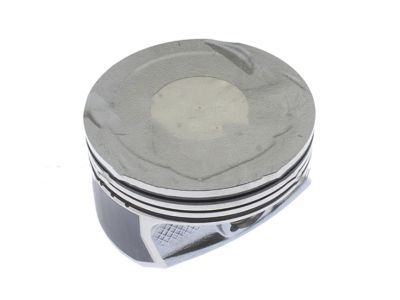
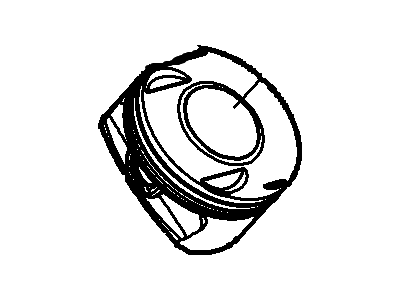
Ford Piston Part Number: AL3Z-6108-K
$47.30 MSRP: $67.67You Save: $20.37 (31%)Product Specifications- Replaces: AL3Z-6108-G, AL3Z-6108-A
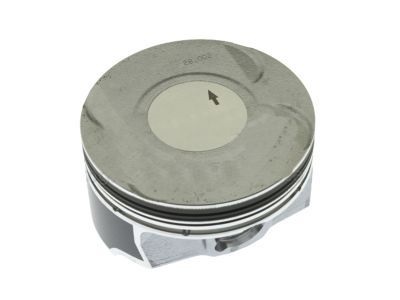
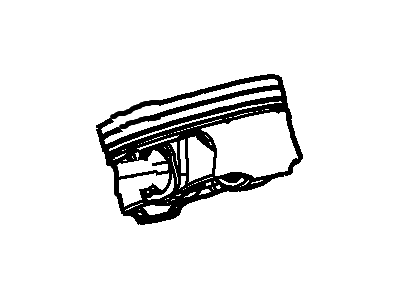
Ford Piston Part Number: BL3Z-6108-N
$68.39 MSRP: $99.55You Save: $31.16 (32%)Ships in 1-3 Business DaysProduct Specifications- Replaces: BL3Z-6108-C, BL3Z-6108-M
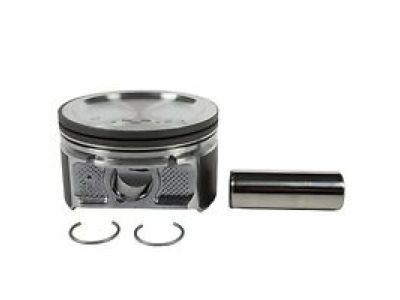
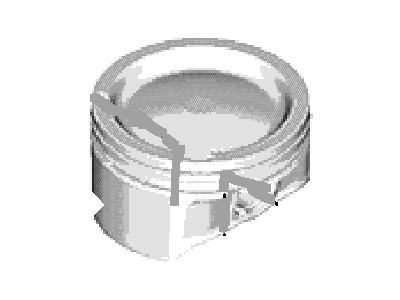
Ford Piston Part Number: 8E5Z-6108-AC
$78.89 MSRP: $114.83You Save: $35.94 (32%)Ships in 1-3 Business Days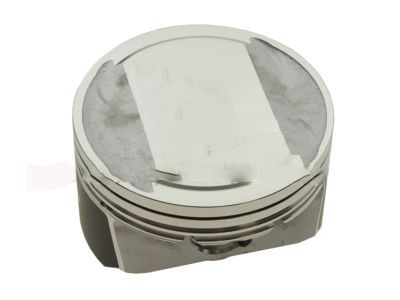
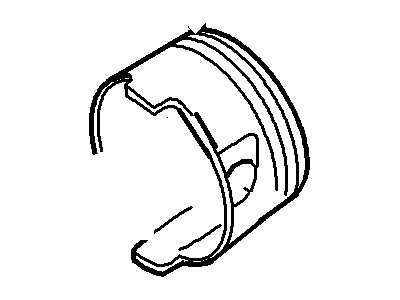
Ford Piston Part Number: BA5Z-6108-L
$79.22 MSRP: $115.32You Save: $36.10 (32%)Ships in 1-2 Business DaysProduct Specifications- Other Name: Caster Piston Set; Engine Piston Set
- Replaces: BA5Z-6108-A
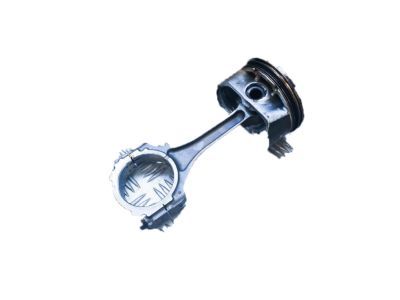
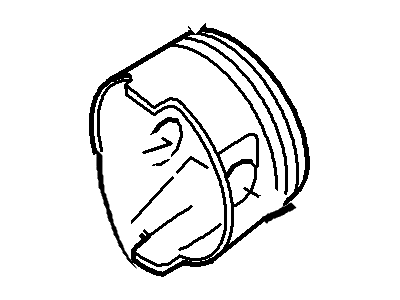
Ford Piston Part Number: BA5Z-6108-A
$79.22 MSRP: $115.32You Save: $36.10 (32%)Ships in 1-2 Business DaysProduct Specifications- Replaced by: BA5Z-6108-L
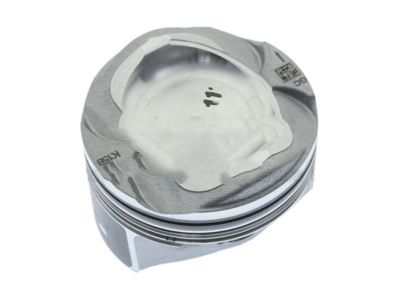
Ford Piston Part Number: DS7Z-6108-F
$219.06 MSRP: $321.67You Save: $102.61 (32%)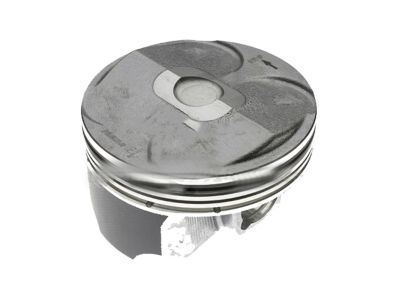
Ford Piston Part Number: JR3Z-6108-A
$95.22 MSRP: $138.60You Save: $43.38 (32%)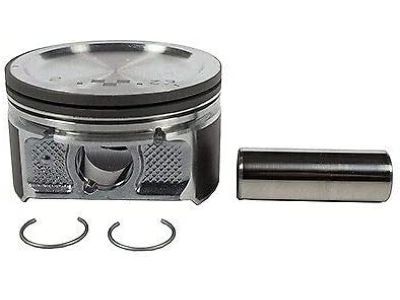
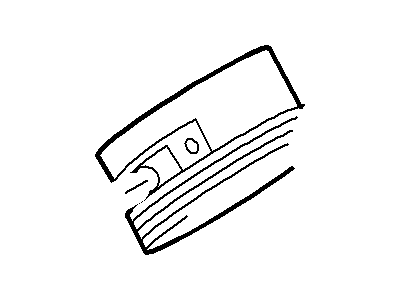
Ford Piston Part Number: 2L3Z-6108-AA
$112.85 MSRP: $164.27You Save: $51.42 (32%)Product Specifications- Other Name: Piston And Pin Assembly
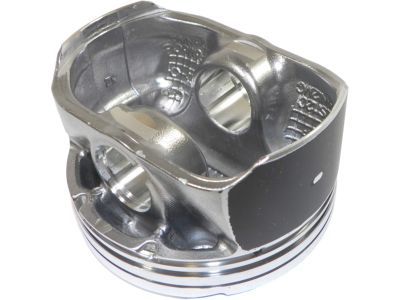
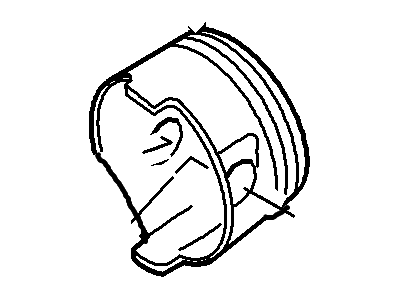
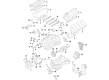
Ford Piston Part Number: AT4Z-6108-C
$117.13 MSRP: $170.50You Save: $53.37 (32%)Product Specifications- Replaces: AT4Z-6108-A
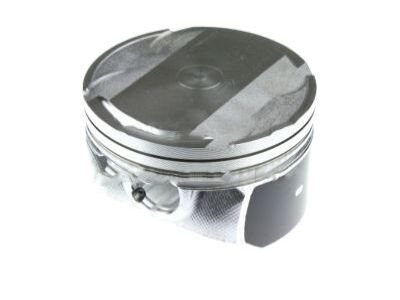
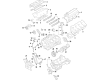
Ford Piston Part Number: AT4Z-6108-B
$117.13 MSRP: $170.50You Save: $53.37 (32%)Ships in 1-3 Business DaysProduct Specifications- Replaced by: AT4Z-6108-D
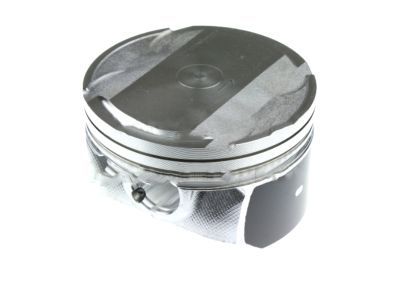
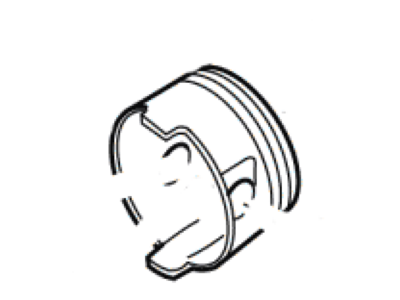
Ford Piston Part Number: AT4Z-6108-A
$117.13 MSRP: $170.50You Save: $53.37 (32%)Ships in 1-3 Business DaysProduct Specifications- Replaced by: AT4Z-6108-C
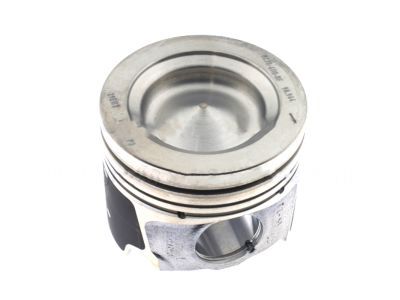
Ford Piston Part Number: BC3Z-6108-D
$143.13 MSRP: $208.33You Save: $65.20 (32%)Ships in 1 Business DayProduct Specifications- Other Name: Engine Piston
- Replaces: BC3Z-6108-A
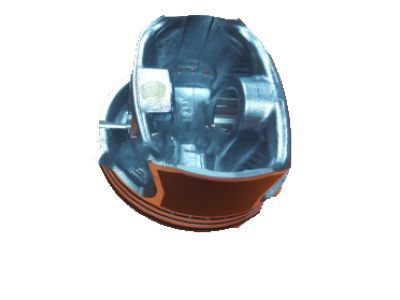
Ford Piston Part Number: AL3Z-6108-L
$128.47 MSRP: $187.00You Save: $58.53 (32%)Ships in 1-3 Business DaysProduct Specifications- Replaces: AL3Z-6108-H, AL3Z-6108-B
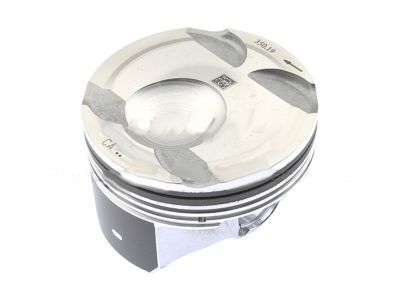
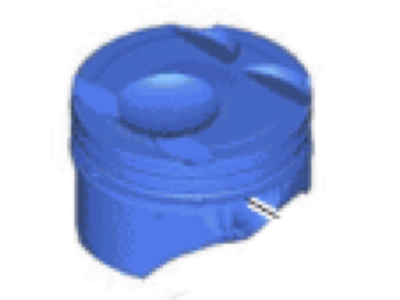
Ford Piston Part Number: FB5Z-6108-A
$134.77 MSRP: $196.17You Save: $61.40 (32%)
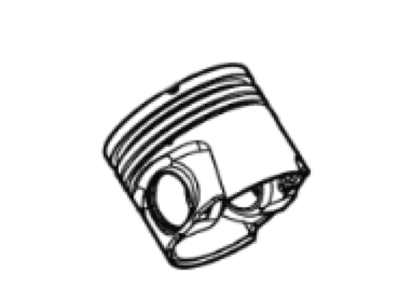
Ford Piston Part Number: HC3Z-6108-A
$163.74 MSRP: $238.33You Save: $74.59 (32%)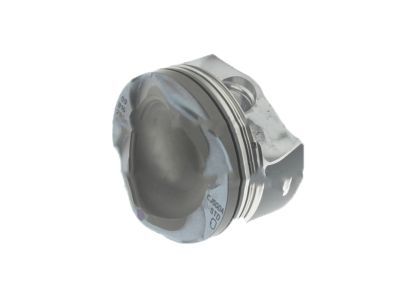
Ford Piston Part Number: CJ5Z-6108-A
$176.33 MSRP: $256.67You Save: $80.34 (32%)Product Specifications- Replaces: CJ5Z-6108-B
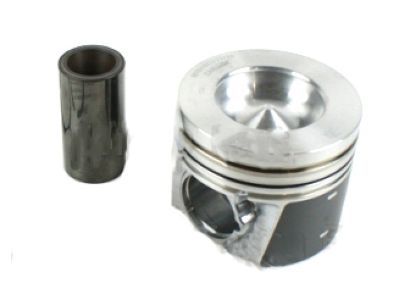
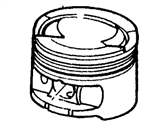
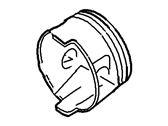
Ford Piston Part Number: 8C3Z-6108-EB
$203.81 MSRP: $296.67You Save: $92.86 (32%)Ships in 1 Business DayProduct Specifications- Other Name: Piston And Pin Assembly; Engine Piston
- Replaces: 8C3Z-6108-F, 8C3Z-6108-A
| Page 1 of 12 |Next >
1-20 of 223 Results
Ford Piston
If you own Ford and want to keep it in top shape, choosing OEM Piston is a smart move. They are precisely engineered and follow strict factory standards. They are made in advanced facilities that use cutting edge technology. Each part goes through thorough testing to confirm strength and safety, so you can trust it. FordPartsDeal.com gives you genuine Ford Piston at some of the affordable online prices without cutting quality. Every OEM Ford part includes the manufacturer's warranty, easy returns, and super-fast delivery. So why wait? Shop now and get your vehicle back to peak condition.
Ford Piston converts the violent energy into the smoothing crankshaft motion and provides reliable punch at minimum weight. In 1903, Ford started manufacturing and rewrites in 1913 using the endless moving assembly line. The brand is now advocating less fuel consumption in smart EcoBoost engines which combine turbo muscle with tight efficiency. Voice friendly SYNC allows playing with hands on the wheel and the playlists and maps respond without any hassles. Co-Pilot360 brakes automatically and with lane nudges to ensure that surprises remain minimal. Electric trucks such as the F-150 Lightning can show that Ford can forego coughing carbon into any neighborhood to haul hard. Innovation remains ordinary because Ford ties all the updates to the straightforward purpose of safer and smoother journeys. Piston is also universal in the lineup since Ford maintains bore size, heat resistant alloy aluminum and even shapes the skirt to slide along with less friction. Energy is directed directly to the crank without any wasted vibration. The Piston walls absorb the shock and remain hard to withstand even a thousand explosions every minute in order to maintain the acceleration sharp. Light weight allows Piston to go up and down quicker which eliminates lag and lets engines ascend to revs with less effort. Powerful ring lands seal combustion to enable Piston to transform all flash of fuel into straight line shove which drivers actually feel.
Ford Piston Parts and Q&A
- Q:What steps should be taken to inspect and clean piston/connecting rod assemblies before reassembly on Ford Focus?A:In order to subject the assemblies to the inspection process, the piston/connecting rod assemblies have to be washed down and the original piston rings have to be taken out of the pistons. With the help of a piston ring removal tool, take out the rings from the pistons while exerting a lot of care so as not to damage the rubber rings and to note down on each of them to facilitate the job of identifying while reconstructing the engines. In cases where the removal tool cannot be used then it is also possible to remove the ring by hand and feeler gauges may also be used. Carefully remove all the carbon deposits on the top of the piston by using the handheld wire brush or fine emery paper but abstinence the use of drill-mounted wire brush since it will cause erode the piston material. To clean piston ring grooves, first turn the cylinder upside down and using a piston ring groove-cleaning tool, clean the carbon scrapings off the ring grooves and remember not to take out the metal and or cause the grooves to break. When cleaning, use solvent to wash the piston/rod assemblies and blow the same with compressed air; making sure that the oil return holes of the piston/rod assemblies are clear. If the pistons and cylinder walls are not badly eroded and the cylinder block/crankcase is not rebored then new pistons may not be required. Check each of the piston for any cracks, scoring, scuffing, holes and burnt areas in it because this indicates that has over heated and its combustion. This/check shows that the cooler and luber systems require a thorough check. The type of corrosion nearly manifests as pinhole leaks indicates leakage of the coolant and must be fixed to avoid a reoccurrence. Twist the piston and the rod and if there is excessive play, this indicate that correctives are needed to have the correct amount of piston-to-rod clearance. The piston/connecting rod assemblies should be put to an engine reconditioning specialist for further examination, and probable replacement of some parts. Never try to remove pistons from the connecting rods as this can only bedone by the use of piston separating tools. Last, examine the connecting rods for cracks or different kinds of damages; if possible pull the bearing caps and check the rods for nick or scratch; replace the old bearings and fasten the caps.
- Q:What steps should be taken to inspect and prepare piston/connecting rod assemblies before reassembly on 2000-2011 Ford Ranger?A:The only way the inspection process can take place successfully is if the PF/sometimes with con-rods requires cleaning and the removal of the factory fitted piston rings accompanied by the fitting of new rings each time. Carefully take out the rings from the pistons using a piston ring installation tool without scratching on them. Clean off all the carbon from the top of the piston with a handheld wire brush or fine emery paper the use of a wire brush mounted motor erodes the piston material which is soft. A piston ring groove cleaning tool should be used to clean carbon deposits on the ring grooves or a piece detached from a previous ring should do, ensure you do not harm the grooves. When you have done this, use solvent to clean the piston/rod assemblies and blow dry with compressed air and make sure that the oil return holes are free. If the pistons and cylinder walls are not damaged or excessively worn out and the engine block not rebored for a new bore, new pistons may not be required though new piston rings should always be fit when a rebuil Critical areas to look at every single piston are cracks, scores, scuffs, holes, and burn areas, as these might show signs of overheating and or abnormal combustion, so the cooling and lubrijoint systems must then be checked carefully. Small pitting corrosion indicate leakage of coolant which, should not be repeated in the future. The piston ring side clearance should be checked with a feeler gauge, compared to the standard, and should be measured at different locations, the correct ring to be used has to fit each groove, if the clearance is too large new pistons may be needed. Inspect the piston-to-bore size by measuring the bore size and the piston size and doing a calculation for the clearance size; if it is large do rebore the block and fit new pistons and rings. Twist the piston and rod in opposite directions: there should be some distinct play indicative of wear to be addressed by seating, and a new pin, very likely at an automotive machine shop. If pistons must be withdraw from the connecting rods get them to a machine shop for checking for bend and twist. Before replacing the bearings and tightening the caps inspect the connecting rods for cracks and damage by removing the rod caps and old bearing insert, clean the surface of the rods in order to check if there are nicks or scratch. In case of reinstruction caused by connecting rod knock, new rods should be fitted.
Related Ford Parts
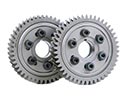 Ford Cam Gear
 Ford Dipstick Tube
 Ford Engine Mount
 Ford Oil Pan Gasket
 Ford Crankshaft Gear
 Ford Engine Mount Bracket
 Ford Exhaust Valve
 Ford Intake Valve
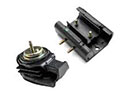 Ford Motor And Transmission Mount
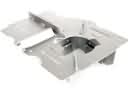 Ford Oil Pan Baffle
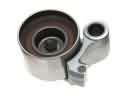 Ford Timing Belt Idler Pulley
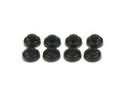 Ford Valve Stem Seal
Browse Ford Piston by Models
Ranger Bronco Mustang Explorer Focus Fusion F-150 Maverick Escape Edge Excursion Expedition Fiesta Taurus Thunderbird Flex Transit Connect Bronco Sport Explorer Sport Trac Crown Victoria Probe EcoSport Escort F-250 Aerostar C-Max Contour E-150 Econoline Explorer Sport F-350 Freestar Police Interceptor Utility Tempo Windstar F-350 Super Duty Police Interceptor Sedan E-150 E-150 Econoline Club Wagon E-250 E-250 Econoline E-250 Econoline Club Wagon E-350 Econoline E-350 Econoline Club Wagon E-350 Super Duty F-150 Heritage F-250 HD F-250 Super Duty Special Service Police Sedan Transit-150 Transit-250 Transit-350 Transit-350 HD