FordParts
My Garage
My Account
Cart
OEM Mercury Grand Marquis Rack And Pinion
Steering Gear- Select Vehicle by Model
- Select Vehicle by VIN
Select Vehicle by Model
orMake
Model
Year
Select Vehicle by VIN
For the most accurate results, select vehicle by your VIN (Vehicle Identification Number).
11 Rack And Pinions found
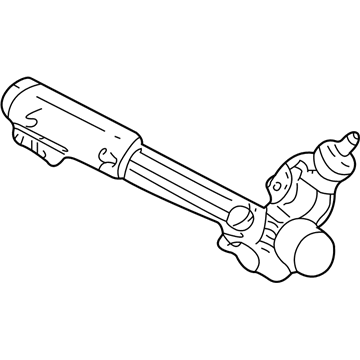
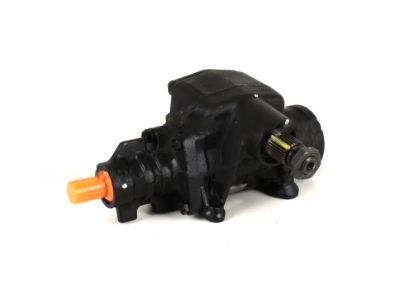
Mercury Grand Marquis Steering Gear Part Number: 3W1Z-3504-FARM
$438.83 MSRP: $718.18You Save: $279.35 (39%)Ships in 1-2 Business Days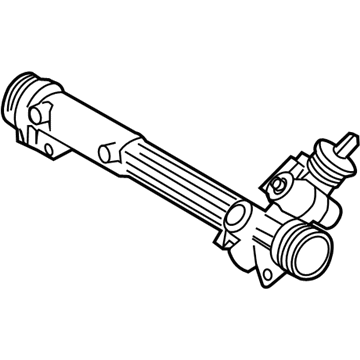
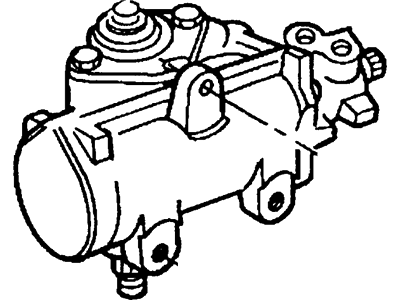
Mercury Grand Marquis Steering Gear Part Number: 8W7Z-3504-ARM
$461.87 MSRP: $758.18You Save: $296.31 (40%)Ships in 1-3 Business Days
Mercury Grand Marquis Sector Shaft, Front Part Number: F6AZ-3575-AA
$192.11 MSRP: $265.77You Save: $73.66 (28%)Ships in 1-2 Business Days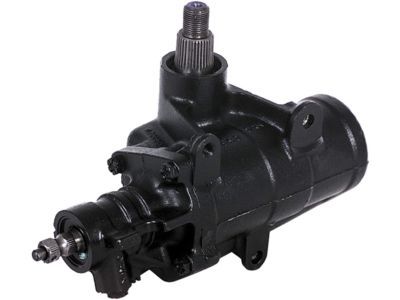
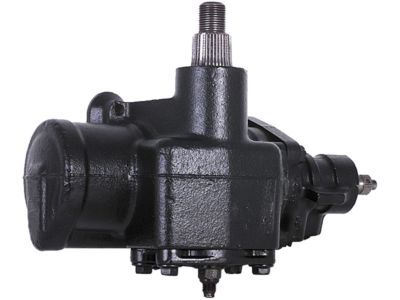
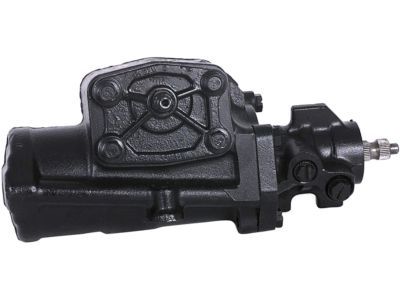
Mercury Grand Marquis Steering Gear Part Number: F7AZ-3504-FDRM
Mercury Grand Marquis Idle Speed Control Part Number: EOAZ-3575-A
Mercury Grand Marquis Steering Gear Part Number: F8AZ-3504-ACRM
$251.72 MSRP: $398.18You Save: $146.46 (37%)Mercury Grand Marquis Steering Gear Part Number: 7W1Z-3504-ARM
$384.34 MSRP: $607.27You Save: $222.93 (37%)Mercury Grand Marquis Steering Gear Part Number: 7W1Z-3504-BRM
$453.58 MSRP: $718.18You Save: $264.60 (37%)Mercury Grand Marquis Steering Gear Part Number: 8W7Z-3504-BRM
$478.55 MSRP: $758.18You Save: $279.63 (37%)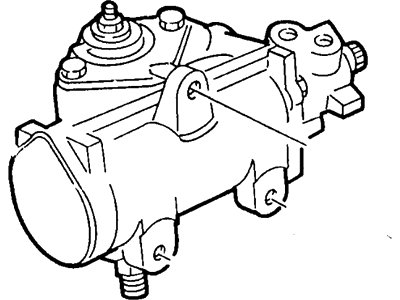
Mercury Grand Marquis Steering Gear Part Number: F8AZ-3504-BCRM
Mercury Grand Marquis Steering Gear Part Number: F7AZ-3504-ECRM
Mercury Grand Marquis Rack And Pinion
OEM Rack And Pinion boasts unmatched quality. Each part goes through full quality checks. They adhere to Mercury's official factory standards. These steps remove flaws and inconsistencies. So you can get Rack And Pinion with long life and a perfect fit. Come to our website and find genuine Mercury Grand Marquis parts. We keep a wide inventory of OEM Grand Marquis parts at the highly affordable prices. It's easy to search, compare, and pick what you need. You'll love the clear info and simple checkout. We offer top-rated customer service, and we reply fast. We also ship promptly to ensure your order arrives on time.
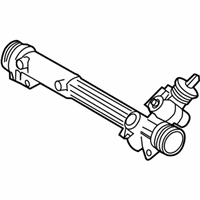
The Rack And Pinion on Mercury Grand Marquis cars is a very important part of the car which converts the rotational movement of the steering wheel into the lateral movement of the front wheels. This mechanism works with a pinion and rack system in which the pinion transmits force through a metal tube on the rack gear offering control on the direction to be steered. A majority of Mercury Grand Marquis models apply a power-assisted rack and pinion; this system applies a hydraulic support to improve the steering effort. This system uses a pressurised fluid triggering by means of a rotary valve and the degree of help as determined by motion of the steering wheel. As for the efficiency, straight gears are normally employed although helical gears might be used at the same times, having some disadvantages as for example wear. In the long run, some of these problems include leaking of fluids, wearing of gears, or damage of seals thus causing problem in the Rack And Pinion like stiffness of the steering or mere wandering. It is important that the steering system be taken for maintenance and other automobile service after a given period to enable it to do its premier and last longer.
Mercury Grand Marquis Rack And Pinion Parts and Q&A
- Q:What Precautions Should Be Taken Before Beginning Service on the Rack and Pinion Steering Gear on Mercury Grand Marquis?A:All rack and pinion maintenance work should start with powering off the Air Suspension electrical system to stop unpredictable pressure changes in the air springs because they may make the vehicle move unexpectedly during service. The service switch for air suspension should be set to the off position while deactivating the fire suppression system if it applies to the vehicle. Maintain vehicular neutral while hoisting the vehicle as you apply a proper holding device to secure the straight-ahead steering wheel position. Allowing rotation of the intermediate shaft without rack and pinion connection could damage the Clock Spring, so inspection and re-alignment of the clock spring will be necessary in case of shaft rotation. Detach the intermediate shaft from the rack and pinion by removing the bolt inside the engine compartment, then re-tighten the bolt to 30 Nm when reinstalling. Installation requires tightness of 80 Nm (59 ft. lbs.) when securing the Tie Rods to their respective wheel knuckles. The procedure for disconnecting rack and pinion lines requires fresh O-ring seals since removal of the clamp plate bolt allows access to disconnect the lines; discard existing seals before tightening new ones properly to 18 Nm (13 ft. lbs). A disconnect of the variable assist electrical connector must be performed on the rack and pinion followed by removal of rack and pinion-to-crossmember nuts which need to be tightened to 103 Nm (76 ft. lbs.) during installation. Install the rack and pinion along with its studs by securing them with a torque of 20 Nm (15 ft. lbs.) when complete. Perform the reinstallation steps while checking for leaks within the system after completion. When the vehicle contains fire suppression, the system needs repowering, then the air suspension service switch can be activated if present.
Related Mercury Grand Marquis Parts
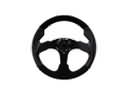 Mercury Grand Marquis Steering Wheel
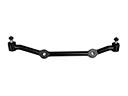 Mercury Grand Marquis Center Link
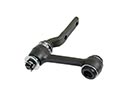 Mercury Grand Marquis Idler Arm
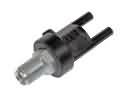 Mercury Grand Marquis Power Steering Control Valve
 Mercury Grand Marquis Power Steering Hose
 Mercury Grand Marquis Power Steering Pump
 Mercury Grand Marquis Power Steering Reservoir
 Mercury Grand Marquis Steering Column
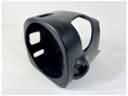 Mercury Grand Marquis Steering Column Cover
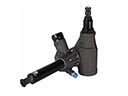 Mercury Grand Marquis Steering Gear Box
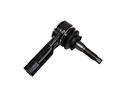 Mercury Grand Marquis Tie Rod
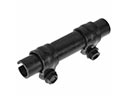 Mercury Grand Marquis Tie Rod Adjusting Sleeve