FordParts
My Garage
My Account
Cart
OEM Mercury Mountaineer Fuel Rail
Engine Fuel Rail- Select Vehicle by Model
- Select Vehicle by VIN
Select Vehicle by Model
orMake
Model
Year
Select Vehicle by VIN
For the most accurate results, select vehicle by your VIN (Vehicle Identification Number).
7 Fuel Rails found
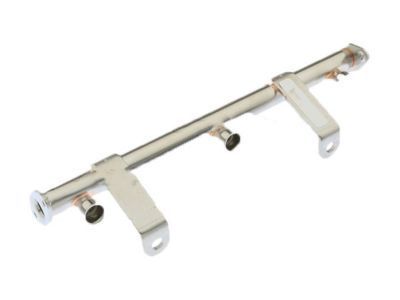
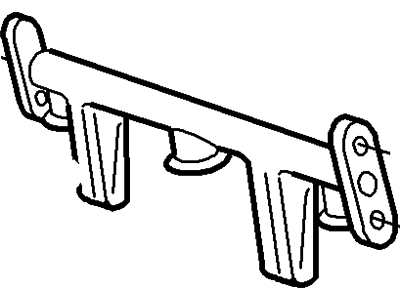
Mercury Mountaineer Fuel Rail Part Number: 1L2Z-9D280-ED
$207.25 MSRP: $332.00You Save: $124.75 (38%)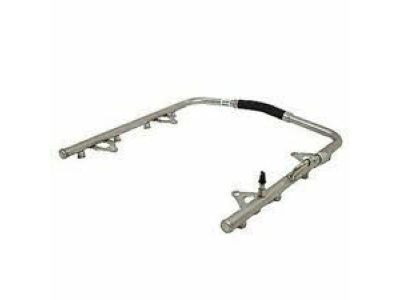
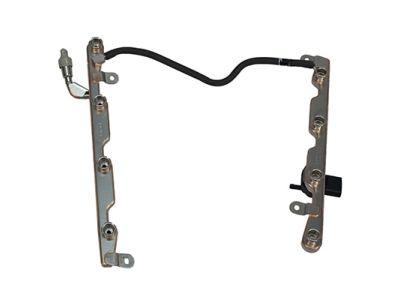
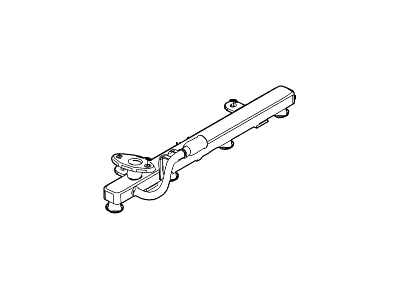
Mercury Mountaineer Fuel Rail Part Number: 7L2Z-9F792-A
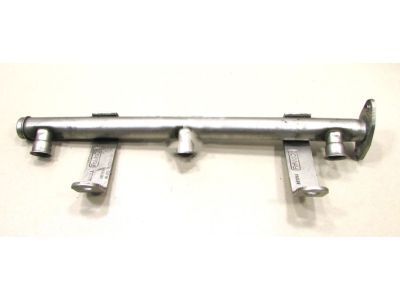
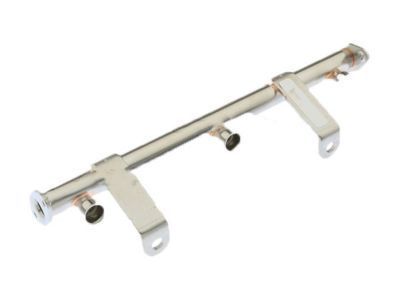
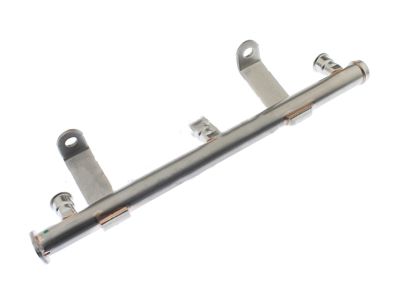
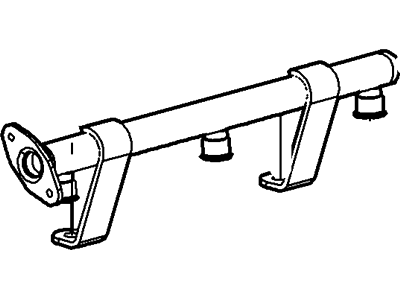
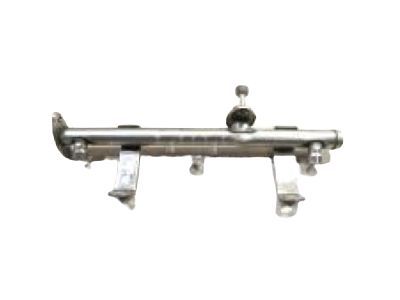
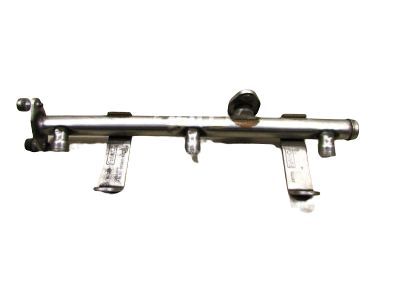
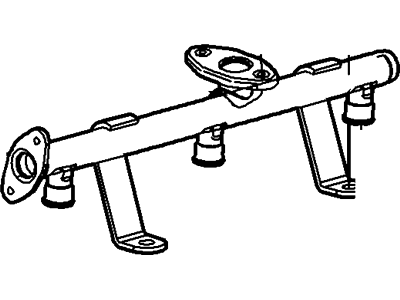
Mercury Mountaineer Fuel Rail Part Number: 6L2Z-9D280-A
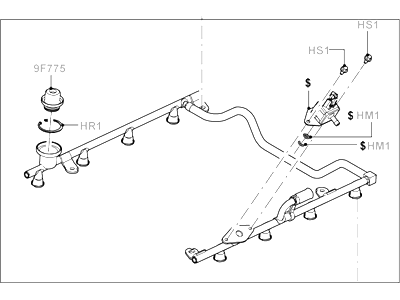
Mercury Mountaineer Fuel Rail Part Number: 4L2Z-9F792-EA
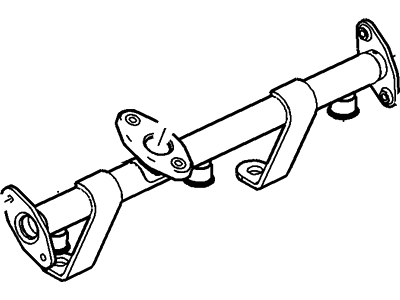
Mercury Mountaineer Fuel Rail Part Number: 4L2Z-9D280-A
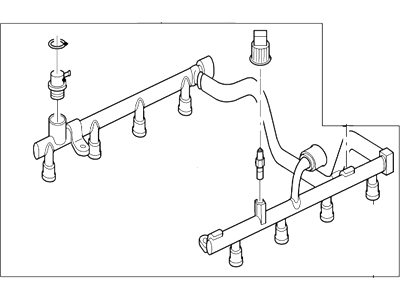
Mercury Mountaineer Fuel Rail Part Number: 1L2Z-9F792-AG
Mercury Mountaineer Fuel Rail
OEM Fuel Rail boasts unmatched quality. Each part goes through full quality checks. They adhere to Mercury's official factory standards. These steps remove flaws and inconsistencies. So you can get Fuel Rail with long life and a perfect fit. Come to our website and find genuine Mercury Mountaineer parts. We keep a wide inventory of OEM Mountaineer parts at the highly affordable prices. It's easy to search, compare, and pick what you need. You'll love the clear info and simple checkout. We offer top-rated customer service, and we reply fast. We also ship promptly to ensure your order arrives on time.
The Mercury Mountaineer Fuel Rail stands as a fundamental device because it delivers pumped fuel during uncompromising performance standards to Mountaineer models across various production series. Due to this system fuel atomization during combustion happens better which results in excellent fuel efficiency combined with more effective emissions control. Different fuel injection types have been implemented in Mercury Mountaineer vehicles including Throttle Body Injection (TBI), Port Fuel Injection and Gasoline Direct Injection (GDI) as these achievement the overall optimal performance from the Fuel Rail system. The TBI system represents transitional technology through its individual installation yet Port Fuel Injection gives precise fuel supply from the Fuel Rail based on engine requirements. GDI stands as the present-day breakthrough in automotive technology that delivers high-pressure fuel directly to the combustion chamber to boost operational results. Modern manufacturing of the Mercury Mountaineer Fuel Rail has focused on engine performance optimization which marks the Fuel Rail as a market-leading automotive component. Its wide model compatibility helps Mercury drivers secure both better safety and efficiency which demonstrates the brand's dedication to delivering excellent quality. The Mercury Mountaineer Fuel Rail combines reliable construction with advanced technology features which make it an integral driving component for both enthusiastic and everyday users.
Mercury Mountaineer Fuel Rail Parts and Q&A
- Q:What are the crucial safety precautions to follow when servicing the fuel rail on Mercury Mountaineer?A:The fuel rail requires mandatory safety measures because of its flammable mixtures so never use smoking or fire nearby and always eliminate fuel system pressure before removing fuel tubes. Perform all work on the evaporative emission system together with all fuel-related components after disconnecting the battery ground cable. The fuel rail requires careful handling to prevent any kind of damage when used as an object for leverage. Your repair process requires covering all liquid and vapor fuel entry points from contamination with protective materials which need removal before component installation. The process starts with emptying fuel system pressure then undoing the Battery Cable and undoing the spring lock coupling connection. After extracting the intake manifold, proceed to unscrew the fuel supply tube bracket bolt then reassemble it with 8 Nm (71 lb-in) torque. Remove the electrical connections for the six Fuel Injector units and for both fuel pressure and temperature sensor components together with their vacuum and electrical connections. The correct torque using a torque wrench must be 23 Nm (17 lb-ft) when reinstalling the fuel rail and its attached injectors through the four bolts. Remove each fuel injector unit along with its specific O-ring seals since these fuel-resistant components need to be thrown out; standard O-ring seals will break down when exposed to fuel thus leading to leakage problems. Reinstall the fuel injector O-ring seals by applying engine oil to them before following the reversal steps for insertion.
Related Mercury Mountaineer Parts
 Mercury Mountaineer Gas Cap
 Mercury Mountaineer Intake Manifold
 Mercury Mountaineer Air Intake Coupling
 Mercury Mountaineer Fuel Filler Hose
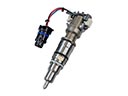 Mercury Mountaineer Fuel Injector
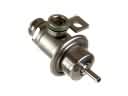 Mercury Mountaineer Fuel Pressure Regulator
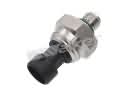 Mercury Mountaineer Fuel Pressure Sensor
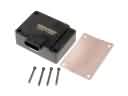 Mercury Mountaineer Fuel Pump Driver Module
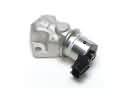 Mercury Mountaineer Idle Control Valve
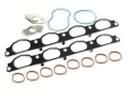 Mercury Mountaineer Intake Manifold Gasket
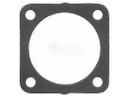 Mercury Mountaineer Throttle Body Gasket
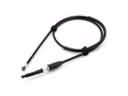 Mercury Mountaineer Throttle Cable