FordParts
My Garage
My Account
Cart
OEM Mercury Transmission Fluid Temperature Sensor
Transmission Oil Temperature Sensor- Select Vehicle by Model
- Select Vehicle by VIN
Select Vehicle by Model
orMake
Model
Year
Select Vehicle by VIN
For the most accurate results, select vehicle by your VIN (Vehicle Identification Number).
1 Transmission Fluid Temperature Sensor found
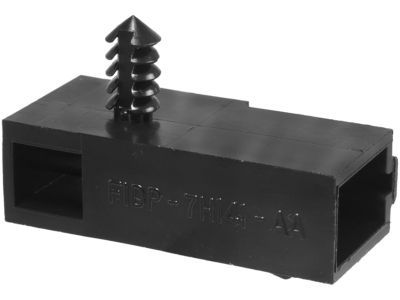
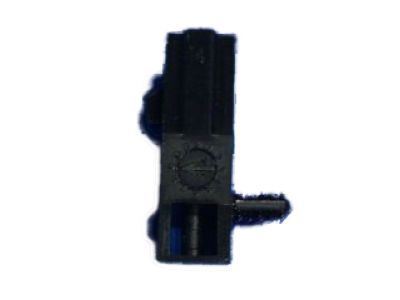
Mercury Temperature Sensor Part Number: F1DZ-7H141-A
$21.07 MSRP: $33.45You Save: $12.38 (38%)Ships in 1-2 Business DaysProduct Specifications- Other Name: Sensor - Transmission Fluid Temperature; Sensor - Transmission Fluid Temperature - TFT
Mercury Transmission Fluid Temperature Sensor
If you own Mercury and want to keep it in top shape, choosing OEM Transmission Fluid Temperature Sensor is a smart move. They are precisely engineered and follow strict factory standards. They are made in advanced facilities that use cutting edge technology. Each part goes through thorough testing to confirm strength and safety, so you can trust it. FordPartsDeal.com gives you genuine Mercury Transmission Fluid Temperature Sensor at some of the affordable online prices without cutting quality. Every OEM Mercury part includes the manufacturer's warranty, easy returns, and super-fast delivery. So why wait? Shop now and get your vehicle back to peak condition.
The Mercury Transmission Fluid Temperature Sensor is a small thermistor that samples hot ATF and relays data to the control unit in order to protect the gears. The Mercury automobile first became available in 1938, carving out a niche that combined sharp styling with softer rides for family-oriented long-haul cruising. Classic models like the Cougar and Grand Marquis were full-size cars that featured roomy interiors equipped with thicker sound-deadening materials. Further, the suspension systems of these models were calibrated to smooth out potholes rather than amplify them. Consumers praised quiet cabins, easy-to-operate controls and mild steering feel, which was comfortable and wallet-friendly. Over the years, Mercury made little tweaks and upgrades to the car, such as better seat shapes and sound-deadening glass, alluding that a mid-priced car could be highly furnished. The ability to work on the Mercury drivetrain is facilitated by a cooling scheme with easy access ports for the Transmission Fluid Temperature Sensor and labeled wiring to allow for service right in your driveway. To exchange a tired Mercury unit, first disconnect the negative battery cable. Next, slide underneath and find the sensor on the transmission pan. Put a drain tray, crack the plug and allow one quart to drip out to prevent a red shower. Detach the connector and use a deep socket to rotate out the sensor, then peel away the old seal. Carefully clean the port, thread in the new Transmission Fluid Temperature Sensor by hand and snug it to spec with a torque wrench. Snap back the connector, top up fluid to the mark and run the car while checking for leaks. A short road test will conclude the procedure, confirming smooth shifting and steady reading of the Transmission Fluid Temperature Sensor.
Related Mercury Parts
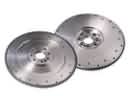 Mercury Flywheel
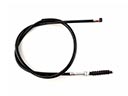 Mercury Clutch Cable
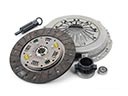 Mercury Clutch Disc
 Mercury Clutch Hydraulic Lines
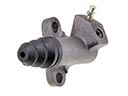 Mercury Clutch Slave Cylinder
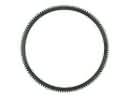 Mercury Flywheel Ring Gear
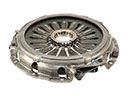 Mercury Pressure Plate
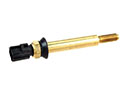 Mercury Temperature Sender
 Mercury Torque Converter
 Mercury Transfer Case
 Mercury Transmission Drain Plug
 Mercury Transmission Pan