FordParts
My Garage
My Account
Cart
OEM Ford Air Intake Hose
Engine Air Intake Hoses- Select Vehicle by Model
- Select Vehicle by VIN
Select Vehicle by Model
orMake
Model
Year
Select Vehicle by VIN
For the most accurate results, select vehicle by your VIN (Vehicle Identification Number).
91 Air Intake Hoses found
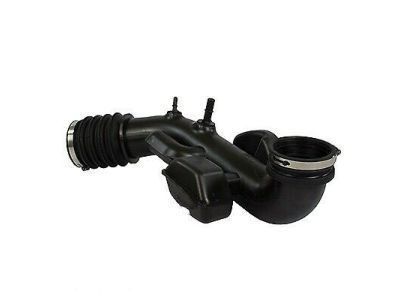
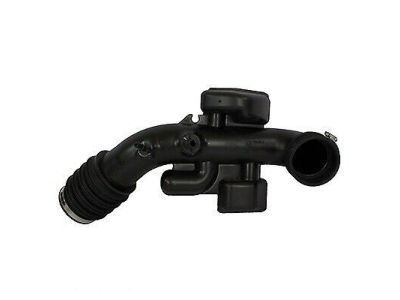
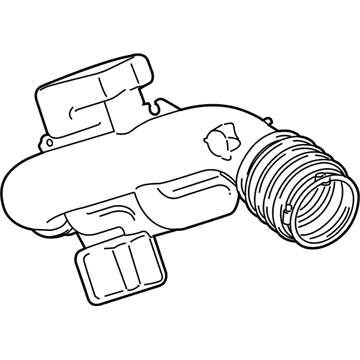
Ford Intake Tube Part Number: JL3Z-9B659-B
$162.59 MSRP: $236.67You Save: $74.08 (32%)Ships in 1-2 Business DaysProduct Specifications- Other Name: Hose - Air; Engine Air Intake Hose
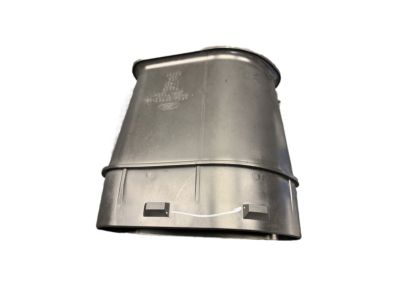
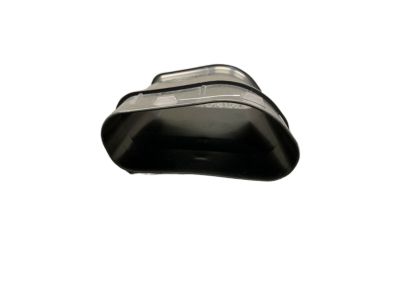
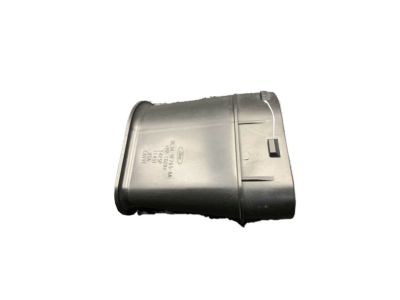
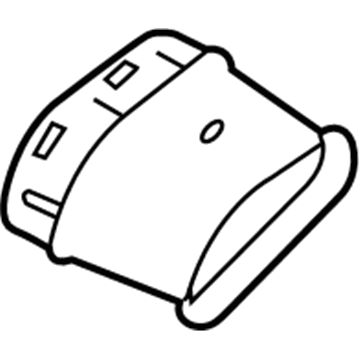
Ford Intake Tube, Front Lower Part Number: BC3Z-9F721-A
$13.40 MSRP: $21.09You Save: $7.69 (37%)Ships in 1-3 Business DaysProduct Specifications- Other Name: Tube Assembly; Engine Air Intake Hose, Front Lower
- Position: Front Lower
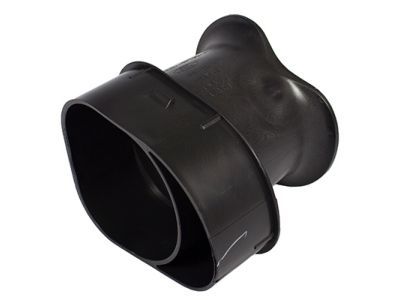
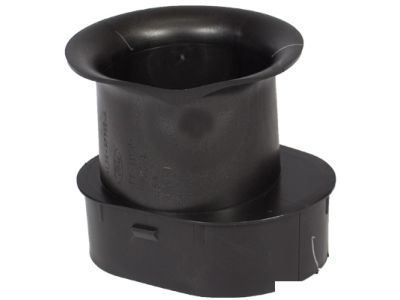
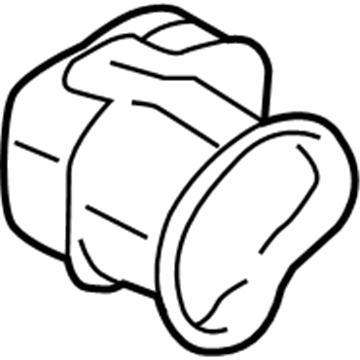
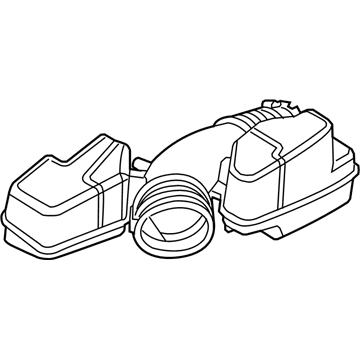
Ford Intake Tube Part Number: AL3Z-9F721-A
$12.15 MSRP: $18.80You Save: $6.65 (36%)Ships in 1-2 Business DaysProduct Specifications- Other Name: Tube Assembly; Engine Air Intake Hose; Intake Coupling; Inlet Tube; Air Intake Hose
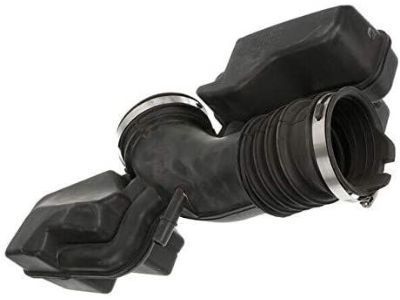
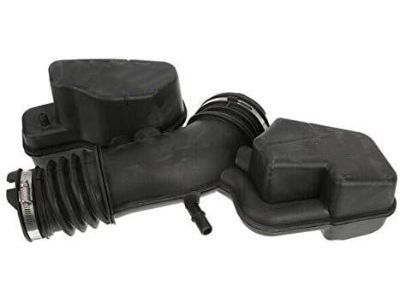
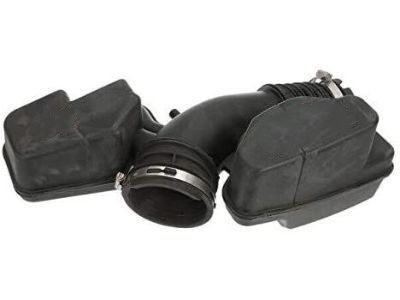
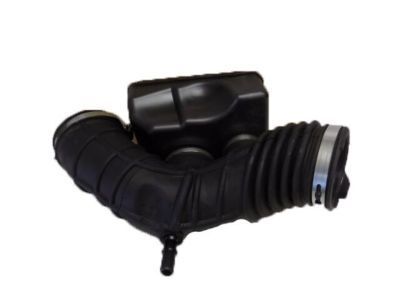
Ford Air Hose Part Number: BB5Z-9B659-D
$98.24 MSRP: $143.00You Save: $44.76 (32%)Ships in 1-2 Business DaysProduct Specifications- Other Name: Hose - Air; Engine Air Intake Hose; Intake Coupling; Air Inlet; Air Intake Hose
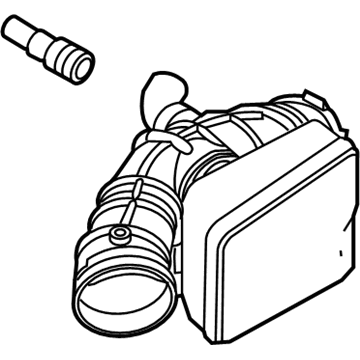
Ford Air Hose, Front Part Number: 9G1Z-9B659-A
$90.21 MSRP: $138.83You Save: $48.62 (36%)Ships in 1-2 Business DaysProduct Specifications- Other Name: Hose - Air; Engine Air Intake Hose, Front; Intake Coupling; Air Duct; Air Intake Hose
- Position: Front
- Replaces: 8G1Z-9B659-A
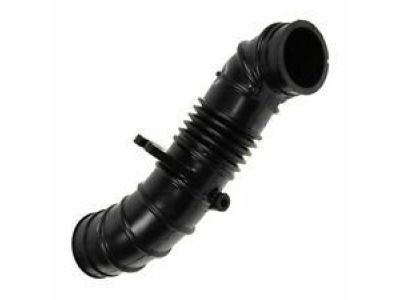
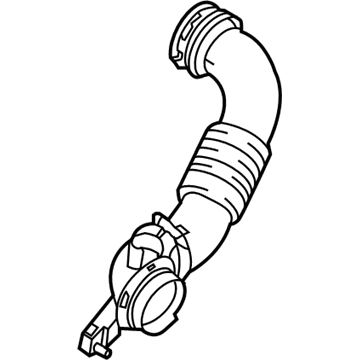
Ford Air Hose Part Number: F1FZ-9C623-A
$107.22 MSRP: $165.00You Save: $57.78 (36%)Ships in 1-3 Business DaysProduct Specifications- Other Name: Hose - Air; Engine Air Intake Hose; Intake Coupling; Air Intake Hose
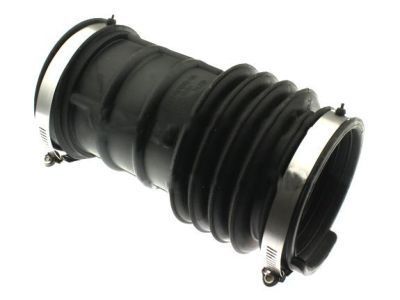
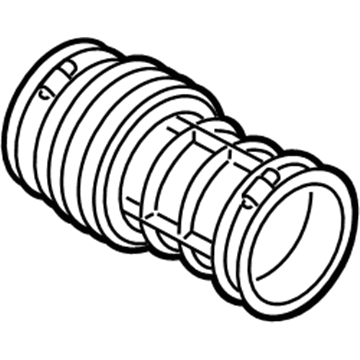
Ford Air Hose, Upper Part Number: DA8Z-9B659-D
$49.63 MSRP: $71.00You Save: $21.37 (31%)Ships in 1-2 Business DaysProduct Specifications- Other Name: Hose - Air; Engine Air Intake Hose, Upper; Intake Coupling; Intake Tube; Upper Duct; Air Intake Hose
- Position: Upper
- Replaces: AA5Z-9B659-A
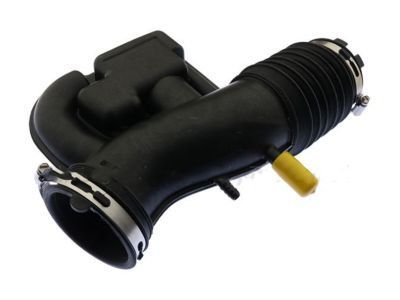
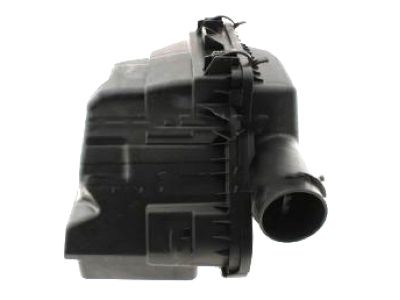
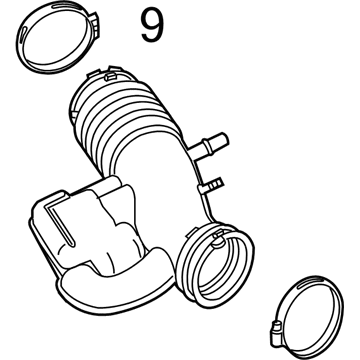
Ford Air Hose, Front Driver Side Part Number: BR3Z-9B659-C
$96.60 MSRP: $140.62You Save: $44.02 (32%)Product Specifications- Other Name: Hose - Air; Engine Air Intake Hose, Front Left; Intake Coupling; Air Intake Hose
- Position: Front Driver Side
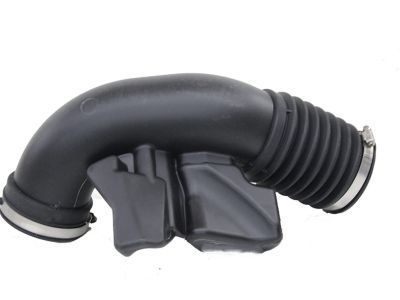
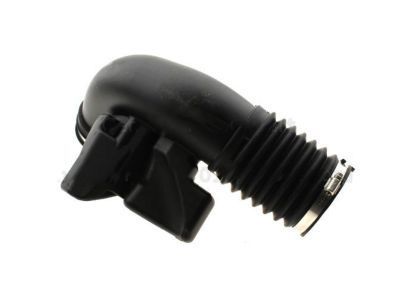
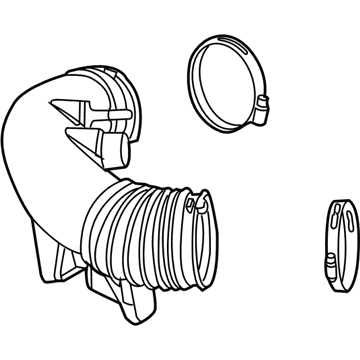
Ford Air Hose, Front Driver Side Part Number: BR3Z-9B659-F
$105.17 MSRP: $153.08You Save: $47.91 (32%)Ships in 1-3 Business DaysProduct Specifications- Other Name: Hose - Air; Engine Air Intake Hose, Front Left; Intake Coupling; Air Intake Hose
- Position: Front Driver Side
- Replaces: BR3Z-9B659-D
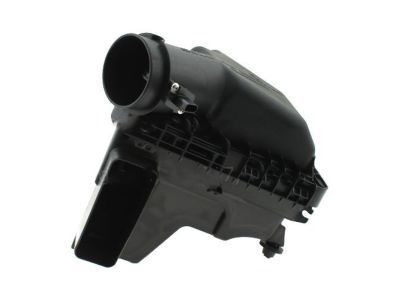
Ford Air Hose, Front Driver Side Part Number: BR3Z-9B659-E
$107.81 MSRP: $156.93You Save: $49.12 (32%)Ships in 1-3 Business DaysProduct Specifications- Other Name: Hose - Air; Engine Air Intake Hose, Front Left; Intake Coupling; Air Intake Hose
- Position: Front Driver Side
- Replaces: BR3Z-9B659-B
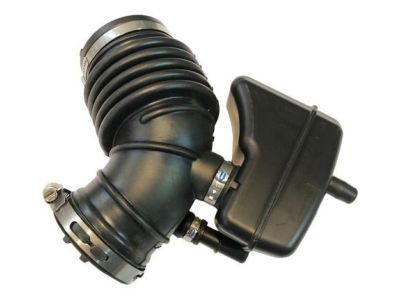
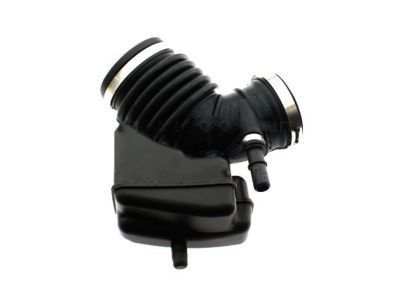
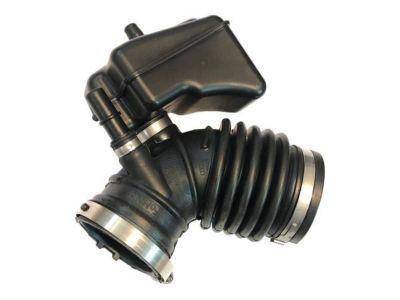
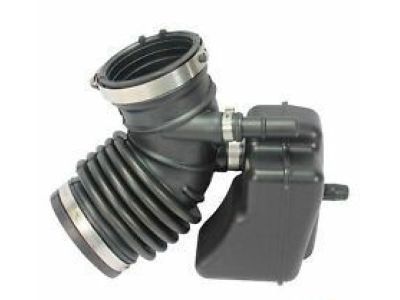
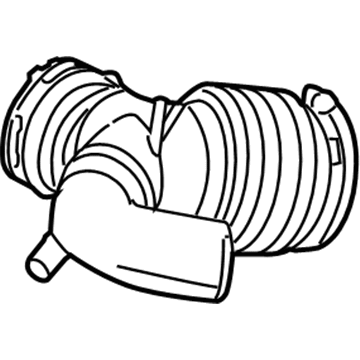
Ford Outlet Hose Part Number: AE5Z-9B659-G
$113.58 MSRP: $165.33You Save: $51.75 (32%)Ships in 1-2 Business DaysProduct Specifications- Other Name: Hose - Air; Engine Air Intake Hose
- Replaces: AE5Z-9B659-E
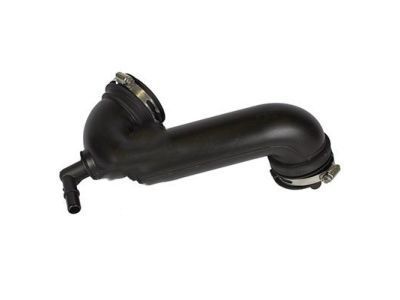
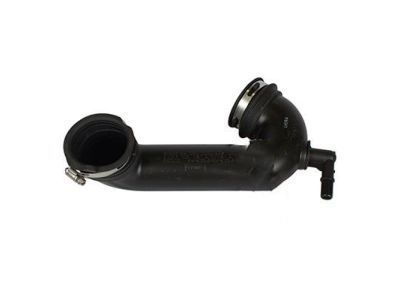
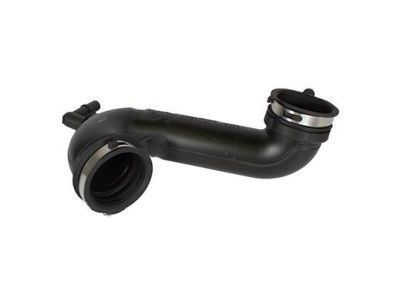
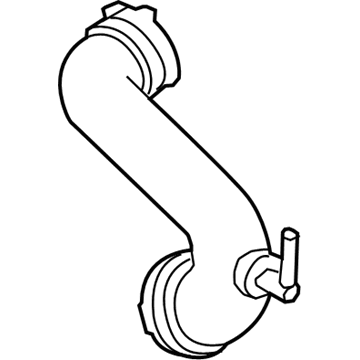
Ford Inlet Hose Part Number: DG9Z-9B659-A
$147.71 MSRP: $215.00You Save: $67.29 (32%)Ships in 1-3 Business DaysProduct Specifications- Other Name: Hose - Air; Engine Air Intake Hose; Intake Coupling; Air Inlet Hose; Air Intake Hose
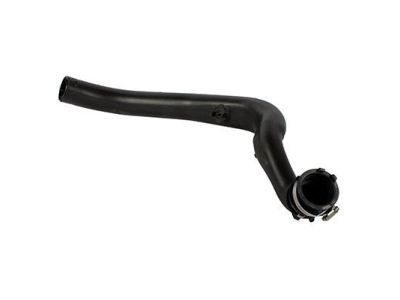
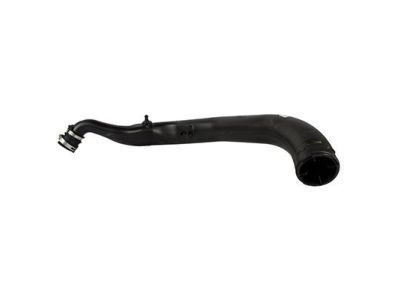
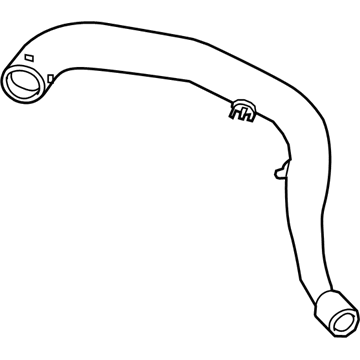
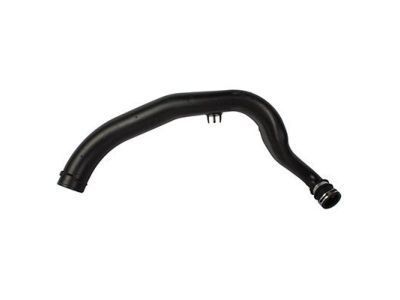
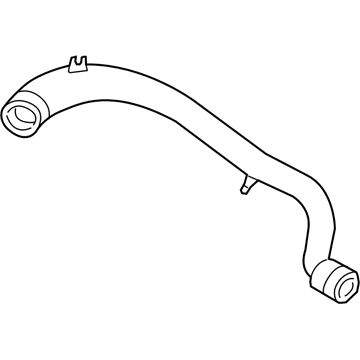
Ford Intake Tube Part Number: FL3Z-9R530-C
$88.62 MSRP: $129.00You Save: $40.38 (32%)Ships in 1-2 Business DaysProduct Specifications- Other Name: Hose Assembly; Turbocharger Inlet Hose
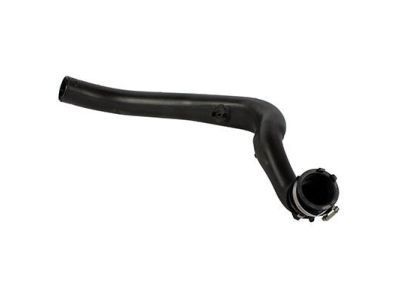
Ford Intake Tube Part Number: FL3Z-9R530-A
$121.42 MSRP: $176.73You Save: $55.31 (32%)Ships in 1-2 Business DaysProduct Specifications- Other Name: Hose Assembly; Turbocharger Inlet Hose
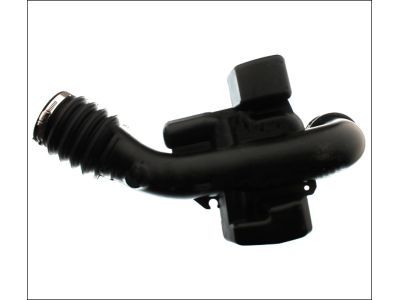
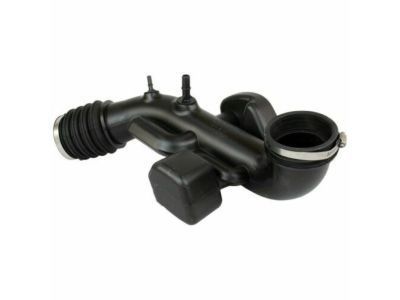
Ford Intake Tube Part Number: FL3Z-9B659-B
$94.58 MSRP: $137.67You Save: $43.09 (32%)Ships in 1-2 Business DaysProduct Specifications- Other Name: Hose - Air; Engine Air Intake Hose
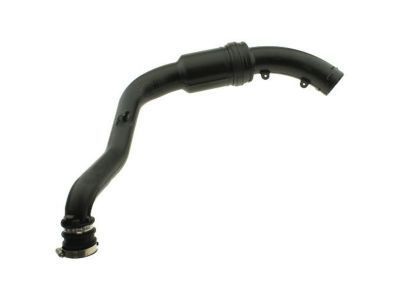
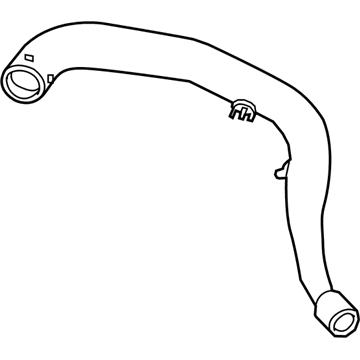
Ford Intake Tube Part Number: HL3Z-9R530-A
$207.71 MSRP: $305.00You Save: $97.29 (32%)Ships in 1-3 Business DaysProduct Specifications- Other Name: Hose Assembly; Turbocharger Inlet Hose; Engine Air Intake Hose
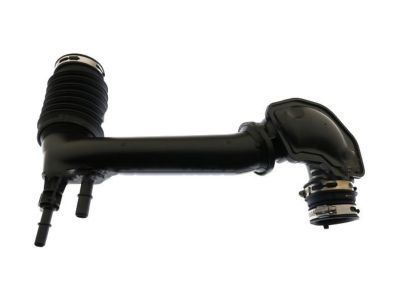
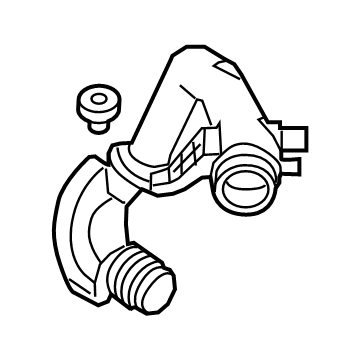
Ford Air Hose, Rear Part Number: GD9Z-9R530-A
$223.60 MSRP: $328.33You Save: $104.73 (32%)Ships in 1-3 Business DaysProduct Specifications- Other Name: Hose Assembly; Engine Air Intake Hose, Rear; Intake Coupling; Air Duct; Inlet Tube; Duct; Air Intake Hose
- Position: Rear
- Replaces: F2GZ-9R530-A
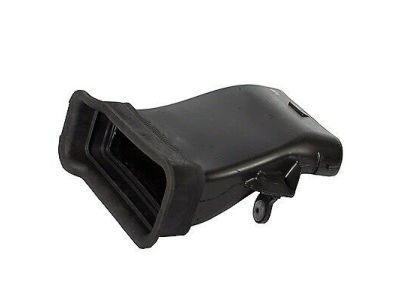
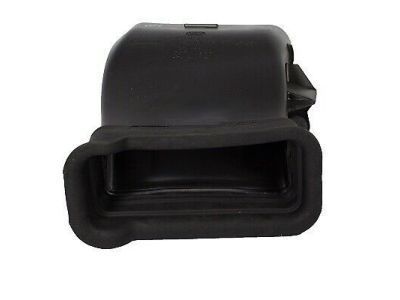
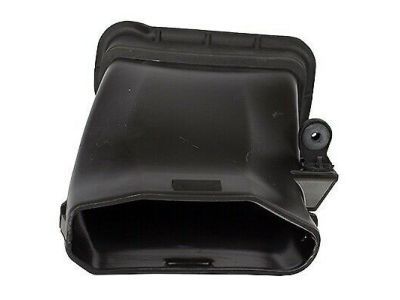
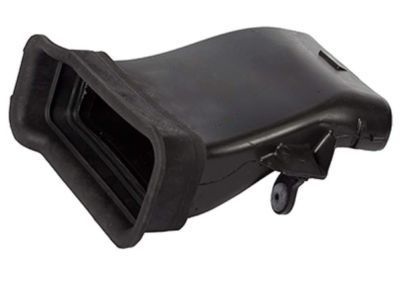
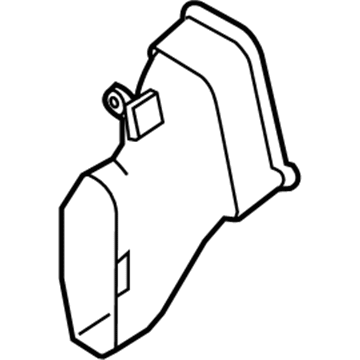
Ford Intake Tube, Front Part Number: AR3Z-9A624-A
$39.09 MSRP: $55.92You Save: $16.83 (31%)Ships in 1-3 Business DaysProduct Specifications- Other Name: Tube Assembly; Engine Air Intake Hose, Front; Intake Duct
- Position: Front
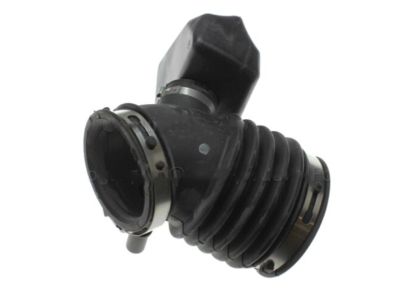
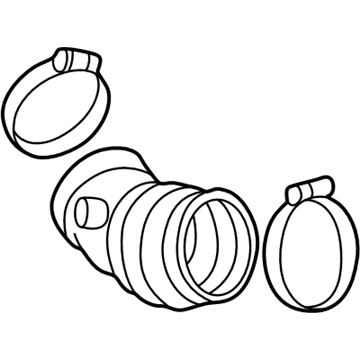
Ford Outlet Tube Part Number: 5L8Z-9B659-BA
$42.93 MSRP: $61.42You Save: $18.49 (31%)Ships in 1-3 Business DaysProduct Specifications- Other Name: Hose - Air; Engine Air Intake Hose; Intake Coupling; Air Intake Hose
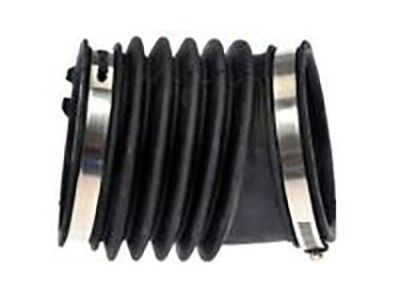
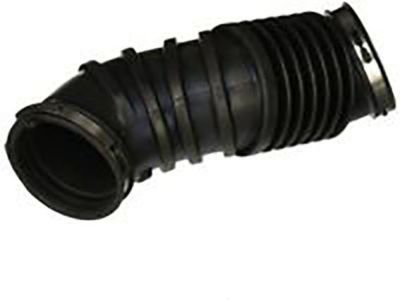
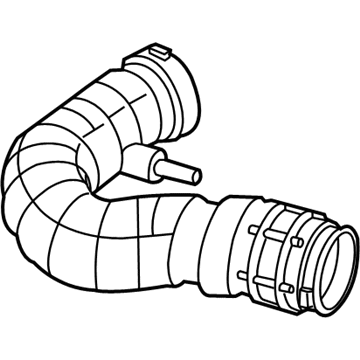
Ford Air Inlet Hose, Front Part Number: 4R3Z-9B659-AA
$119.08 MSRP: $173.33You Save: $54.25 (32%)Product Specifications- Other Name: Hose - Air; Engine Air Intake Hose, Front
- Position: Front
| Page 1 of 5 |Next >
1-20 of 91 Results
Ford Air Intake Hose
If you own Ford and want to keep it in top shape, choosing OEM Air Intake Hose is a smart move. They are precisely engineered and follow strict factory standards. They are made in advanced facilities that use cutting edge technology. Each part goes through thorough testing to confirm strength and safety, so you can trust it. FordPartsDeal.com gives you genuine Ford Air Intake Hose at some of the affordable online prices without cutting quality. Every OEM Ford part includes the manufacturer's warranty, easy returns, and super-fast delivery. So why wait? Shop now and get your vehicle back to peak condition.
Ford Air Intake Hose is the flexible duct that channels cool filtered air into the throttle body, sealing the intake path and making sure the engine breathes clean. Ford has inspired many car making innovations ever since it started the moving assembly line in 1903 that reduced build time and cost. Present-day Ford automobiles employ EcoBoost engines. These engines extract turbo punch from small blocks. Thus, drivers can launch fast and yet sip fuel. SYNC allows users to easily update a song request and change the route without taking their eyes off the road. The Co-Pilot360 system is equipped with radar and cameras that make steering or braking adjustments when required. The F-150 Lightning proves the brand can tow tough and still head off the driveway without a puff of carbon. An Air Intake Hose sends a stream of cool air into your car's engine to prevent overheating, ensuring that all the parts and sensors read perfectly. Replacing the hose takes basic tools and 10 minutes; even a tinkerer can keep a Ford buzzing along. To start with, you will pop the hood of your Ford, unscrew the clamps on both sides of the Air Intake Hose, and disconnect the sensor plug or vacuum lines. Detach the old tube. Clean any grit from the smooth surface of the throttle neck and airbox lip. Verify the length so that the new Air Intake Hose will fit without any twist. Attach the fresh tube, align the ports, click the sensors back on, evenly snug the clamps until they bite, check for any kinks, then fire up the engine and listen for any hiss, as it means a leak.
Related Ford Parts
 Ford Fuse Box
 Ford Throttle Position Sensor
 Ford Relay
 Ford Ignition Control Module
 Ford Instrument Cluster
 Ford Neutral Safety Switch
 Ford Spark Plug
 Ford Windshield Wiper Switch
 Ford Knock Sensor
 Ford Oil Pressure Gauge
 Ford Air Duct
 Ford Temperature Sender
Browse Ford Air Intake Hose by Models
Ranger Bronco Mustang Explorer Focus Fusion F-150 Maverick Escape Edge Excursion Expedition Taurus Thunderbird Flex Transit Connect Bronco Sport Explorer Sport Trac Crown Victoria Bronco II EcoSport F-250 C-Max Contour F-350 Five Hundred Freestyle Police Interceptor Utility Taurus X Windstar F-350 Super Duty Police Interceptor Sedan E-250 Econoline Club Wagon E-350 Econoline E-350 Econoline Club Wagon F-150 Heritage F-250 Super Duty Police Responder Hybrid SSV Plug-In Hybrid Transit-150 Transit-250 Transit-350 Transit-350 HD