FordParts
My Garage
My Account
Cart
OEM Ford Ranger Clutch Disc
Friction Disc- Select Vehicle by Model
- Select Vehicle by VIN
Select Vehicle by Model
orMake
Model
Year
Select Vehicle by VIN
For the most accurate results, select vehicle by your VIN (Vehicle Identification Number).
13 Clutch Discs found
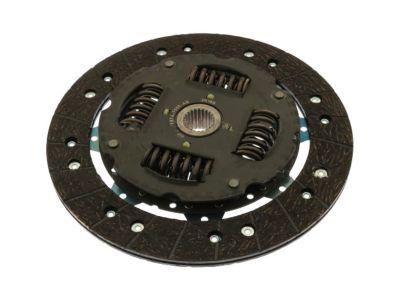
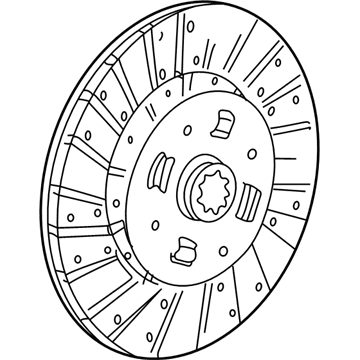
Ford Ranger Disc Part Number: F87Z-7550-AA
$95.55 MSRP: $130.03You Save: $34.48 (27%)Ships in 1-2 Business Days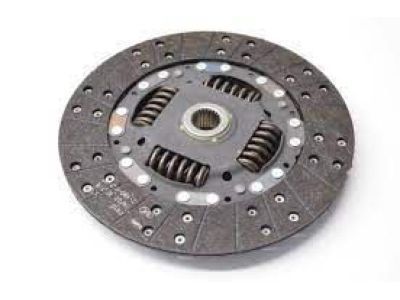
Ford Ranger Disc Part Number: 7L5Z-7550-A
$128.61 MSRP: $177.92You Save: $49.31 (28%)Ships in 1-2 Business Days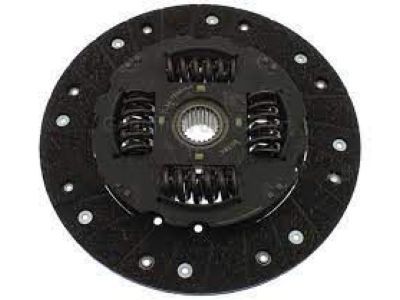
Ford Ranger Disc Part Number: 7L5Z-7550-B
$136.03 MSRP: $182.77You Save: $46.74 (26%)Ships in 1-3 Business Days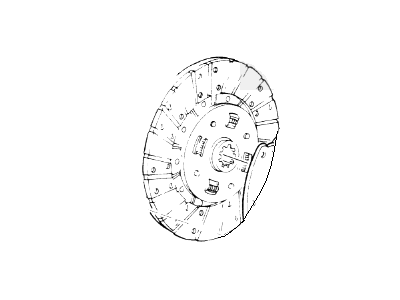
Ford Ranger Disc Part Number: F67Z-7550-HA
$148.07 MSRP: $201.29You Save: $53.22 (27%)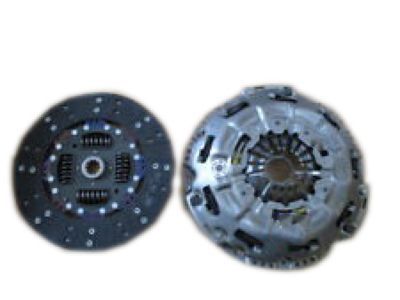
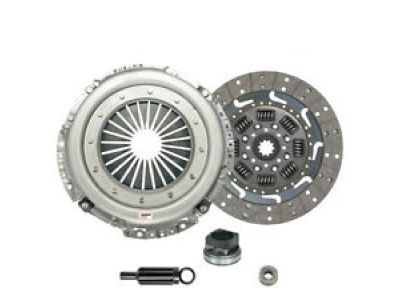
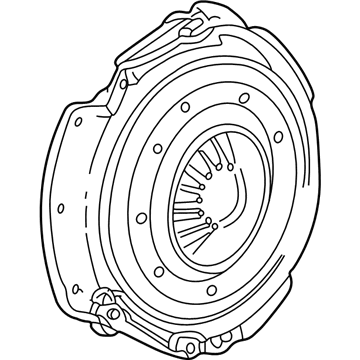
Ford Ranger Pressure Plate Part Number: YL5Z-7563-AA
Ford Ranger Disc Part Number: F67Z-7550-JA
Ford Ranger Disc Part Number: F67Z-7550-GA
Ford Ranger Disc Part Number: F3TZ-7550-B
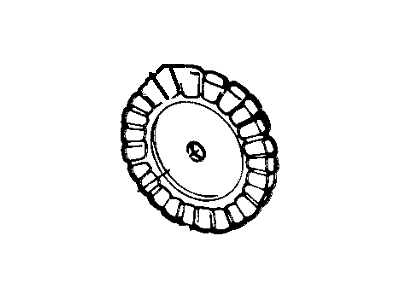

Ford Ranger Disc Part Number: F1TZ-7550-B
Ford Ranger Pressure Plate Part Number: E9TZ-7563-A
Ford Ranger Front Pipe Assembly Part Number: E8TZ-7550-B
Ford Ranger Disc Part Number: E5TZ-7550-D
Ford Ranger Disc Part Number: 7L5Z-7550-C
Ford Ranger Clutch Disc
OEM Clutch Disc boasts unmatched quality. Each part goes through full quality checks. They adhere to Ford's official factory standards. These steps remove flaws and inconsistencies. So you can get Clutch Disc with long life and a perfect fit. Come to our website and find genuine Ford Ranger parts. We keep a wide inventory of OEM Ranger parts at the highly affordable prices. It's easy to search, compare, and pick what you need. You'll love the clear info and simple checkout. We offer top-rated customer service, and we reply fast. We also ship promptly to ensure your order arrives on time.
Ford Ranger Clutch Disc Parts and Q&A
- Q:How to service and repair the clutch disc and pressure plate on Ford Ranger?A:Processing the clutch disc and Pressure Plate requires transmission removal as the first step. The installation of the clutch disc and pressure plate must have even bolt removal to protect the diaphragm spring from permanent damage while avoiding complete clutch release failure. The clutch pressure plate should be marked for reference to the Flywheel before uninstalling the bolts along with pressure plate and disc. Check the transmission input shaft Pilot Bearing for misalignment and looseness against the Crankshaft of gasoline engines or the flywheel of diesel engines while also examining scoring damage or discoloration along with wear patterns and broken rollers and seal damage or lubricant leakage; substitute the bearing in case of any detected problems. Emery cloth should smooth the clutch disc friction surface but the disc requires inspection for oil and grease effects as well as worn or loose rivets at the hub and broken springs and splines with wear or rust; purchase a new clutch disc if identification of these issues occurs. Assess the friction surface on the clutch pressure plate by cleaning it with a suitable solvent and check both friction levers for excessive wear as well as their comparative wear rates. Also inspect the surface for signs presenting as scoring, burning, heat damage and warpage or dishing; replace the pressure plate if findings show significant issues. Inspection of the flywheel clutch surface should be done after cleaning and the inspection should check for surface cracks, heat checks, glazing, scoring, scratches and grooves. The surface can be fixed through light sanding with emery cloth or fine-grade (400 grit) sandpaper stroking parallel to machine lines. A thorough inspection of flywheel or ring gear must identify any damaged teeth that are worn broken or crumbled. Lubricate the input shaft pilot bearing with grease prior to adjusting the clutch pressure plate by finger pressure until the adjusting ring becomes free before rotating it counterclockwise to compress tension springs while maintaining position before releasing the fingers to keep the adjusting ring in its reset position. A proper clutch aligner allows you to place the clutch disc onto the flywheel. If you are reusing the clutch pressure plate and flywheel together, apply marks from removal for alignment. A suitable aligner helps the clutch disc and clutch pressure plate into proper position. After installing the bolts tighten them through a star-pattern sequence to 27 Nm (20 lb-ft). The first installation step involves connecting the hydraulic line to the Clutch Slave Cylinder before transmitting the engine.
- Q:How to remove and replace the clutch disc and pressure plate on Ford Ranger?A:Starting clutch disc and pressure plate replacement requires first removing the transmission unit. The installation of clutch disc and pressure plate requires even bolt removal to avoid damaging the diaphragm spring and causing complete clutch release failure. Index-marking of the clutch pressure plate to the Flywheel requires completion before removing six bolts and the clutch pressure plate and clutch disc. Check the transmission Pilot Bearing for any abnormal alignment or looseness from the Crankshaft or flywheel as well as scoring and discoloration along with wear and broken rollers and damage to the seals and lubricant leakage. If any problems exist, replace the pilot bearing. Use emery cloth to smooth out minor defects on the clutch disc friction surface then check it for grease and oil saturation before examining rivets for wear and looseness as well as springs for breakage and spline rust and wear. Replace the clutch disc if necessary. A suitable solution should be used to clean the clutch pressure plate friction surface before inspecting lever wear and checking the friction surface for any scoring, burning, heat checking, distortion, warping or dishing that would require pressure plate replacement. Test the clutch flywheel surface with coarse emery cloth or 400 grit sandpaper using machine line direction when repairing minor defects and checking for surface flaws and heat checks along with glazing, scoring, scratches or grooves. Internal inspection of the flywheel or ring gear needs to verify the absence of any broken or worn or chipped teeth. Begin by greasing the transmission pilot bearing after which adjust the clutch pressure plate by finger pressure until the adjusting ring becomes free so you can turn the ring clockwise to compress tension springs and stay in position once you release finger pressure. A clutch aligner tool should be used to place the clutch disc on the flywheel while matching the markings originally created for reuse of the pressure plate and flywheel units. The clutch disc together with the pressure plate must be positioned correctly using the aligner before you fasten six bolts by using torque settings of 27 Nm (20 lb-ft) following a cross pattern. Secure the transmission to the engine only after connecting the hydraulic tube to the Clutch Slave Cylinder.
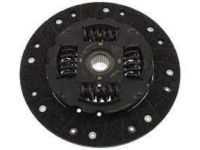
Related Ford Ranger Parts
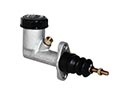 Ford Ranger Clutch Master Cylinder
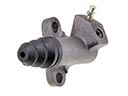 Ford Ranger Clutch Slave Cylinder
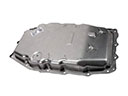 Ford Ranger Transmission Pan
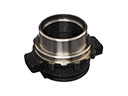 Ford Ranger Clutch Release Bearing
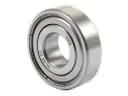 Ford Ranger Pilot Bearing
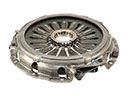 Ford Ranger Pressure Plate
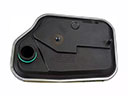 Ford Ranger Automatic Transmission Filter
 Ford Ranger Automatic Transmission Seal
 Ford Ranger Clutch Hose
 Ford Ranger Clutch Slave Repair Kit
 Ford Ranger Flywheel Ring Gear
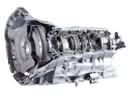 Ford Ranger Transmission Assembly