FordParts
My Garage
My Account
Cart
OEM Ford Tie Rod Adjusting Sleeve
- Select Vehicle by Model
- Select Vehicle by VIN
Select Vehicle by Model
orMake
Model
Year
Select Vehicle by VIN
For the most accurate results, select vehicle by your VIN (Vehicle Identification Number).
18 Tie Rod Adjusting Sleeves found
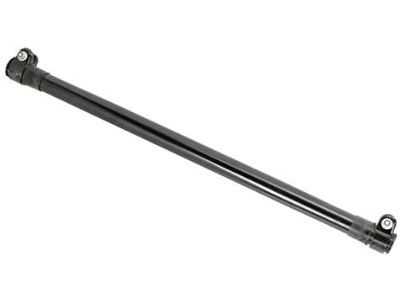
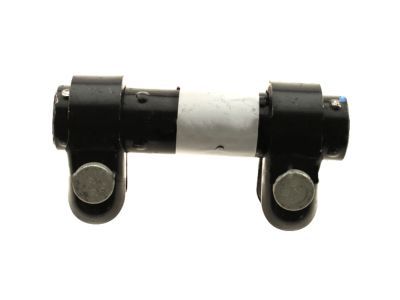
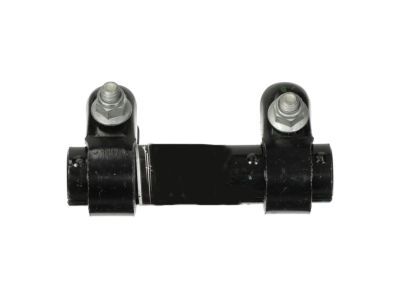
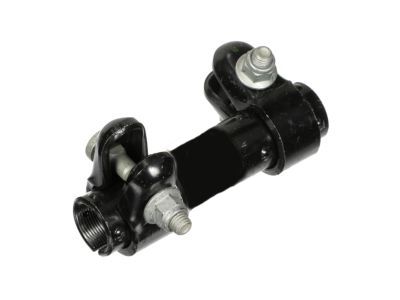
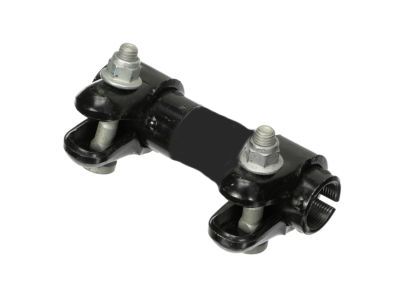
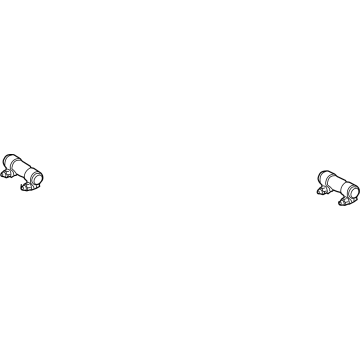
Ford Tube Assembly, Center Part Number: 8C3Z-3281-D
$138.24 MSRP: $232.73You Save: $94.49 (41%)Ships in 1-2 Business DaysProduct Specifications- Other Name: Steering Tie Rod End Adjusting Sleeve, Center, Left; Tie Rod Adjusting Sleeve
- Position: Center
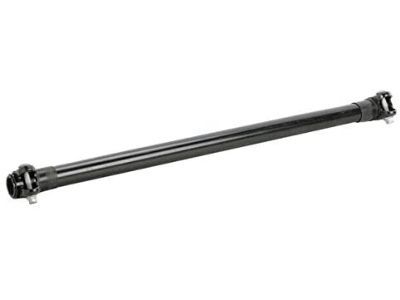
Ford Adjust Tube, Front Part Number: 6C2Z-3281-B
$38.47 MSRP: $61.09You Save: $22.62 (38%)Ships in 1 Business DayProduct Specifications- Other Name: Tube - Spindle Connecting Rod; Steering Tie Rod End Adjusting Sleeve, Front; Tie Rod Adjusting Sleeve
- Manufacturer Note: RH - includes clamps, bolts and nuts (replacing E9TZ-3281-A), 4x2 Crew Cab & Chassis Cab, 161"/168" wheelbase
- Position: Front
- Replaces: E9TZ-3281-A
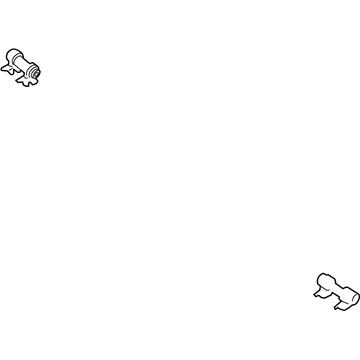
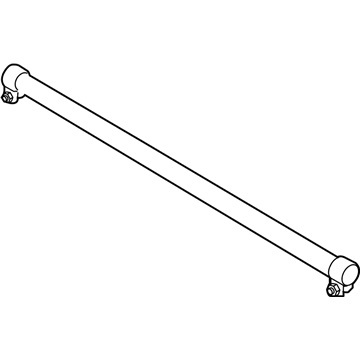
Ford Center Link Sleeve, Passenger Side Part Number: PC3Z-3280-A
$61.88 MSRP: $101.82You Save: $39.94 (40%)Ships in 1-2 Business DaysProduct Specifications- Other Name: Rod; Adjust Tube; Joint; Sleeve
- Position: Passenger Side
- Replaces: 7C3Z-3280-C, MEF-84
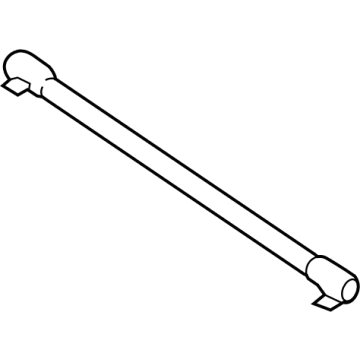
Ford Sleeve Part Number: PC3Z-3281-B
$166.86 MSRP: $274.55You Save: $107.69 (40%)Ships in 1-2 Business DaysProduct Specifications- Other Name: Tube Assembly
- Position: Driver Side
- Replaces: 7C3Z-3281-B, 7C3Z-3281-EA, MEOE-52
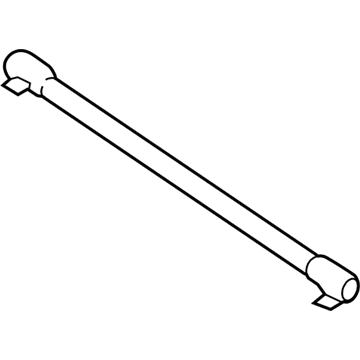
Ford Sleeve Part Number: PC3Z-3281-C
$172.38 MSRP: $283.64You Save: $111.26 (40%)Ships in 1-2 Business DaysProduct Specifications- Other Name: Tube Assembly
- Replaces: HC3Z-3281-A, MEF-404
Ford Adjust Tube, Driver Side Part Number: PC3Z-3281-A
$38.01 MSRP: $60.36You Save: $22.35 (38%)Ships in 1-2 Business DaysProduct Specifications- Other Name: Tube Assembly; Sleeve
- Position: Driver Side
- Replaces: 6C3Z-3280-E, 7C3Z-3281-D, MEOE-50
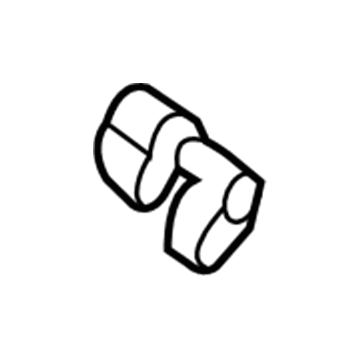
Ford Tie Rod Sleeve, Passenger Side Part Number: PC3Z-3280-B
$37.33 MSRP: $59.27You Save: $21.94 (38%)Product Specifications- Other Name: Rod
- Position: Passenger Side
- Replaces: 7C3Z-3280-B, 7C3Z-3280-D, MEOE-29
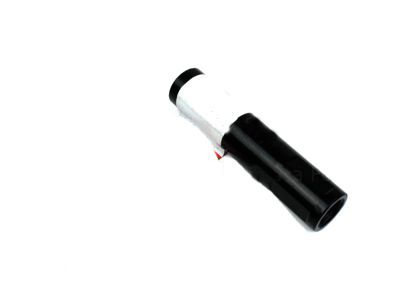
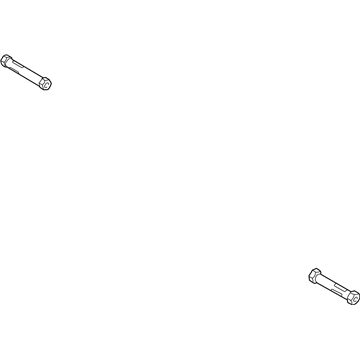
 Product Specifications
- Other Name: Sleeve; Steering Tie Rod End Adjusting Sleeve, Front Right, Right; Tie Rod Adjusting Sleeve; Adjust Tube; Steering Tie Rod End Adjusting Sleeve
- Position: Passenger Side
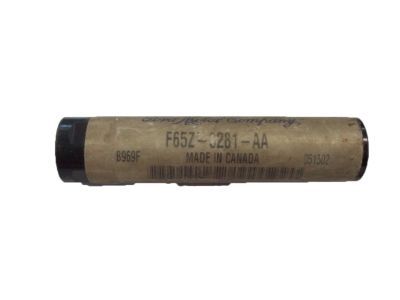
Ford Tie Rod Adjust Tube, Front Driver Side Part Number: F65Z-3281-AA
Product Specifications- Other Name: Sleeve; Steering Tie Rod End Adjusting Sleeve, Front Left, Left; Tie Rod Adjusting Sleeve; Adjust Tube; Steering Tie Rod End Adjusting Sleeve
- Position: Driver Side
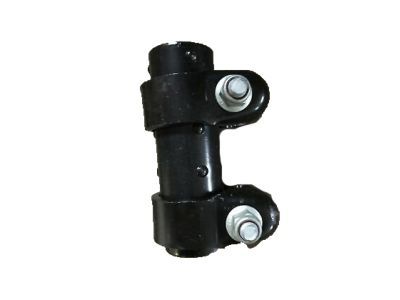
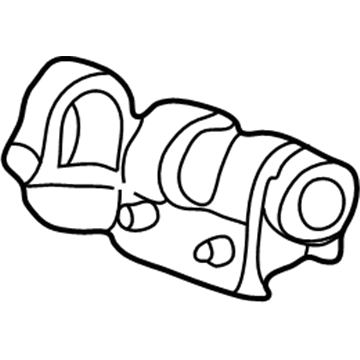
Ford Adjust Tube Part Number: AC3Z-3281-A
Product Specifications- Other Name: Tube Assembly; Steering Tie Rod End Adjusting Sleeve; Tie Rod Adjusting Sleeve
- Replaced by: LC3Z-3281-C
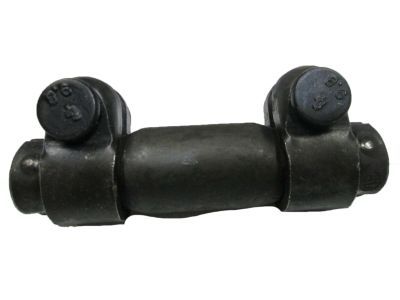
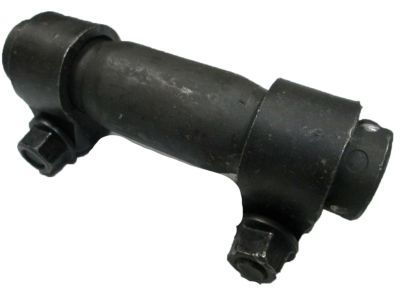
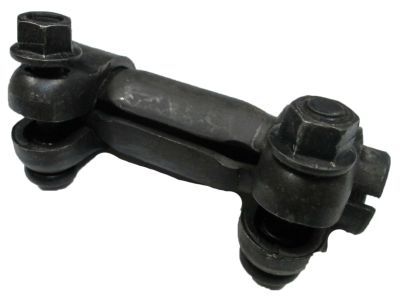
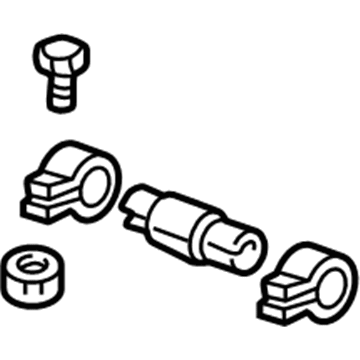
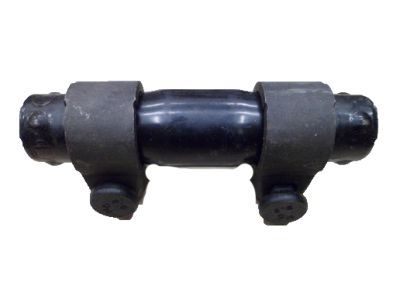
Ford Tie Rod Tube, Front Part Number: E7TZ-3281-C
Product Specifications- Other Name: Tube Assembly; Steering Tie Rod End Adjusting Sleeve, Front, Left; Tie Rod Adjusting Sleeve
- Position: Front
Ford Tie Rod Tube, Driver Side Part Number: E7TZ-3281-B
Product Specifications- Other Name: Tube Assembly; Steering Tie Rod End Adjusting Sleeve; Tie Rod Adjusting Sleeve; Sleeve; Tie Rod Adjust Tube; Adjust Tube
- Position: Driver Side
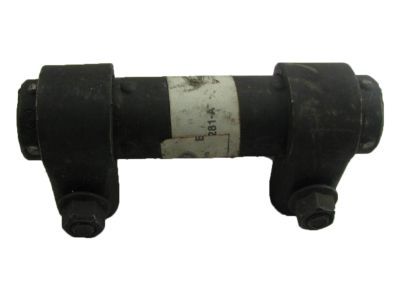
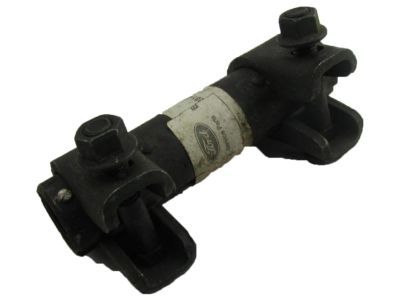
Ford Tie Rod Tube, Passenger Side Part Number: E7TZ-3281-A
Product Specifications- Other Name: Tube - Spindle Connecting Rod; Steering Tie Rod End Adjusting Sleeve, Right; Tie Rod Adjusting Sleeve
- Position: Passenger Side
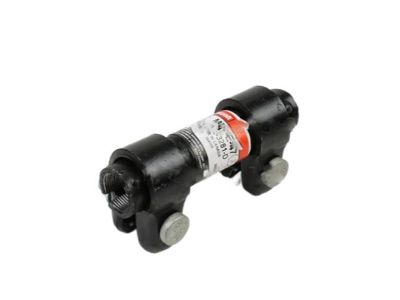
Ford Adjust Tube, Driver Side Part Number: 6C2Z-3281-D
Product Specifications- Other Name: Tube Assembly; Steering Tie Rod End Adjusting Sleeve; Tie Rod Adjusting Sleeve
- Position: Driver Side
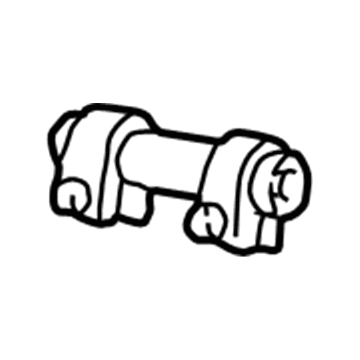
Ford Adjust Tube, Driver Side Part Number: LC3Z-3281-A
Product Specifications- Other Name: Tube Assembly; Steering Tie Rod End Adjusting Sleeve, Left
- Position: Driver Side
- Replaces: 5C3Z-3281-AA, 7C3Z-3281-A, MEOE-49
Ford Adjust Tube Part Number: LC3Z-3281-C
Product Specifications- Other Name: Tube Assembly
- Replaces: 6C3Z-3281-E, AC3Z-3281-A, MEOE-48, MEF-3

Ford Adjust Tube Part Number: F7AZ-3310-AA
Product Specifications- Other Name: Sleeve; Steering Tie Rod End Adjusting Sleeve; Tie Rod Adjusting Sleeve
- Replaces: F5AZ-3310-A
Ford Tie Rod Tube Part Number: D9AZ-3310-A
Product Specifications- Other Name: Sleeve; Steering Tie Rod End Adjusting Sleeve; Tie Rod Adjusting Sleeve; Adjust Tube
Ford Tie Rod Adjusting Sleeve
If you own Ford and want to keep it in top shape, choosing OEM Tie Rod Adjusting Sleeve is a smart move. They are precisely engineered and follow strict factory standards. They are made in advanced facilities that use cutting edge technology. Each part goes through thorough testing to confirm strength and safety, so you can trust it. FordPartsDeal.com gives you genuine Ford Tie Rod Adjusting Sleeve at some of the affordable online prices without cutting quality. Every OEM Ford part includes the manufacturer's warranty, easy returns, and super-fast delivery. So why wait? Shop now and get your vehicle back to peak condition.
Ford Tie Rod Adjusting Sleeve connects the inner and outer tie rod, which offers the driver a simple method of adjusting steering toe. Innovation has been pursued by the company since Henry Ford started to build cars in 1903 and the 1913 moving assembly line which reduced the price, to the modern EcoBoost engines that coerce power out of less fuel. Today, a Ford is also SYNC voice-connected so that you can change music or get directions, and Co-Pilot360 capability that can brakes and pull you back into the path. The constant updates of the car over the air make every vehicle renewed, and the F-150 Lightning demonstrates the devotion of Ford to clean mobility and zero tailpipe emissions. This steering system has a Ford Tie Rod Adjusting Sleeve with a very basic but very essential role to play. Tie Rod Adjusting Sleeve is a threaded coupler that has clamps attached to it to allow making the tie rods longer or shorter to ensure that wheels run straight. To install a new Ford Tie Rod Adjusting Sleeve the first thing is to park on flat surfaces, some security of the vehicle, and take off the wheel and mark toe. Unscrew the two clamps, then rotate the old sleeve off and unravel the new one with the marks. Install the clamps on the sleeve and turn the sleeve in equal measure until the wheels are facing straight and tighten the clamps, then put the wheel on, lower the car, turn the steering wheel to ensure the wheels are moving. Check the orientation of the clamps twice to ensure that the bolt heads are not facing the wheel but rather facing away, re-torque them after a brief test run and have fun in the steering wheel.
Related Ford Parts
 Ford Power Steering Pump
 Ford Ignition Lock Cylinder
 Ford Rack And Pinion
 Ford Drag Link
 Ford Pitman Arm
 Ford Power Steering Reservoir
 Ford Steering Gear Box
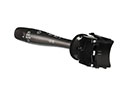 Ford Turn Signal Switch
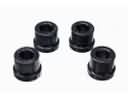 Ford Rack & Pinion Bushing
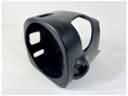 Ford Steering Column Cover
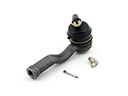 Ford Tie Rod End
 Ford Upper Steering Column Bearing
Browse Ford Tie Rod Adjusting Sleeve by Models
Ranger Bronco Explorer F-150 Excursion Expedition Crown Victoria Bronco II F-250 Country Squire E-150 Econoline F-350 LTD F-350 Super Duty LTD Crown Victoria E-150 E-150 Club Wagon E-150 Econoline Club Wagon E-250 E-250 Econoline E-250 Econoline Club Wagon E-350 Club Wagon E-350 Econoline E-350 Econoline Club Wagon E-350 Super Duty F-150 Heritage F-250 HD F-250 Super Duty