FordParts
My Garage
My Account
Cart
OEM Lincoln Radiator
Cooling Radiator- Select Vehicle by Model
- Select Vehicle by VIN
Select Vehicle by Model
orMake
Model
Year
Select Vehicle by VIN
For the most accurate results, select vehicle by your VIN (Vehicle Identification Number).
60 Radiators found
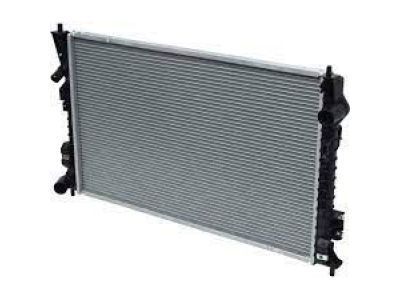
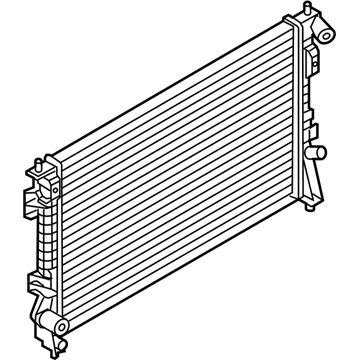
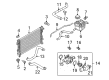
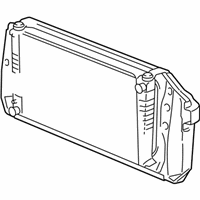
Lincoln Radiator Part Number: 7T4Z-8005-B
$202.14 MSRP: $307.67You Save: $105.53 (35%)Ships in 1-2 Business DaysProduct Specifications- Other Name: Radiator Assembly
- Manufacturer Note: (CP) Designates Crash Part - When Ordering Please Refer To Crash Part Truckload Program Guidelines
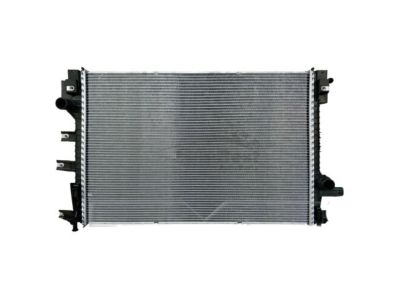
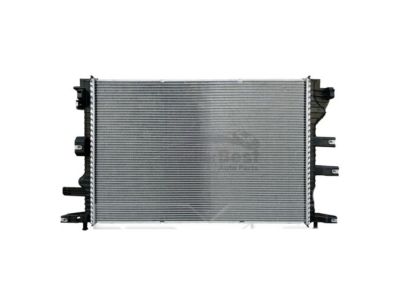
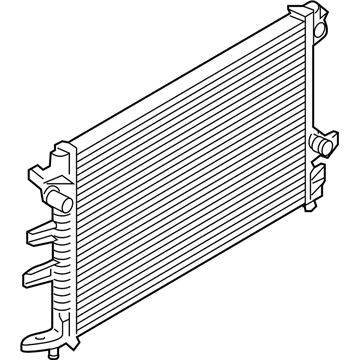
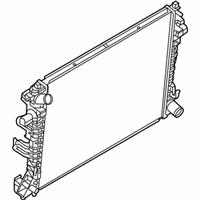
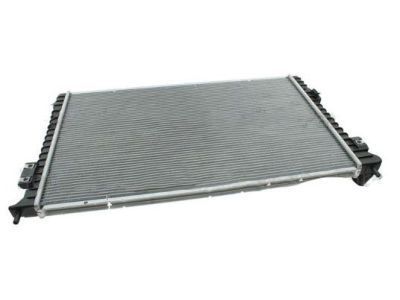
Lincoln Radiator Part Number: G3GZ-8005-B
$226.65 MSRP: $337.93You Save: $111.28 (33%)Ships in 1-3 Business DaysProduct Specifications- Other Name: Radiator Assembly
- Replaces: G3GZ-8005-A
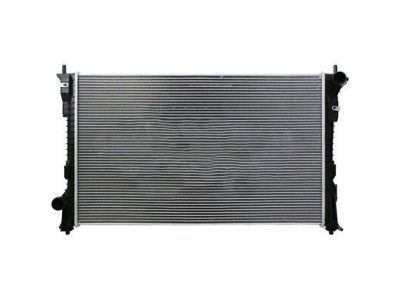
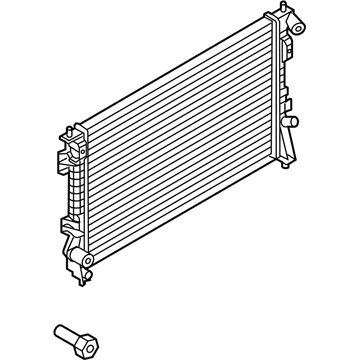
Lincoln Radiator Part Number: DG1Z-8005-F
$225.10 MSRP: $350.62You Save: $125.52 (36%)Ships in 1-2 Business DaysProduct Specifications- Other Name: Radiator Assembly
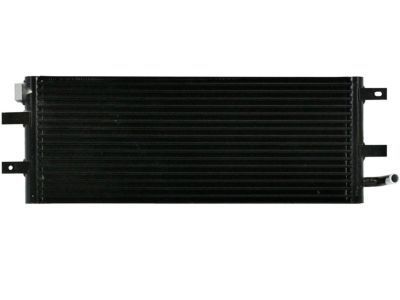
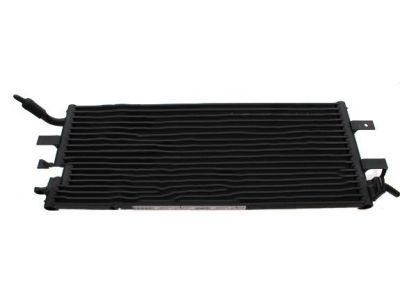
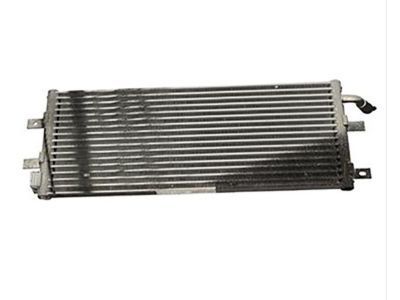
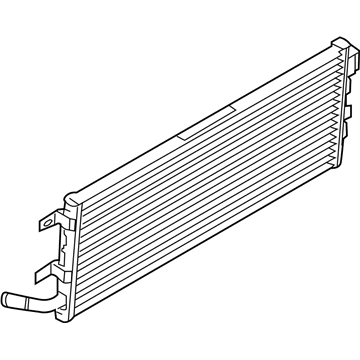
Lincoln Inverter Cooler Part Number: AE5Z-8005-D
$233.59 MSRP: $363.85You Save: $130.26 (36%)Ships in 1-2 Business DaysProduct Specifications- Other Name: Radiator Assembly; Drive Motor Inverter Cooler; Radiator
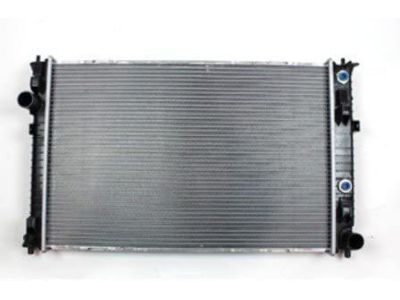
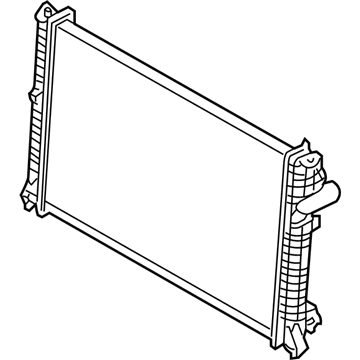
Lincoln Radiator Part Number: 6E5Z-8005-C
$276.64 MSRP: $430.90You Save: $154.26 (36%)Ships in 1-2 Business DaysProduct Specifications- Other Name: Radiator Assembly
- Manufacturer Note: (CP) Designates Crash Part - When Ordering Please Refer To Crash Part Truckload Program Guidelines
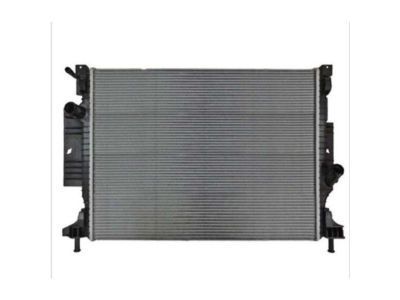
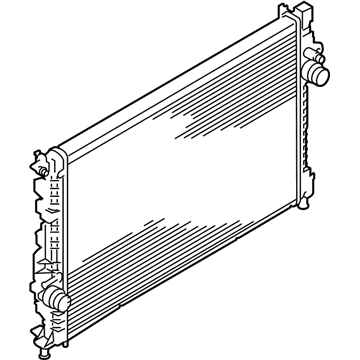
Lincoln Radiator Part Number: EJ7Z-8005-C
$213.78 MSRP: $325.38You Save: $111.60 (35%)Ships in 1-2 Business DaysProduct Specifications- Other Name: Radiator Assembly
- Replaces: EJ7Z-8005-A, EJ7Z-8005-B, RAD-112
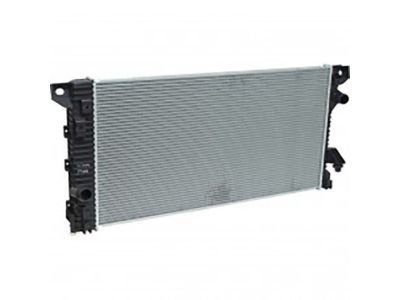
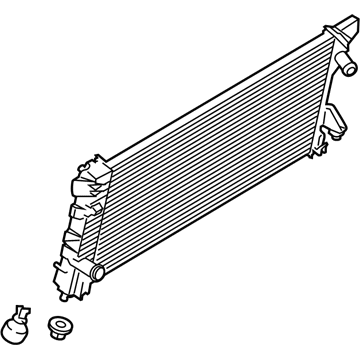
Lincoln Radiator Part Number: HL3Z-8005-C
$226.51 MSRP: $344.77You Save: $118.26 (35%)Ships in 1 Business DayProduct Specifications- Other Name: Radiator Assembly
- Replaces: HL3Z-8005-A
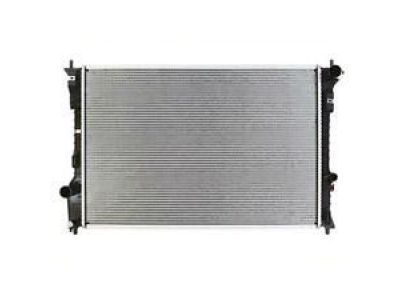
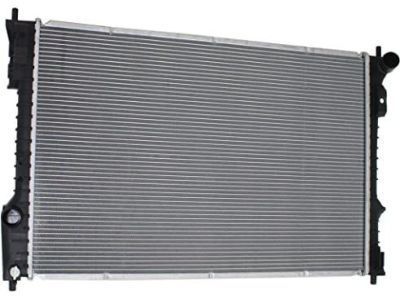
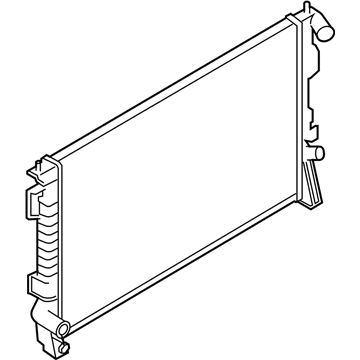
Lincoln Radiator Part Number: EA8Z-8005-A
$259.21 MSRP: $394.53You Save: $135.32 (35%)Ships in 1-3 Business DaysProduct Specifications- Other Name: Radiator Assembly
- Replaces: DA8Z-8005-A
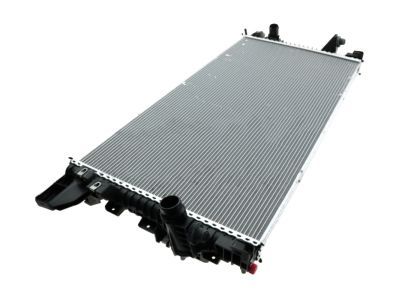
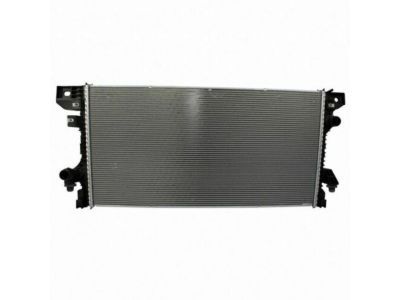
Lincoln Radiator Part Number: HL3Z-8005-B
$265.73 MSRP: $404.47You Save: $138.74 (35%)Ships in 1-2 Business DaysProduct Specifications- Other Name: Radiator Assembly
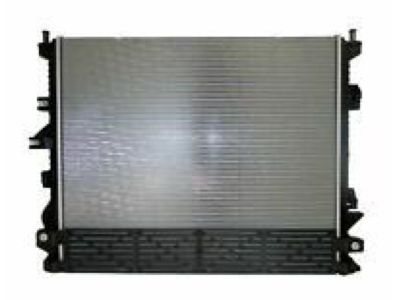
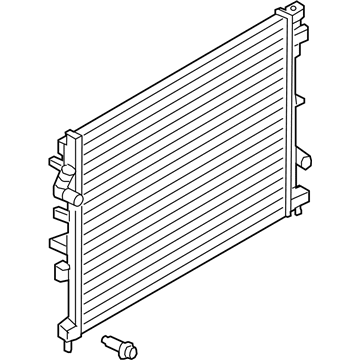
Lincoln Radiator Part Number: F2GZ-8005-C
$363.29 MSRP: $552.95You Save: $189.66 (35%)Ships in 1 Business DayProduct Specifications- Other Name: Radiator Assembly
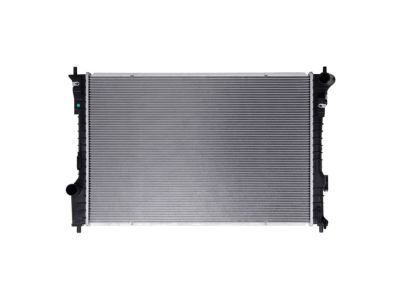
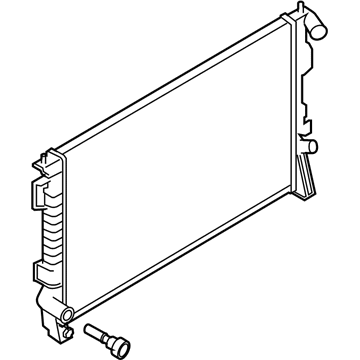
Lincoln Radiator Part Number: EB5Z-8005-E
$327.56 MSRP: $498.57You Save: $171.01 (35%)Ships in 1-2 Business DaysProduct Specifications- Other Name: Radiator Assembly
- Replaces: BA8Z-8005-A, EB5Z-8005-B
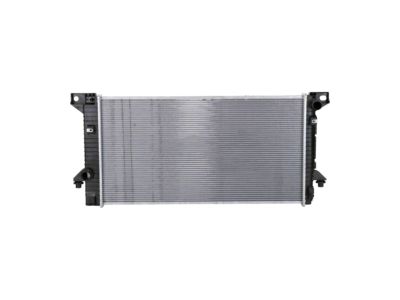
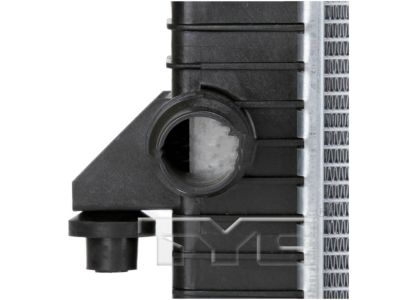
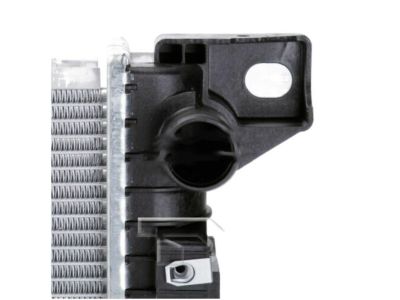
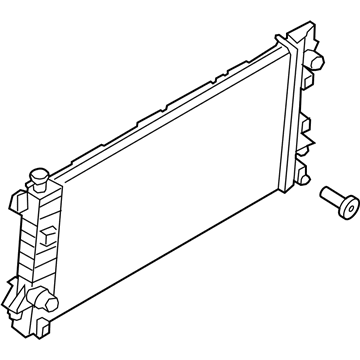
Lincoln Radiator Part Number: CL3Z-8005-A
$353.93 MSRP: $538.70You Save: $184.77 (35%)Ships in 1-2 Business DaysProduct Specifications- Other Name: Radiator Assembly
- Replaces: BL3Z-8005-A, BL3Z-8005-B, RAD-68
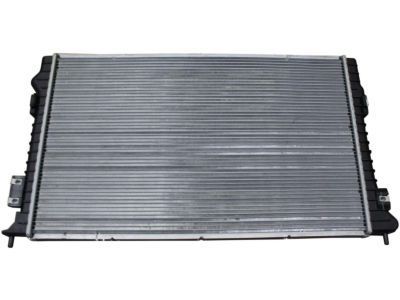
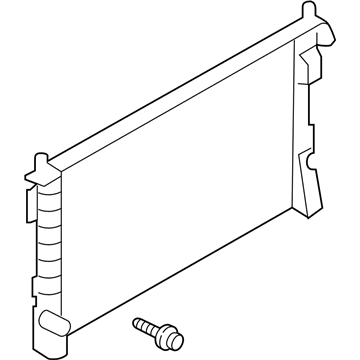
Lincoln Radiator Part Number: 7T4Z-8005-A
$216.18 MSRP: $322.33You Save: $106.15 (33%)Ships in 1-2 Business DaysProduct Specifications- Other Name: Radiator Assembly
- Replaces: 8G1Z-8005-B, 8A8Z-8005-A, 8G1Z-8005-A
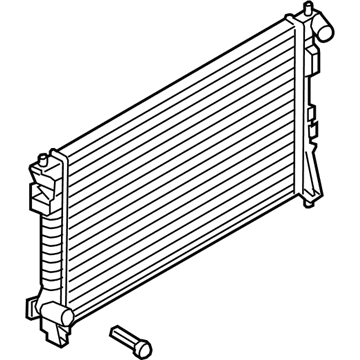
Lincoln Radiator Part Number: EG1Z-8005-B
$236.80 MSRP: $360.43You Save: $123.63 (35%)Ships in 1-2 Business DaysProduct Specifications- Other Name: Radiator Assembly
- Replaces: DG1Z-8005-A
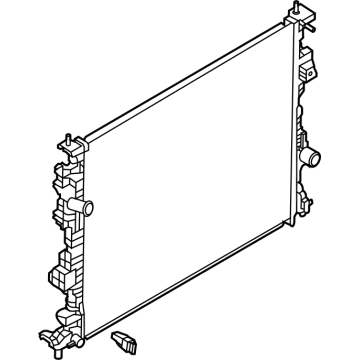
Lincoln Radiator Part Number: MX6Z-8005-B
$224.51 MSRP: $341.72You Save: $117.21 (35%)Ships in 1-2 Business DaysProduct Specifications- Other Name: Radiator Assembly
- Replaces: LX6Z-8005-L, RAD-265
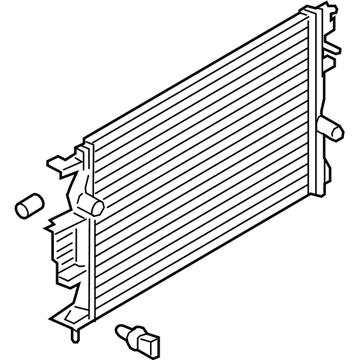
Lincoln Radiator Part Number: HG9Z-8005-A
$198.75 MSRP: $302.52You Save: $103.77 (35%)Ships in 1 Business DayProduct Specifications- Other Name: Radiator Assembly
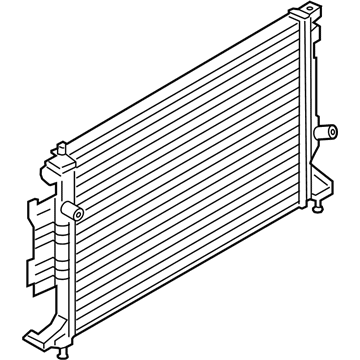
Lincoln Radiator Part Number: FV4Z-8005-A
$248.67 MSRP: $378.50You Save: $129.83 (35%)Ships in 1-2 Business DaysProduct Specifications- Other Name: Radiator Assembly
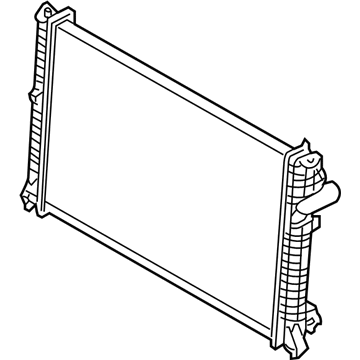
Lincoln Radiator Part Number: BH6Z-8005-B
$272.76 MSRP: $415.17You Save: $142.41 (35%)Ships in 1-2 Business DaysProduct Specifications- Other Name: Radiator Assembly
- Replaces: 7H6Z-8005-B, AE5Z-8005-E, AH6Z-8005-A, AE5Z-8005-H, BH6Z-8005-A, BE5Z-8005-H, RAD-66
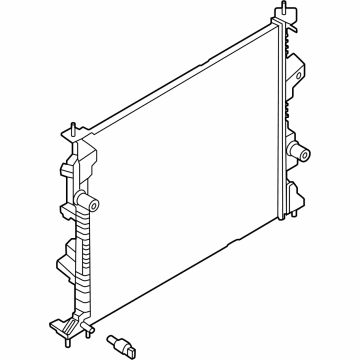
Lincoln Radiator Assembly Part Number: PZ1Z-8005-A
$242.35 MSRP: $368.87You Save: $126.52 (35%)Ships in 1-2 Business DaysProduct Specifications- Other Name: RADIATOR ASY
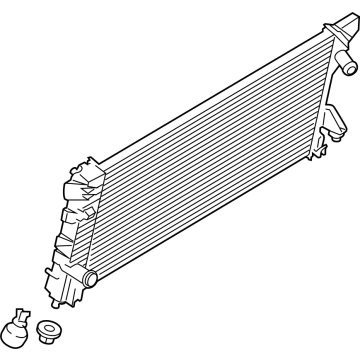
Lincoln Radiator Part Number: ML3Z-8005-A
$313.49 MSRP: $477.15You Save: $163.66 (35%)Ships in 1-2 Business DaysProduct Specifications- Other Name: Radiator Assembly
| Page 1 of 3 |Next >
1-20 of 60 Results
Lincoln Radiator
If you own Lincoln and want to keep it in top shape, choosing OEM Radiator is a smart move. They are precisely engineered and follow strict factory standards. They are made in advanced facilities that use cutting edge technology. Each part goes through thorough testing to confirm strength and safety, so you can trust it. FordPartsDeal.com gives you genuine Lincoln Radiator at some of the affordable online prices without cutting quality. Every OEM Lincoln part includes the manufacturer's warranty, easy returns, and super-fast delivery. So why wait? Shop now and get your vehicle back to peak condition.
Lincoln Radiator cools engines by blowing heat off to ensure that driving is all smooth and carefree. Lincoln is concerned with silence, which is why its Quiet Flight approach cabins are filled with layered glass, thick insulation, and sound control apparatus that combine to silence tires, wind, and day-to-day conversations. Lincoln then overlaid Co-Pilot360 technologies, including lane keeping, blind-spot warnings, auto high beam, and parking assistance, to allow regular journeys to feel directed, as opposed to tense. Lincoln is acting like a hog on the feed by launching ActiveGlide in the hands-free highway segments, demonstrating that the badge isn't merely an everyday luxury, but smarter everyday movement. Lincoln uses soft leather, bright screens, and clear menus in cabins too, and continues to listen to feedback posted by owners, thus the updates are never processed slowly in annual cycles. The coolant is circulated by Radiator tubes through a fine network of finery and the bulk of the aluminum skin releases the heat to the air passing by before the fluid is returned to the block. Radiator core upgrades move the surface area into the frontal space, thus lightweight performance models replace heavier fins and less jagged welds to accelerate airflow and increase cooling capacity during hard acceleration or steep climbs. Radiator solutions allow drivers to choose direct-fit units or universal ones that are flexible; however, both depend on the same fin-and-tube reasoning which protects the health of the engine and avoids power-robbing heat soak.
Lincoln Radiator Parts and Q&A
- Q:How to service the radiator on Lincoln Navigator?A:A serviceable radiator requires the vehicle to sit in neutral gear on a hoist before starting work. The process starts with removing the headlamp assemblies on both right-hand (RH) and left-hand (LH) sides before proceeding with the cooling fan shroud. Move forward by uninstalling the two radiator-to-radiator support bolts while final tightening these bolts at 15 Nm (11 lb-ft) for reinstallation. The service procedure involves removing two degas bottle bolts and placing the bottle aside while reattaching these bolts to a torque of 15 Nm (11 lb-ft). After disconnecting the electronic connector, removing the bolt and separating the horn assembly you must install the horn assembly with 10 Nm (89 lb-in) torque. Disassemble the condenser core by first removing its six pin-type retainers between the air deflectors and core units then disconnecting both transmission fluid cooler hoses attached to the radiator. The four condenser mounts on the radiator need to be detached by moving the cooling module backwards while depressing retaining tabs on the lower condenser brackets to disconnect them. The installation requires reversing the removal procedure along with filling the transmission fluid level.
- Q:How to service the radiator on Lincoln Town Car?A:Start radiator servicing by removing first the cooling fan motor assembly with its shroud. The radiator sight shield can be detached by removing its pin-type retainers. Proceed by detaching the lower radiator hose before putting it aside. Tighten the two radiator support brackets bolts to 10 Nm (89 inch lbs.) when reinstalling them. The bolt can be removed to place the A/C condenser and power steering cooler out of the way of the radiator so you can remove the radiator while tightening the bolts to 10 Nm (89 inch lbs.). Recovery of hose clamps is prohibited because the installation requires worm-style clamps as replacements for constant tension clamps. The cooling system should be filled then bled during the final step of installing and reversing the removal process.