FordParts
My Garage
My Account
Cart
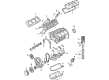
OEM Mercury Timing Cover
Engine Timing Cover- Select Vehicle by Model
- Select Vehicle by VIN
Select Vehicle by Model
orMake
Model
Year
Select Vehicle by VIN
For the most accurate results, select vehicle by your VIN (Vehicle Identification Number).
41 Timing Covers found
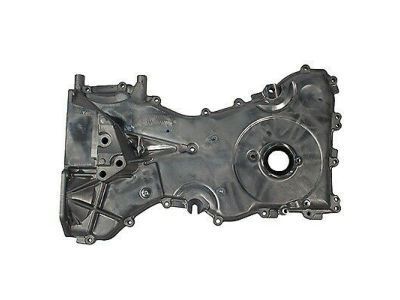
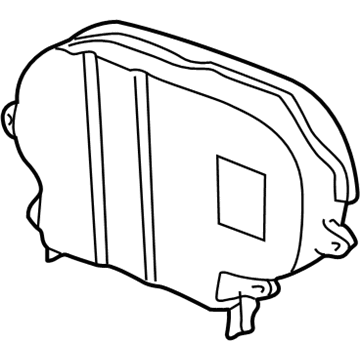
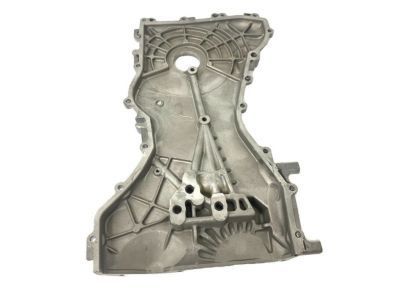
Mercury Timing Cover, Front Part Number: 2L8Z-6019-AA
$122.93 MSRP: $178.93You Save: $56.00 (32%)Ships in 1-2 Business DaysProduct Specifications- Other Name: Cover - Cylinder Front; Engine Timing Cover; Front Cover
- Position: Front
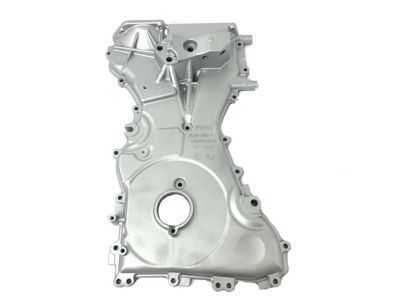
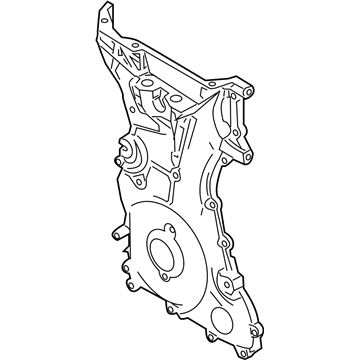
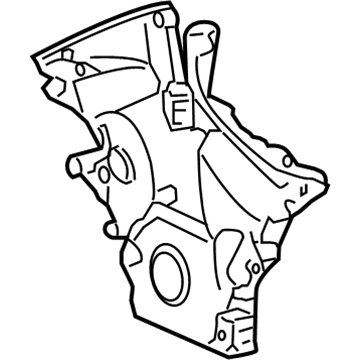
Mercury Timing Cover, Front Part Number: 9E5Z-6019-B
$127.21 MSRP: $185.17You Save: $57.96 (32%)Ships in 1-3 Business DaysProduct Specifications- Other Name: Cover - Cylinder Front; Engine Timing Cover; Front Cover
- Manufacturer Note: Use RTV Silicone Sealer In Place Of Gasket For This Application. Refer To Workshop Manual For Specification
- Position: Front
- Replaces: 9E5Z-6019-A
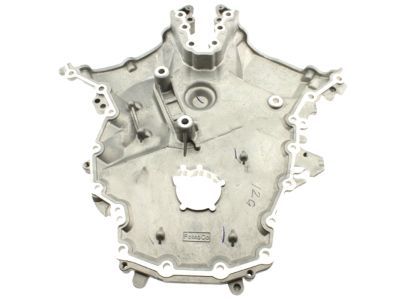
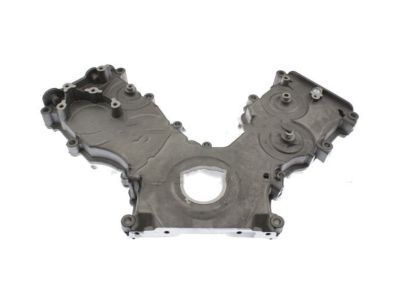
Mercury Timing Cover, Front Part Number: 7T4Z-6019-C
$127.10 MSRP: $185.00You Save: $57.90 (32%)Ships in 1-3 Business DaysProduct Specifications- Other Name: Cover - Cylinder Front; Engine Timing Cover; Front Cover
- Manufacturer Note: Use RTV Silicone Sealer In Place Of Gasket For This Application. Refer To Workshop Manual For Specification
- Position: Front
- Replaces: 7T4Z-6019-GD
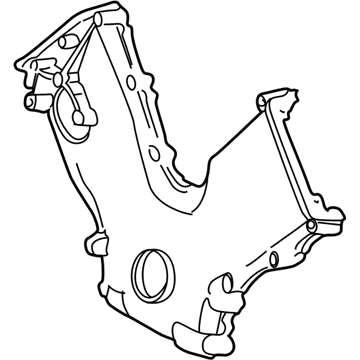
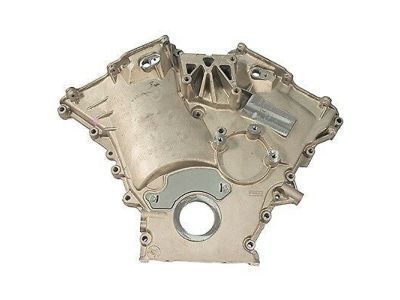
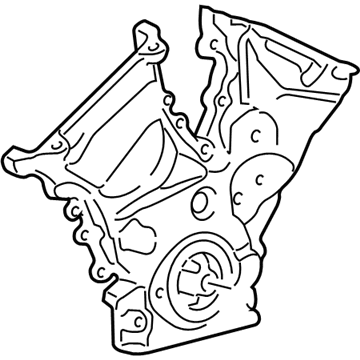
Mercury Timing Cover, Front Part Number: 4C2Z-6019-CA
$128.47 MSRP: $187.00You Save: $58.53 (32%)Ships in 1-3 Business DaysProduct Specifications- Other Name: Cover - Cylinder Front; Engine Timing Cover; Front Cover
- Position: Front
- Replaces: 4C2Z-6019-BA
Mercury Timing Cover, Front Part Number: 9L8Z-6019-A
$152.40 MSRP: $221.83You Save: $69.43 (32%)Ships in 1-3 Business DaysProduct Specifications- Other Name: Cover - Cylinder Front; Engine Timing Cover; Front Cover
- Position: Front
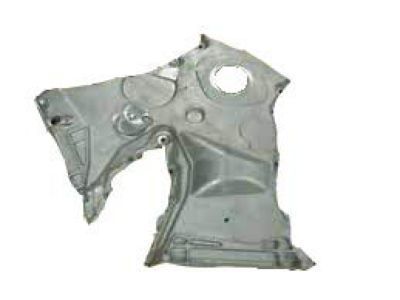
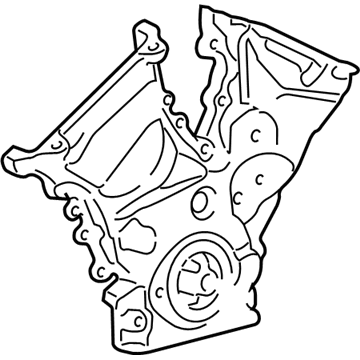
Mercury Timing Cover, Front Part Number: 5S7Z-6019-A
$138.53 MSRP: $191.64You Save: $53.11 (28%)Ships in 1-2 Business DaysProduct Specifications- Other Name: Cover - Cylinder Front; Engine Timing Cover; Front Cover
- Position: Front
- Replaces: 1S7Z-6019-BA
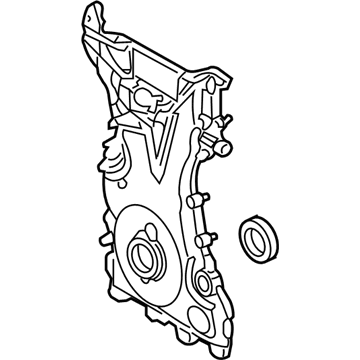
Mercury Timing Cover, Front Part Number: 6M8Z-6019-B
$111.97 MSRP: $162.98You Save: $51.01 (32%)Ships in 1-3 Business DaysProduct Specifications- Other Name: Cover - Cylinder Front; Engine Timing Cover; Front Cover
- Position: Front
- Replaces: 6M8Z-6019-AA
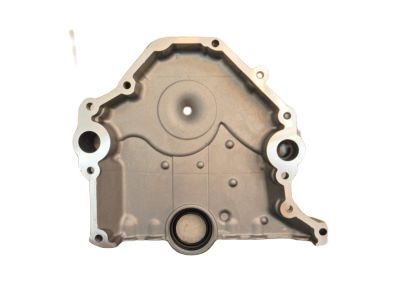
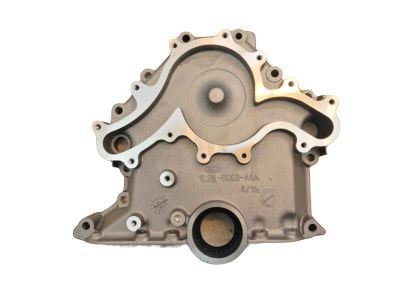
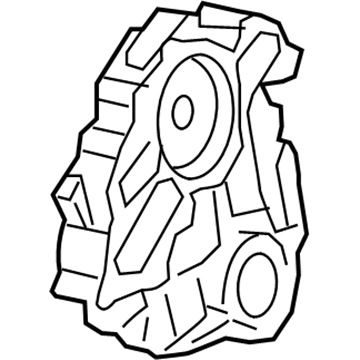
Mercury Timing Cover, Front Part Number: 5L2Z-6019-AA
$63.86 MSRP: $92.95You Save: $29.09 (32%)Product Specifications- Other Name: Cover - Cylinder Front; Engine Timing Cover; Front Cover
- Position: Front
- Replaces: 1L2Z-6019-AA, F77Z-6019-AD
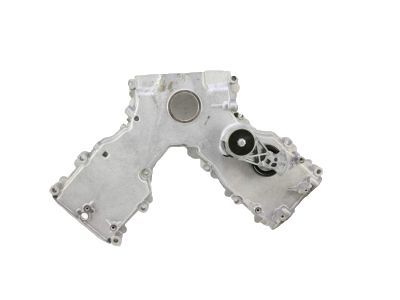
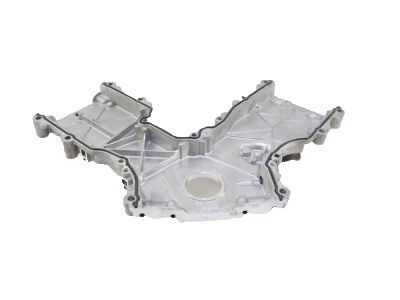
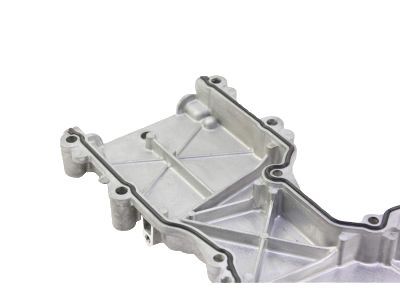
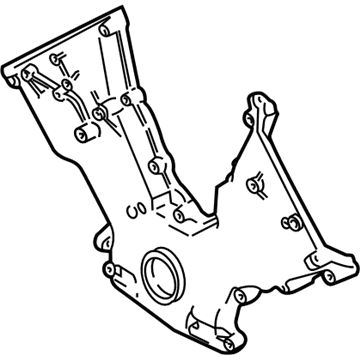
Mercury Timing Cover, Front Part Number: 2W7Z-6019-AB
$142.32 MSRP: $207.17You Save: $64.85 (32%)Product Specifications- Other Name: Cover - Cylinder Front; Engine Timing Cover; Front Cover
- Manufacturer Note: Includes 6020 gaskets, 6B209 tensioner & attaching hardware., 2v; With guided tensioner
- Position: Front
- Replaces: 2W7Z-6019-AA
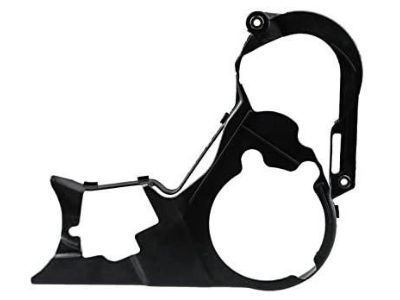
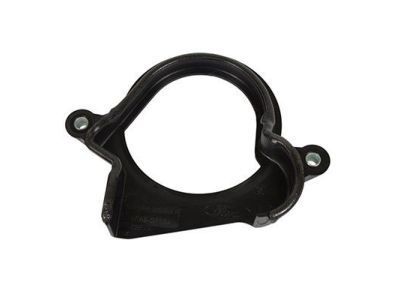
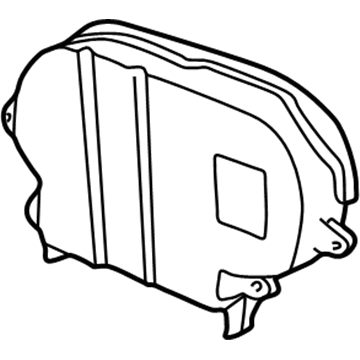
Mercury Timing Cover, Front Center Part Number: F8CZ-6019-CA
Product Specifications- Other Name: Cover - Timing Belt; Engine Timing Cover, Center, Lower Outer; Front Cover; Outer Timing Cover
- Position: Front Center
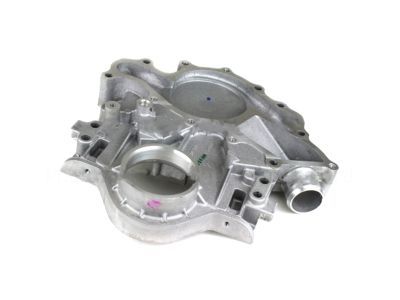
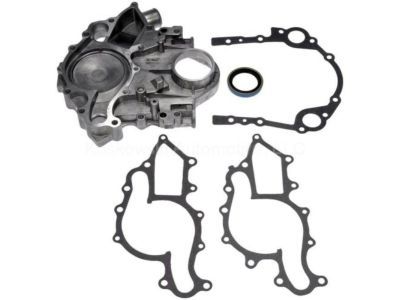
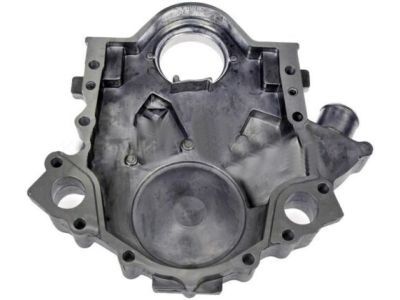
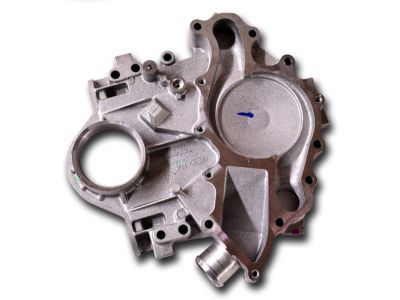
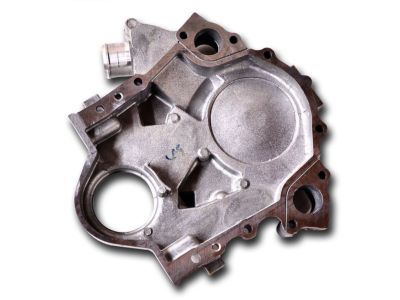
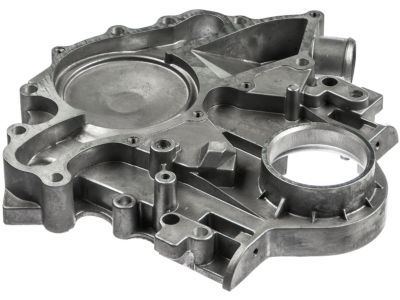
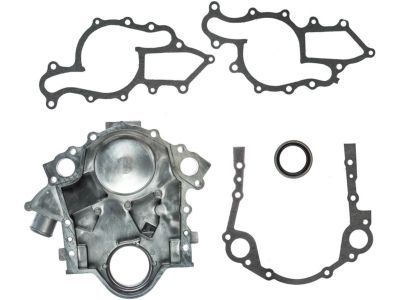
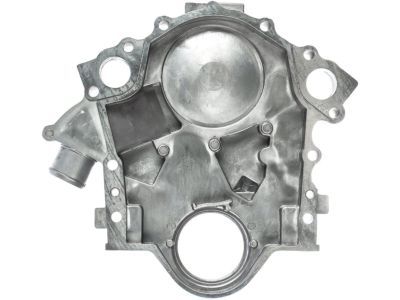
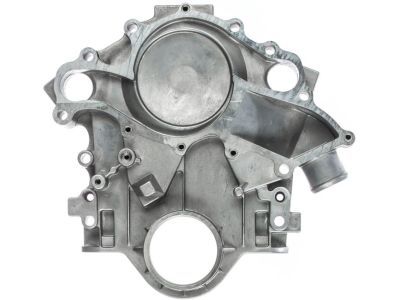
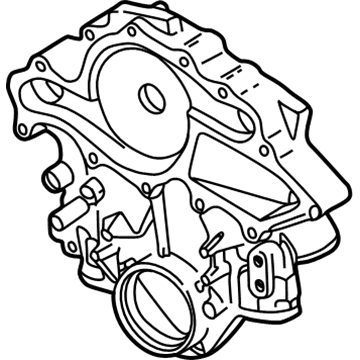
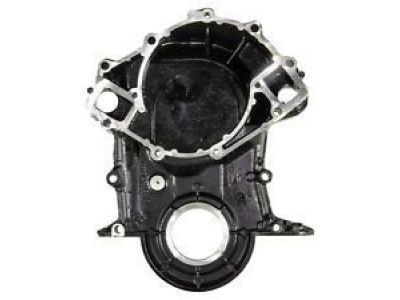
Mercury Timing Cover Part Number: F5DZ-6019-A
Product Specifications- Other Name: Cover - Front; Engine Timing Cover; Front Cover
- Replaces: F3DZ-6019-A, F4DZ-6019-AFFV, FODZ-6019-C
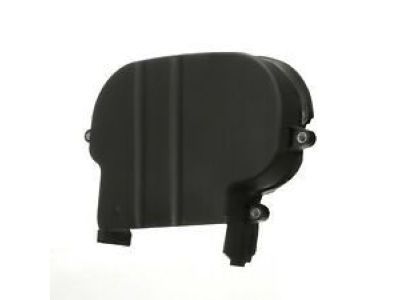
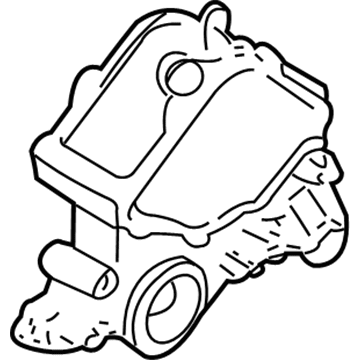
Mercury Timing Cover Part Number: F4SZ-6019-DA
Product Specifications- Other Name: Cover - Timing Belt; Front Cover
- Manufacturer Note: Cover only; Includes 6700 seal, plunger, bushing, spring & relief plug; Does not include pump gears. Order new 6600 pump if required.
- Replaces: F4SZ-6019-A, F4SZ-6019-C, F4SZ-6019-B
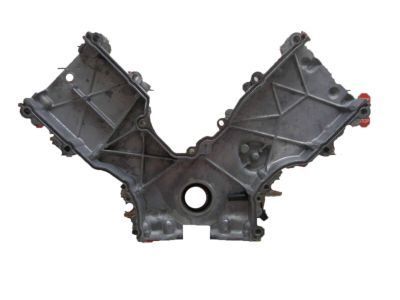
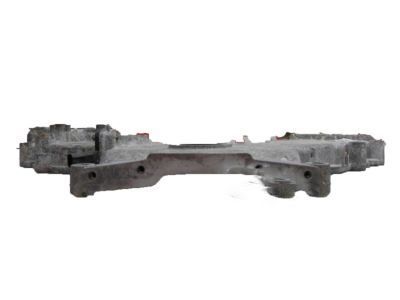
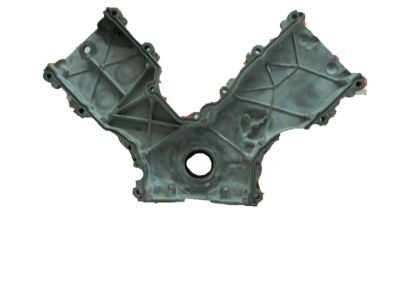
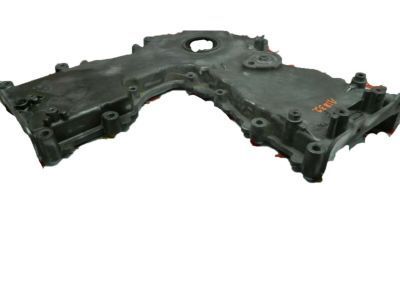
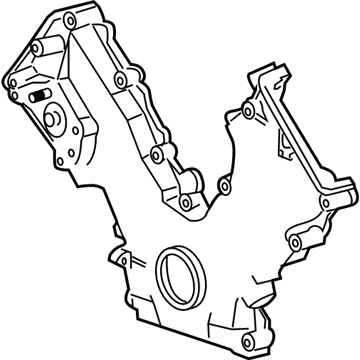
Mercury Timing Cover, Front Part Number: 6W7Z-6019-AA
Product Specifications- Other Name: Cover - Cylinder Front; Engine Timing Cover; Front Cover
- Manufacturer Note: Includes 6020 gaskets & 6B209 tensioner.
- Position: Front
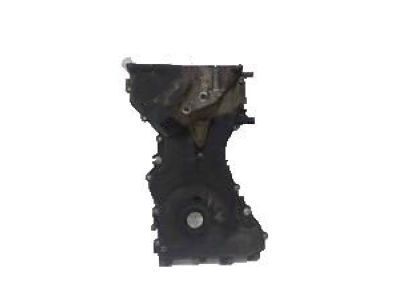
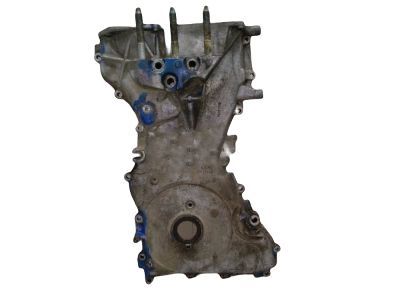
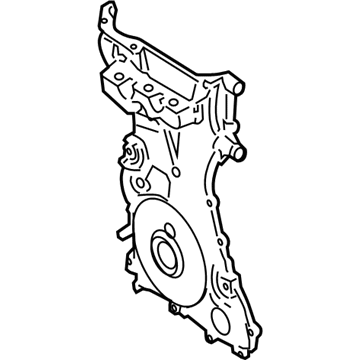
Mercury Timing Cover, Front Part Number: 5M6Z-6019-AA
Product Specifications- Other Name: Cover - Cylinder Front; Engine Timing Cover; Front Cover
- Position: Front
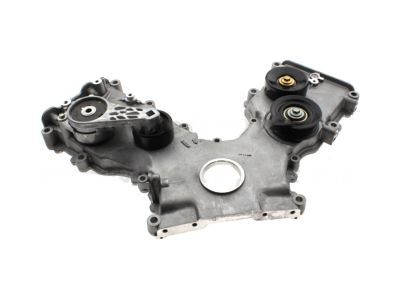
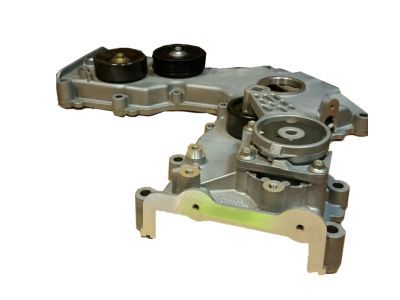
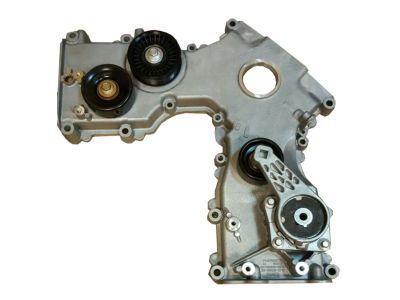
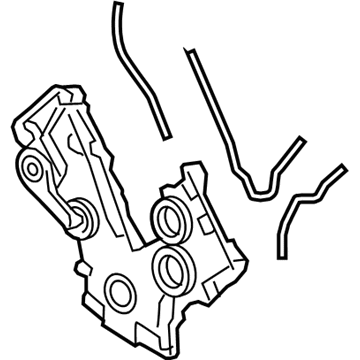
Mercury Timing Cover, Front Part Number: 2L2Z-6019-AA
Product Specifications- Other Name: Cover - Cylinder Front; Engine Timing Cover; Front Cover
- Position: Front
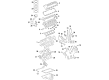
Mercury Timing Cover, Front Passenger Side Part Number: 7R3Z-6019-A
$170.61 MSRP: $248.33You Save: $77.72 (32%)Product Specifications- Other Name: Cover - Cylinder Front; Engine Timing Cover; Front Cover
- Position: Passenger Side
- Replaces: 4R3Z-6019-BG, 7R3Z-6019-BA
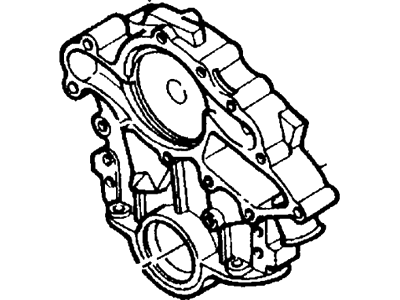
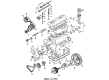
Mercury Cover Assembly - Cylinder Block Front Part Number: E3ZZ-6019-B
Product Specifications- Other Name: Cover Assembly - Cylinder
- Position: Front
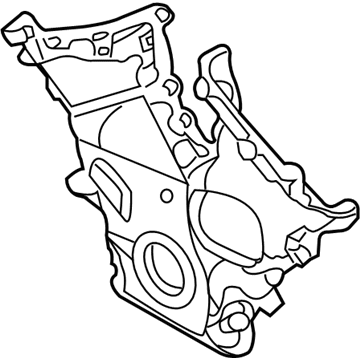
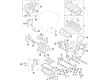
Mercury Timing Cover, Front Part Number: 8E5Z-6019-A
Product Specifications- Other Name: Cover - Cylinder Front; Engine Timing Cover; Front Cover
- Position: Front
- Replaces: 6E5Z-6019-BA
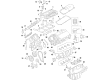
Mercury Oil Pump, Front Part Number: 4F2Z-6019-BA
Product Specifications- Other Name: Cover Assembly - Cylinder Head Front; Engine Timing Cover; Engine Oil Pump; Timing Cover; Front Cover; Front Cover Assembly
- Position: Front
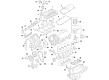
Mercury Oil Pump, Front Part Number: 4F2Z-6019-AA
Product Specifications- Other Name: Cover Assembly - Cylinder Head Front; Engine Oil Filter Adapter; Engine Timing Cover; Engine Oil Pump; Timing Cover; Front Cover; Support
- Position: Front
- Replaces: 3F2Z-6019-BA
| Page 1 of 3 |Next >
1-20 of 41 Results
Mercury Timing Cover
If you own Mercury and want to keep it in top shape, choosing OEM Timing Cover is a smart move. They are precisely engineered and follow strict factory standards. They are made in advanced facilities that use cutting edge technology. Each part goes through thorough testing to confirm strength and safety, so you can trust it. FordPartsDeal.com gives you genuine Mercury Timing Cover at some of the affordable online prices without cutting quality. Every OEM Mercury part includes the manufacturer's warranty, easy returns, and super-fast delivery. So why wait? Shop now and get your vehicle back to peak condition.
Mercury Timing Cover protects the parts of the engine timing against grit, leakages, and blunt chaos. Mercury was born in 1938 and made its mark on the roads with sedans that were a combination of a comfortable ride and aggressive style. Buyers preferred the less noisy cabins, the firmer touch, and the name which reminded them of the fleet-footed carrier of Roman legend. During decades, Mercury introduced Cougars, Grand Marquis, and other rides, which did not empty wallets to an extent. The fact that the brand had a better balance between room, ride, and cost than its competitors of the era made showrooms buzz. Although the manufacture has stopped in 2011, Mercury continues to represent mid-size convenience as opposed to garage trophies. There was less road roar and more steering confidence in drivers, a trade many found good value. The Timing Cover is an aluminum or high-grade plastic cast covering the front of the block to ensure that the oil remains in and the grit remains out as the timing chain thrashes another millimeter away at highway rpm. A new Timing Cover is applied in conjunction with a tight gasket, and the dust which would sandpaper cams and crank sprockets is blocked. When the noise increases, or drips begin to appear, change the part before the slack chains leap teeth and destroy valves. Since all the modern Mercurys have the same requirement of timed guarded guts, the component fits in without any melodramatic scene. The Timing Cover has ribs that are durable, contributing to stiffness, which ensures that bolts remain tight after years of heat cycling along with stop-and-go. Omit Timing Cover and a peanut-sized rock will be able to grenade an engine that has yet to age.
Mercury Timing Cover Parts and Q&A
- Q:How to remove and install Timing Cover in 3.8L V6 and V8 engine on Mercury Capri?A:For V6 engines, begin by removing the water pump, while for V8 engines, perform all steps related to the water pump except for its removal, which can be left attached to the timing cover. Drain the engine oil and remove the oil filter, then proceed to remove the crankshaft vibration damper and unbolt all accessory brackets attached to the timing cover. For V6 engines, position the number one piston at TDC on the compression stroke, then remove the distributor. On carburetor-equipped models, remove the fuel pump, followed by the oil pan and the ignition timing indicator. For V8 engines, remove the oil pan-to-timing cover bolts and cut the oil pan gasket flush with the engine block face. Next, remove the bolts and separate the timing cover from the block, taking care not to use excessive force. For V6 engines, remove the camshaft thrust button and spring assembly, and to remove the intermediate shaft from the cover, take out the clip and slide the shaft out. When installing, for V8 engines, remove the circular rubber seal from the front of the oil pan and stuff a shop rag into the oil pan opening to keep debris out. Clean all surfaces and ensure the oil pump is properly mounted in the timing cover. For the intermediate shaft, mark it one inch from the end, insert it until it seats in the oil pump, and snap the clip onto the shaft. Ensure the camshaft thrust button and spring assembly are seated correctly, lubricate the timing chain and front crankshaft oil seal lips, and apply a thin coat of RTV sealant to the block side of the new gasket before positioning it. Attach the cover to the engine, ensuring the thrust button is properly seated, and install the bolts finger tight before tightening them to the specified torque. For V8 engines, cut sections out of a new oil pan gasket for installation between the oil pan and timing cover, attach them with contact cement, and apply RTV sealant to the oil pan-to-block joints. Lubricate the timing chain and front crankshaft oil seal lips, position the new cover gasket, and ensure the circular rubber seal and gaskets remain undisturbed. Compress the rubber seal if necessary before installing the bolts, apply pipe sealant to the threads, and tighten all bolts to the specified torque. Finally, install the remaining parts in reverse order, add engine oil and coolant, and run the engine to check for leaks.
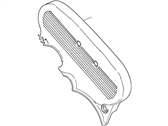
Related Mercury Parts
 Mercury Oil Filter
 Mercury Timing Belt
 Mercury Cylinder Head
 Mercury Dipstick
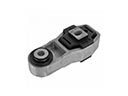 Mercury Engine Mount Torque Strut
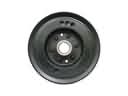 Mercury Harmonic Balancer
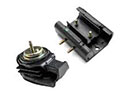 Mercury Motor And Transmission Mount
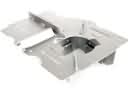 Mercury Oil Pan Baffle
 Mercury Oil Pan Gasket
 Mercury Timing Belt Tensioner
 Mercury Timing Chain Tensioner
 Mercury Valve Cover Gasket