FordParts
My Garage
My Account
Cart
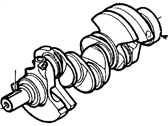
OEM Ford Crankshaft
Crank Shaft- Select Vehicle by Model
- Select Vehicle by VIN
Select Vehicle by Model
orMake
Model
Year
Select Vehicle by VIN
For the most accurate results, select vehicle by your VIN (Vehicle Identification Number).
83 Crankshafts found
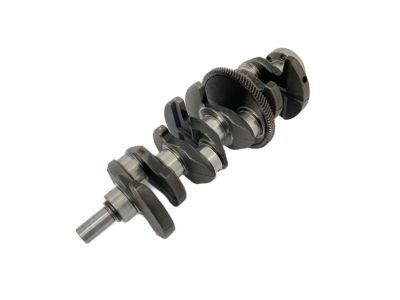
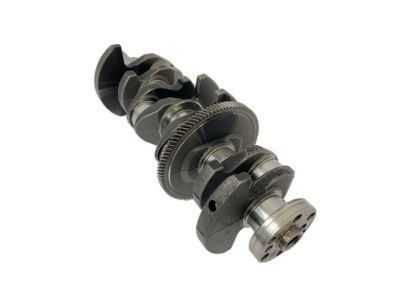
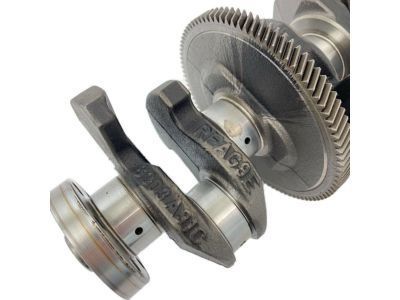
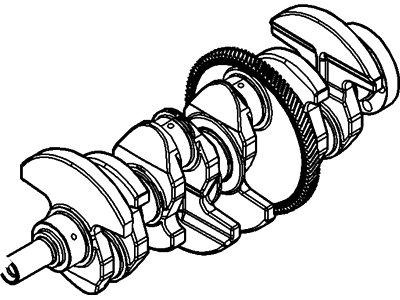
Ford Crankshaft Part Number: AG9Z-6303-A
$674.52 MSRP: $1026.67You Save: $352.15 (35%)Ships in 1-3 Business DaysProduct Specifications- Other Name: Crankshaft Assembly
- Replaces: BB5Z-6303-A
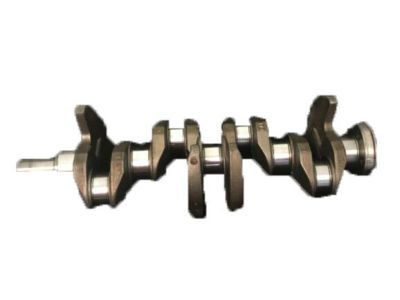
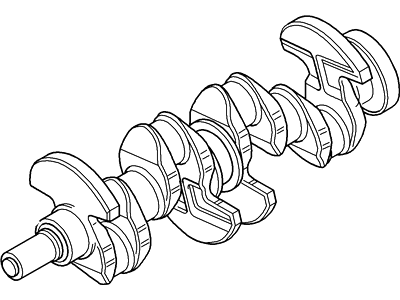
Ford Crankshaft Part Number: CP9Z-6303-A
$124.81 MSRP: $181.67You Save: $56.86 (32%)Ships in 1-3 Business DaysProduct Specifications- Other Name: Crankshaft Assembly
- Replaces: 1S7Z-6303-DA
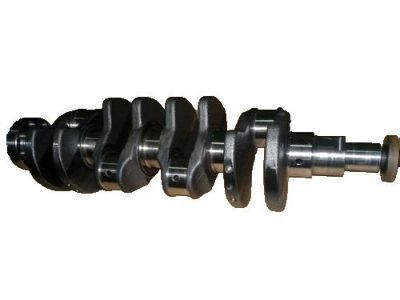
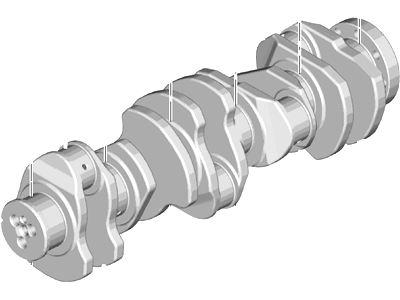
Ford Crankshaft Part Number: BK3Z-6303-A
$305.32 MSRP: $448.33You Save: $143.01 (32%)Product Specifications- Other Name: Crankshaft Assembly
- Manufacturer Note: When Ordering, Please Also Order And Install (1) W706939
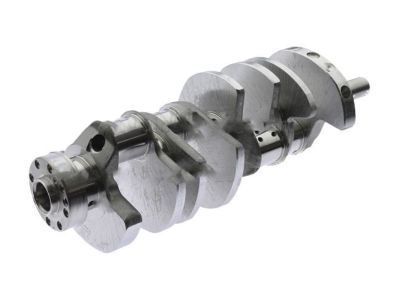
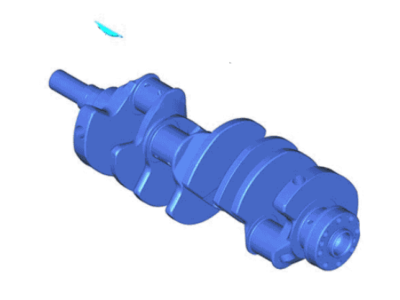
Ford Crankshaft Part Number: JR3Z-6303-A
$360.93 MSRP: $530.00You Save: $169.07 (32%)Product Specifications- Other Name: Crankshaft Assembly
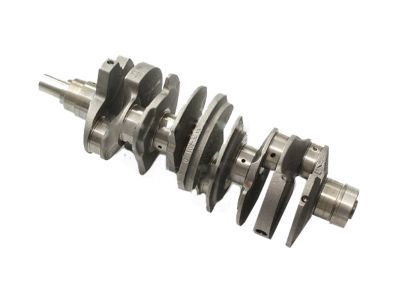
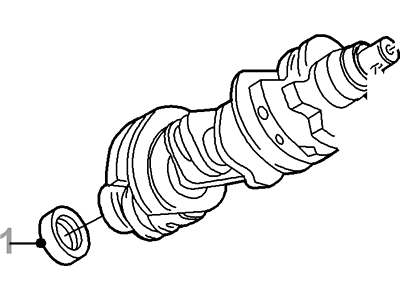
Ford Crankshaft Part Number: 5L2Z-6303-AA
$307.28 MSRP: $425.09You Save: $117.81 (28%)Ships in 1-2 Business DaysProduct Specifications- Other Name: Crankshaft Assembly
- Replaces: 1L2Z-6303-BA, F87Z-6303-BA
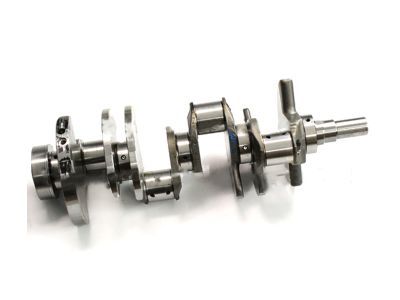
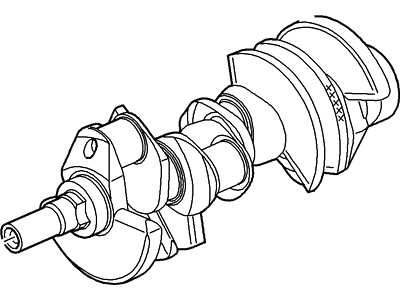
Ford Crankshaft Part Number: F75Z-6303-AC
$236.08 MSRP: $346.67You Save: $110.59 (32%)Product Specifications- Other Name: Crankshaft Assembly
- Replaces: 1L3Z-6303-BA, XL3Z-6303-CA
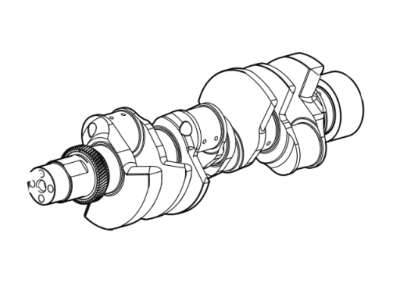
Ford Crankshaft Part Number: BC3Z-6303-D
$936.00 MSRP: $1386.67You Save: $450.67 (33%)Product Specifications- Other Name: Crankshaft Assembly
- Manufacturer Note: Cannot Be Used On Engines Built Prior To 07-Jan-2016
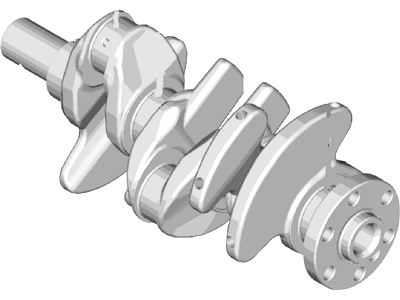
Ford Crankshaft Part Number: H6BZ-6303-B
$90.23 MSRP: $131.33You Save: $41.10 (32%)Product Specifications- Other Name: Crankshaft Assembly
- Replaces: CM5Z-6303-A
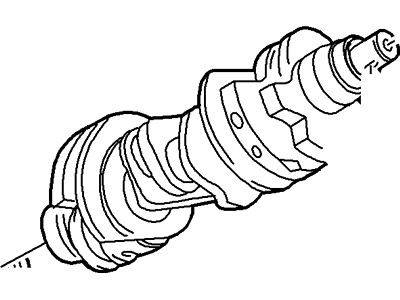
Ford Crankshaft Part Number: XL2Z-6303-AA
$217.92 MSRP: $320.00You Save: $102.08 (32%)Product Specifications- Other Name: Crankshaft Assembly
- Replaces: F7TZ-6303-AC
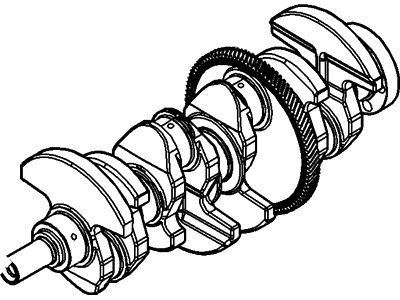
Ford Crankshaft Part Number: FB5Z-6303-A
$220.19 MSRP: $323.33You Save: $103.14 (32%)Product Specifications- Other Name: Crankshaft Assembly
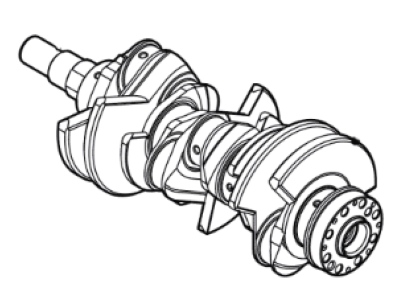
Ford Crankshaft Part Number: HL3Z-6303-L
$254.24 MSRP: $373.33You Save: $119.09 (32%)Product Specifications- Other Name: Crankshaft Assembly
- Replaces: HL3Z-6303-E, HL3Z-6303-A
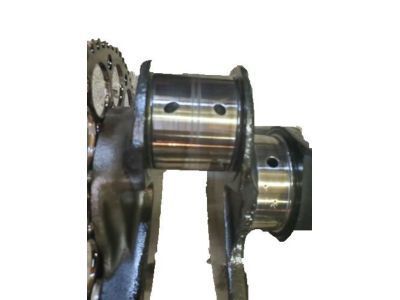
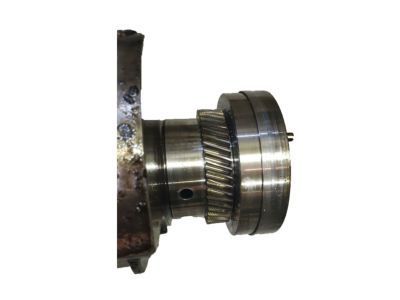
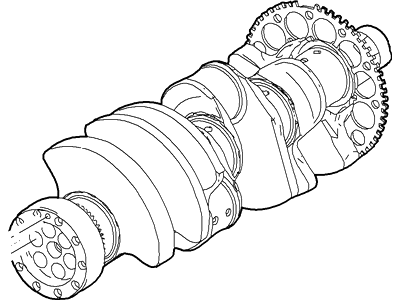
Ford Crankshaft Part Number: 3C3Z-6303-AARM
$3710.93 MSRP: $5488.33You Save: $1777.40 (33%)Product Specifications- Other Name: Remanufactured Crankshaft Assembly; Kit, Cshaft Asm New Exch; Crankshaft Assembly
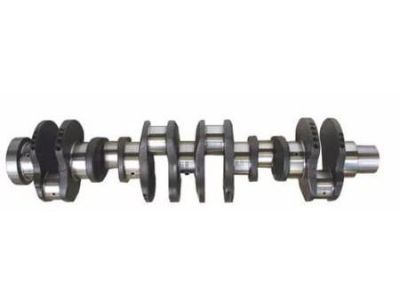
Ford Crankshaft Part Number: AA5Z-6303-E
Product Specifications- Other Name: Crankshaft Assembly
- Replaced by: AA5Z-6303-F
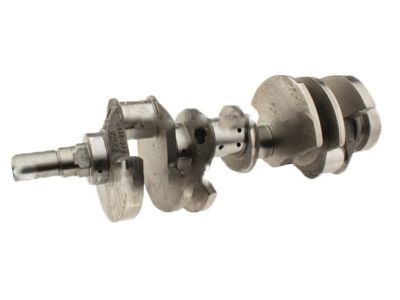
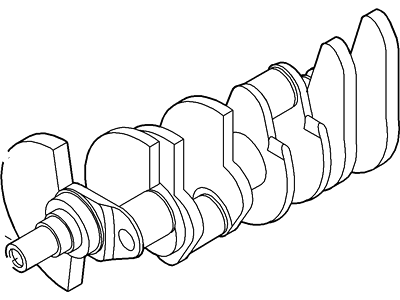
Ford Crankshaft Part Number: 2C5Z-6303-BA
$293.40 MSRP: $430.83You Save: $137.43 (32%)Product Specifications- Other Name: Crankshaft Assembly
- Replaces: 2F3Z-6303-AA, 2C5Z-6303-AA
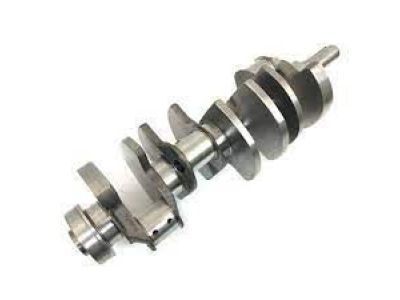
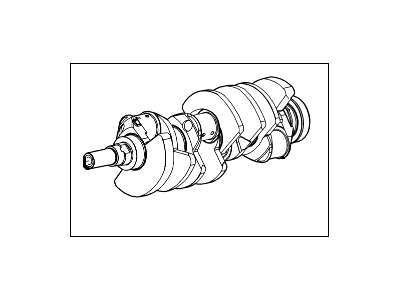
Ford Crankshaft Part Number: FR3Z-6303-C
$408.26 MSRP: $599.50You Save: $191.24 (32%)Product Specifications- Other Name: Crankshaft Assembly
- Replaces: CR3Z-6303-A, FR3Z-6303-A
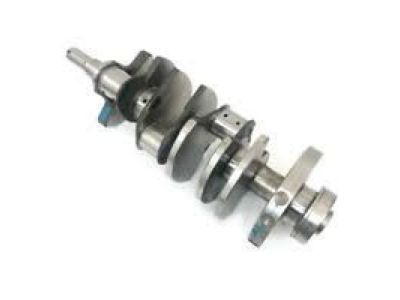
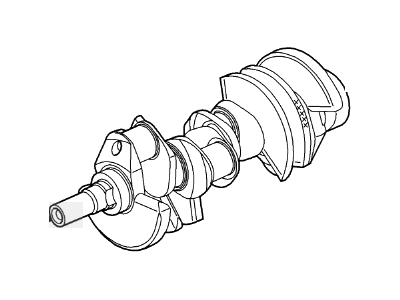
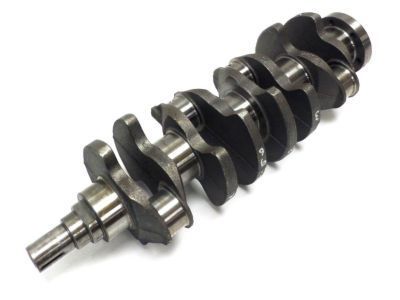
Ford Crankshaft Part Number: 7R3Z-6303-A
$1537.88 MSRP: $2278.33You Save: $740.45 (33%)Product Specifications- Other Name: Crankshaft Assembly
- Replaces: 7R3Z-6303-AA
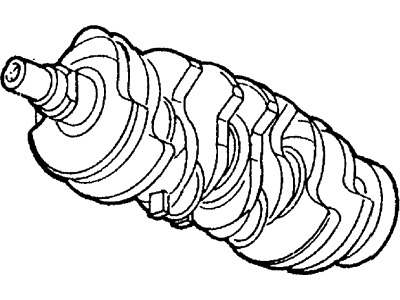
Ford Crankshaft Part Number: F7CZ-6303-AA
Product Specifications- Other Name: Crankshaft Assembly
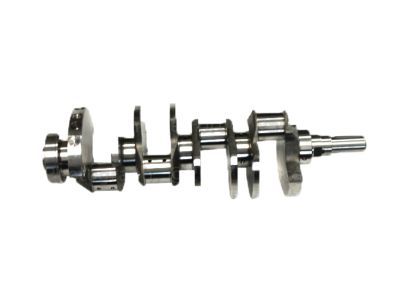
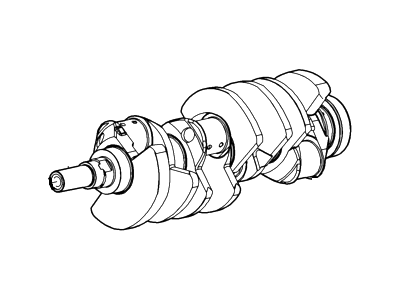
Ford Crankshaft Part Number: BR3Z-6303-C
Product Specifications- Other Name: Crankshaft Assembly
- Replaces: BR3Z-6303-A
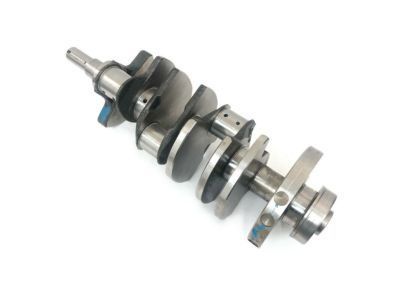
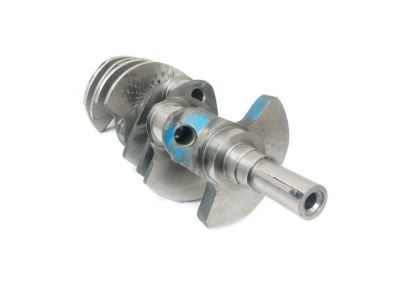
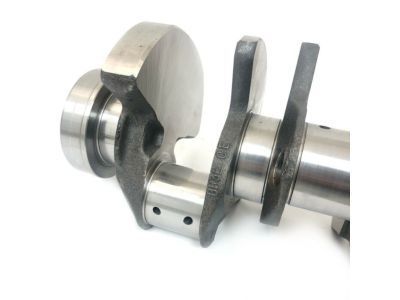
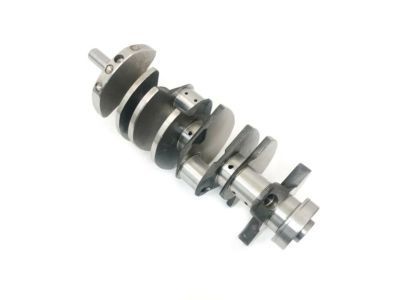
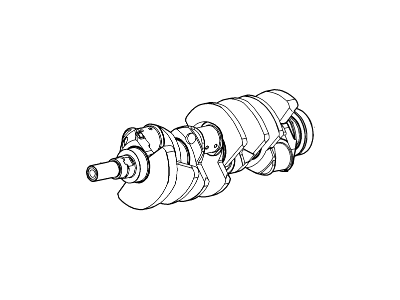
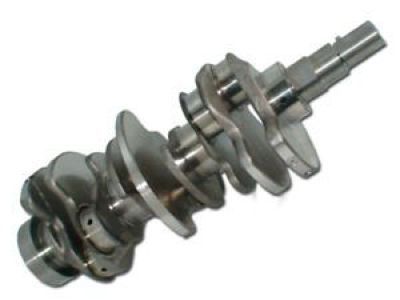
Ford Crankshaft Part Number: BL3Z-6303-A
Product Specifications- Other Name: Crankshaft Assembly
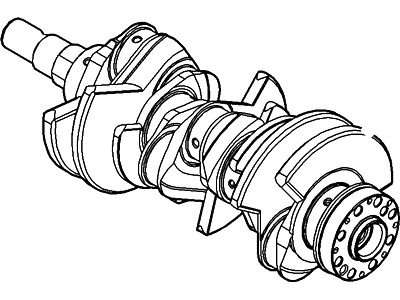
Ford Crankshaft Part Number: AT4Z-6303-D
Product Specifications- Other Name: Crankshaft Assembly
- Replaces: AT4Z-6303-C
| Page 1 of 5 |Next >
1-20 of 83 Results
Ford Crankshaft
If you own Ford and want to keep it in top shape, choosing OEM Crankshaft is a smart move. They are precisely engineered and follow strict factory standards. They are made in advanced facilities that use cutting edge technology. Each part goes through thorough testing to confirm strength and safety, so you can trust it. FordPartsDeal.com gives you genuine Ford Crankshaft at some of the affordable online prices without cutting quality. Every OEM Ford part includes the manufacturer's warranty, easy returns, and super-fast delivery. So why wait? Shop now and get your vehicle back to peak condition.
Ford Crankshaft converts the straight-line piston force into smooth rotation that drives each drive. In 1903, Ford began operation and rewired mass production with the introduction of the moving assembly line in 1913. That one concept cut down on the time of building, cut down on costs, and put more people into the cars. Ford has now crammed EcoBoost engines that squeeze huge torque on small gulps of fuel. Drivers speak to SYNC, select a playlist, and route a drive without even raising a finger. Co-Pilot360 watches traffic, pushes the steering wheel, and presses the brakes in case of danger. The F-150 Lightning electric trucks of the company are spewing zero tailpipe fumes and transporting actual weight. In all badges, the brand drives forward technology that makes traveling safer, cheaper, and more enjoyable. The Crankshaft in every gasoline or hybrid mill absorbs the pounding up-and-down push of pistons and converts it into constant rotation, driving the transmission and keeping the rest of the components in motion, and finally transforming the raw combustion into forward movement of a Ford. Examples of Bronco II demonstrate how a cast-iron Crankshaft chugs off day-to-day revs in lower-power applications and how forged steel models sneer at the greater weight of high-horsepower trims. Precise machining enables the Crankshaft to rotate in an oil film, eliminating journal scoring and that unpleasant knock. Maintain lube and the Crankshaft will turn straight throughout the ride.
Ford Crankshaft Parts and Q&A
- Q:How to properly inspect and maintain a crankshaft on Ford Focus?A:Clean the crankshaft and dry it with compressed air if available, ensuring to clean the oil holes with a pipe cleaner or oil gallery brush. Check the main and crankpin bearing journals for uneven wear, scoring, pitting, and cracking. Run a fingernail across each journal several times; if it feels too rough, regrinding is necessary. Remove all burrs from the crankshaft oil holes using a stone, file, or scraper. Measure the diameter of the main bearing and crank pin journals with a micrometer, comparing the results and measuring at several points to detect taper and out-of-round conditions. By measuring at various points around each journal's circumference, determine if the journal is out-of-round, taking measurements at each end near the webs to check for taper. If the crankshaft journals are damaged, tapered, out-of-round, or worn beyond specified limits, take the crankshaft to an engine overhaul specialist for regrinding and to obtain necessary undersize bearings if available. Check the oil seal journals at each end of the crankshaft for wear and damage; if excessive grooves are present, consult an engine overhaul specialist for advice on repair possibilities or the need for a new crankshaft. Steel aftermarket repair sleeves are available for many engines to repair the front seal area of the crankshaft, potentially saving the cost of a new crankshaft, so check with an auto parts store.
- Q:How to properly inspect and prepare a crankshaft for reconditioning on 2000-2011 Ford Ranger?A:Remove all burrs from the crankshaft oil holes using a stone, file, or scraper to ensure the oil holes are chamfered, preventing sharp edges from gouging or scratching the new bearings. Clean the crankshaft with solvent and dry it with compressed air if available, ensuring to clean the oil holes with a stiff brush and flush them with solvent. Check the main and connecting rod bearing journals for uneven wear, scoring, pits, and cracks. Rub a penny across each journal several times; if copper rubs off and embeds in the crankshaft, the journals should be reground. Inspect the rest of the crankshaft for cracks and other damage, using magnaflux to reveal hidden cracks, which an automotive machine shop can handle. Measure the diameter of the main and connecting rod journals with a micrometer, comparing results at several points to detect taper and out-of-round conditions, taking measurements at each end of the journal near the crank throws. If the crankshaft journals are damaged, tapered, out-of-round, or worn beyond specified limits, have the crankshaft re-ground by an automotive machine shop, ensuring the correct size bearing inserts are used if reconditioned. Check the oil seal journals at each end of the crankshaft for wear and damage; if grooves, nicks, or scratches are present, the new seal may leak upon reassembly. An automotive machine shop may repair the journal by pressing on a thin sleeve, but if repair isn't feasible, a new or different crankshaft should be installed. Finally, examine the main and rod bearing inserts.
Related Ford Parts
 Ford Oil Pump
 Ford Rocker Arm
 Ford Timing Cover
 Ford Timing Cover Gasket
 Ford Cylinder Head Bolts
 Ford Spool Valve
 Ford Balance Shaft Gear
 Ford Exhaust Valve
 Ford Side Cover Gasket
 Ford Timing Chain Guide
 Ford Underbody Splash Shield
 Ford Valve Stem Seal
Browse Ford Crankshaft by Models
Ranger Bronco Mustang Explorer Focus Fusion F-150 Maverick Escape Edge Excursion Expedition Fiesta Taurus Thunderbird Flex Transit Connect Bronco Sport Explorer Sport Trac Crown Victoria EcoSport Escort F-250 Aerostar C-Max Contour Country Squire E-150 Econoline Explorer Sport F-350 Freestar LTD Police Interceptor Utility Windstar F-350 Super Duty LTD Crown Victoria Police Interceptor Sedan E-150 E-150 Econoline Club Wagon E-250 E-250 Econoline E-250 Econoline Club Wagon E-350 Econoline E-350 Econoline Club Wagon E-350 Super Duty F-150 Heritage F-250 HD F-250 Super Duty Special Service Police Sedan Transit-150 Transit-250 Transit-350 Transit-350 HD