FordParts
My Garage
My Account
Cart
OEM Mercury Camshaft Position Sensor
Cam Position Sensor- Select Vehicle by Model
- Select Vehicle by VIN
Select Vehicle by Model
orMake
Model
Year
Select Vehicle by VIN
For the most accurate results, select vehicle by your VIN (Vehicle Identification Number).
14 Camshaft Position Sensors found
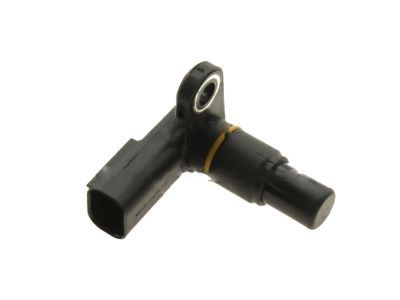
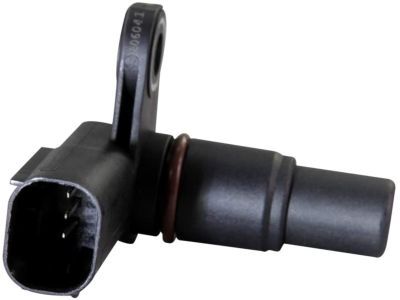
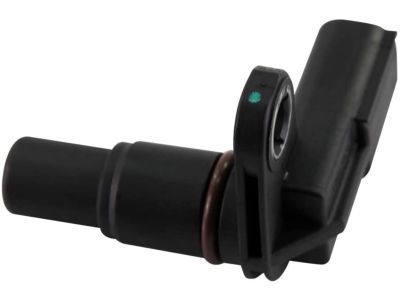
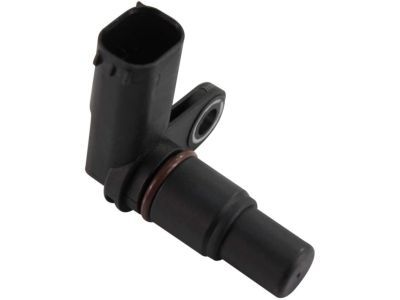
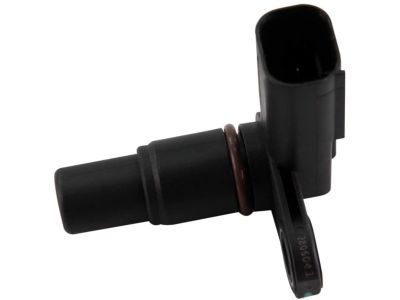
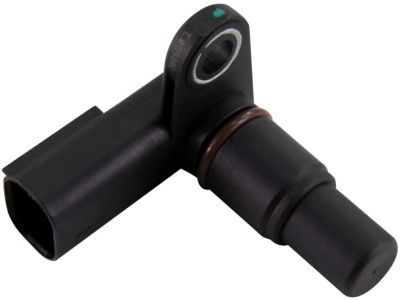

Mercury Camshaft Position Sensor Part Number: 9L8Z-6B288-B
$57.46 MSRP: $94.55You Save: $37.09 (40%)Product Specifications- Other Name: Sensor - Camshaft Position; Engine Camshaft Position Sensor; Camshaft Sensor; Camshaft Position Sen
- Manufacturer Note: Intake
- Replaces: 9L8Z-6B288-A
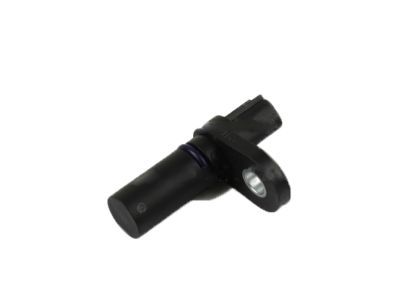
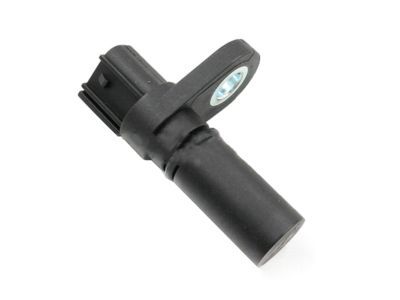
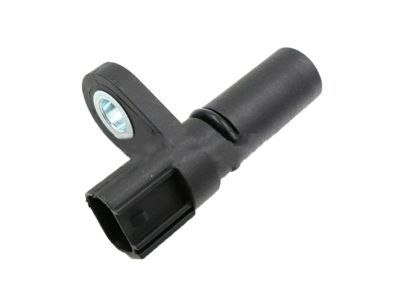
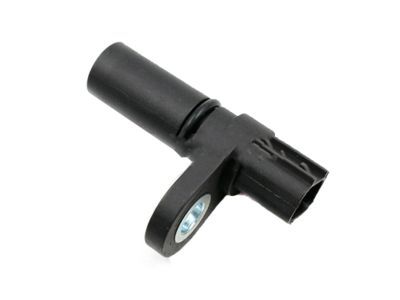
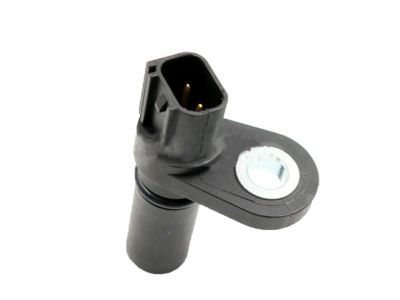
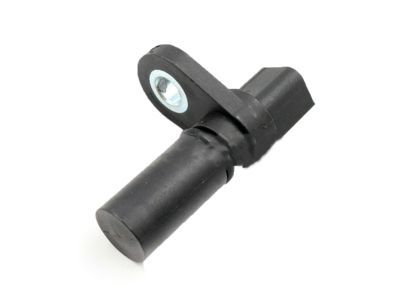
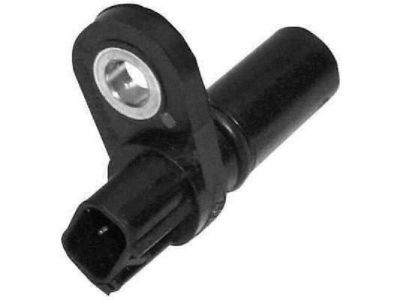
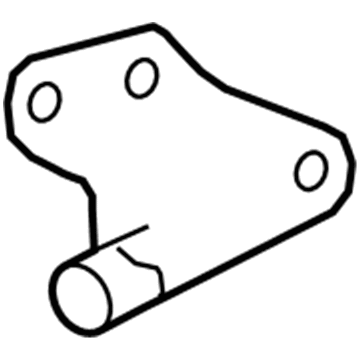
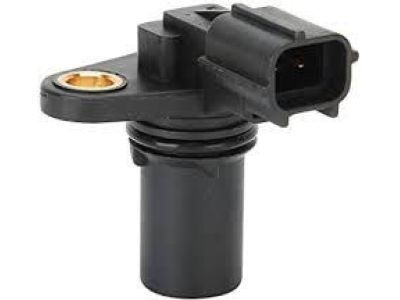
Mercury Camshaft Position Sensor Part Number: 1W7Z-6B288-AB
$31.26 MSRP: $49.64You Save: $18.38 (38%)Ships in 1-2 Business DaysProduct Specifications- Other Name: Sensor Assembly; Engine Camshaft Position Sensor; Camshaft Sensor; Position Sensor; Camshaft Position Sen
- Replaces: 1W7Z-6B288-AA

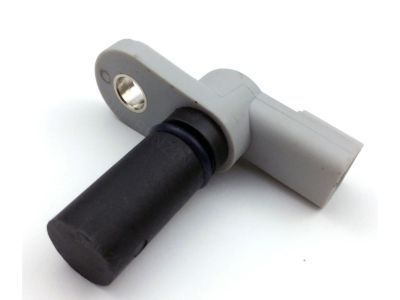
Mercury Camshaft Position Sensor Part Number: 1S7Z-6B288-AA
$22.10 MSRP: $35.09You Save: $12.99 (38%)Ships in 1-2 Business DaysProduct Specifications- Other Name: Sensor - Camshaft Position; Engine Camshaft Position Sensor; Camshaft Sensor; Sensor
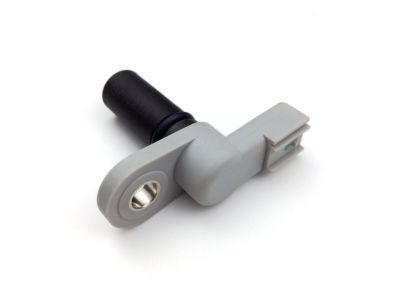
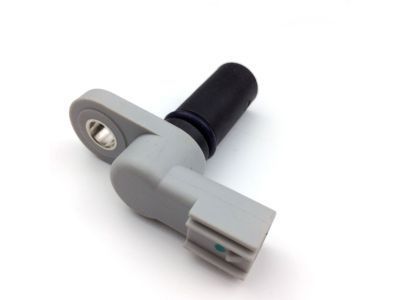
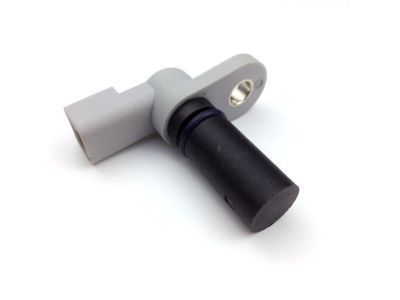

Mercury Camshaft Position Sensor Part Number: 1F3Z-6B288-AB
$29.54 MSRP: $46.91You Save: $17.37 (38%)Ships in 1-2 Business DaysProduct Specifications- Other Name: Sensor Assembly; Engine Camshaft Position Sensor; Camshaft Sensor
- Replaces: 1F3Z-6B288-AA
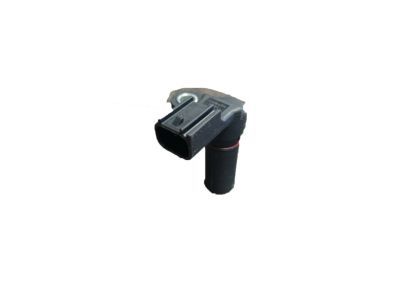
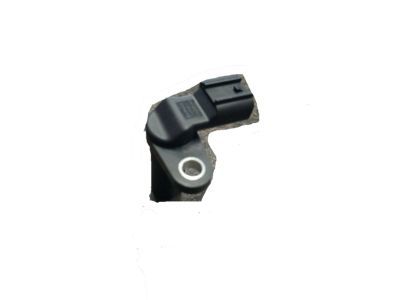
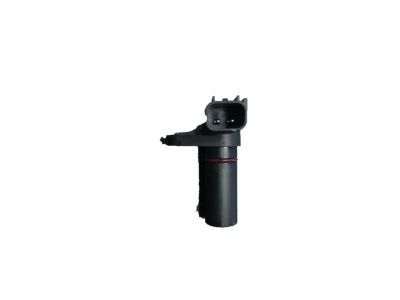
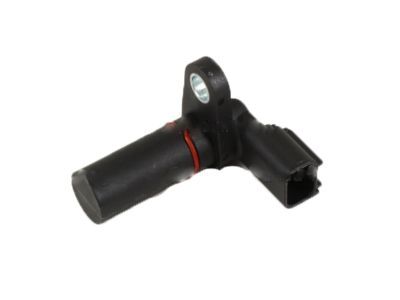
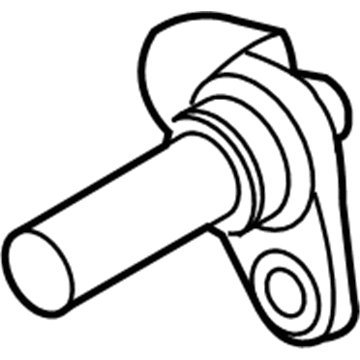
Mercury Camshaft Position Sensor Part Number: AT4Z-6B288-A
$33.09 MSRP: $52.55You Save: $19.46 (38%)Ships in 1 Business DayProduct Specifications- Other Name: Sensor Assembly; Engine Camshaft Position Sensor; Camshaft Sensor

Mercury Camshaft Position Sensor Part Number: F5RZ-6B288-A
$17.18 MSRP: $27.27You Save: $10.09 (37%)Ships in 1-2 Business DaysProduct Specifications- Other Name: Sensor Assembly; Engine Camshaft Position Sensor; Camshaft Sensor
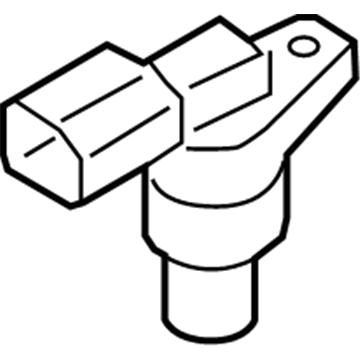
Mercury Camshaft Position Sensor Part Number: 6M8Z-6B288-D
$62.76 MSRP: $103.27You Save: $40.51 (40%)Ships in 1-2 Business DaysProduct Specifications- Other Name: Sensor - Camshaft Position; Engine Camshaft Position Sensor; Camshaft Sensor
- Replaces: 6M8Z-6B288-B, 6M8Z-12K073-AA, 6M8Z-6B288-C, DU-98, DU-96, DU-85
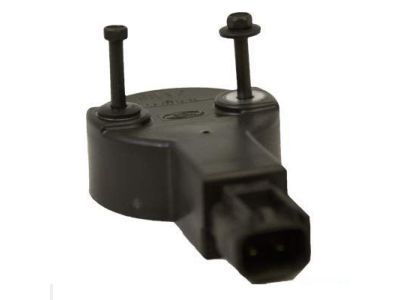
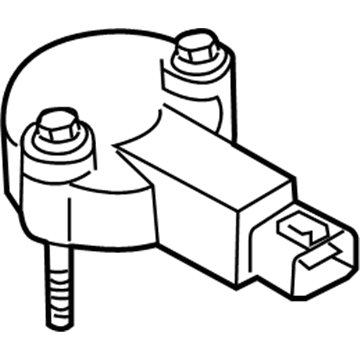
Mercury Camshaft Position Sensor Part Number: 1F1Z-6B288-BA
$31.88 MSRP: $49.33You Save: $17.45 (36%)Product Specifications- Other Name: Sensor Assembly; Engine Camshaft Position Sensor; Camshaft Sensor
- Replaces: XF1Z-12A112-AA
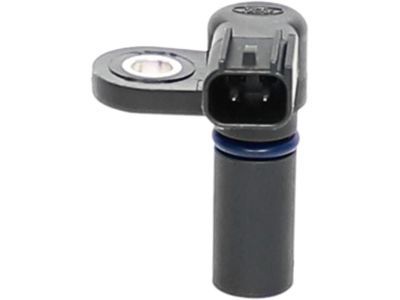
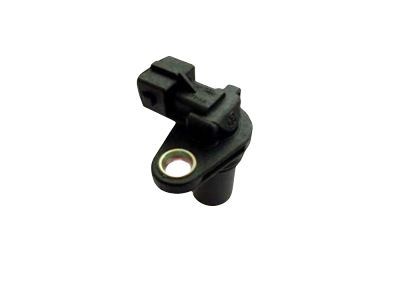
Mercury Camshaft Position Sensor Part Number: 1F1Z-6B288-AB
Product Specifications- Other Name: Sensor Assembly; Engine Camshaft Position Sensor; Camshaft Sensor
- Replaces: 1F1Z-6B288-AA

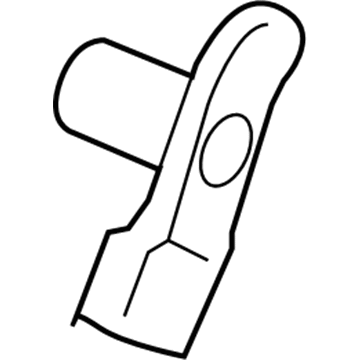
Mercury Camshaft Position Sensor Part Number: 5L2Z-6B288-A
$50.68 MSRP: $79.09You Save: $28.41 (36%)Product Specifications- Other Name: Sensor Assembly; Engine Camshaft Position Sensor; Camshaft Sensor
- Replaces: 1L2Z-6B288-AA
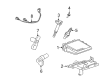
Mercury Camshaft Position Sensor, Driver Side Part Number: 3M4Z-6B288-BB
$22.09 MSRP: $34.18You Save: $12.09 (36%)Product Specifications- Other Name: Sensor Assembly; Engine Camshaft Position Sensor, Left; Camshaft Sensor
- Position: Driver Side
Mercury Camshaft Position Sensor, Passenger Side Part Number: 3M4Z-6B288-AB
$22.09 MSRP: $34.18You Save: $12.09 (36%)Product Specifications- Other Name: Sensor Assembly; Engine Camshaft Position Sensor, Right; Camshaft Sensor
- Position: Passenger Side
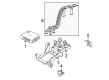
Mercury Camshaft Position Sensor Part Number: 1S4Z-6B288-AA
$29.85 MSRP: $46.18You Save: $16.33 (36%)Product Specifications- Other Name: Sensor Assembly; Engine Camshaft Position Sensor; Camshaft Sensor
- Manufacturer Note: Sensor asy. (Camshaft position) #1S4E 6B288-AA
- Replaces: F7CZ-6B288-AA
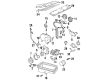
Mercury Camshaft Position Sensor Part Number: F8CZ-6B288-AA
Product Specifications- Other Name: Sensor Assembly; Engine Camshaft Position Sensor; Engine Crankshaft Position Sensor; Camshaft Sensor; Camshaft Position Sen
Mercury Camshaft Position Sensor
If you own Mercury and want to keep it in top shape, choosing OEM Camshaft Position Sensor is a smart move. They are precisely engineered and follow strict factory standards. They are made in advanced facilities that use cutting edge technology. Each part goes through thorough testing to confirm strength and safety, so you can trust it. FordPartsDeal.com gives you genuine Mercury Camshaft Position Sensor at some of the affordable online prices without cutting quality. Every OEM Mercury part includes the manufacturer's warranty, easy returns, and super-fast delivery. So why wait? Shop now and get your vehicle back to peak condition.
Mercury Camshaft Position Sensor immediately provides the computer with the camshaft angle so that the engine can fire accurately. Mercury created a niche by combining flowing suspensions and choppy lines, providing drivers with a quiet in-car experience, relaxed steering, and a name taken directly out of the fast Roman messenger. Mercury continued improving every issue, with cost against features such as heavier soundproofing and comfortable seats that made the commute less exhausting. Mercury also pushed simple tech early on, and thus the owners received useful enhancements without overcharging them. Decades of coupes and sedans represented a driving experience that was mature but never boring, a quality that many competitors sought. The cars continued to demonstrate that middle-ground philosophy is effective even after being discontinued in production in 2011 and provided value well past the lights dimmed at showrooms. On many engines, the Camshaft Position Sensor is found above the cam with the magnet directly facing the rotor. The Camshaft Position Sensor in any Mercury you are driving works in conjunction with the crank sensor to ensure that the pulses of fuel are directed to the engine at the time the intake valves are open. A worn-out Camshaft Position Sensor transmits wavy signals, and the ECU makes guesses and causes misfires or harsh idling. Change the Camshaft Position Sensor as soon as there is a small indication of stalling in order to maintain timing between sparks and injections. Periodic checks of voltages and clean connectors prevent false alarms and prevent chasing phantom faults on the control module.
Mercury Camshaft Position Sensor Parts and Q&A
- Q:How to Service the Camshaft Position Sensor on Mercury Grand Marquis?A:The process of servicing the camshaft position (CMP) sensor requires disconnecting both the battery ground cable then disassembling the CMP sensor electrical connector. The next step requires CMP bolt removal followed by installing it tightly to 10 Nm (89 lb-in). Install the new sensor by following the steps of reverse removal order for the CMP sensor.
- Q:How to Service the Camshaft Position Sensor on Mercury Mariner?A:Service of the Camshaft Position (CMP) sensor begins with separating the battery ground cable and CMP sensor electrical connector. The CMP sensor needs its bolt removed before operators can remove the sensor from the system. It is essential to secure the new CMP sensor bolt at 7 Nm (62 lb-in) while checking the O-ring seal for damage and performing a necessary replacement of the seal. Engine oil of high quality should be applied to the CMP O-ring seal before installing it. Complete the installation by undoing the procedures in the reverse order.
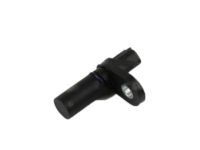
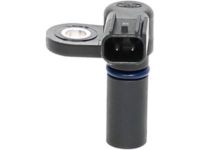
Related Mercury Parts
 Mercury Relay
 Mercury Distributor
 Mercury Distributor Cap
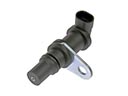 Mercury Crankshaft Position Sensor
 Mercury Engine Control Module
 Mercury Fuel Level Sensor
 Mercury Igniter
 Mercury Ignition Coil Boot
 Mercury Ignition Control Module
 Mercury Intake Manifold Temperature Sensor
 Mercury PCV Hose
 Mercury PCV Valve Hose