FordParts
My Garage
My Account
Cart
OEM Ford ABS Sensor
ABS Wheel Speed Sensor- Select Vehicle by Model
- Select Vehicle by VIN
Select Vehicle by Model
orMake
Model
Year
Select Vehicle by VIN
For the most accurate results, select vehicle by your VIN (Vehicle Identification Number).
319 ABS Sensors found
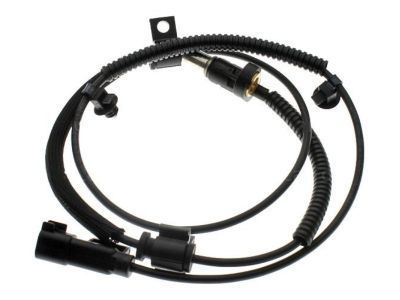
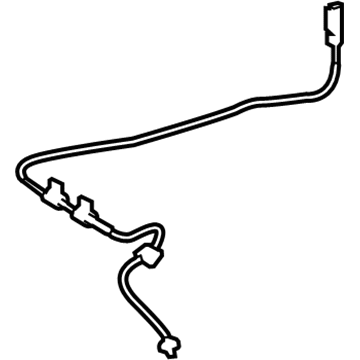
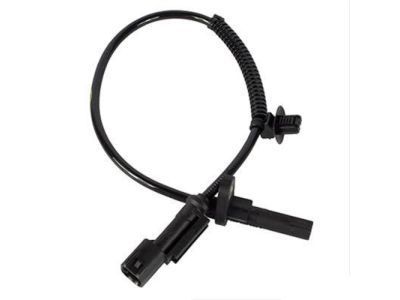
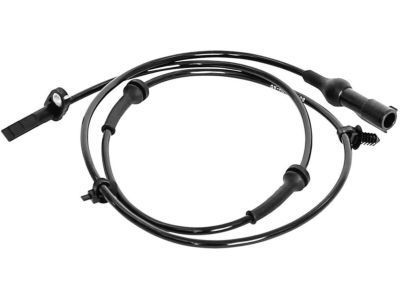
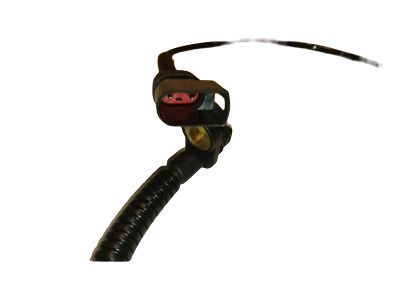
Ford ABS Sensor, Front Part Number: BC3Z-2C204-A
$79.45 MSRP: $130.73You Save: $51.28 (40%)Ships in 1-2 Business DaysProduct Specifications- Other Name: Sensor Assembly; ABS Wheel Speed Sensor, Front; ABS Speed Sensor; Front Speed Sensor; ABS Wheel Speed Sensor
- Manufacturer Note: RH/LH
- Position: Front
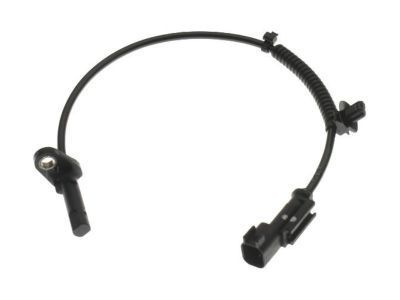
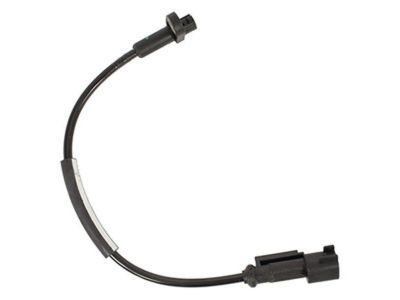
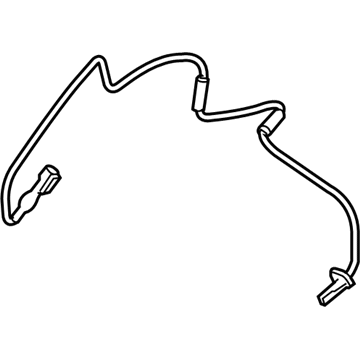
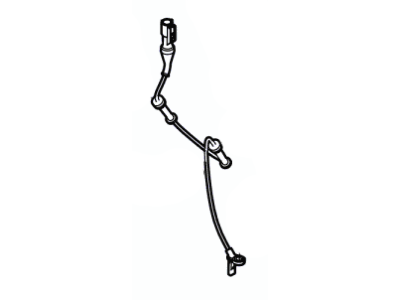
Ford ABS Sensor Part Number: BK3Z-2C204-C
$36.07 MSRP: $57.27You Save: $21.20 (38%)Ships in 1 Business DayProduct Specifications- Other Name: Sensor Assembly; Rear Speed Sensor; Front Speed Sensor
- Replaces: BRAB-619, KK3Z-2C190-D
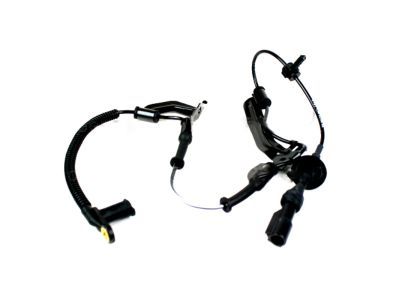
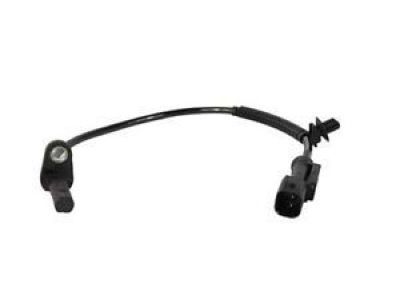
Ford ABS Sensor, Front Passenger Side Part Number: 9L8Z-2C204-A
$49.06 MSRP: $80.73You Save: $31.67 (40%)Ships in 1-2 Business DaysProduct Specifications- Other Name: Sensor Assembly; ABS Wheel Speed Sensor, Front Right; Front Speed Sensor
- Position: Passenger Side
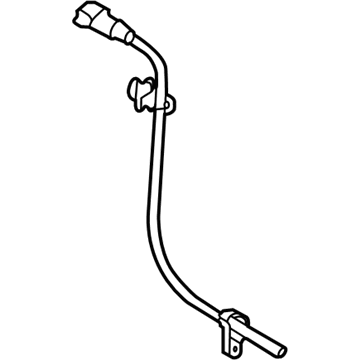
Ford ABS Sensor, Front Driver Side Part Number: 8G1Z-2C204-A
$51.02 MSRP: $85.49You Save: $34.47 (41%)Ships in 1-2 Business DaysProduct Specifications- Other Name: Sensor Assembly; ABS Wheel Speed Sensor, Front, Front Left, Front Right; ABS Speed Sensor; Front Speed Sensor; ABS Wheel Speed Sensor
- Manufacturer Note: RH/LH
- Position: Front Driver Side
- Replaces: 5F9Z-2C204-AA, 7F9Z-2C204-A
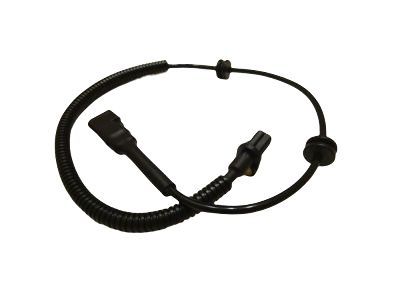
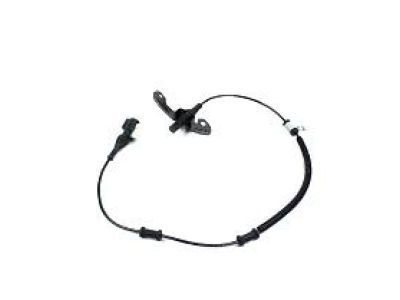
Ford ABS Sensor, Rear Passenger Side Part Number: YS4Z-2C190-BB
$53.27 MSRP: $89.27You Save: $36.00 (41%)Product Specifications- Other Name: Sensor Assembly; ABS Wheel Speed Sensor, Rear Left, Rear Right; Rear Speed Sensor; ABS Wheel Speed Sensor
- Position: Passenger Side
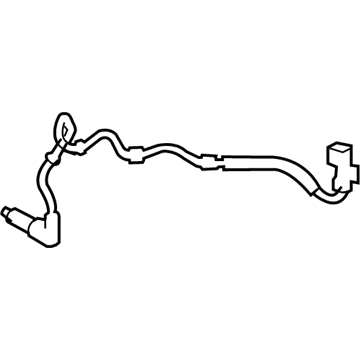
Ford ABS Sensor, Front Passenger Side Part Number: 8C2Z-2C204-B
$55.34 MSRP: $92.73You Save: $37.39 (41%)Ships in 1 Business DayProduct Specifications- Other Name: Sensor Assembly; ABS Wheel Speed Sensor, Front Right; ABS Speed Sensor; Front Speed Sensor; ABS Wheel Speed Sensor
- Position: Passenger Side
- Replaces: 8C2Z-2C204-AR
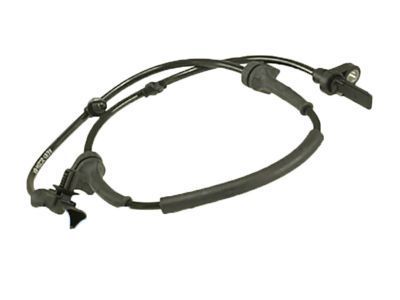
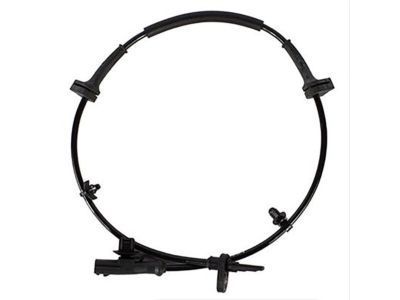
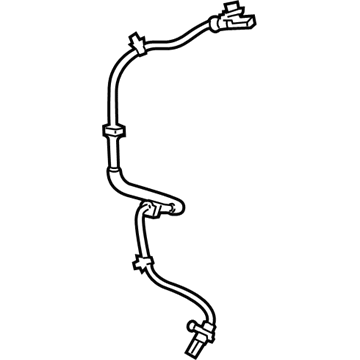
Ford ABS Sensor, Front Part Number: AE8Z-2C204-A
$55.77 MSRP: $93.45You Save: $37.68 (41%)Ships in 1-2 Business DaysProduct Specifications- Other Name: Sensor Assembly; ABS Wheel Speed Sensor, Front; Front Speed Sensor
- Manufacturer Note: RH/LH
- Position: Front
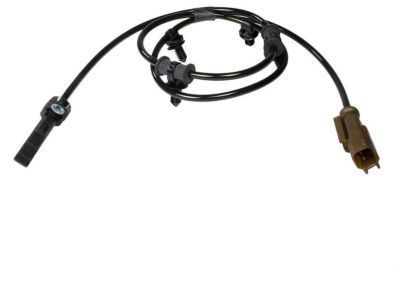
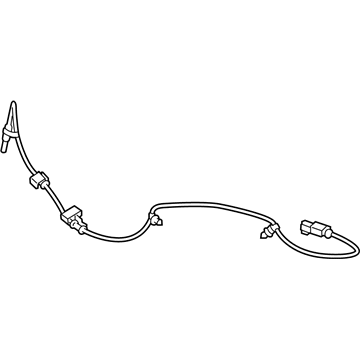
Ford ABS Sensor, Rear Passenger Side Part Number: CT4Z-2C190-AB
$57.07 MSRP: $95.64You Save: $38.57 (41%)Ships in 1-2 Business DaysProduct Specifications- Other Name: Sensor Assembly; ABS Wheel Speed Sensor, Rear Right; Rear Speed Sensor
- Manufacturer Note: Rear
- Position: Passenger Side
- Replaces: BRAB-346, CT4Z-2C190-A
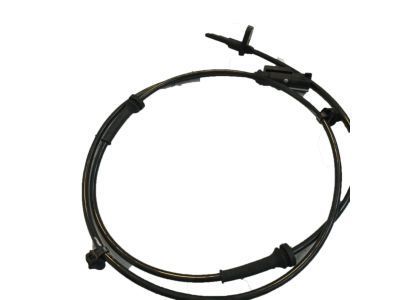
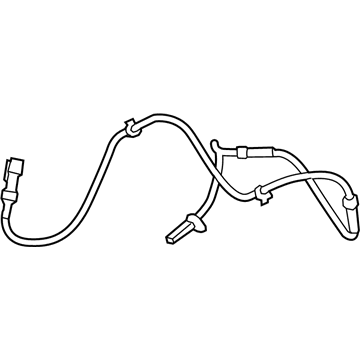
Ford ABS Sensor, Front Part Number: CB5Z-2C204-A
$58.66 MSRP: $98.29You Save: $39.63 (41%)Ships in 1-2 Business DaysProduct Specifications- Other Name: Sensor Assembly; ABS Wheel Speed Sensor, Front; Front Speed Sensor
- Position: Front
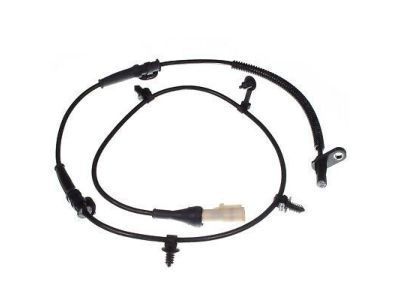
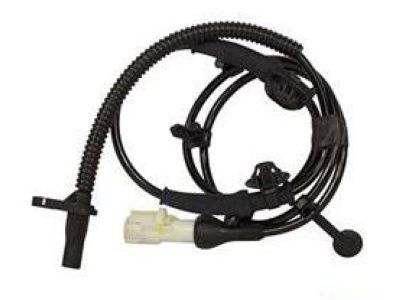
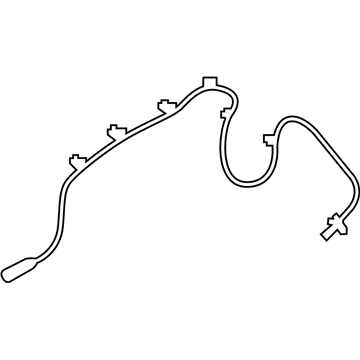
Ford ABS Sensor, Front Driver Side Part Number: DT4Z-2C205-AB
$63.32 MSRP: $104.18You Save: $40.86 (40%)Ships in 1-2 Business DaysProduct Specifications- Other Name: Sensor Assembly; ABS Wheel Speed Sensor, Front Left; ABS Wheel Speed Sensor; ABS Speed Sensor; Front Speed Sensor
- Position: Driver Side
- Replaces: BRAB-359, 9T4Z-2C205-B, DT4Z-2C205-A, BRAB-312
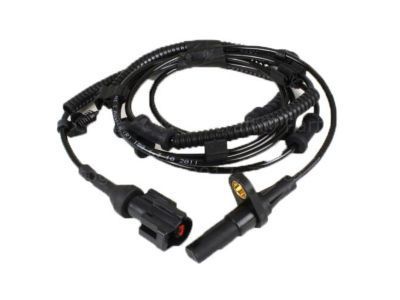
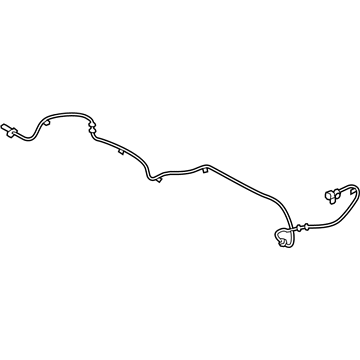
Ford ABS Sensor, Rear Passenger Side Part Number: AL3Z-2C190-C
$63.73 MSRP: $107.00You Save: $43.27 (41%)Ships in 1-2 Business DaysProduct Specifications- Other Name: Sensor Assembly; ABS Wheel Speed Sensor, Rear Right; Rear Speed Sensor; ABS Wheel Speed Sensor
- Position: Passenger Side
- Replaces: 9L3Z-2C190-A
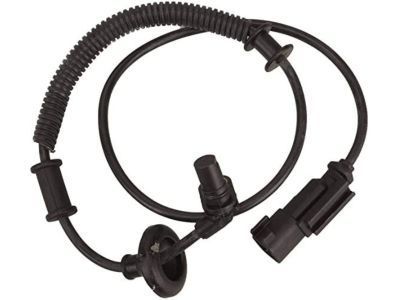
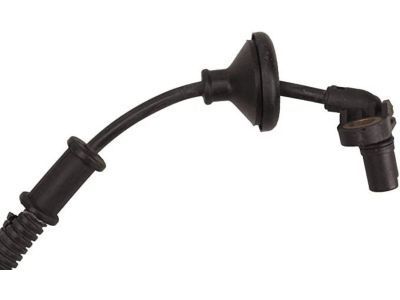
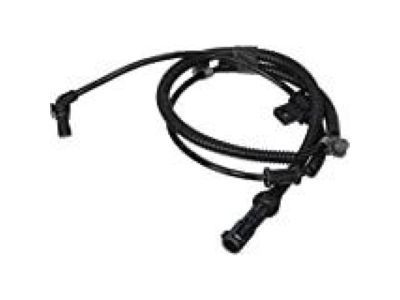
Ford ABS Sensor, Rear Part Number: BL1Z-2C190-A
$69.42 MSRP: $116.55You Save: $47.13 (41%)Ships in 1-3 Business DaysProduct Specifications- Other Name: Sensor Assembly; ABS Wheel Speed Sensor, Rear; Rear Speed Sensor
- Manufacturer Note: Rear
- Position: Rear
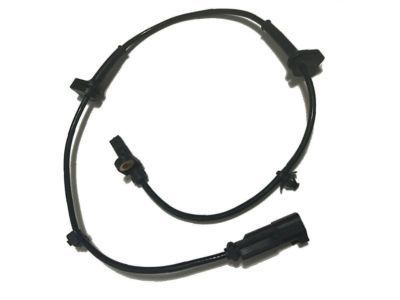
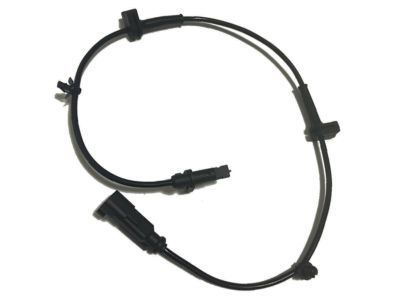
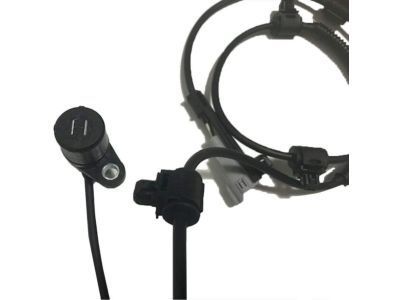
Ford ABS Sensor, Front Part Number: BE8Z-2C204-B
$71.15 MSRP: $119.45You Save: $48.30 (41%)Ships in 1-2 Business DaysProduct Specifications- Other Name: Sensor Assembly; ABS Wheel Speed Sensor, Front; Front Speed Sensor
- Manufacturer Note: RH/LH
- Position: Front
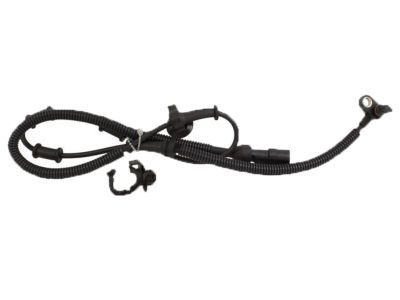
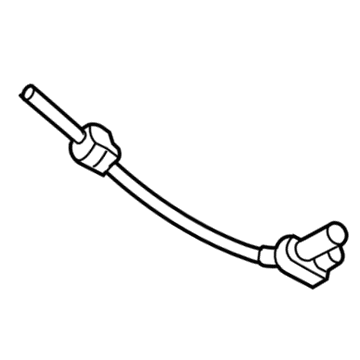
Ford ABS Sensor, Front Driver Side Part Number: 4L2Z-2C204-C
$72.02 MSRP: $120.91You Save: $48.89 (41%)Ships in 1-2 Business DaysProduct Specifications- Other Name: Sensor Assembly; ABS Wheel Speed Sensor, Front Left, Front Right; ABS Wheel Speed Sensor; ABS Speed Sensor; Speed Sensor; Front Speed Sensor
- Position: Front Driver Side
- Replaces: 1L2Z-2C204-AC, 3C5Z-2C204-AA, 3L2Z-2C204-AA, 4L2Z-2C204-B, 4L2Z-2C204-A, BRAB-12, BRAB-405, BRAB-469
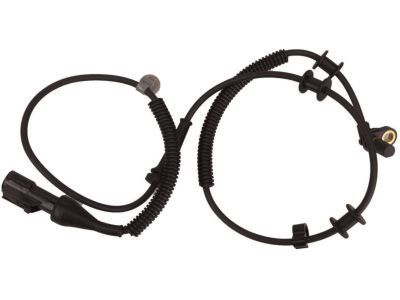
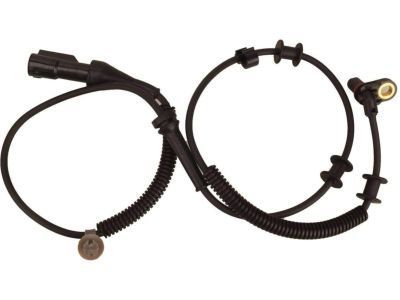
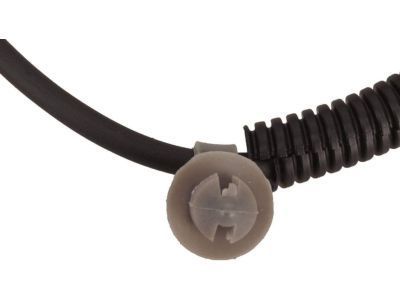
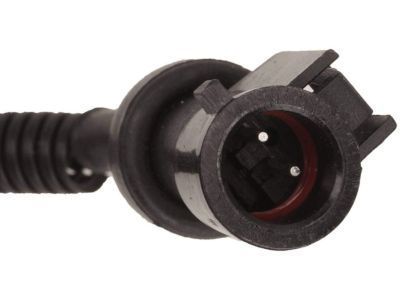
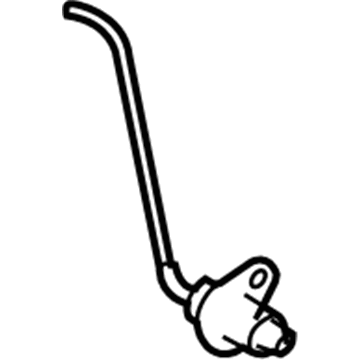
Ford ABS Sensor, Front Passenger Side Part Number: 4L3Z-2C204-AB
$101.37 MSRP: $170.18You Save: $68.81 (41%)Ships in 1-3 Business DaysProduct Specifications- Other Name: Sensor Assembly; ABS Wheel Speed Sensor, Front Left, Front Right; ABS Wheel Speed Sensor
- Position: Front Passenger Side
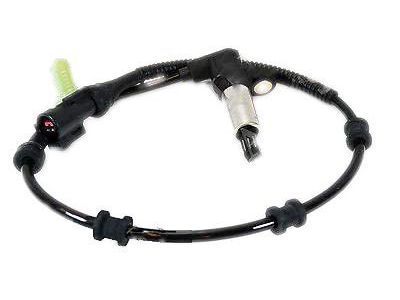
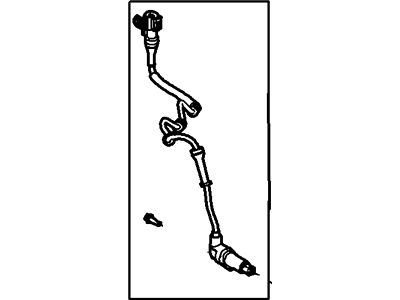
Ford ABS Sensor, Passenger Side Part Number: 6C2Z-2C204-AA
$103.53 MSRP: $173.82You Save: $70.29 (41%)Ships in 1-2 Business DaysProduct Specifications- Other Name: Sensor Assembly; ABS Wheel Speed Sensor; Front Speed Sensor
- Position: Passenger Side
- Replaces: 4C2Z-2C204-AA
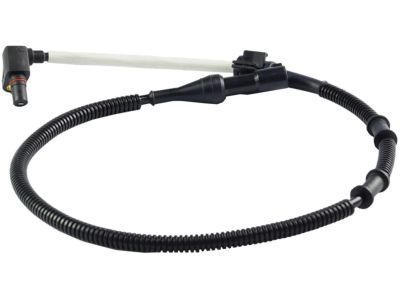
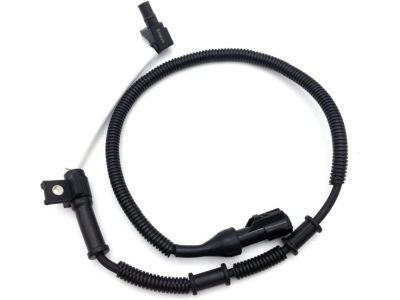
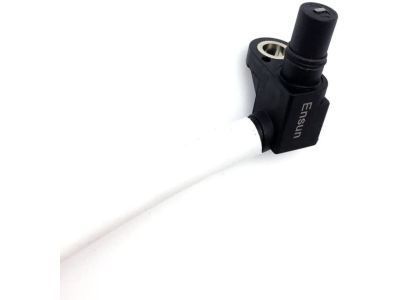
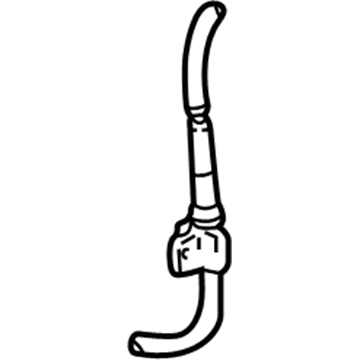
Ford Speed Sensor, Front Driver Side Part Number: XL3Z-2C204-CB
$136.08 MSRP: $229.09You Save: $93.01 (41%)Product Specifications- Other Name: Sensor Assembly; ABS Wheel Speed Sensor, Front, Front Left, Front Right; ABS Sensor; ABS Wheel Speed Sensor
- Position: Front Driver Side
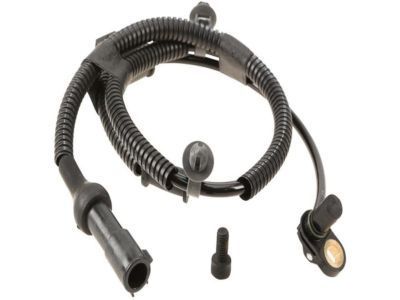
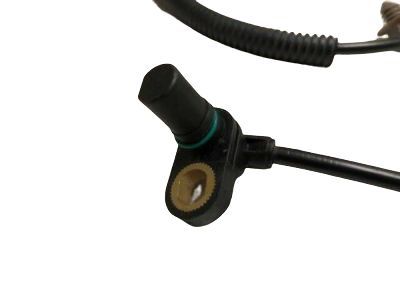
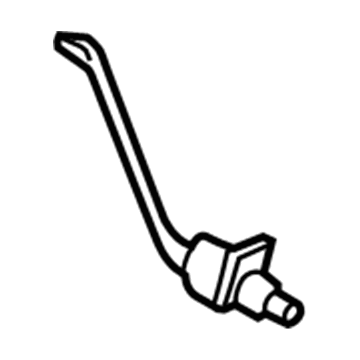
Ford ABS Sensor, Front Passenger Side Part Number: 9L3Z-2C204-A
$140.40 MSRP: $236.36You Save: $95.96 (41%)Ships in 1 Business DayProduct Specifications- Other Name: Sensor Assembly; ABS Wheel Speed Sensor, Front, Front Left, Front Right; ABS Speed Sensor; Front Speed Sensor; ABS Wheel Speed Sensor
- Manufacturer Note: Service Kit
- Position: Front Passenger Side
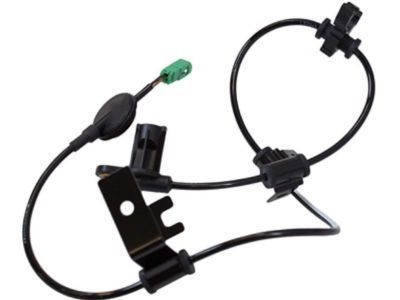
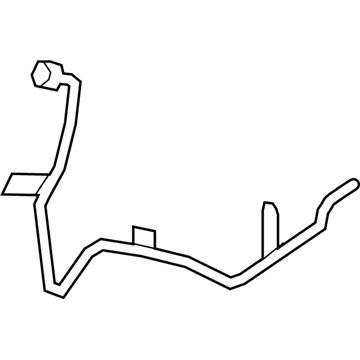
Ford ABS Sensor, Rear Driver Side Part Number: 9L8Z-2C191-A
$56.13 MSRP: $90.55You Save: $34.42 (39%)Ships in 1-2 Business DaysProduct Specifications- Other Name: Sensor Assembly; ABS Wheel Speed Sensor, Rear Left; Rear Speed Sensor
- Manufacturer Note: Rear
- Position: Driver Side
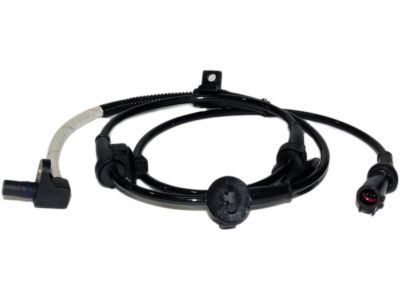
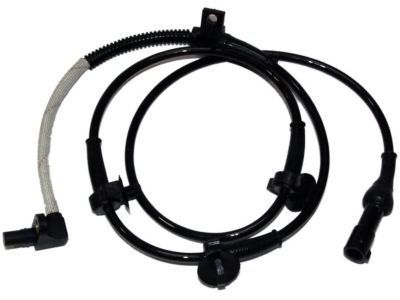
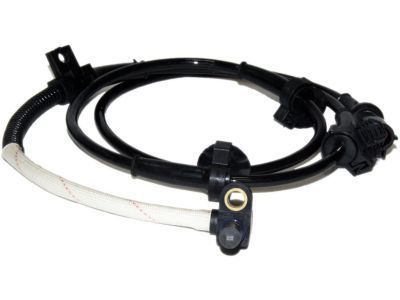
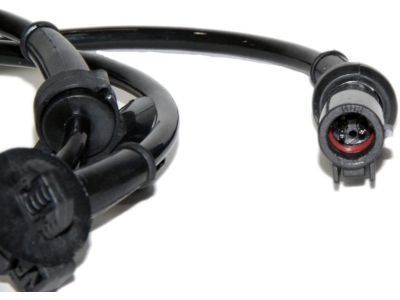
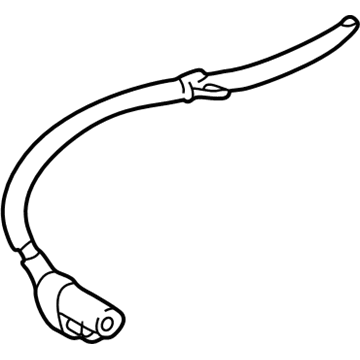
Ford ABS Sensor, Front Part Number: XL2Z-2C204-AB
Product Specifications- Other Name: Sensor Assembly; ABS Wheel Speed Sensor, Front, Front Left, Front Right; Front Speed Sensor; ABS Wheel Speed Sensor
- Position: Front
- Replaces: YL5Z-2C204-AB
| Page 1 of 16 |Next >
1-20 of 319 Results
Ford ABS Sensor
If you own Ford and want to keep it in top shape, choosing OEM ABS Sensor is a smart move. They are precisely engineered and follow strict factory standards. They are made in advanced facilities that use cutting edge technology. Each part goes through thorough testing to confirm strength and safety, so you can trust it. FordPartsDeal.com gives you genuine Ford ABS Sensor at some of the affordable online prices without cutting quality. Every OEM Ford part includes the manufacturer's warranty, easy returns, and super-fast delivery. So why wait? Shop now and get your vehicle back to peak condition.
Ford ABS Sensor holds the wheels turning freely when brakes are hard, skidding off before they begin. Henry had initiated the audacious production line in 1903 and Ford was never going to give up on faster constructions and reduced expenditure. Ford subsequently abandoned EcoBoost engines that punch bigger than their size and drink less, demonstrating that power and economy do not have to be in conflict. Ford also included SYNC voice technology to allow drivers not to waste time now that they have to grab the screen and focus on the road. Ford is also launching Co-Pilot360 assist, such as automatic braking and roadside warnings, to help avoid frequent accidents. Electric trucks like the F-150 Lightning contribute to silent torque and zero tailpipe fumes and demonstrate that the company is adapting instead of looking back. Muscle coupes and battery SUVs make up the lineup, which is characterized by an emphasis on technology that can make the average commute not so stressful. ABS Sensor measures the rotation of each of the wheels using magnetic pulses and transmits the split-second data to the brake computer. The ABS Sensor works by comparing the signals with the car speed, which pulses the hydraulic valves dozens of times per second to enable grip back when using slick gravel or ice. ABS Sensor is rugged, shunning heat, water, and salt because of closed wiring and heavy housings. ABS Sensor also has trouble at slow speeds (below walking speed), but at actual driving speed, it reacts quicker than driver reaction time in reducing stop distances and steering drag.
Ford ABS Sensor Parts and Q&A
- Q:How to service the front ABS sensor on Ford Mustang?A:The front ABS sensor service begins with disconnection of the battery ground cable. Move the vehicle to a secure position on the hoist by placing it in neutral. The first step includes detachment of the ABS sensor connector followed by removal of three pin retainers from the ABS sensor harness. First disconnect the two grommet holders of the ABS sensor from their positions on brake hose clips and then unscrew the bolt holding the ABS sensor while maintaining a torque of 15 Nm (11 ft. lbs.) when reinstalling. To finish the installation process follow the reverse procedure after removing both the ABS sensor together with the harness assembly.
- Q:How to service and repair the front ABS sensor for a 4x2 on Ford Ranger?A:The vehicle servicing process for front ABS sensor repairs in 4x2 vehicles begins with vehicle elevation along with supportive measures. Detach the front ABS sensor wire from both the vehicle frame where it meets the electrical connector before unhooking the wire from the frame. The front ABS sensor needs removal through removal of its mounting bolt until the sensor can be extracted. Before applying grease, the sensor mount must be filled with a stopper and the mounting surface needs complete cleaning. The finishing stage of installation requires performing the steps in reverse order of the removal process.
Related Ford Parts
 Ford Brake Pads
 Ford Brake Dust Shields
 Ford Brake Master Cylinder
 Ford Brake Pedal
 Ford Brake Proportioning Valve
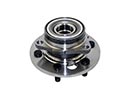 Ford Wheel Hub
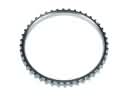 Ford ABS Reluctor Ring
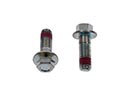 Ford Brake Caliper Bolt
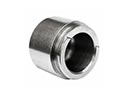 Ford Brake Caliper Piston
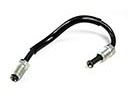 Ford Brake Line
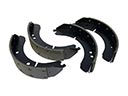 Ford Brake Shoe Set
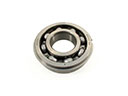 Ford Transfer Case Bearing
Browse Ford ABS Sensor by Models
Ranger Bronco Mustang Explorer Focus Fusion F-150 Maverick Escape Edge Excursion Expedition Fiesta Taurus Thunderbird Flex Transit Connect Bronco Sport Explorer Sport Trac Crown Victoria EcoSport Escort F-250 Aspire C-Max Contour E-150 Econoline Explorer Sport Five Hundred Freestar Freestyle Mustang Mach-E Police Interceptor Utility Taurus X Windstar F-350 Super Duty Police Interceptor Sedan E-150 E-150 Club Wagon E-150 Econoline Club Wagon E-250 E-250 Econoline E-350 Club Wagon E-350 Econoline E-350 Econoline Club Wagon E-350 Super Duty E-Transit F-150 Heritage F-150 Lightning F-250 HD F-250 Super Duty Police Responder Hybrid Special Service Police Sedan SSV Plug-In Hybrid Transit-150 Transit-250 Transit-350 Transit-350 HD