FordParts
My Garage
My Account
Cart
OEM Ford Brake Shoe
Brake Shoe Set- Select Vehicle by Model
- Select Vehicle by VIN
Select Vehicle by Model
orMake
Model
Year
Select Vehicle by VIN
For the most accurate results, select vehicle by your VIN (Vehicle Identification Number).
57 Brake Shoes found
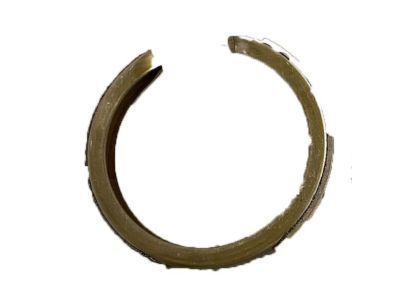
Ford Parking Brake Shoes, Rear Part Number: AT4Z-2A753-A
$45.46 MSRP: $72.18You Save: $26.72 (38%)Ships in 1-2 Business DaysProduct Specifications- Other Name: Kit - Parking Brake Linings; Parking Brake Shoe, Rear; Shoes; Parking Brake Shoe
- Position: Rear
- Replaces: 7T4Z-2A753-A
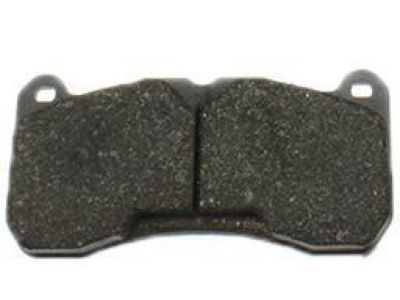
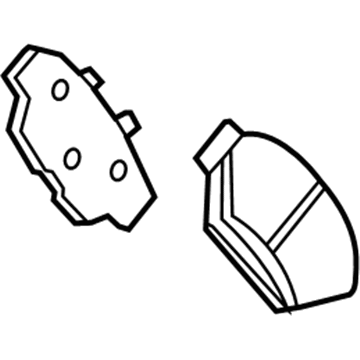
Ford Brake Pads, Front Part Number: DR3Z-2001-D
$154.70 MSRP: $233.33You Save: $78.63 (34%)Ships in 1-2 Business DaysProduct Specifications- Other Name: Kit - Brake Lining; Disc Brake Pad Set, Front; Front Pads
- Position: Front
- Replaces: DR3Z-2001-B, DR3Z-2001-BB
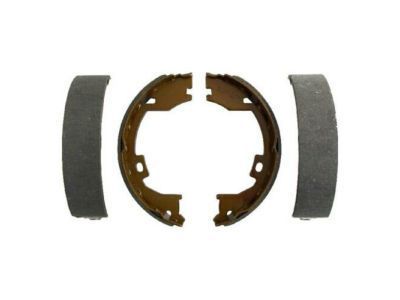
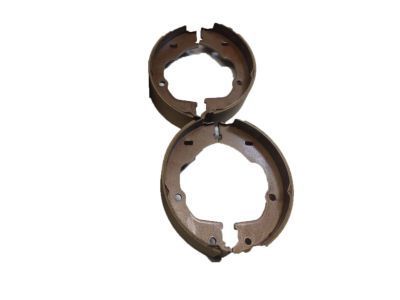
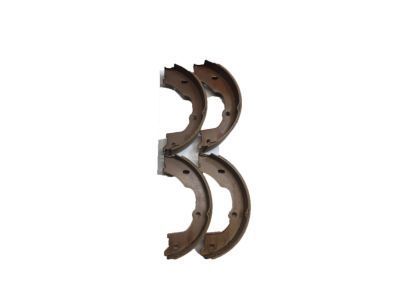
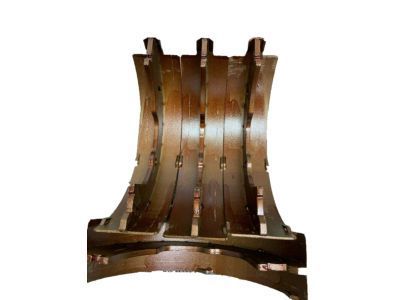
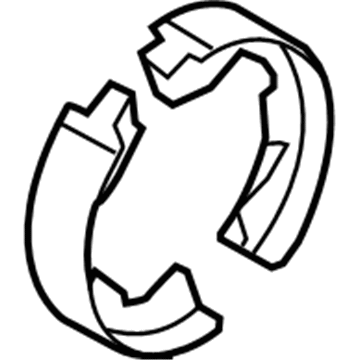
Ford Parking Brake Shoes, Rear Part Number: 8C3Z-2648-B
$72.02 MSRP: $120.91You Save: $48.89 (41%)Ships in 1-2 Business DaysProduct Specifications- Other Name: Kit - Brake Shoe And Lining; Parking Brake Shoe, Rear; Shoes; Parking Brake Shoe
- Position: Rear
- Replaces: 5C3Z-2648-BA
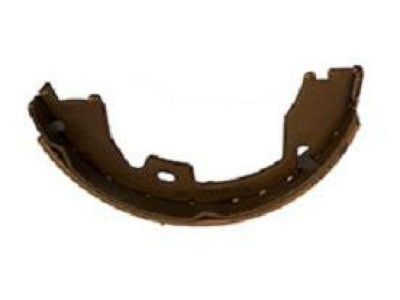
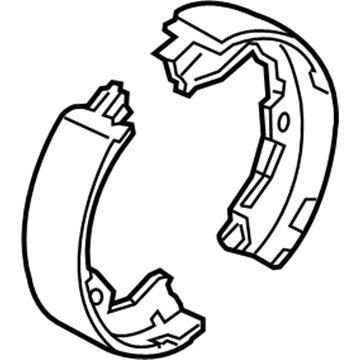
Ford Parking Brake Shoes, Rear Part Number: BC3Z-2648-A
$46.97 MSRP: $76.73You Save: $29.76 (39%)Ships in 1-2 Business DaysProduct Specifications- Other Name: Kit - Parking Brake Linings; Parking Brake Shoe, Rear; Shoes; Parking Brake Shoe
- Position: Rear
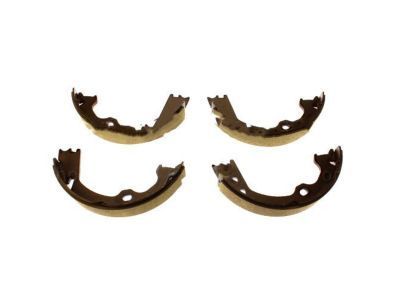
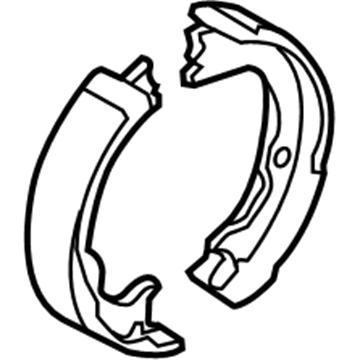
Ford Parking Brake Shoes, Rear Part Number: CL3Z-2648-B
$45.80 MSRP: $72.73You Save: $26.93 (38%)Ships in 1-2 Business DaysProduct Specifications- Other Name: Kit - Parking Brake Linings; Parking Brake Shoe, Rear; Shoes; Parking Brake Shoe
- Manufacturer Note: Kit (RH And LH Sides)
- Position: Rear
- Replaces: CL3Z-2648-A
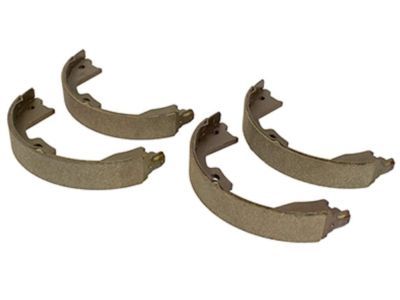
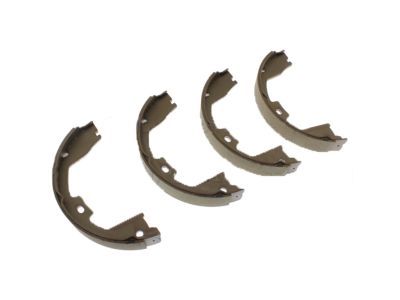
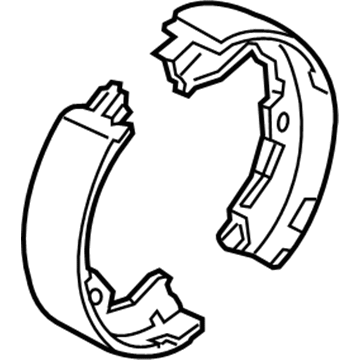
Ford Parking Brake Shoes, Rear Part Number: DC3Z-2648-A
$55.36 MSRP: $91.09You Save: $35.73 (40%)Ships in 1-2 Business DaysProduct Specifications- Other Name: Kit - Parking Brake Linings; Parking Brake Shoe, Rear; Shoes; Parking Brake Shoe
- Manufacturer Note: One Kit Will Service Both Sides
- Position: Rear
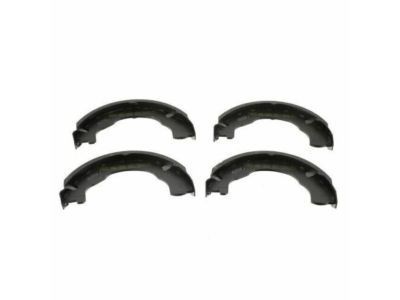
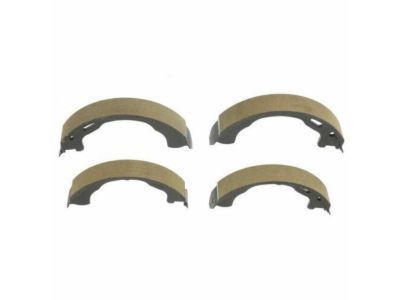
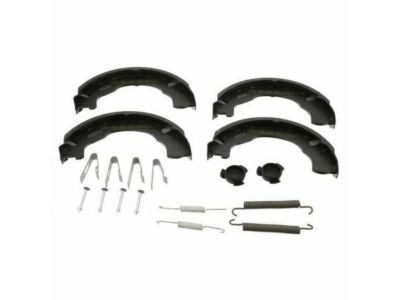
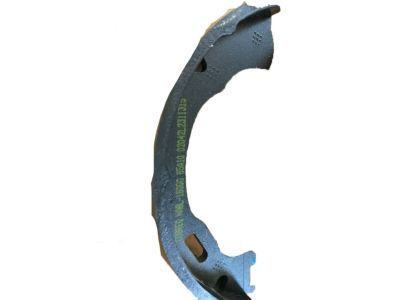
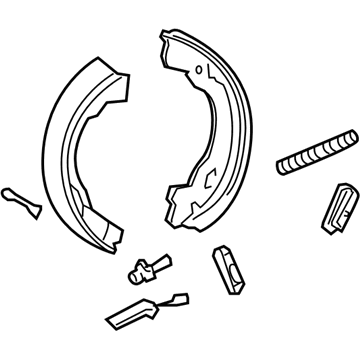
Ford Parking Brake, Rear Part Number: 6L2Z-2648-A
$60.32 MSRP: $101.27You Save: $40.95 (41%)Ships in 1-2 Business DaysProduct Specifications- Other Name: Kit - Brake Shoe And Lining; Parking Brake Shoe, Rear; Parking Brake Shoes; Shoes; Parking Brake Shoe
- Position: Rear
- Replaces: 5L2Z-2648-A
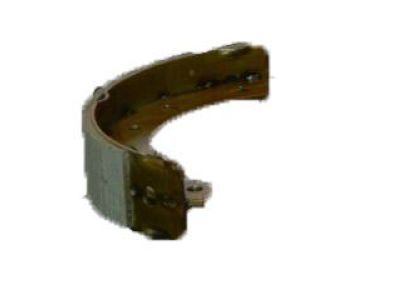
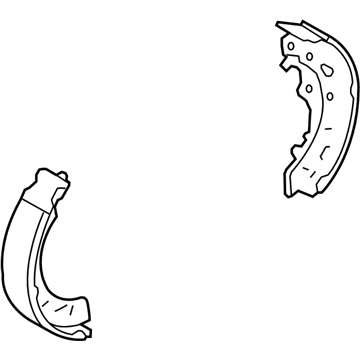
Ford Brake Shoes, Rear Part Number: BV6Z-2200-A
$66.29 MSRP: $99.98You Save: $33.69 (34%)Ships in 1-2 Business DaysProduct Specifications- Other Name: Kit - Brake Lining; Drum Brake Shoe, Rear; Parking Brake Shoe; Rear Shoes; Drum Brake Shoe
- Position: Rear
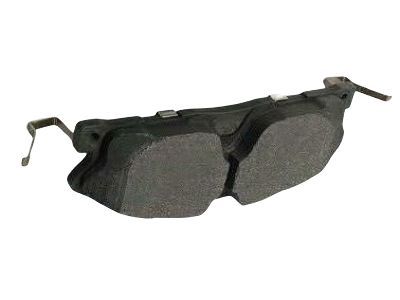
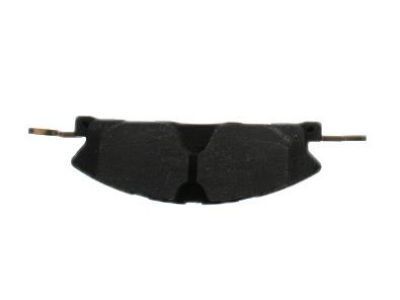
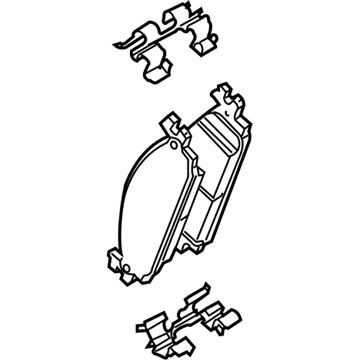
Ford Brake Pads, Front Part Number: DG1Z-2001-F
$162.44 MSRP: $245.00You Save: $82.56 (34%)Ships in 1 Business DayProduct Specifications- Other Name: Kit - Brake Lining; Disc Brake Pad Set, Front; Disc Brake Pad Kit; Disc Brake Pad Set; Front Pads
- Position: Front
- Replaces: BRF-17, DG1Z-2001-E, DG1Z-2001-B, BRF-1435
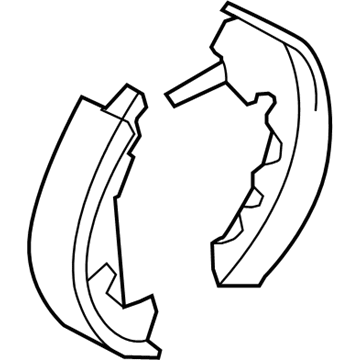
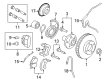
Ford Brake Shoes, Rear Part Number: LU2Z-2V200-J
$45.07 MSRP: $66.65You Save: $21.58 (33%)Ships in 1-2 Business DaysProduct Specifications- Other Name: Pad - Brake; Drum Brake Shoe, Rear; Parking Brake Shoe; Rear Shoes; Shoes
- Position: Rear
- Replaces: 8L8Z-2200-B, 8L8Z-2200-BD, BRF-936, 8L8Z-2V200-A
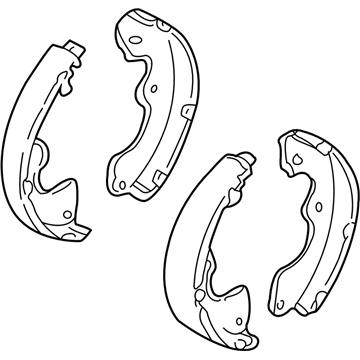
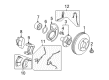
Ford Brake Shoes, Rear Part Number: LU2Z-2V200-K
$44.51 MSRP: $66.65You Save: $22.14 (34%)Ships in 1-2 Business DaysProduct Specifications- Other Name: Pad - Brake; Drum Brake Shoe, Rear; Parking Brake Shoe; Rear Shoes
- Position: Rear
- Replaces: 1U2Z-2V200-RBRM, 6L8Z-2200-A, BR-11441-A, YL8Z-2200-AB, BRF-1421
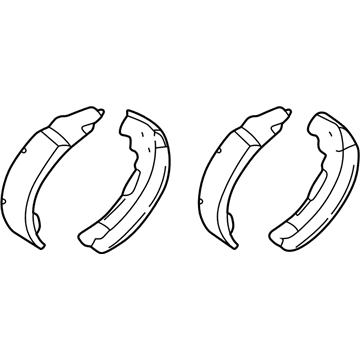
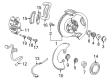
Ford Brake Shoes, Rear Part Number: F77Z-2200-BA
$66.29 MSRP: $99.98You Save: $33.69 (34%)Ships in 1-2 Business DaysProduct Specifications- Other Name: Kit - Brake Shoe And Lining; Drum Brake Shoe, Rear; Parking Brake Shoe; Drum Brake Shoe; Shoes
- Position: Rear
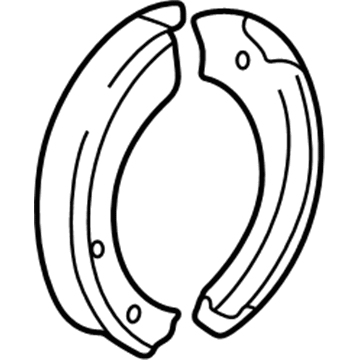
Ford Brake Shoes, Rear Part Number: 6L1Z-2A753-A
$18.89 MSRP: $30.00You Save: $11.11 (38%)Ships in 1-2 Business DaysProduct Specifications- Other Name: Kit - Brake Shoe And Hardware; Parking Brake Shoe, Rear; Shoes; Kit - Brake Shoe And Lining; Parking Brake Shoe
- Position: Rear
- Replaced by: 6L1Z-2A225-A

Ford Brake Shoes Part Number: LU2Z-2V200-H
$45.79 MSRP: $66.65You Save: $20.86 (32%)Product Specifications- Other Name: Pad - Brake; Parking Brake Shoe; Shoes
- Replaces: 1C3Z-2200-AA, XU2Z-2V200-ABARM, BR-101, E7TZ-2200-D, F4TZ-2200-A
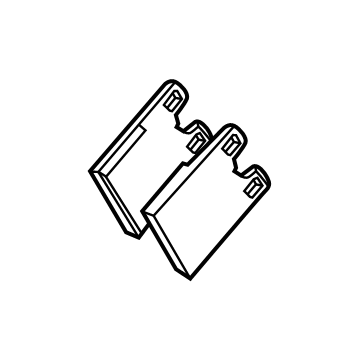
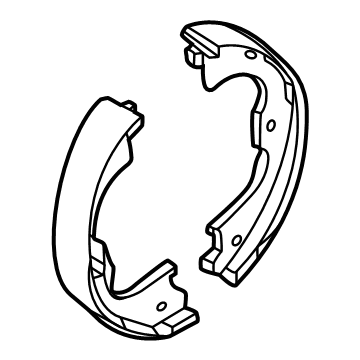
Ford Parking Brake Shoes Part Number: PR3Z-2200-C
$72.38 MSRP: $109.17You Save: $36.79 (34%)Ships in 1-2 Business DaysProduct Specifications- Other Name: Kit - Brake Lining
Ford Parking Brake Shoes Part Number: PC3Z-2648-A
$111.95 MSRP: $184.20You Save: $72.25 (40%)Ships in 1-2 Business DaysProduct Specifications- Other Name: Kit - Parking Brake Linings; Shoes
Ford Brake Shoes, Rear Part Number: LU2Z-2V200-F
$45.79 MSRP: $66.65You Save: $20.86 (32%)Ships in 1-2 Business DaysProduct Specifications- Other Name: Pad - Brake; Drum Brake Shoe, Rear; Parking Brake Shoe; Shoes
- Position: Rear
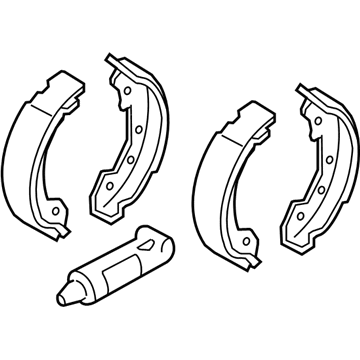
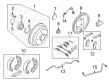
Ford Brake Shoes, Rear Part Number: LU2Z-2V200-C
$45.79 MSRP: $66.65You Save: $20.86 (32%)Ships in 1-2 Business DaysProduct Specifications- Other Name: Pad - Brake; Drum Brake Shoe, Rear; Parking Brake Shoe; Rear Shoes; Shoes
- Position: Rear
- Replaces: 1M5Z-2200-AA, 6S4Z-2200-A, 6S4Z-2200-B, BRF-1422, BRF-1423, 6S4Z-2200-C, YU2Z-2V200-BARM, BR-1265
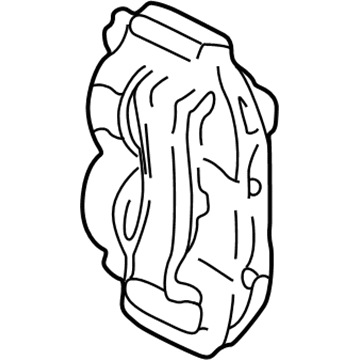

Ford Flex Hose, Passenger Side Part Number: F5TZ-2B120-A
$45.79 MSRP: $66.65You Save: $20.86 (32%)Ships in 1 Business DayProduct Specifications- Other Name: Kit - Brake Shoe; Brake Caliper; Caliper Piston; Caliper
- Manufacturer Note: Caliper asy. RH - 1995/
- Position: Passenger Side
- Replaced by: BR-48-C
Ford Front Pads Part Number: 4C2Z-2001-CA
Product Specifications- Other Name: Kit - Brake Shoe; Brake Pads
- Manufacturer Note: Shoe and lining kit(brake) - 1995/2001 - before 2/13/01
- Replaces: 1C2Z-2001-AA
| Page 1 of 3 |Next >
1-20 of 57 Results
Ford Brake Shoe
If you own Ford and want to keep it in top shape, choosing OEM Brake Shoe is a smart move. They are precisely engineered and follow strict factory standards. They are made in advanced facilities that use cutting edge technology. Each part goes through thorough testing to confirm strength and safety, so you can trust it. FordPartsDeal.com gives you genuine Ford Brake Shoe at some of the affordable online prices without cutting quality. Every OEM Ford part includes the manufacturer's warranty, easy returns, and super-fast delivery. So why wait? Shop now and get your vehicle back to peak condition.
Ford Brake Shoe clamp down on the drum hard to make pedal pressure a quick steady stop. In 1903 then in 1913 its moving assembly line reduced build times, and affordable durable cars to the reach of ordinary customers all over the world began with Ford. Ford pushes the savings on fuel consumption with aggressive EcoBoost engines that combine small engine capacity with turbo charge to accelerate fast on the road and consume leanly. Ford also installs cabins with the SYNC voice control that enables drivers to play music or maps by just talking, their eyes on the road and hands at the wheel. Ford supports the faith with Co-Pilot360 automatic braking and lane notifications even as it jumps to zero-emissions power with the electric F-150 Lightning. Within a drum system, the Brake Shoe presses rugged friction slamming into one another with hydraulic exertion converts wheel energy into heat as well as slices speed with consistent regulation. Every Brake Shoe has a partner in a self-energizing design that pulls the second harder and increases the torque without requiring added pedal effort. Frequent inspections will ensure that a Brake Shoe is clear of dust and is not below the wear limit to provide a sharp engagement each time the driver stops. Durable compounds allow a Brake Shoe to serve long miles and provide the drum brakes with reliable bite over the years.
Ford Brake Shoe Parts and Q&A
- Q: Should the retractor and hold-down springs be replaced whenever the brake shoes are replaced on 1993-2011 Ford Ranger?A:Whenever the brake shoes are replaced, the retractor and hold-down springs should also be replaced due to the continuous heating and cooling cycle that the springs are subjected to, which causes them to lose tension over time and may allow the shoes to drag on the drum, leading to accelerated wear. Begin by loosening the wheel lug nuts, raising the rear of the vehicle, and securely supporting it on jackstands while blocking the front wheels to prevent rolling. Release the parking brake and remove the wheel, ensuring that all four rear brake shoes are replaced simultaneously, but work on one brake assembly at a time to avoid mixing parts. Inspect and replace the brake shoes, and if the brake drum cannot be easily removed, pry the rubber plug from the backing plate inspection hole, insert a screwdriver and a brake adjusting tool to lift the adjusting lever and rotate the adjusting screw, which will pull the brake shoes together. If the mechanism is difficult to turn, spray the assembly with penetrating oil and allow it to soak in. Before reinstalling the drum, check it for cracks, score marks, deep scratches, and hard spots, which appear as small discolored areas; if hard spots cannot be removed with fine emery cloth or if any other issues exist, the drum must be taken to an automotive machine shop for resurfacing. It is recommended to resurface the drums whenever a brake job is performed to eliminate the possibility of out-of-round drums. If the drums are excessively worn and cannot be resurfaced without exceeding the maximum allowable diameter, new drums will be required. If you choose not to resurface, at least remove the glazing from the surface with medium-grit emery cloth using a swirling motion. Install the brake drum on the hub, turn the adjuster wheel until the brake shoes just drag on the drum when rotated, then back off the adjuster wheel until the shoes no longer drag. Finally, mount the wheel, install the lug nuts, lower the vehicle, and make several forward and reverse stops to adjust the brakes until satisfactory pedal action is achieved.
Related Ford Parts
 Ford Brake Pads
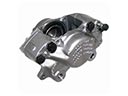 Ford Brake Caliper
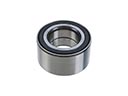 Ford Wheel Bearing
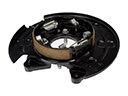 Ford Brake Backing Plate
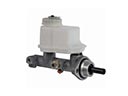 Ford Brake Master Cylinder
 Ford Wheel Cylinder
 Ford ABS Relay
 Ford Brake Caliper Piston
 Ford Brake Disc
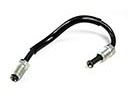 Ford Brake Line
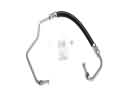 Ford Hydraulic Hose
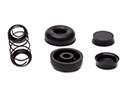 Ford Wheel Cylinder Repair Kit
Browse Ford Brake Shoe by Models
Ranger Bronco Mustang Explorer Focus F-150 Escape Edge Expedition Fiesta Taurus Thunderbird Transit Connect Explorer Sport Trac Crown Victoria Probe Bronco II Escort F-250 Aerostar Aspire Contour E-150 Econoline Explorer Sport F-350 LTD Police Interceptor Utility Tempo Windstar F-350 Super Duty Police Interceptor Sedan E-150 E-150 Club Wagon E-150 Econoline Club Wagon E-250 E-250 Econoline E-350 Club Wagon E-350 Econoline E-350 Econoline Club Wagon E-350 Super Duty F-150 Heritage F-250 HD F-250 Super Duty Special Service Police Sedan