FordParts
My Garage
My Account
Cart
OEM Mercury Mountaineer Brake Disc
Disc Rotor- Select Vehicle by Model
- Select Vehicle by VIN
Select Vehicle by Model
orMake
Model
Year
Select Vehicle by VIN
For the most accurate results, select vehicle by your VIN (Vehicle Identification Number).
6 Brake Discs found
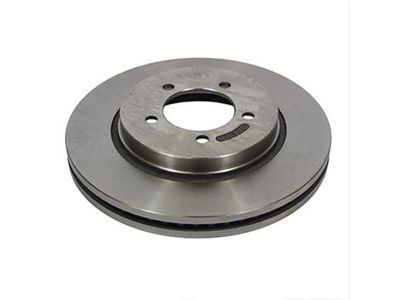
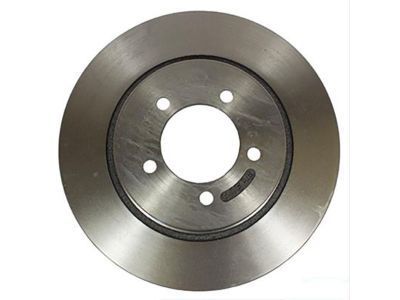
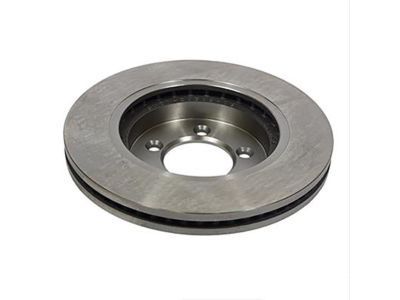
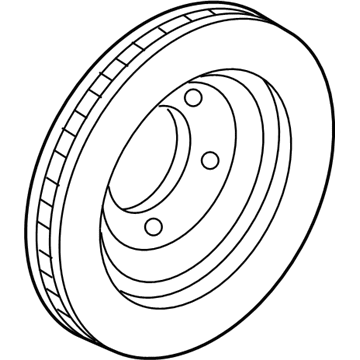
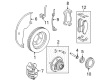
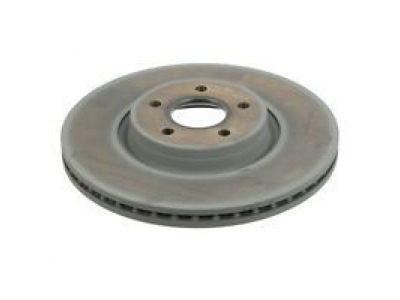
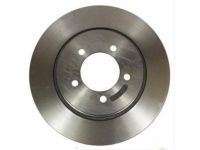
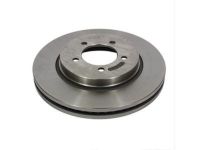
Mercury Mountaineer Rotor, Front Part Number: 6U2Z-1V125-CB
$75.80 MSRP: $116.65You Save: $40.85 (36%)Ships in 1 Business Day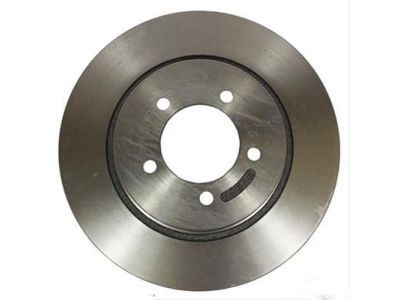
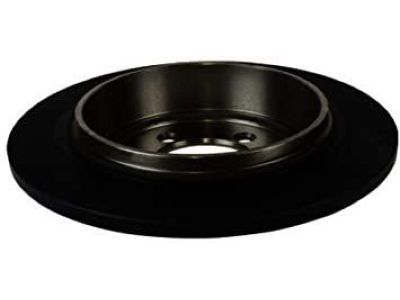
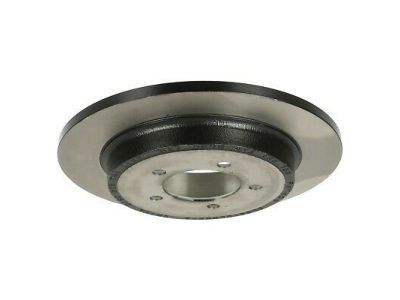
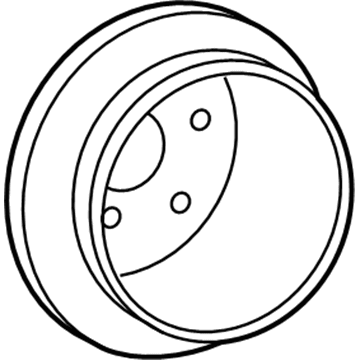
Mercury Mountaineer Rotor, Rear Part Number: 6L2Z-2C026-B
$77.34 MSRP: $116.65You Save: $39.31 (34%)Ships in 1-2 Business Days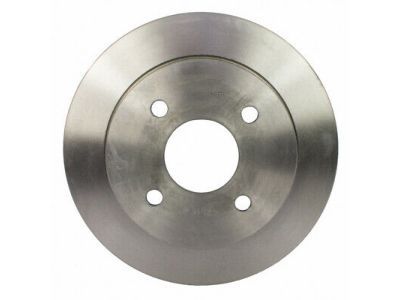
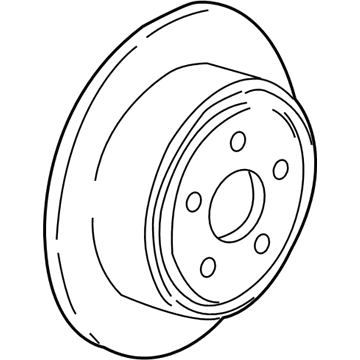
Mercury Mountaineer Rotor, Rear Part Number: YL2Z-2V026-BB
$75.80 MSRP: $116.65You Save: $40.85 (36%)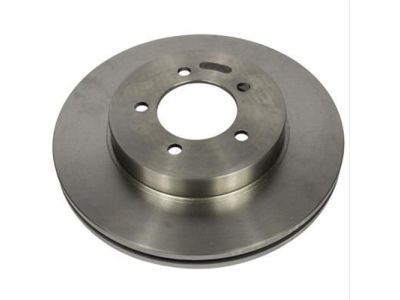
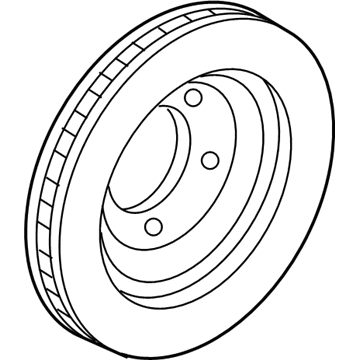
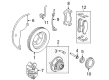
Mercury Mountaineer Rotor, Front Part Number: 2U2Z-1V125-BB
$75.80 MSRP: $116.65You Save: $40.85 (36%)Ships in 1 Business Day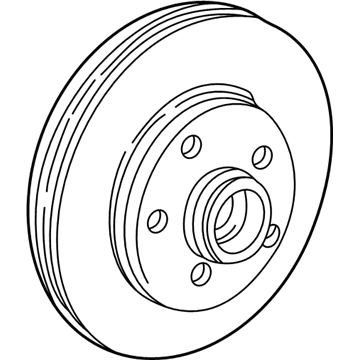
Mercury Mountaineer Rotor, Front Part Number: YL2Z-1V125-AB
$75.80 MSRP: $116.65You Save: $40.85 (36%)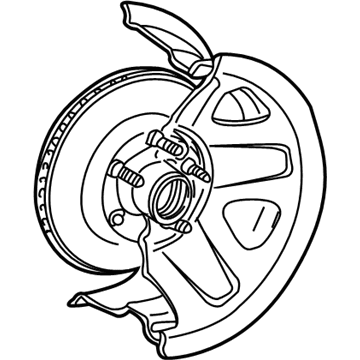
Mercury Mountaineer Hub & Rotor Part Number: YL2Z-1V102-A
$78.88 MSRP: $116.65You Save: $37.77 (33%)Ships in 1-2 Business Days
Mercury Mountaineer Brake Disc
OEM Brake Disc boasts unmatched quality. Each part goes through full quality checks. They adhere to Mercury's official factory standards. These steps remove flaws and inconsistencies. So you can get Brake Disc with long life and a perfect fit. Come to our website and find genuine Mercury Mountaineer parts. We keep a wide inventory of OEM Mountaineer parts at the highly affordable prices. It's easy to search, compare, and pick what you need. You'll love the clear info and simple checkout. We offer top-rated customer service, and we reply fast. We also ship promptly to ensure your order arrives on time.
Mercury Mountaineer Brake Disc is one of the crucial vehicle's parts that dot the braking mechanism of the vehicle; it was used in several Mountaineer versions manufactured between 1996 and 2010. This is a very important component which serves as the brake lining surface for the brake pads, to contain optimum stopping power and improved safety. The Mercury Mountaineer brake disc is equally applicable with the 4.0L V6 and 5.0L V8 engine choice hence applicable with various Mountaineer models. Some of the characteristics as the vented rotors with cooling fins ensure efficient brake's heat dissipation what is essential while dynamic vehicle usage and increasing the rate of the braking. The Mercury Mountaineer Brake Disc is unique in the market given that there are many designs such as the drilled and slotted which enhance heat removal and minimisation of noise at the expense of pad wear. The Mercury Mountaineer Brake Disc is also very important to maintain well because problems such as scoring or warping can hinder its operation. In conclusion, Mercury Mountaineer Brake Disc is not only increases the productivity of the vehicle but also has a great contribution to the safety of the driver and the passenger that are the primary considerations in every self-owned vehicle, adding to its credibility to carry the reputation for the mountaineer community who seek for performance and safety on the road.
Mercury Mountaineer Brake Disc Parts and Q&A
- Q: How to remove and replace the rear brake disc on Mercury Mountaineer?A:Start the process of disc replacement by taking off the wheel and tire. The caliper sight hole demands avoiding direct probing for Piston retraction since such action may harm the pistons together with their boots. The brake pad assembly combined with the Brake Caliper should be positioned away from the brake hose to safeguard it from damages. Disconnect the two caliper guide pin bolts after which you should place the caliper assembly and pads together with mechanic's wire for support. In cases where the brake disc resists the Parking Brake Shoe and lining you should uninstall the adjustment hole knockout panel to shorten the brake shoe and lining length. You can use penetrating lock lubricant on mating surfaces when removing a brake disc which shows resistance. Use parts cleaner to wash rust and foreign material from both brake disc surfaces as well as the Wheel Hub surfaces immediately after brake disc removal. Place the new brake disc properly before fitting the brake caliper along with pads and torquing the guide pin bolts to 32 Nm (24 lb-ft). To finish the process reattach the wheel and tire before testing the operation of the brakes multiple times. The opening of the access plug needs to be reinstalled to stop outside contaminants from getting inside.
- Q: How to Service and Repair the Front Brake Disc on Mercury Mountaineer?A:Commence front rotor/disc brake service by making sure the Brake Caliper, Brake Pads and anchor plate assembly do not depend from the brake hose for damage prevention. Secure the brake caliper assembly to mechanics wire after you remove its two anchor plate bolts. The removal of stubborn brake discs becomes possible through the use of rust penetrant applied on the brake disc and hub mating surfaces. Part cleaner should be used for cleaning away rust along with debris from both brake discs and Wheel Hubs. Before inserting the new brake disc users must smear a minimal amount of anti-seize lubricant on the hub flange surface. The final step includes installing the two brake caliper anchor plate bolts while tightening them to 165 Nm (122 ft. lbs.) after placing the brake caliper and brake pads and anchor plate assembly properly.
Related Mercury Mountaineer Parts
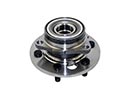 Mercury Mountaineer Wheel Hub
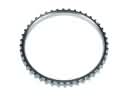 Mercury Mountaineer ABS Reluctor Ring
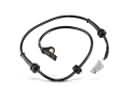 Mercury Mountaineer ABS Sensor
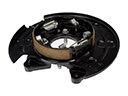 Mercury Mountaineer Brake Backing Plate
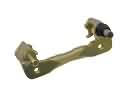 Mercury Mountaineer Brake Caliper Bracket
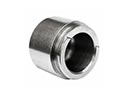 Mercury Mountaineer Brake Caliper Piston
 Mercury Mountaineer Brake Controller
 Mercury Mountaineer Brake Line
 Mercury Mountaineer Brake Pads
 Mercury Mountaineer Parking Brake Cable
 Mercury Mountaineer Parking Brake Shoe
 Mercury Mountaineer Wheel Stud